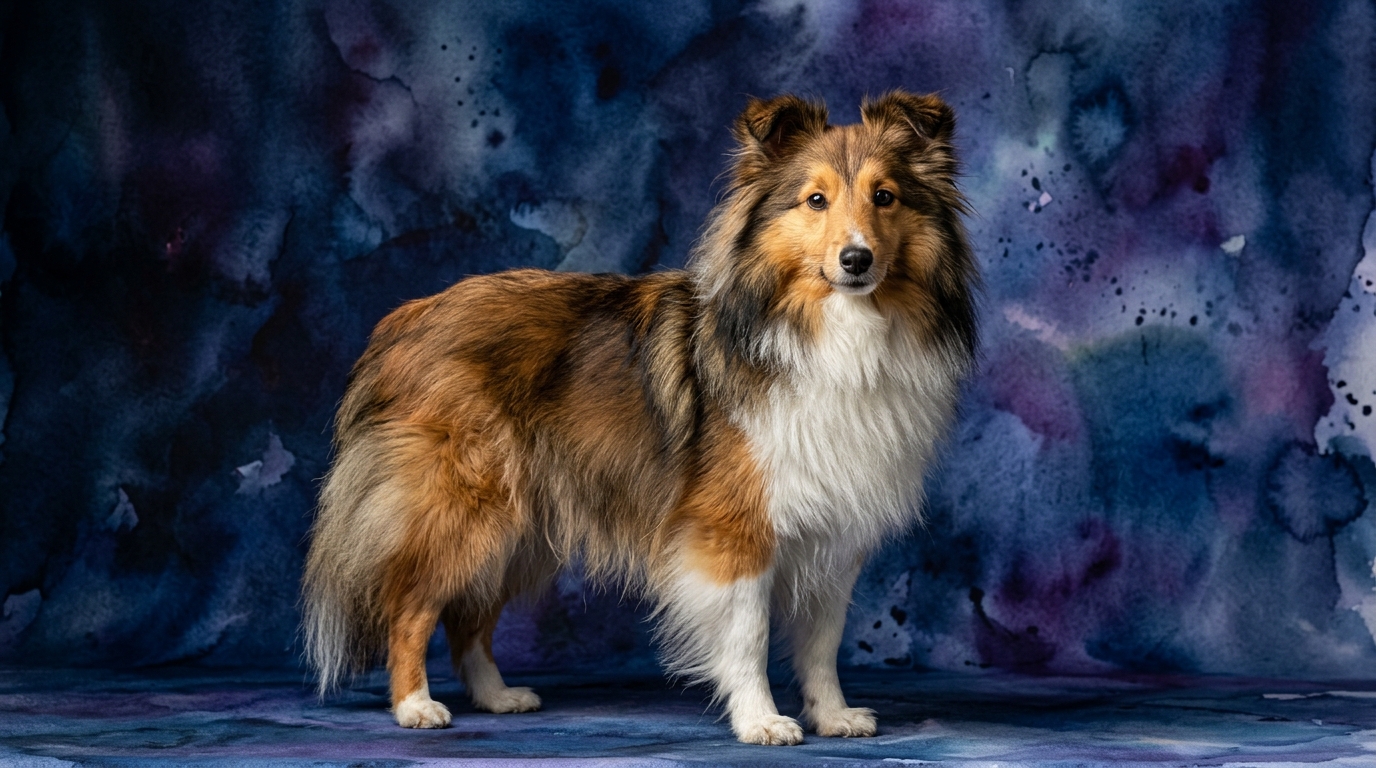
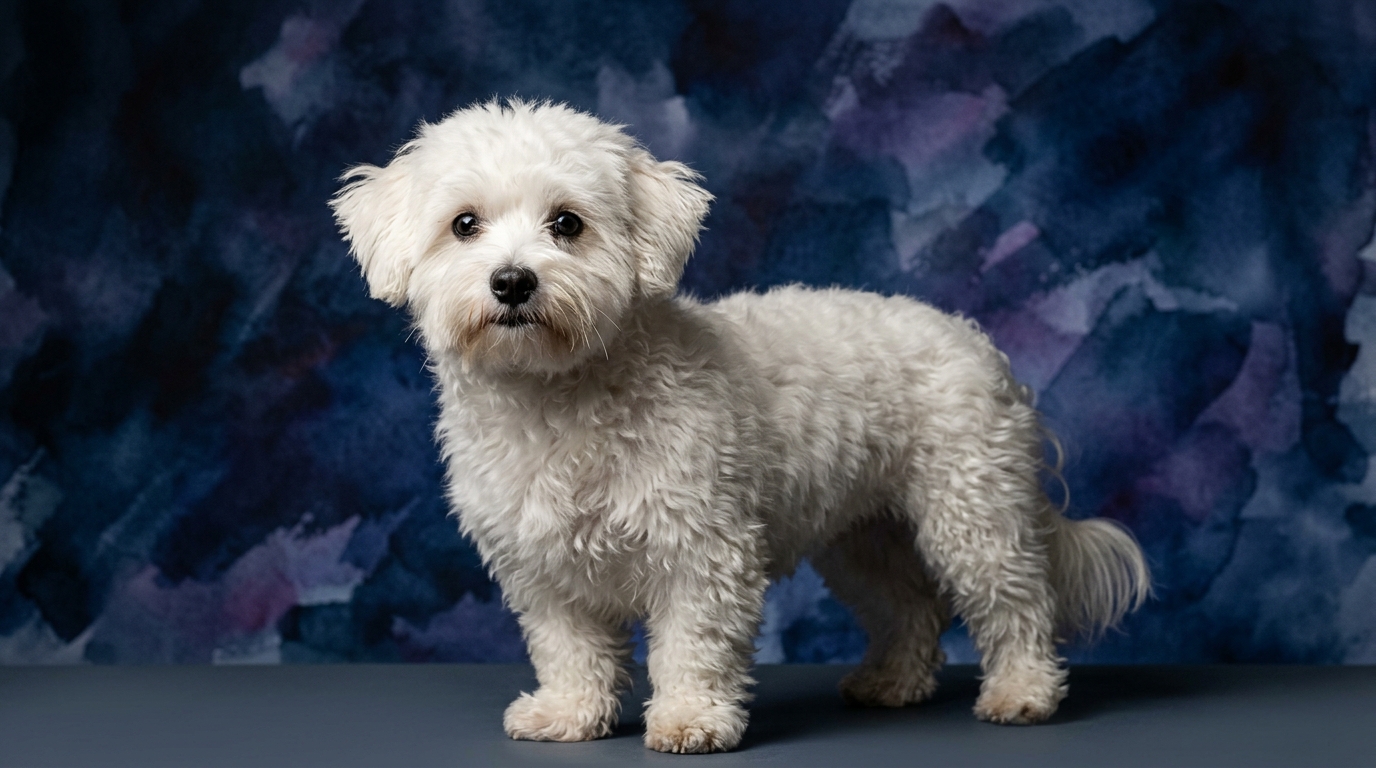
Side-by-Side Cognitive Profiles: Shetland Sheepdog vs. Coton de Tuléar
The Cosmic Pet Pet IQ Lab provides a detailed lens through which to examine the cognitive strengths of these two distinct breeds. The Shetland Sheepdog, originating from the Herding Group and notably ranked #6 by Coren, exhibits a finely tuned intellect geared towards complex tasks and rapid learning. Its problem-solving ability is rated at 4/5, indicating a strong capacity to navigate intricate situations and devise solutions, often independently. Training speed is a remarkable 5/5, meaning new commands are absorbed with extraordinary quickness. Social intelligence stands at 4/5, reflecting a keen awareness of human cues and group dynamics. An instinctive drive of 5/5 underscores their deep-seated motivation for purposeful activity, while a perfect 5/5 memory ensures information is retained and applied consistently over time.
In contrast, the Coton de Tuléar, a member of the Non-Sporting Group and not Coren-ranked, presents a different cognitive blueprint, better suited for companionship. Its problem-solving score of 3/5 suggests a moderate ability to tackle challenges, often preferring simpler solutions or relying on human guidance for complex scenarios. Training speed is rated 3/5, indicating a willingness to learn but requiring more repetition and patience compared to the Sheltie. Social intelligence also sits at 3/5, demonstrating a good capacity for bonding with family members, though perhaps less nuanced in interpreting subtle social signals outside their immediate circle. An instinctive drive of 3/5 points to a moderate internal motivation, primarily focused on interaction and play rather than a strong task-oriented purpose. Similarly, a memory score of 3/5 implies that while they retain information, less frequently used commands might require occasional refreshers.
Where the Shetland Sheepdog Excels Cognitively
The Shetland Sheepdog's cognitive advantages are most pronounced in areas demanding sequential thought, rapid information processing, and the application of learned behaviors in dynamic environments. Their Coren rank of #6 is a testament to an exceptional capacity for structured learning and responsiveness. The Sheltie's 5/5 training speed means they grasp complex command chains and routines with startling quickness, often anticipating the next step in a sequence. This rapid acquisition is powerfully supported by their perfect 5/5 memory, allowing them to retain a vast repertoire of commands, tricks, and experiences over long periods, making them highly reliable performers in competitive dog sports or intricate obedience tasks.
Furthermore, their 4/5 problem-solving ability, coupled with a 5/5 instinctive drive rooted in their herding heritage, enables them to independently assess and react to situations, often demonstrating foresight in managing their surroundings. They are adept at navigating obstacles, figuring out puzzle toys, and understanding spatial relationships, all skills that were vital for their ancestral role of controlling livestock. This innate drive for purposeful activity translates into a natural inclination to engage their minds, making them eager participants in mental challenges and structured learning opportunities.
Where the Coton de Tuléar Shines Cognitively
While the Coton de Tuléar may not possess the intense 'working' cognition of a herding breed, its unique cognitive strengths lie in its adaptability to diverse social contexts and its profound emotional sensitivity. Their moderate instinctive drive (3/5) means they are less burdened by a constant, inherent need for a specific 'job' or intense mental stimulation, allowing them to be more flexible and content in a purely companion role. This attribute often translates into an easier integration into varied household routines and social settings, as they are less prone to frustration when not actively engaged in a task.
The Coton's social intelligence, while rated 3/5, is particularly effective within the context of intimate family bonding. They excel at forming deep, personal connections, often displaying a nuanced understanding of their human's moods and preferences, a form of social cognition geared towards comfort and companionship rather than complex group management. Their problem-solving (3/5) and memory (3/5) abilities, though moderate, are perfectly sufficient for navigating daily home life, learning household rules, and engaging in playful interactions, often finding creative ways to solicit attention and affection from their owners. This breed's cognitive profile is optimized for creating a joyful and adaptable presence in a family home.
Training Ease: Shetland Sheepdog vs. Coton de Tuléar
When it comes to training, the Shetland Sheepdog clearly presents a more straightforward and often faster learning experience. Their exceptional 5/5 training speed means they absorb new commands and routines with remarkable efficiency, frequently requiring only a few repetitions to master a task. This is powerfully reinforced by their 5/5 memory, ensuring that once learned, commands are retained with impressive consistency. The Sheltie's inherent 5/5 instinctive drive also plays a crucial role; they genuinely desire a 'job' and find immense satisfaction in performing tasks for their human companions, making them highly motivated and eager participants in training sessions. Their strong social intelligence (4/5) further aids this, as they are highly attuned to human cues and eager to please, thriving on structured interaction and mental engagement.
The Coton de Tuléar, with its 3/5 training speed and 3/5 memory, requires a more patient and consistent approach. While willing to learn, they might not possess the same inherent drive for structured work or the rapid information processing of the Sheltie. Training sessions for a Coton need to be highly positive, engaging, and often play-based to maintain their interest and prevent boredom. Their moderate social intelligence (3/5) means they are responsive to their family, but their motivation might be more centered on the relationship and reward rather than the inherent satisfaction of completing a task. Owners will find that consistent, short, and fun sessions yield the best results, focusing on positive reinforcement to build good habits and reinforce memory.
Suitability for Active vs. Relaxed Owners
The cognitive and temperamental differences between these two breeds lead to distinct suitability for different owner lifestyles. The Shetland Sheepdog is an ideal match for active owners who can provide consistent mental and physical stimulation. Their high instinctive drive (5/5), coupled with their problem-solving ability (4/5) and training speed (5/5), means they thrive when given a 'job' to do. This could involve participating in dog sports like agility, obedience, rally, or even herding trials. They require engaging daily training sessions, puzzle toys, and sufficient exercise to prevent boredom and potential behavioral issues. An owner who enjoys teaching complex tricks and engaging in structured activities will find an incredibly fulfilling partnership with a Sheltie, as they genuinely enjoy using their minds.
Conversely, the Coton de Tuléar is better suited for more relaxed owners seeking a charming and adaptable companion. Their moderate instinctive drive (3/5) means they are content with shorter walks, indoor games, and ample cuddle time, rather than demanding intense, structured activities. While they enjoy play and can certainly learn tricks, their primary cognitive strength lies in their capacity for affectionate bonding and their ability to integrate smoothly into a family's daily rhythm without needing constant mental challenges. Owners who prioritize companionship, gentle play, and a relatively low-maintenance exercise routine will find the Coton de Tuléar to be a delightful and emotionally responsive addition to their home.
The Verdict
Choose a Shetland Sheepdog if you're an active owner seeking a highly trainable companion for dog sports, complex obedience, or a 'working' partner who thrives on mental challenges and consistent engagement.
Opt for a Coton de Tuléar if you desire a charming, adaptable companion for a more relaxed home environment, prioritizing affectionate bonding and moderate activity over intense structured training.
🧠 Find Your Pet's IQ Score
Our Pet IQ Lab assessment covers 25+ tests across 5 cognitive dimensions — personalized to your breed.
Take the Full IQ Test →Frequently Asked Questions
Are Shetland Sheepdogs good with children?
Shetland Sheepdogs, with their strong social intelligence and herding instincts, can be excellent with children, often displaying a protective yet gentle nature. They thrive in structured family environments where their boundaries and the children's are well-understood, benefiting from early socialization.
Do Coton de Tuléars bark a lot?
Coton de Tuléars can be prone to barking, especially if left alone for extended periods or if they perceive strangers approaching. Their social nature means they prefer company, and boredom or separation anxiety can manifest as vocalizations, so consistent training and enrichment are key.
What kind of mental stimulation do Shetland Sheepdogs need?
Shetland Sheepdogs require extensive mental stimulation, including daily training sessions, puzzle toys, learning new tricks, and participating in dog sports like agility or rally obedience. Their high problem-solving ability and memory mean they quickly get bored without engaging tasks, making consistent mental work essential for their well-being.