A Side-by-Side Look at Cognitive Profiles
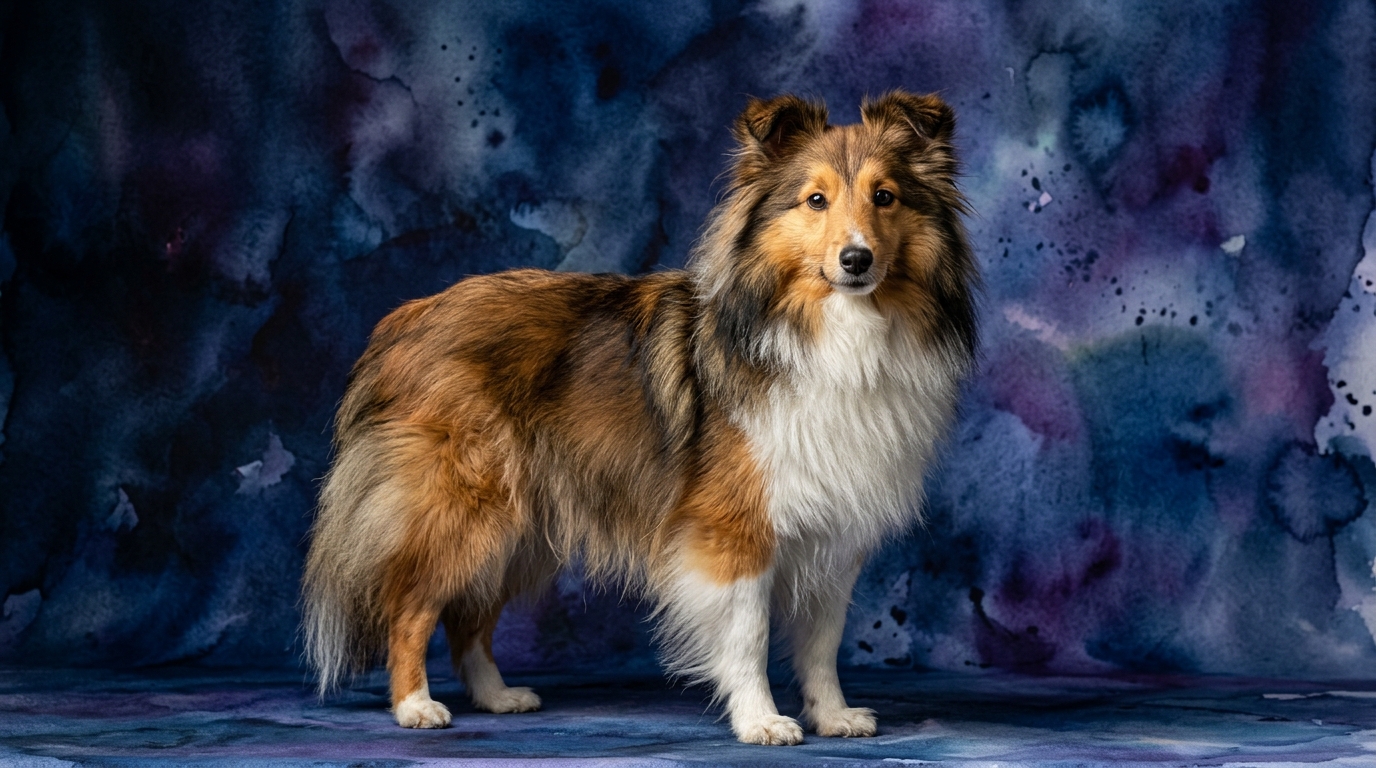
The Cosmic Pet Pet IQ Lab employs a five-dimensional framework to assess canine intelligence, offering a nuanced view beyond simple rankings. For the Shetland Sheepdog, a herding breed, its profile reflects a mind built for intricate cooperation and learning: problem Solving 4/5, training Speed 5/5, social Intelligence 4/5, instinctive Drive 5/5, and memory 5/5. This paints a picture of a dog that rapidly acquires new information, understands human cues, and possesses a strong inherent motivation to perform its ancestral duties.
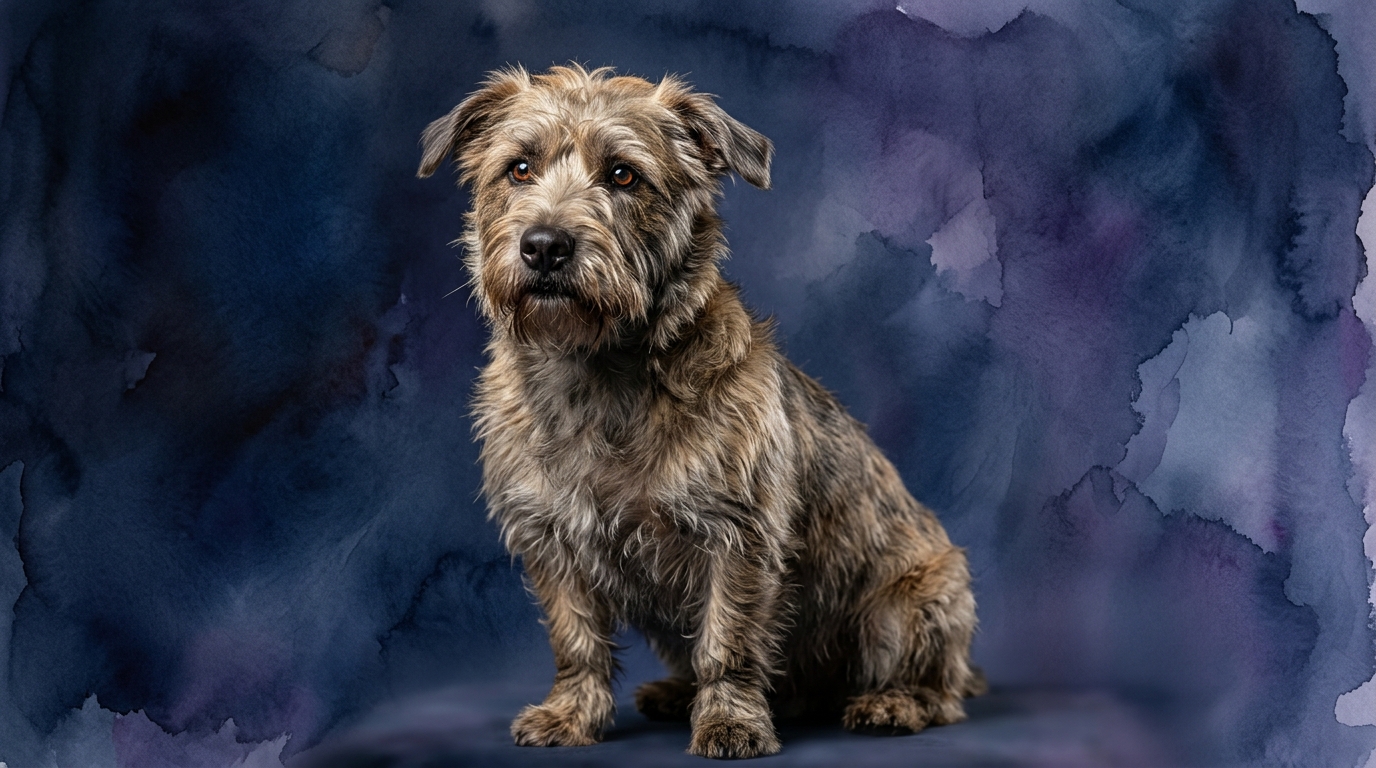
In contrast, the Glen of Imaal Terrier, a terrier breed originating from Ireland, presents a different cognitive blueprint, one honed for independent, robust work: problem Solving 3/5, training Speed 3/5, social Intelligence 3/5, instinctive Drive 3/5, and memory 3/5. While these scores are moderate, they are indicative of a self-sufficient mind, less focused on collaborative learning and more on persistent, individual task completion. This breed was developed to work alone, often underground, where communication with a human was minimal, and independent decision-making was paramount for survival and success.
Where the Shetland Sheepdog Excels Cognitively
The Shetland Sheepdog's cognitive strengths are deeply rooted in its herding lineage, demanding a sophisticated understanding of patterns, spatial reasoning, and dynamic problem-solving. Their 4/5 problem-solving ability manifests in their capacity to strategize during complex tasks, such as maneuvering livestock or navigating agility courses, often anticipating obstacles and adjusting their approach proactively. This isn't just about following commands; it's about making informed decisions within a given framework.
Their exceptional 5/5 training speed and 5/5 memory are perhaps their most defining cognitive advantages. Shelties absorb new commands and routines with remarkable rapidity, often grasping concepts in just a few repetitions. This swift learning is supported by their robust memory, allowing them to retain vast repertoires of learned behaviors and apply them consistently over time. Coupled with their 4/5 social intelligence, they are adept at interpreting human body language, vocal tones, and intentions, making them highly responsive and communicative partners in any endeavor. Their 5/5 instinctive drive translates into an innate desire to work and engage, providing powerful internal motivation for training and activities that channel their herding instincts.
Where the Glen of Imaal Terrier's Cognition Shines
While the Glen of Imaal Terrier's scores might appear lower in comparison, their cognitive profile represents a functional brilliance perfectly suited for their historical role. Their 3/5 problem-solving score reflects a different type of intellectual prowess: one geared towards persistent, independent strategizing in challenging environments. Glens were bred to dispatch vermin and badgers in underground tunnels, tasks requiring focused determination and self-reliance rather than complex human collaboration. Their problem-solving involves tenacity, resourcefulness, and a refusal to give up, even when faced with significant physical or mental obstacles.
The Glen's 3/5 instinctive drive, though moderate, is highly specialized and potent. It fuels their unwavering focus on a task, enabling them to pursue their quarry with relentless determination. This drive, combined with their problem-solving, allows them to make quick, autonomous decisions in high-pressure situations without needing human direction. Their 3/5 social intelligence, rather than being a deficit, points to a self-sufficient nature. They are not as reliant on constant human interaction or approval for motivation, making them less prone to separation anxiety and more comfortable with independent activity, a crucial trait for a dog working alone in a den. This cognitive independence is a hallmark of their breed and a true strength for owners who appreciate a dog with a strong sense of self.
Training: Cooperation Versus Persistence
When it comes to training, the differences between these two breeds become strikingly apparent. The Shetland Sheepdog, with its 5/5 training speed, 5/5 memory, and 4/5 social intelligence, is generally considered a highly biddable and responsive student. They thrive on positive reinforcement and clear communication, eager to please and quick to pick up new commands and complex sequences. Their strong instinctive drive means they often find purpose and satisfaction in learning and performing tasks alongside their human companions. Training a Sheltie often feels like a collaborative dance, where the dog is actively trying to understand and execute what is asked of them.
The Glen of Imaal Terrier, on the other hand, requires a different approach. Their 3/5 training speed and memory mean that learning takes more repetition and patience. Their 3/5 social intelligence means they are less motivated by the sheer desire to please and more by their own internal drives and the perceived value of the reward. Glens possess a strong independent streak, a hallmark of their terrier heritage, which can sometimes be interpreted as stubbornness. Successful training with a Glen relies on consistency, clear boundaries, and finding motivators that truly resonate with their tenacious nature, such as engaging their prey drive with appropriate toys or offering highly valued treats. Owners must be prepared for a training journey that prioritizes persistence and understanding the terrier mindset, rather than expecting immediate, eager compliance.
Matching Canine Cognition to Lifestyle
The distinct cognitive profiles of the Shetland Sheepdog and the Glen of Imaal Terrier mean they are suited for very different human lifestyles. The Sheltie, with its high scores in training speed, memory, and social intelligence, is an ideal companion for active owners who relish engagement and collaboration. They excel in dog sports like agility, obedience, and herding, where their quick learning, responsiveness, and strong work ethic can be fully utilized. Owners who enjoy teaching new tricks, participating in structured activities, or simply having a highly communicative and attentive canine partner will find the Sheltie's cognitive makeup incredibly rewarding. They thrive on mental stimulation and consistent interaction, making them a poor fit for owners seeking a purely ornamental or independent companion.
Conversely, the Glen of Imaal Terrier’s cognitive strengths align better with owners who appreciate a dog with a robust, independent spirit and are prepared for a less overtly biddable companion. While they still require exercise and mental engagement, their problem-solving and instinctive drive are geared towards focused, often self-directed tasks. They are excellent for owners who enjoy a dog that can entertain itself, has a strong sense of purpose, and is less demanding of constant interactive engagement. They can be wonderful companions for relaxed owners who still provide adequate physical activity and consistent, patient training, but who don't necessarily seek a dog to be their 'shadow' or a star pupil in competitive obedience. Their moderate social intelligence means they are content with their own company for periods, making them suitable for individuals who might have fluctuating schedules, provided their core needs for exercise and mental stimulation are met.
The Verdict
Choose the Shetland Sheepdog if you desire a highly trainable, communicative, and eager-to-please companion for collaborative activities and dog sports, thriving on consistent mental engagement.
Opt for the Glen of Imaal Terrier if you appreciate an independent, persistent, and self-reliant canine partner, and are prepared for patient, consistent training that respects their unique terrier drive.
🧠 Find Your Pet's IQ Score
Our Pet IQ Lab assessment covers 25+ tests across 5 cognitive dimensions — personalized to your breed.
Take the Full IQ Test →Frequently Asked Questions
Which breed is better for first-time dog owners?
The Shetland Sheepdog, with its high training speed and social intelligence, is generally more forgiving and easier for first-time owners to train and manage. Their eagerness to please and quick learning curve make the initial stages of dog ownership less daunting than with the more independent Glen of Imaal Terrier.
Do Glen of Imaal Terriers require less exercise than Shetland Sheepdogs?
While Glens might not demand the same intensity of structured mental engagement as Shelties, they still require regular physical activity to satisfy their instinctive drive. Both breeds benefit from daily walks and opportunities to explore, but a Sheltie will likely seek more interactive play and problem-solving exercises.
Are Glen of Imaal Terriers good with other pets, given their lower social intelligence score?
The Glen's moderate social intelligence and strong instinctive drive can mean they are less inclined to interact with other pets, particularly small animals, and may require careful socialization from a young age. Their independent nature means they might tolerate other dogs but generally prefer their own company or that of their human family.