Side-by-Side Cognitive Profiles: Sheltie vs. Great Dane
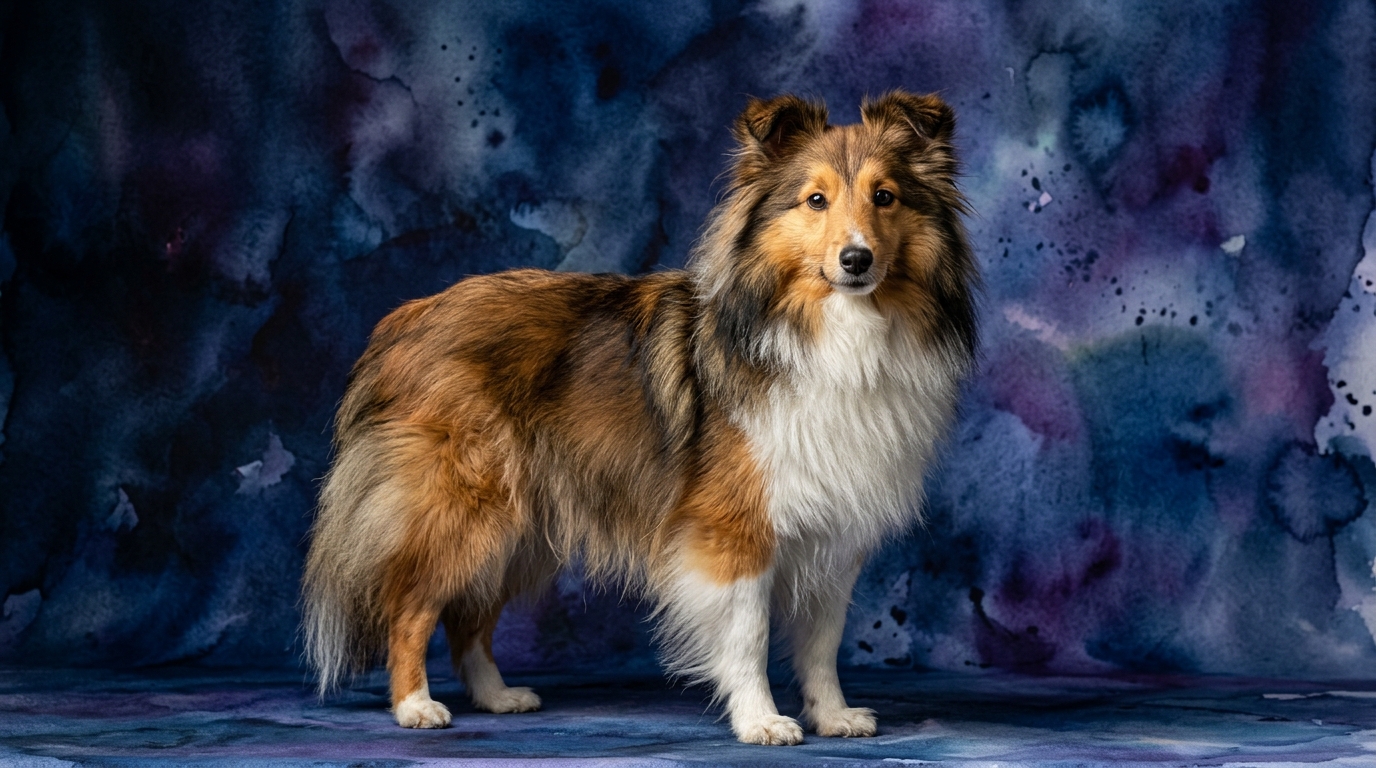
The Shetland Sheepdog, often called a Sheltie, is a compact herding dog with a Coren rank of #6, placing it among breeds that demonstrate exceptional working and obedience intelligence. Our Pet IQ Lab assessment reveals a Problem Solving score of 4/5, indicating a strong capacity for independent thought and strategic thinking when faced with novel challenges. Their Training Speed is rated an impressive 5/5, meaning they grasp new commands with minimal repetitions, often eager to learn and respond. Social Intelligence stands at 4/5, reflecting a keen awareness of human emotions and intentions, fostering deep, responsive bonds. With an Instinctive Drive of 5/5, Shelties possess a profound innate desire for purposeful activity, often manifesting in herding behaviors or a need for a 'job.' Their Memory is also a stellar 5/5, ensuring they retain complex sequences and learned behaviors over long periods.
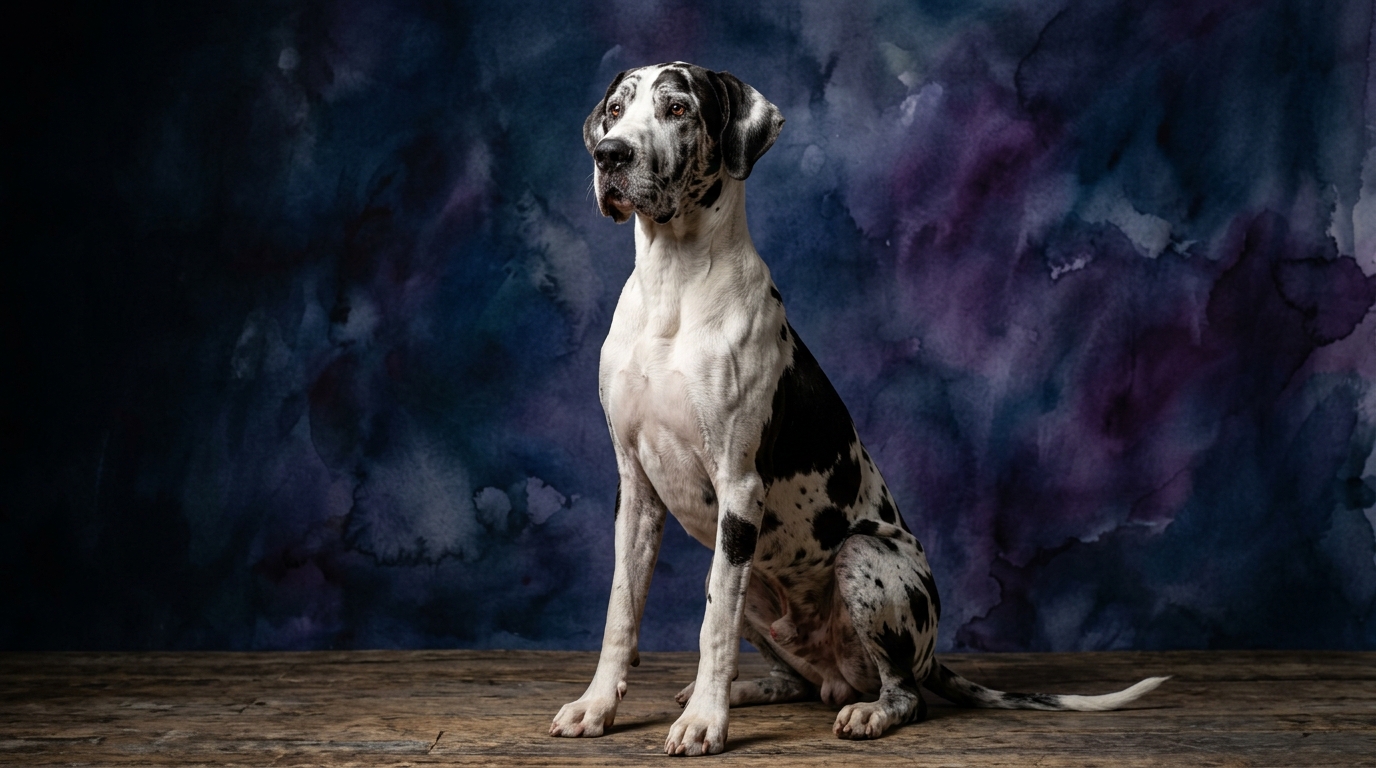
In contrast, the Great Dane, a giant of the Working group, holds a Coren rank of #48, suggesting a different cognitive emphasis. Our Pet IQ Lab data assigns them a Problem Solving score of 3/5, indicating they can learn solutions to common problems but might require more structured guidance for complex or unfamiliar scenarios. Their Training Speed is 3/5, meaning they require more consistent repetitions and patience during the learning process, though they are certainly trainable. Social Intelligence is a robust 4/5, highlighting their profound connection to human family members and a desire for companionship and comfort. An Instinctive Drive of 3/5 suggests a lower intrinsic need for complex tasks or constant 'work,' preferring a more relaxed, present role. Their Memory score is 3/5, demonstrating retention of learned behaviors but possibly needing occasional refreshers compared to breeds with higher scores.
Where the Shetland Sheepdog Excels Cognitively
The Shetland Sheepdog's cognitive strengths are profoundly rooted in its herding heritage, manifesting in a suite of operational capabilities. With a Coren rank of #6, Shelties demonstrate a superior ability to understand and execute complex multi-step commands, often learning new tasks in as few as 5-10 repetitions. Their 4/5 Problem Solving score means they are adept at navigating obstacles and figuring out pathways, whether it's an agility course or a new puzzle toy. This isn't just about speed; it's about the depth of their understanding and their capacity to apply learned concepts to varying situations.
Furthermore, their 5/5 Training Speed and Memory scores make them exceptional candidates for advanced obedience, rally, and agility sports. A Sheltie processes information quickly, forming strong associations between cues, actions, and rewards. This cognitive nimbleness allows them to master intricate sequences of movements and commands, recalling them with precision even after extended breaks. Their strong Instinctive Drive (5/5) means they are naturally inclined to engage in structured activities, finding purpose and satisfaction in tasks that require their focus and intellect, making them incredibly responsive partners in any learning endeavor.
Where the Great Dane Shines Cognitively
While the Great Dane may not possess the same operational swiftness as the Sheltie, its cognitive strengths lie in a profound social and emotional attunement, coupled with a calm, discerning presence. Their 4/5 Social Intelligence score is a testament to their deep capacity for empathy and understanding of human moods and intentions. Great Danes often act as sensitive barometers of household emotion, offering comfort or quiet companionship precisely when needed, a quality that makes them superb therapy or emotional support animals. This isn't about performing tricks; it's about a deep, intuitive connection.
Their lower Instinctive Drive (3/5) compared to the Sheltie is not a deficit but an indicator of a different kind of contentment. Great Danes are less driven by a constant need for complex tasks or strenuous work, finding satisfaction in close proximity and presence with their human family. This allows them to excel in roles where a stable, gentle, and watchful demeanor is paramount. Their problem-solving (3/5) and training speed (3/5) are sufficient for daily life and basic obedience, but their true cognitive brilliance often manifests in their unwavering loyalty, patience, and ability to be a calming, reassuring presence in a busy home.
Training Dynamics: Sheltie vs. Great Dane
When it comes to ease of training, the Shetland Sheepdog generally presents a more straightforward experience for owners, largely due to its remarkable 5/5 Training Speed and high Instinctive Drive. Shelties are often described as 'eager to please,' quickly associating commands with desired actions and positive reinforcement. Their herding background means they are naturally attentive to handlers and respond well to clear directions and structured environments. They thrive on short, engaging training sessions that challenge their intellect and provide an outlet for their innate drive to work, making them highly receptive to mastering a wide array of commands and behaviors.
The Great Dane, with its 3/5 Training Speed, requires a more patient and consistent approach. While perfectly trainable, Danes can be more deliberate in their learning process, often needing more repetitions to solidify new commands. Their sheer size means that early and consistent leash training, for example, is crucial for managing an adult dog that can outweigh a human. While they possess strong social intelligence, their lower instinctive drive means they might not always be as intrinsically motivated by 'work' as a Sheltie. Training sessions should be positive, reward-based, and acknowledge their desire for comfort and companionship, rather than relying solely on high-energy demands. Understanding their more relaxed pace and focusing on clear, consistent communication is key to successful training.
Lifestyle Match: Active vs. Relaxed Owners
The Shetland Sheepdog is an ideal companion for active owners who relish engaging with a cognitively sharp and physically agile dog. Their 5/5 Instinctive Drive and 4/5 Problem Solving capacity mean they thrive on regular mental stimulation and physical activity. Owners who enjoy dog sports like agility, obedience, rally, or even herding will find the Sheltie to be an enthusiastic and capable partner. Without sufficient outlets for their energy and intellect, Shelties can become restless or develop unwanted behaviors. They genuinely enjoy having a 'job' to do, whether it's learning new tricks, participating in canine sports, or simply being involved in family activities that challenge their mind and body.
Conversely, the Great Dane often suits owners who prefer a more relaxed pace of life, yet still appreciate regular, moderate exercise. While Danes certainly need daily walks and playtime, their 3/5 Instinctive Drive means they are generally less demanding of constant strenuous activity or complex mental challenges. They are often content to lounge with their family, acting as a gentle, watchful presence. Their high social intelligence makes them excellent companions for those seeking a devoted, calm, and physically imposing presence that is content with a strong bond and a comfortable home environment. Owners who value quiet companionship and a dog that integrates seamlessly into a relaxed household dynamic will find a Great Dane to be an immensely rewarding partner.
The Verdict
Choose a Shetland Sheepdog if you're an active owner seeking a highly responsive, intelligent partner for advanced training, dog sports, or a vigilant companion who thrives on mental challenges and purposeful activity.
Opt for a Great Dane if you desire a gentle, devoted, and calm companion who values close family bonds, requires moderate exercise, and offers a profound, comforting social presence in a relaxed home environment.
🧠 Find Your Pet's IQ Score
Our Pet IQ Lab assessment covers 25+ tests across 5 cognitive dimensions — personalized to your breed.
Take the Full IQ Test →Frequently Asked Questions
Are Shetland Sheepdogs good with children?
Yes, Shelties with their social intelligence and gentle nature can be wonderful with children, especially if raised with them. Their herding instinct can sometimes lead to nipping at heels, so supervision and training are important to channel this behavior appropriately.
Do Great Danes require a lot of exercise?
Great Danes need regular, moderate exercise, such as daily walks and playtime, but they are not typically high-energy dogs. As puppies, they require careful exercise management to protect their growing joints, and as adults, they often enjoy lounging as much as they do a good stroll.
Which breed is more prone to separation anxiety?
Both breeds can develop separation anxiety, but Great Danes, with their strong social intelligence and desire for companionship, can be particularly prone to distress if left alone for extended periods. Shelties, while also bonding closely, often cope better with structured independent time if their needs for mental and physical stimulation are met.