Side-by-Side IQ Profile
To truly understand the cognitive strengths of these two breeds, The Cosmic Pet Pet IQ Lab breaks down their intelligence across five key dimensions:
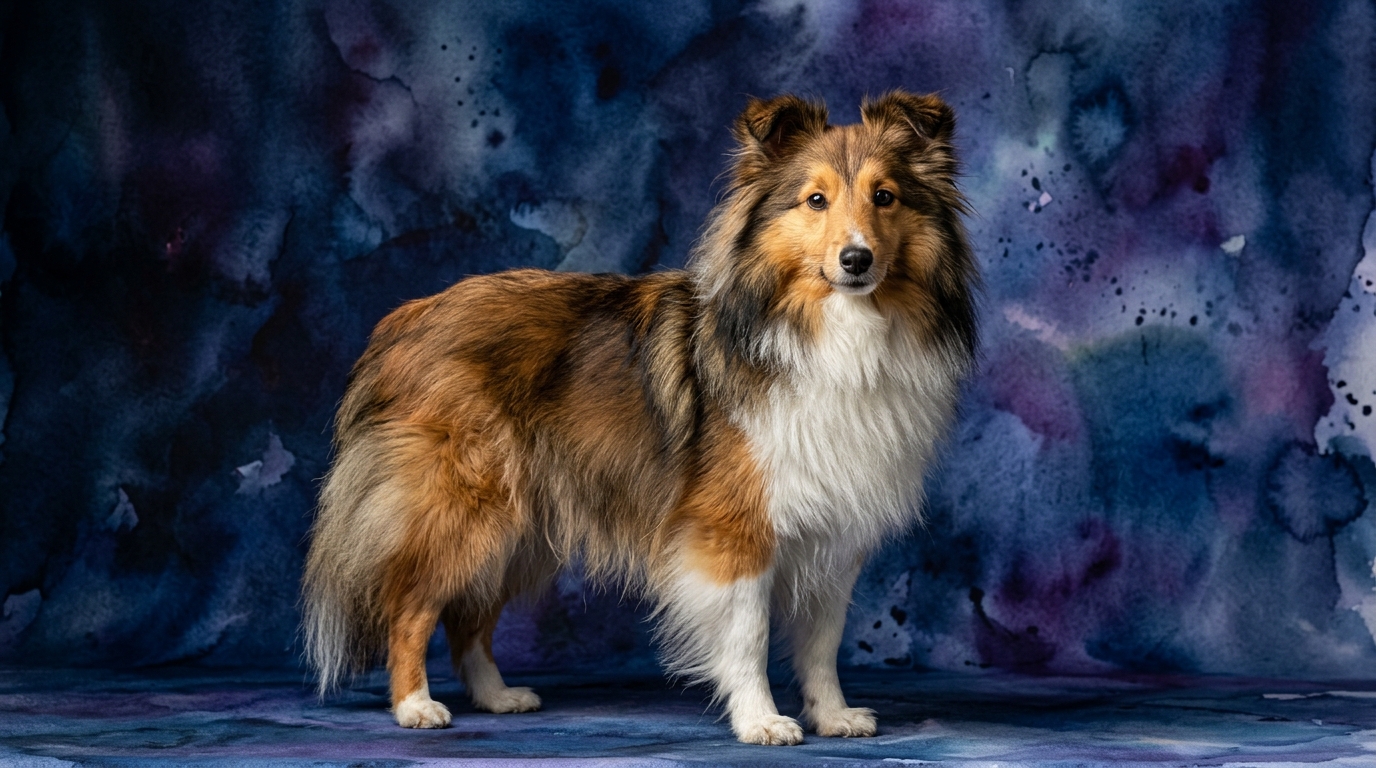
**Shetland Sheepdog (Sheltie)**:
**Problem Solving (4/5):** Shelties show strong analytical capabilities, often figuring out complex puzzle toys or adapting quickly to new challenges, a reflection of their herding need for independent decision-making.
**Training Speed (5/5):** With exceptional eagerness and focus, Shelties grasp new commands and routines with remarkable rapidity, typically requiring minimal repetitions to master skills.
**Social Intelligence (4/5):** Highly attuned to human emotions and subtle social cues, Shelties form deep bonds and often anticipate their owner's moods, making them perceptive companions.
**Instinctive Drive (5/5):** Their herding heritage manifests as a powerful urge to gather and manage, providing intense intrinsic motivation for activities like agility or obedience work.
**Memory (5/5):** Shelties possess excellent recall for commands, routines, and specific events, retaining a vast repertoire of learned behaviors consistently over time.
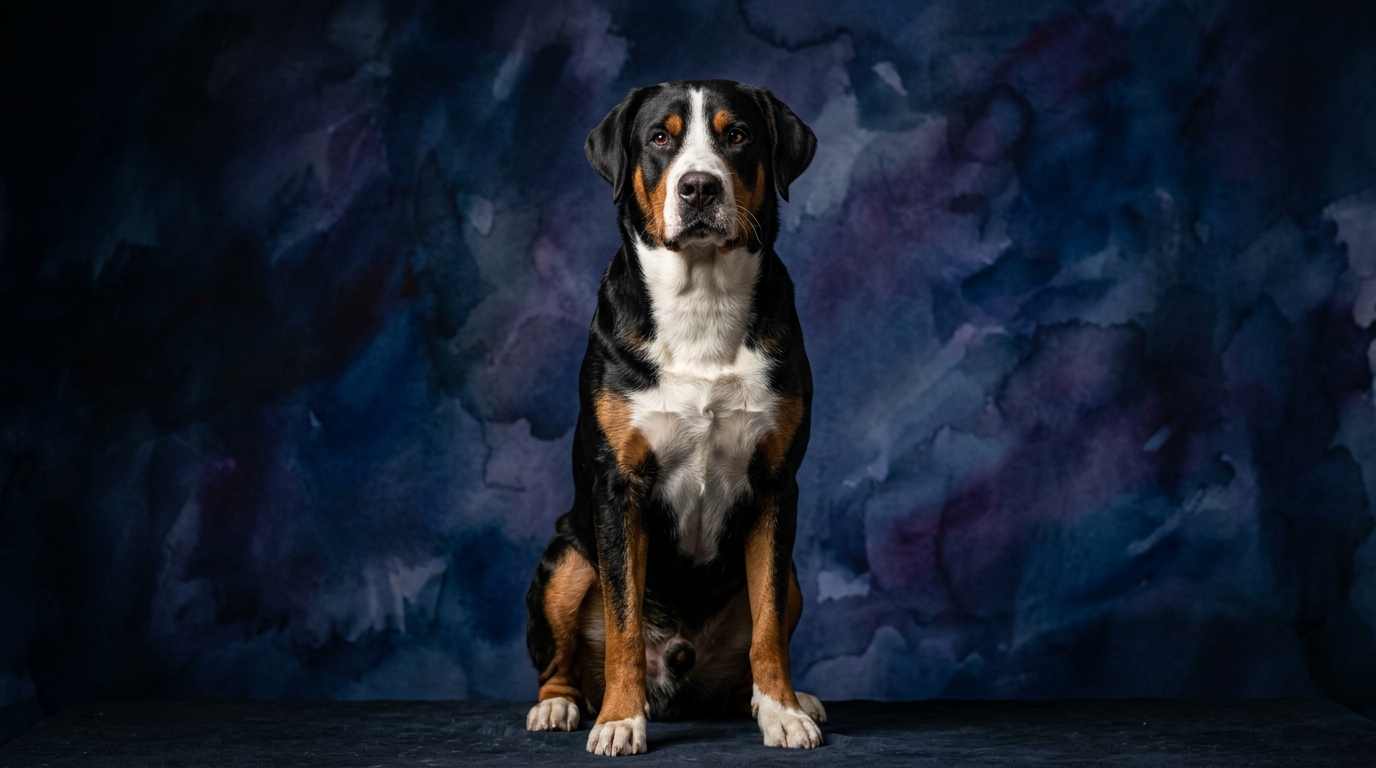
**Greater Swiss Mountain Dog (Swissie)**:
**Problem Solving (3/5):** Swissies exhibit practical problem-solving, especially in tasks involving physical strength or spatial awareness, approaching challenges directly rather than with intricate strategic thought.
**Training Speed (3/5):** They learn at a steady pace, benefiting from clear, consistent instruction, though they may require more repetitions and patience compared to faster-learning breeds, reflecting a deliberate style.
**Social Intelligence (3/5):** These dogs are good-natured and enjoy companionship, forming strong family attachments. Their social interactions are generally straightforward, without the same emotional anticipation as higher-scoring breeds.
**Instinctive Drive (3/5):** Their working origins as drovers and guardians mean a natural inclination for steadfast presence and protective instincts, less about intricate manipulation and more about reliable companionship.
**Memory (3/5):** Swissies demonstrate reliable memory for learned commands and established routines, particularly for daily schedules, though perhaps not as vast or detailed a recall as breeds with higher scores.
Where Shetland Sheepdog Wins Cognitively
The Shetland Sheepdog's cognitive strengths shine in areas demanding swift mental processing and precise recall. Their problem-solving score of 4/5 indicates a capacity for analytical thought, allowing them to dissect complex situations and devise effective solutions, from advanced obedience sequences to adapting during agility. Coupled with a 5/5 in training speed, Shelties absorb new information with astonishing rapidity, making progression through training levels remarkably efficient. Their 5/5 memory further solidifies this advantage, ensuring lessons are retained with fidelity, allowing for consistent performance. This combination of swift learning, deep retention, and analytical problem-solving makes them adept at tasks requiring mental agility and precision.
Where Greater Swiss Mountain Dog Wins Cognitively
The Greater Swiss Mountain Dog's cognitive advantages are rooted in practical intelligence and robust reliability. Their problem-solving score of 3/5 reflects a grounded, physical approach to challenges, excelling at tasks requiring strength and endurance, such as cart pulling or navigating rugged terrain. Their working heritage means they think in terms of practical application rather than intricate mental puzzles. The 3/5 in instinctive drive translates into a balanced, dependable disposition, favoring sustained effort and a stable presence, making them exceptional guardians. Their social intelligence (3/5) suggests a straightforward, honest emotional connection, valuing clear communication. The Swissie’s wins lie in steadfastness, practical strength, and unambiguous loyalty.
Which is Easier to Train and Why
The Shetland Sheepdog generally proves easier to train due to its 5/5 training speed and 5/5 memory. Shelties grasp new commands remarkably quickly and retain them with excellent recall. For instance, teaching a multi-step command might take a Sheltie only a few dedicated sessions, performing it reliably thereafter. Their high instinctive drive (5/5) also provides an inherent desire to work and respond, making them highly motivated students, often more focused and less distracted during training. Conversely, the Greater Swiss Mountain Dog, with 3/5 in both training speed and memory, requires more patience and repetition. While willing, a Swissie may take more sessions to master the same command and need frequent refreshers. Their 3/5 instinctive drive, rooted in independence, means a more deliberate and less urgent approach to learning. Swissies are trainable, but their style demands consistent, patient, and slower-paced methodology with clear expectations.
Which Suits Active Owners vs Relaxed Owners
Owner lifestyle significantly influences the suitability of these breeds. Active owners seeking a canine partner for sports or consistent mental challenges will find the Shetland Sheepdog an excellent fit. Their 4/5 problem-solving and 5/5 instinctive drive mean they thrive on mental stimulation and purpose-driven activities like agility, flyball, or advanced obedience. Their quick minds demand consistent engagement; a bored Sheltie, lacking outlets for their herding drive, might develop unwanted behaviors. For more relaxed owners who appreciate a steadfast, loyal presence without intense demands for constant mental gymnastics, the Greater Swiss Mountain Dog aligns well. While requiring regular exercise, their 3/5 problem-solving and instinctive drive suggest contentment with a more straightforward routine. Swissies enjoy consistent walks, supervised outdoor exploration, and being a calm, protective presence, less prone to restlessness if a day involves more lounging than high-octane activity.
The Verdict
Opt for a Shetland Sheepdog if you are an active, engaged owner eager to delve into advanced training, dog sports, or provide consistent mental challenges, appreciating a highly responsive and quick-witted companion.
Select a Greater Swiss Mountain Dog if you seek a steadfast, loyal, and physically robust companion for a more relaxed lifestyle, valuing a dependable presence and a dog that thrives on consistent routines and practical outdoor activities.
🧠 Find Your Pet's IQ Score
Our Pet IQ Lab assessment covers 25+ tests across 5 cognitive dimensions — personalized to your breed.
Take the Full IQ Test →Frequently Asked Questions
How do their social intelligence scores impact family life?
The Sheltie's 4/5 social intelligence means they are highly perceptive to family dynamics and emotions, potentially offering comfort or anticipating needs, though this sensitivity can also make them more affected by household tension. The Swissie's 3/5 social intelligence suggests a more straightforward, good-natured interaction, forming strong bonds without necessarily interpreting every subtle emotional cue.
Does Coren ranking matter if the Swissie isn't ranked?
Coren's ranking primarily assesses "working and obedience intelligence," focusing on how quickly a dog learns new commands. While the Sheltie's #6 rank reflects its exceptional training speed, the Swissie's absence doesn't imply a lack of intelligence, but rather that its cognitive strengths might lie more in practical, independent decision-making and steadfastness, not the primary metrics of that specific system.
What specific activities best suit each breed's instinctive drive?
The Sheltie's 5/5 instinctive drive for herding makes them excel in activities like agility, obedience, rally, and herding trials, channeling their natural desire to control movement. The Swissie's 3/5 instinctive drive, rooted in droving and guarding, is well-suited for carting, weight pulling, or being a reliable, watchful companion, leveraging their strength and protective nature.