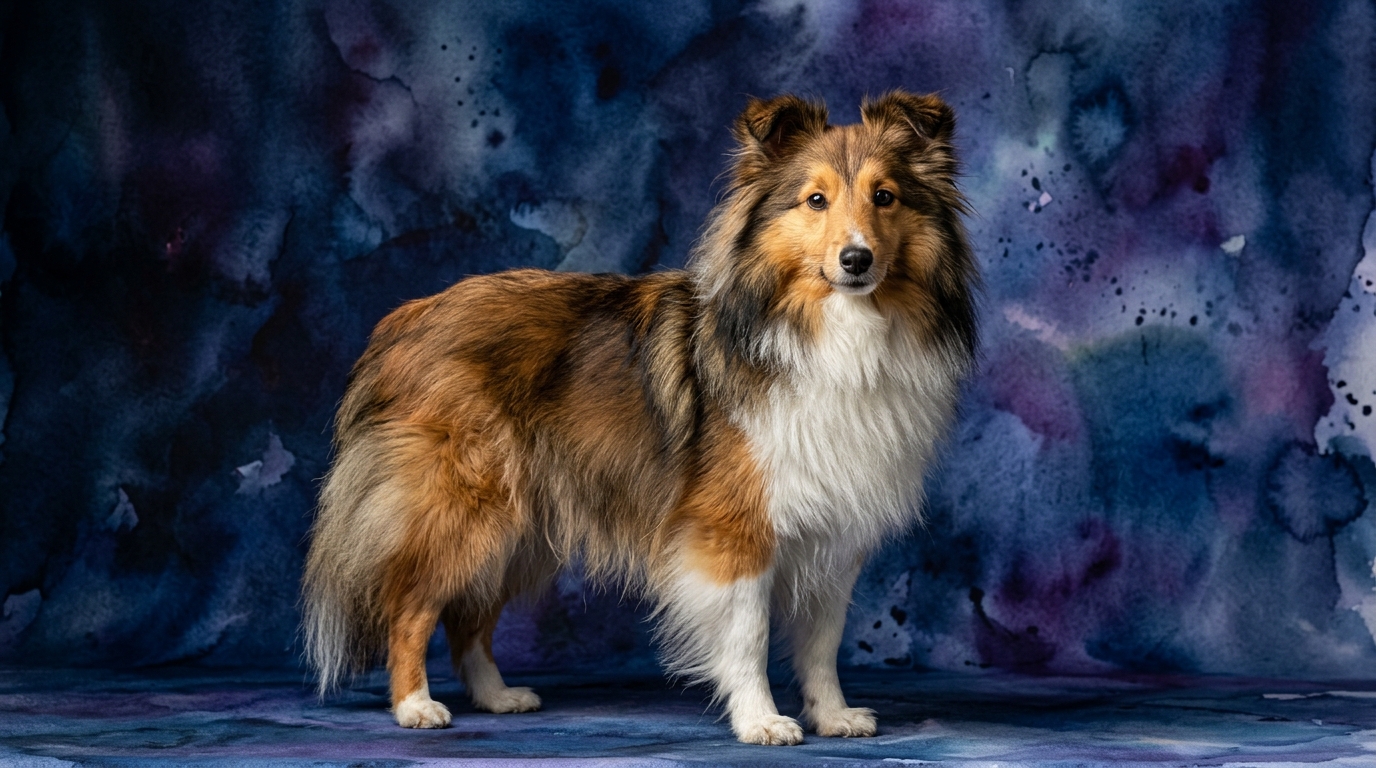
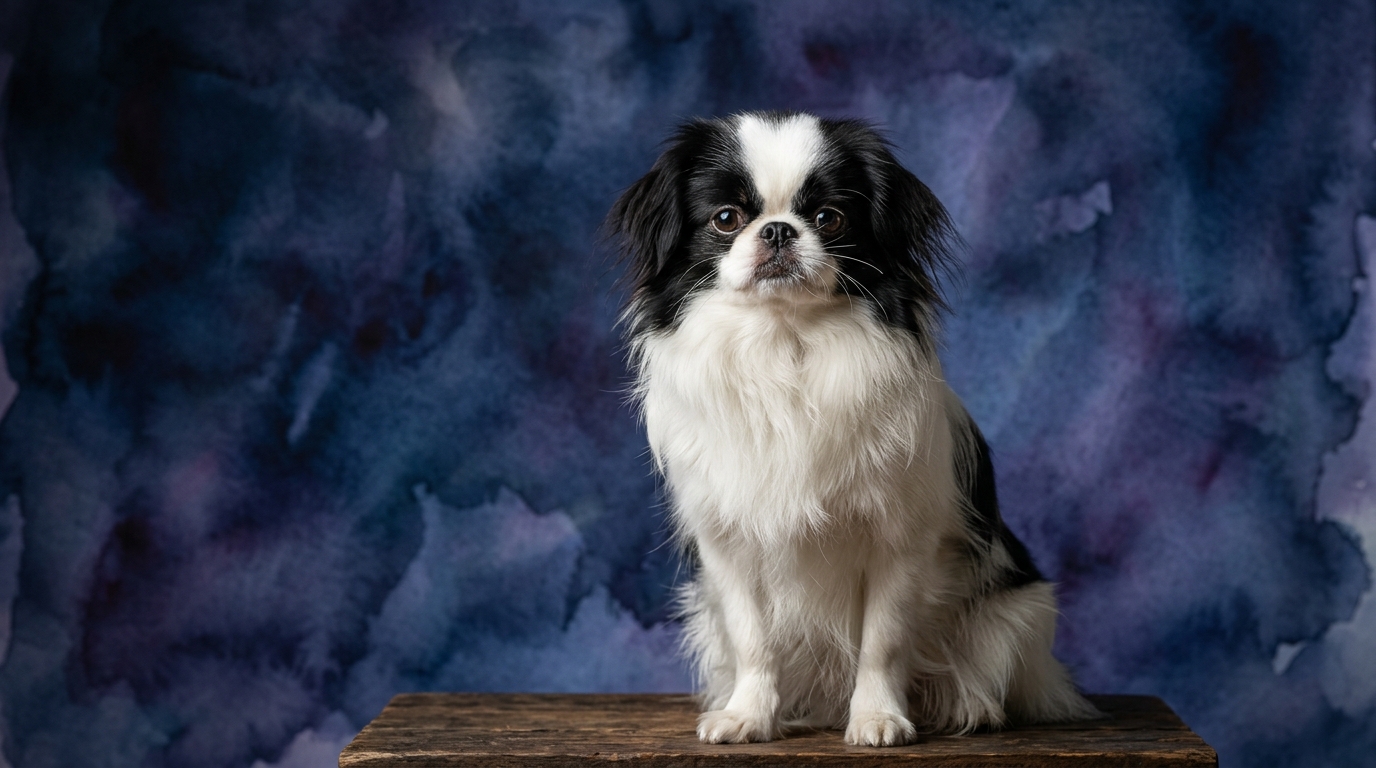
Side-by-Side Cognitive Profile: Sheltie vs. Chin
The Cosmic Pet Pet IQ Lab employs a five-dimensional framework to evaluate a breed's cognitive landscape. For the Shetland Sheepdog, a breed originating from the rugged Shetland Islands with a clear working role, its profile reflects a highly engaged and adaptable mind. Its problem Solving score of 4/5 indicates an aptitude for analyzing novel situations and devising effective solutions, often independently. The Sheltie's training Speed, an impressive 5/5, points to a rapid grasp of new commands and complex sequences, showcasing a keen desire to learn and cooperate. Social Intelligence, rated 4/5, suggests a nuanced understanding of human cues and social dynamics, allowing for deep, responsive bonds. An Instinctive Drive of 5/5 underscores its strong herding predispositions, a persistent urge to gather, patrol, and organize. Finally, a Memory score of 5/5 means the Sheltie retains intricate information and learned behaviors over extended periods, contributing to its reliability in tasks.
In contrast, the Japanese Chin, a breed steeped in centuries of aristocratic companionship, presents a different, yet equally valid, cognitive blueprint. Its problem Solving capacity, at 3/5, indicates a practical approach to challenges, often preferring to seek human assistance or rely on established routines rather than intricate independent strategizing. The Chin's training Speed, also 3/5, suggests it is capable of learning but may require more consistent repetition and positive reinforcement to solidify new behaviors compared to more driven breeds. Social Intelligence, at 3/5, reflects a capacity for strong, affectionate bonds with its inner circle, though it might be less inclined to interpret complex social signals from strangers. An Instinctive Drive of 3/5 signifies a primary focus on comfort and companionship, with less inherent motivation for work-oriented tasks. Its Memory score of 3/5 means the Chin effectively recalls routines and familiar faces, but perhaps not the extensive, multi-step sequences a herding dog might master.
Where the Shetland Sheepdog Excels Cognitively
The Shetland Sheepdog's cognitive strengths are deeply rooted in its heritage as a working animal. Its superior problem Solving (4/5) allows it to navigate complex environments, whether figuring out how to retrieve a toy from an inaccessible spot or adapting to new agility course layouts. This breed's remarkable training Speed (5/5) means it can pick up new commands with astonishing quickness, often anticipating what is expected after just a few repetitions. This makes them exceptional candidates for advanced obedience, rally, or canine freestyle. The combination of high Instinctive Drive (5/5) and Memory (5/5) allows Shelties to excel in tasks requiring sustained focus and the recall of long sequences, such as herding trials where they must remember intricate patterns and commands to manage livestock effectively. Their social intelligence also enables them to form a highly collaborative partnership, reading their handler's subtle body language and responding with precision, a hallmark of their Coren ranking at #6 among dog breeds.
Where the Japanese Chin's Cognition Shines
While the Japanese Chin's scores might appear lower across the board when compared to a working breed, its cognitive profile is perfectly adapted for its primary role: devoted companionship. Its 3/5 in problem Solving, for instance, translates to a less independent, more collaborative approach, often preferring to engage its human family for solutions rather than attempting complex solo endeavors. This fosters a strong sense of partnership and reliance. The Chin's 3/5 in Instinctive Drive is a significant advantage for owners seeking a calm household; it means less innate need for intense physical or mental exertion, making it genuinely content with a relaxed lifestyle. Its social intelligence, though not as high as a herding dog, is still robust enough to form incredibly deep, intuitive bonds with its chosen family, often anticipating their moods and offering quiet comfort. The Japanese Chin excels in the art of presence and affection, a cognitive specialization that prioritizes emotional connection over task mastery.
Training Dynamics: Sheltie's Eagerness vs. Chin's Charm
When it comes to training, the Shetland Sheepdog's 5/5 training Speed and 5/5 instinctive Drive make it a highly receptive and enthusiastic student. They genuinely enjoy the process of learning and respond rapidly to positive reinforcement, eager to engage in structured activities. A Sheltie is often motivated by praise, toys, or food, and its strong memory ensures that once a command is learned, it is retained. This breed's behavioral tendencies include a natural inclination to please and work alongside their human partners, making complex training routines, such as those for agility or competitive obedience, a rewarding experience for both dog and owner. They thrive on mental stimulation and can become restless if their cognitive needs are not met through consistent training and engagement.
The Japanese Chin, with its 3/5 training Speed and 3/5 instinctive Drive, requires a different approach. While perfectly capable of learning basic obedience and house manners, their motivation often stems from a desire for connection and comfort rather than a drive to perform complex tasks. Training sessions should be kept short, positive, and fun, focusing on building a bond and using high-value rewards. They may not grasp new concepts as quickly as a Sheltie, requiring more patience and repetition. Their behavioral tendencies lean towards being charming and affectionate, and they respond best to gentle encouragement rather than strict demands. Owners should aim for consistency in a low-pressure environment, understanding that the Chin's goal is often to be a cherished companion, not a performance athlete.
Matching Breeds to Lifestyles: Active Engagement vs. Relaxed Companionship
The cognitive profiles of these two breeds clearly delineate their suitability for different owner lifestyles. The Shetland Sheepdog, with its high scores in problem Solving, training Speed, instinctive Drive, and memory, thrives with active, engaged owners. They are a suitable choice for individuals or families who enjoy outdoor activities, are keen on dog sports like agility, obedience, or herding, or simply desire a canine partner deeply involved in daily routines. Their inherent drive means they benefit significantly from consistent mental and physical challenges, making them an excellent fit for someone seeking a collaborative and responsive companion for a dynamic life. Owners who appreciate a dog that is always ready for the next challenge and can learn new tricks with enthusiasm will find a Sheltie to be a truly fulfilling partner.
Conversely, the Japanese Chin, with its moderate cognitive scores and lower instinctive Drive, is an ideal match for owners seeking a more relaxed pace of life. They are content with gentle walks, indoor play, and, most importantly, ample cuddle time. Their cognitive makeup is geared towards intimate companionship, making them perfect for individuals or families who prioritize a calm, affectionate presence over a high-energy working partner. They do not demand intense mental stimulation or extensive physical exercise, making them well-suited for apartment living or for owners with less active lifestyles. Those who cherish a devoted lap dog, appreciate a breed that is generally quiet and clean, and desire a companion whose primary goal is to share their space and affection, will find the Japanese Chin to be an exquisite fit.
The Verdict
Choose the Shetland Sheepdog if you desire a highly trainable, mentally agile partner for an active lifestyle, eager to learn and engage in varied activities.
Opt for the Japanese Chin if you seek a devoted, calm, and affectionate companion whose primary joy is sharing quiet moments and offering gentle presence.
🧠 Find Your Pet's IQ Score
Our Pet IQ Lab assessment covers 25+ tests across 5 cognitive dimensions — personalized to your breed.
Take the Full IQ Test →Frequently Asked Questions
Is a Shetland Sheepdog difficult to manage due to its high instinctive drive?
While their 5/5 instinctive drive means Shelties possess a strong herding instinct, this trait is highly manageable and often channeled into positive outlets like dog sports or structured training. Consistent mental and physical engagement helps direct this drive productively, preventing boredom or unwanted behaviors.
Do Japanese Chins require less mental stimulation than Shetland Sheepdogs?
Yes, their 3/5 problem solving and instinctive drive indicate a lower demand for intense mental stimulation compared to the Sheltie. Japanese Chins thrive on social interaction and gentle play, preferring companionship and comfort over complex puzzles or rigorous training regimens.
Which breed is better for first-time dog owners?
The 'better' breed depends entirely on the owner's lifestyle and expectations. A Shetland Sheepdog suits first-time owners willing to commit to consistent training and activity, while a Japanese Chin is ideal for those seeking a more relaxed, less demanding companion that thrives on affection and a calmer routine.