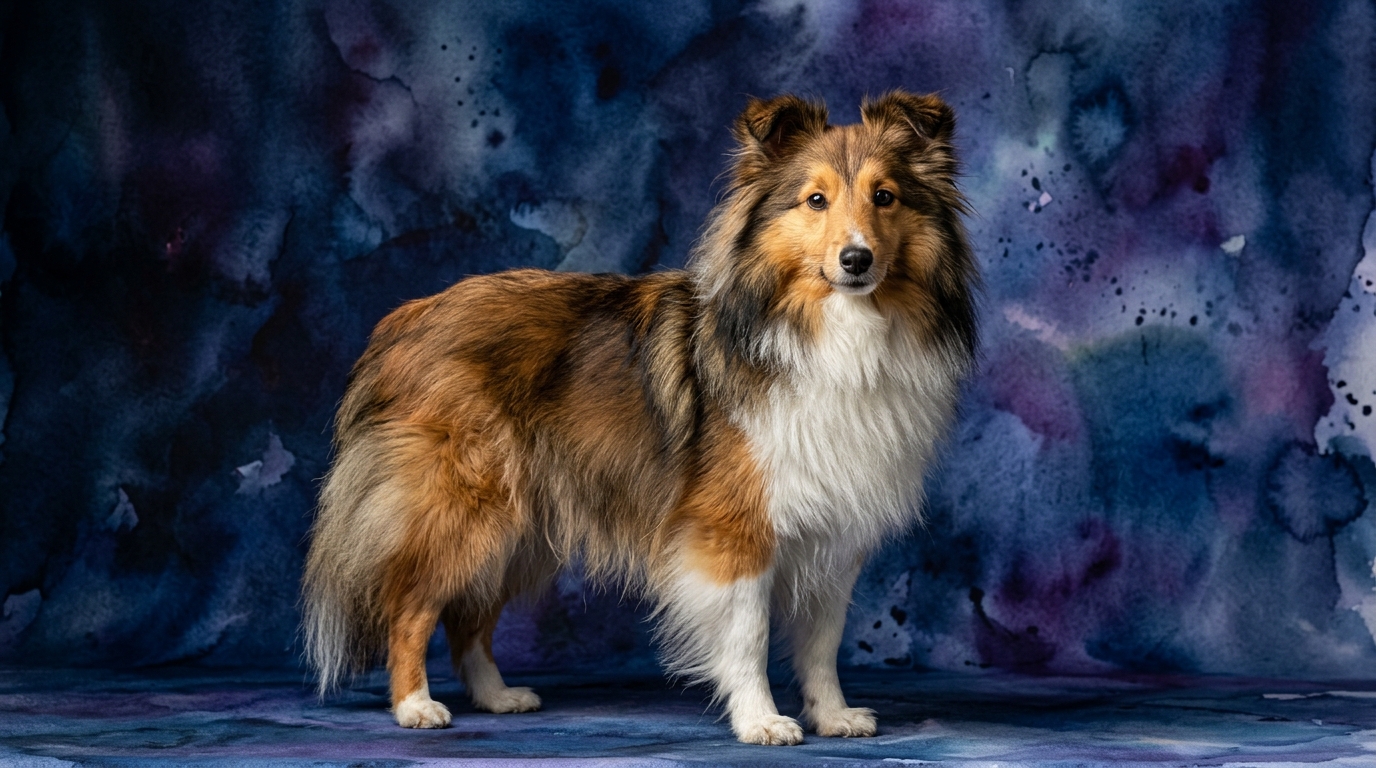
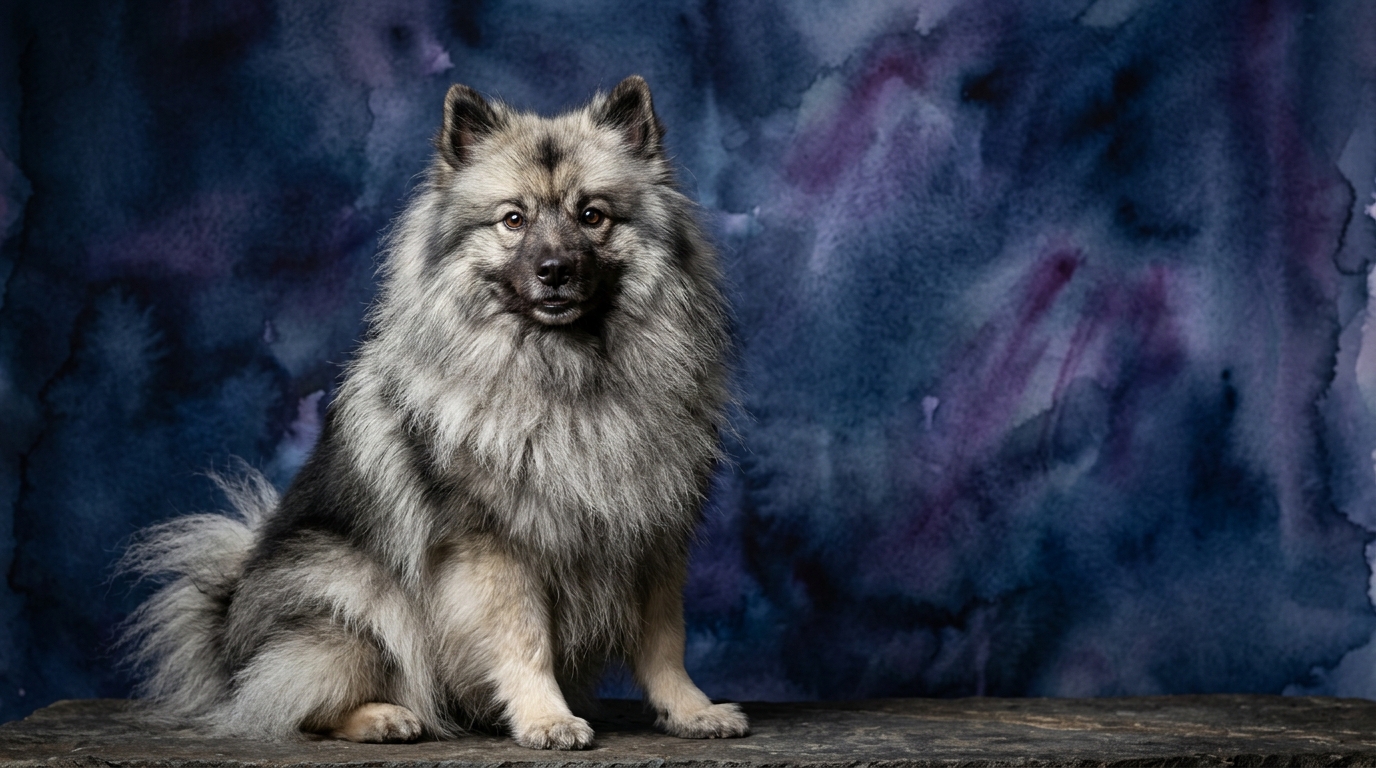
Side-by-Side IQ Profile: Shetland Sheepdog vs. Keeshond
The Cosmic Pet Pet IQ Lab's framework allows for a detailed comparison, moving beyond general perceptions to specific cognitive strengths. Understanding these dimensions provides clarity on what each breed brings to a home.
For the Shetland Sheepdog, its Problem Solving score of 4/5 indicates a strong capacity for navigating novel situations and devising solutions, often applying quick thinking to complex tasks. Its Training Speed is rated at an exceptional 5/5, meaning Shelties grasp new instructions and behaviors with minimal repetition, eager to engage in intricate learning sequences. Social Intelligence, at 4/5, reflects a refined capacity to interpret human moods and intentions, enabling them to respond sensitively to their family's emotional landscape. The Sheltie's Instinctive Drive is a robust 5/5, manifesting as a strong desire for purpose and structured activity, reflecting their historical role in managing livestock. Finally, their Memory is superb at 5/5, demonstrating excellent recall of commands, routines, and past experiences with impressive accuracy over time.
The Keeshond also scores well in Problem Solving, earning a 4/5, indicating a strong ability to tackle mental challenges and figure out practical solutions, often with a clever, independent approach. Their Training Speed is a commendable 4/5; while proficient learners, Keeshonden typically require slightly more consistent reinforcement or repetition compared to the Sheltie to solidify new commands. Social Intelligence for the Keeshond is 3/5, suggesting their understanding is geared towards strong, affectionate bonds with their immediate human family, though they may be less attuned to the subtle social cues of a broader group. Their Instinctive Drive is moderate at 3/5, focused more on companionship, vigilance, and playful interaction rather than intense, task-specific work. Like the Sheltie, Keeshonden possess an excellent Memory at 5/5, reliably recalling people, places, and established routines, contributing to their steadfast companionship.
Where the Shetland Sheepdog Excels Cognitively
The Shetland Sheepdog's cognitive advantages are deeply rooted in its herding heritage, emphasizing responsiveness, acute social awareness, and a profound desire for engagement. Its perfect 5/5 Training Speed means Shelties are often described as 'one-try learners,' quickly connecting commands to actions, which makes them highly adaptable to complex obedience, agility, or rally sport endeavors. This rapid acquisition is not just about speed; it's about an eagerness to collaborate and an intrinsic motivation to get things 'right' from their human companion's perspective.
Complementing this is their 4/5 Social Intelligence. A Sheltie is keenly observant of human body language, tone of voice, and even subtle shifts in mood. This allows them to anticipate needs and respond appropriately, whether it's offering comfort or preparing for a new task. This sophisticated social understanding, combined with their 5/5 Instinctive Drive, means Shelties thrive on having a 'job,' even if that job is learning new tricks or managing the household's social dynamics. Their drive isn't just about physical activity; it's a mental need for purpose and direction, making them exceptional partners for active, engaged owners who appreciate a dog that thinks alongside them.
The Sheltie's 5/5 Memory further solidifies these strengths. They not only learn quickly but retain vast amounts of information, from complex multi-step commands to the nuances of their daily routine and past experiences. This exceptional recall ensures that once a behavior or command is learned, it is reliably stored, allowing for continuous advancement in training and a consistent, predictable companion in established routines. Their cognitive profile leans heavily towards a highly trainable, socially perceptive, and driven companion.
Where the Keeshond's Cognitive Profile Shines
While the Keeshond's scores might not reach the Sheltie's peak in every dimension, its cognitive profile offers distinct advantages for specific lifestyles, particularly in its balance of independence and companionability. The Keeshond's 4/5 Problem Solving ability is a significant strength, indicating a clever mind capable of figuring out solutions to environmental challenges or personal desires, often with a resourceful flair. This can manifest as ingenious ways to get attention, open doors, or navigate household obstacles, showcasing a thoughtful, if sometimes mischievous, approach to their world.
The Keeshond's 3/5 Instinctive Drive, while lower than the Sheltie's, can be an asset for owners seeking a less intensely task-oriented companion. This moderate drive means Keeshonden are generally content with a blend of family interaction, regular walks, and mental enrichment without the constant demand for a 'job' that a herding breed might exhibit. They are less prone to developing stress-related behaviors if not constantly challenged with complex tasks, offering a more relaxed mental energy requirement for their human companions. This temperament allows them to be wonderfully adaptable to various home environments, from apartments to larger homes, as long as their need for companionship is met.
Furthermore, the Keeshond's 3/5 Social Intelligence, while not as nuanced as a Sheltie's, translates into a straightforward, devoted affection for their immediate family. They form deep, unwavering bonds without the potential for overthinking complex group dynamics that a higher social intelligence might sometimes entail. This often results in a dog that is incredibly loyal and present with their chosen people, valuing direct, loving interaction. Their perfect 5/5 Memory ensures they never forget their family members, established routines, or positive experiences, contributing to their reputation as steadfast and reliable companions who cherish their bond.
Training Dynamics: Which is Easier and Why?
When considering ease of training, the Shetland Sheepdog generally presents a more straightforward experience due to its exceptional 5/5 Training Speed and high 5/5 Instinctive Drive. Shelties, ranking #6 in Coren's intelligence scale, are bred to work closely with humans, responding to subtle cues and processing commands rapidly. This means fewer repetitions are needed for a Sheltie to understand and consistently perform a new behavior. Their strong desire to engage and please their handler, coupled with their inherent focus, makes them incredibly receptive to positive reinforcement methods and quick to advance through training levels. Behavioral differences include a natural inclination towards precision and an eagerness to anticipate the next command, making them stars in competitive dog sports.
The Keeshond, while still a capable learner with a 4/5 Training Speed and Coren rank #16, requires a slightly different approach. Their Non-Sporting heritage means they were historically companion and watchdogs, not livestock managers, leading to a cognitive style that can be more independent. While they grasp concepts well, they might require more consistent, varied motivation and slightly more repetitions to solidify a command. A Keeshond might evaluate the 'what's in it for me?' aspect more overtly than a Sheltie, meaning owners need to be engaging and creative to maintain their interest. They can sometimes exhibit a clever stubbornness, choosing to comply when it suits them, which isn't a lack of ability but a difference in cognitive drive and focus compared to the Sheltie's intense work ethic.
Suitability for Active vs. Relaxed Owners
For owners with an active lifestyle and a desire for a canine partner in various pursuits, the Shetland Sheepdog is often an ideal match. Their 5/5 Instinctive Drive and 4/5 Problem Solving mean they not only enjoy but truly thrive on mental and physical challenges. Shelties excel in dog sports like agility, obedience, flyball, and herding trials, where their rapid training speed and strong memory are invaluable. They require consistent mental engagement through training sessions, puzzle toys, and interactive play, alongside plenty of physical exercise. An owner who can provide structured activities and a sense of purpose will find the Sheltie to be an incredibly devoted and fulfilling companion, eager to participate in every adventure.
Conversely, the Keeshond's cognitive profile makes it well-suited for owners seeking a more relaxed, yet still engaging, companion. While they benefit from regular walks and playtime, their 3/5 Instinctive Drive means they are generally content with a moderate amount of physical activity and do not demand constant, intense mental work to prevent boredom. Their 4/5 Problem Solving and 5/5 Memory ensure they are still clever and responsive, enjoying puzzle toys and learning new tricks at a comfortable pace. Keeshonden are deeply family-oriented, and their primary 'job' is often being a vigilant and affectionate presence. Owners who appreciate a dog that is happy to cuddle on the couch after a walk, but still engages in smart, playful interactions, will find the Keeshond's balanced cognitive needs a perfect fit for a less adrenaline-fueled household.
The Verdict
Choose the Shetland Sheepdog if you're an active owner seeking a highly trainable, driven partner for dog sports, complex obedience, and a deeply interactive cognitive bond.
Opt for the Keeshond if you desire a clever, affectionate companion with a more moderate activity level, valuing steadfast loyalty and a straightforward, devoted presence in your home.
🧠 Find Your Pet's IQ Score
Our Pet IQ Lab assessment covers 25+ tests across 5 cognitive dimensions — personalized to your breed.
Take the Full IQ Test →Frequently Asked Questions
Do Shetland Sheepdogs need constant mental stimulation?
Yes, Shelties, with their 5/5 Instinctive Drive and 4/5 Problem Solving, require consistent mental engagement. Without appropriate challenges, their sharp minds can lead to boredom and potentially undesirable behaviors, so daily puzzle toys, training, or interactive play are essential.
Are Keeshonden easy to house train given their memory score?
Keeshonden, with their 5/5 Memory and 4/5 Training Speed, are generally quite easy to house train. They quickly remember routines and where they are expected to relieve themselves, making consistent scheduling and positive reinforcement highly effective for successful potty training.
Which breed is better with children from a social intelligence perspective?
The Shetland Sheepdog's 4/5 Social Intelligence makes them generally perceptive to children's cues, often adapting well to family dynamics. The Keeshond's 3/5 Social Intelligence means they are devoted to their family, including children, but may be less nuanced in interpreting subtle social signals, so supervision and teaching children appropriate interaction are always important for both breeds.