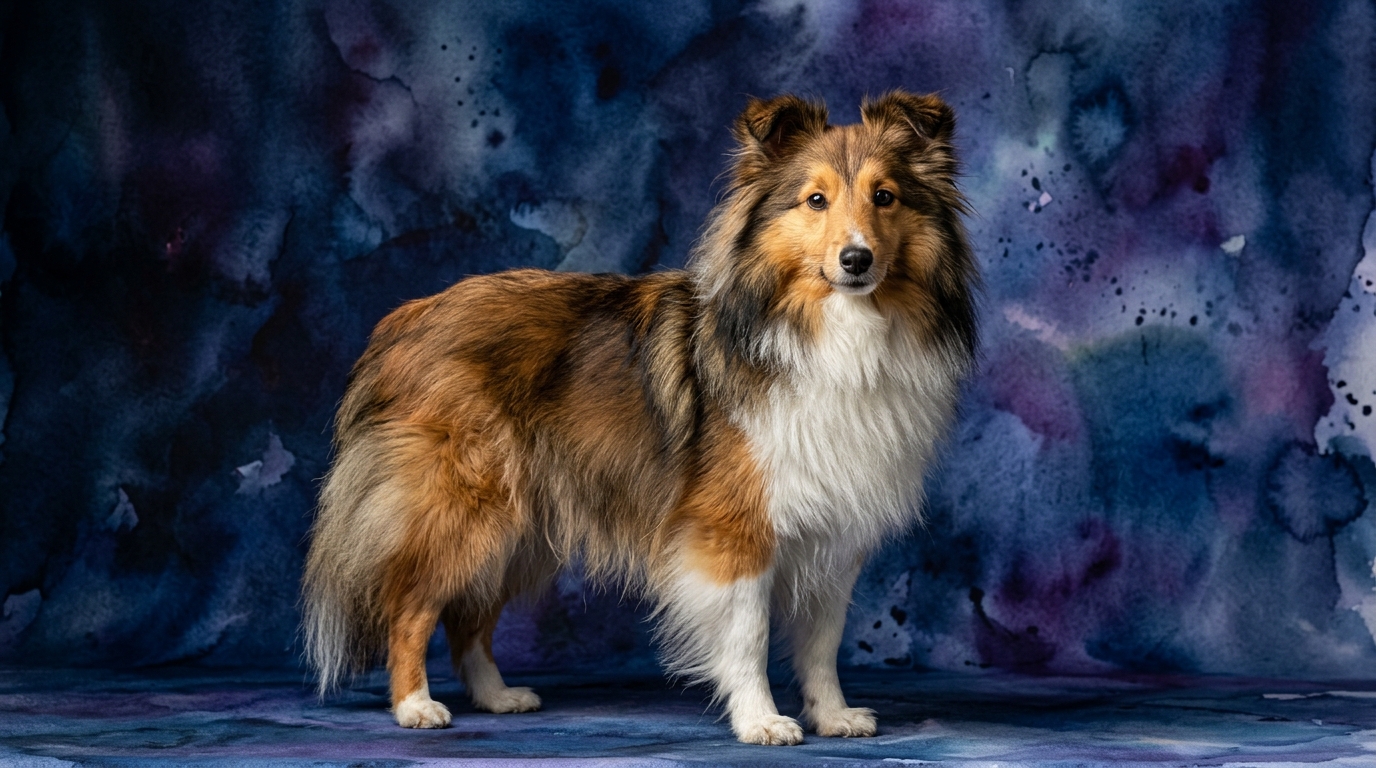
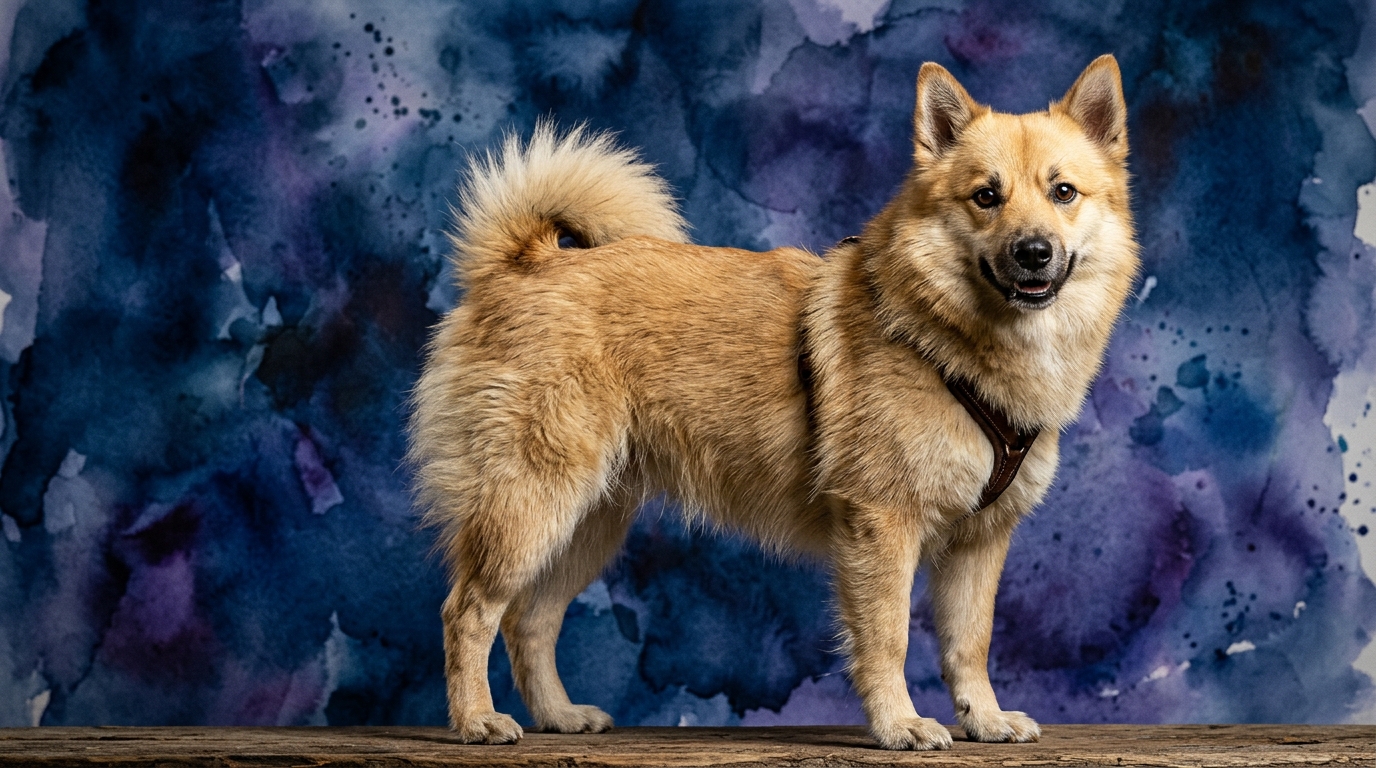
A Side-by-Side Cognitive Profile
The Cosmic Pet Pet IQ Lab employs a five-dimensional framework to assess canine intelligence, providing a nuanced understanding beyond simple obedience. For the Shetland Sheepdog, a breed often lauded for its mental dexterity, its scores paint a picture of sharp, eager-to-please cognition. Its Problem Solving capability stands at 4/5, indicating a strong aptitude for navigating new situations and figuring out solutions to environmental challenges. Training Speed is exceptional at 5/5, reflecting a rapid grasp of commands and a desire for structured learning. Social Intelligence is robust at 4/5, suggesting a keen awareness of human cues and emotional states. An Instinctive Drive of 5/5 highlights its potent herding behaviors and focused work ethic, while its Memory, also 5/5, ensures learned lessons and experiences are retained with impressive longevity. This comprehensive profile aligns with its Coren rank of #6, placing it among breeds that demonstrate significant working and obedience intelligence.
In contrast, the Norwegian Buhund, while sharing the herding group classification, presents a different cognitive signature, currently not Coren-ranked but evaluated through our empirical observations. Its Problem Solving score is 3/5, indicating a practical, rather than abstract, approach to challenges, relying on persistence and experience. Training Speed is 3/5, suggesting a need for consistent, patient repetition, though once a lesson is ingrained, it tends to be quite stable. Social Intelligence also registers at 3/5, pointing to a confident, self-assured nature that is affectionate but perhaps less overtly attuned to subtle human shifts than the Sheltie. Its Instinctive Drive is 3/5, meaning it possesses herding and guarding tendencies, but perhaps with less intensity or refined focus than its Sheltie counterpart. Finally, its Memory score of 3/5 indicates solid retention, though perhaps requiring more reinforcement initially. These scores collectively describe a capable, resilient dog with a more independent cognitive style.
Shetland Sheepdog: A Cognitive Dynamo
The Shetland Sheepdog's cognitive strengths are evident across the board, making it a particularly agile and responsive companion. Its 4/5 Problem Solving ability means a Sheltie can quickly assess unfamiliar situations, adapting its behavior to achieve desired outcomes, whether it's figuring out how to open a gate or navigating a complex agility course. This cognitive flexibility allows them to excel in dynamic environments where quick thinking is paramount. The 5/5 Training Speed is perhaps its most distinguishing feature; these dogs absorb new commands with remarkable alacrity, often requiring only a few repetitions before mastery. This rapid acquisition makes them a joy to train, capable of learning extensive repertoires of tricks and obedience commands.
A Sheltie's 4/5 Social Intelligence translates to a perceptive understanding of human emotions and intentions, allowing them to form deep, responsive bonds. They often anticipate their owner's needs or moods, offering comfort or initiating play at just the right moment. The 5/5 Instinctive Drive fuels their intense focus and work ethic, making them dedicated to tasks, whether it's herding livestock or performing intricate obedience routines. This drive, combined with a 5/5 Memory, ensures that once a Sheltie learns a skill or remembers a past experience, it sticks, forming a reliable foundation for future interactions and training. Their exceptional memory allows them to recall complex sequences of commands or past environmental cues, proving invaluable in advanced dog sports or real-world problem-solving.
Norwegian Buhund: Robust and Resilient Cognition
While the Norwegian Buhund's scores are generally lower than the Sheltie's, they represent a different, equally valuable set of cognitive strengths centered on robustness and independent thought. Its 3/5 Problem Solving capability means a Buhund approaches challenges with a practical, persistent mindset. They might not solve a puzzle as quickly as a Sheltie, but they will methodically work through it, often employing physical solutions rather than abstract reasoning. This makes them resourceful in a self-reliant way, less prone to frustration if immediate solutions aren't obvious. The 3/5 Training Speed indicates that while they learn, they require clear, consistent instruction and positive reinforcement, taking their time to fully internalize commands. This deliberate learning can be an asset, as behaviors learned are often deeply ingrained and reliable.
The Buhund's 3/5 Social Intelligence reflects a confident, self-assured disposition. They are affectionate and loyal to their families but do not typically display the same level of eager-to-please deference as a Sheltie. They appreciate companionship but maintain a degree of independence, which can lead to a less 'needy' dynamic. Their 3/5 Instinctive Drive manifests as a strong sense of alertness and a natural inclination towards guarding and watchful behavior, rather than the intense, focused herding of the Sheltie. This makes them excellent alarm dogs and protective family members. Finally, their 3/5 Memory score ensures that while they might take longer to learn, once a lesson or experience is recorded, it is retained solidly, contributing to their reliable and consistent temperament once trained.
Training Trajectories: Sheltie's Zest vs. Buhund's Steadfastness
When considering training, the differences between these two breeds become particularly apparent, largely driven by their distinct cognitive profiles. The Shetland Sheepdog, with its 5/5 Training Speed and 5/5 Memory, is a trainer's dream for those who enjoy rapid progress and complex routines. Shelties are highly responsive to verbal cues and body language, often anticipating commands before they are fully given. Their eagerness to please and high social intelligence (4/5) mean they thrive on positive reinforcement and consistent, engaging training sessions. However, their quick learning also means they can pick up undesirable behaviors just as rapidly if not properly guided, demanding an owner who is attentive and consistent from the outset. They require mental stimulation to prevent boredom, which can manifest as excessive barking or destructive chewing.
The Norwegian Buhund, with its 3/5 Training Speed and 3/5 Memory, requires a different approach. These dogs are intelligent but possess a more independent spirit, which can sometimes be perceived as stubbornness. They respond best to patient, consistent training methods that clearly demonstrate the purpose of a command. While they may take more repetitions to learn a new skill, once a Buhund understands and accepts a command, they perform it with steadfast reliability. Their moderate instinctive drive means they can be distracted by environmental stimuli more readily than a highly focused Sheltie, so training environments should be managed. Owners must establish clear leadership and use positive reinforcement to build trust and cooperation, as a heavy-handed approach will likely meet resistance from their self-assured nature. They are less prone to neurotic habits picked up quickly, but their independent streak means they need to be convinced rather than just told.
Lifestyle Match: Active Engagement vs. Confident Companionship
Matching a dog's cognitive needs to an owner's lifestyle is crucial for a harmonious relationship. The Shetland Sheepdog, with its high Problem Solving (4/5), Training Speed (5/5), and Instinctive Drive (5/5), is best suited for active owners who relish consistent mental and physical engagement. These dogs thrive on structured activities like agility, obedience trials, flyball, or even complex trick training, which tap into their problem-solving abilities and intense focus. A Sheltie needs an owner who actively enjoys teaching, playing interactive games, and providing a constant stream of novel challenges to prevent boredom and channel their abundant mental energy. They are not content to be mere couch potatoes; their contentment comes from working alongside their human companions.
The Norwegian Buhund, while still an active breed, offers a different balance. Its moderate scores across the board (3/5 for Problem Solving, Training Speed, Instinctive Drive, and Memory) suggest a companion who appreciates activity but might not demand the same intensity or intricate mental challenges as a Sheltie. Buhunds enjoy outdoor adventures, hiking, and exploring, benefiting from regular exercise that allows them to use their bodies and senses. Their moderate instinctive drive makes them excellent companions for owners who enjoy an active lifestyle without needing to constantly 'work' their dog in a formal sense. They are content with a blend of physical activity, family time, and opportunities to fulfill their natural guarding instincts through watchful supervision. They suit owners who appreciate a confident, self-reliant dog that is a part of the family without requiring constant, directed mental stimulation.
The Verdict
Choose the Shetland Sheepdog if you seek a highly responsive, mentally agile companion eager for intricate training and constant engagement, thriving on a shared intellectual journey.
Opt for the Norwegian Buhund if you value a confident, resilient partner who, while requiring consistent training, offers a steadfast presence and enjoys a balance of activity and relaxed companionship.
🧠 Find Your Pet's IQ Score
Our Pet IQ Lab assessment covers 25+ tests across 5 cognitive dimensions — personalized to your breed.
Take the Full IQ Test →Frequently Asked Questions
Are Shetland Sheepdogs good for first-time owners?
Their eagerness to please and quick learning make them appealing, but their need for consistent mental stimulation and socialization means first-time owners must be committed to active training and engagement. They thrive with clear guidance and boundaries to prevent developing unwanted habits.
What kind of mental stimulation does a Norwegian Buhund need?
Norwegian Buhunds benefit from practical challenges like scent work, puzzle toys, and obedience training that reinforces their purpose-driven nature. While not as complex as a Sheltie's needs, consistent engagement prevents boredom and channel their independent spirit constructively.
How do their herding instincts differ in a home environment?
The Shetland Sheepdog's intense herding drive (5/5) might manifest as nipping at heels or circling family members, requiring careful management and redirection. The Norwegian Buhund's drive (3/5) is often expressed through watchful guarding and alerting, less prone to intense 'herding' of people or pets but still needing an outlet for their protective nature.