Side-by-Side IQ Profile: Sheltie vs. Otterhound
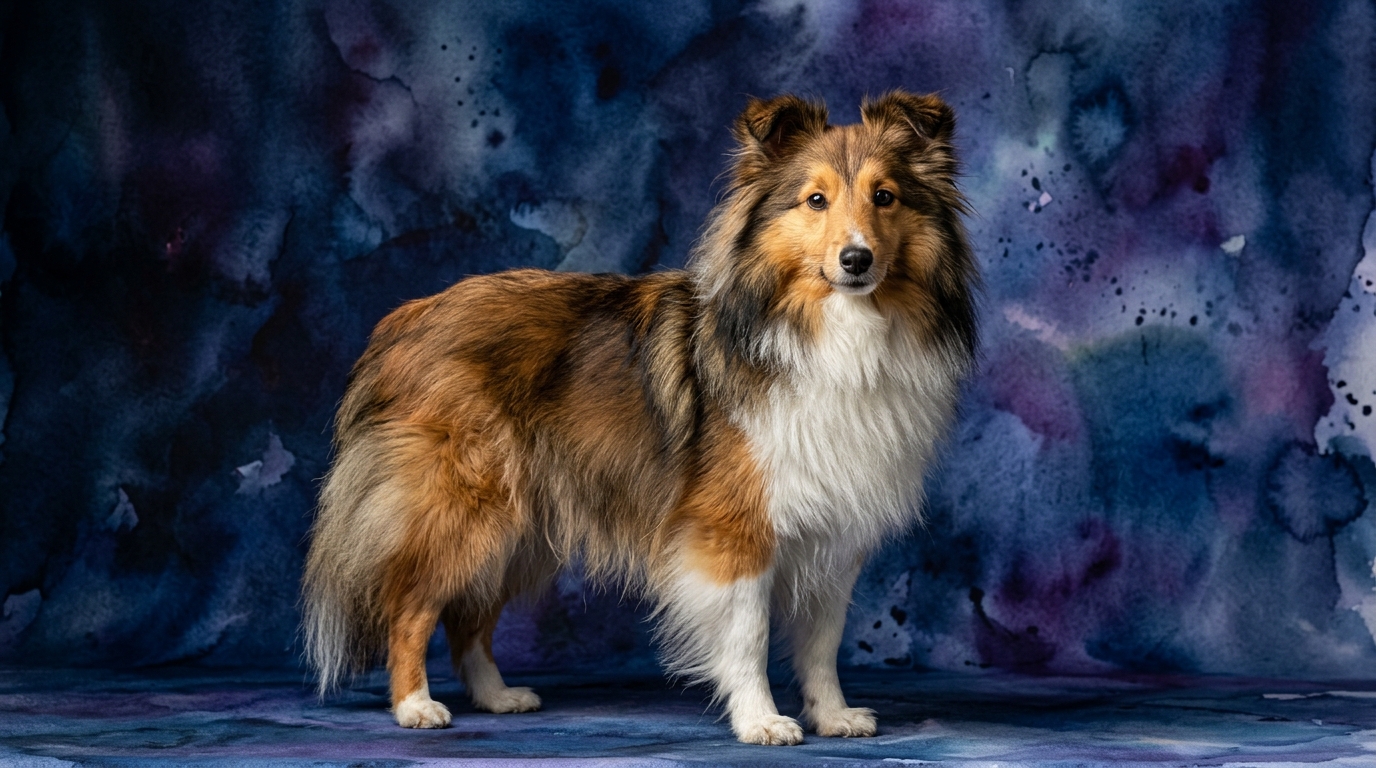
The Cosmic Pet Pet IQ Lab provides a unique lens through which to compare canine cognitive abilities, breaking intelligence down into five key dimensions. For the Shetland Sheepdog, a Herding breed Coren-ranked at #6, we see a profile geared towards rapid learning and strategic action. Their Problem Solving is rated 4/5, indicating a strong capacity for understanding complex tasks and finding inventive solutions. Training Speed is an exceptional 5/5, meaning they grasp new commands and routines with remarkable efficiency. Social Intelligence is 4/5, reflecting their ability to read human cues and form empathetic bonds. Their Instinctive Drive, rated 5/5, is profoundly rooted in herding, manifesting as a desire to gather and control. Lastly, Memory is also 5/5, contributing significantly to their training prowess and reliability.
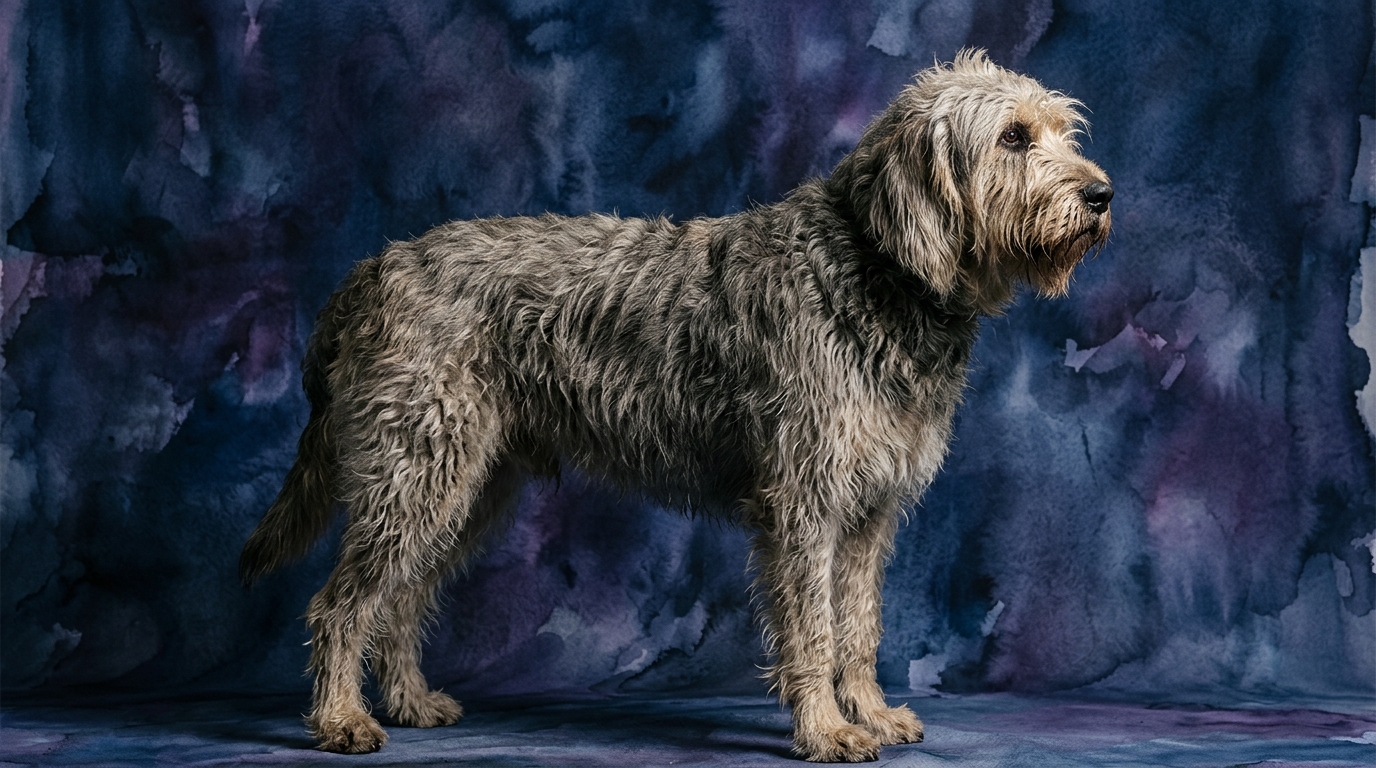
In contrast, the Otterhound, a robust Hound breed not Coren-ranked, presents a profile specialized for its ancient purpose of tracking. Their Problem Solving is 3/5, indicating a more direct, persistence-driven approach, especially when following a scent. Training Speed is 3/5; they learn at a moderate pace, often requiring more repetition due to their independent nature. Social Intelligence is also 3/5; while affable, they may not interpret subtle human cues with the same nuance as a Sheltie. Their Instinctive Drive, rated 3/5, is powerfully focused on scent work, driving relentless pursuit of a trail. Memory is 3/5, functional for routines and familiar contexts, but perhaps not as sharp for complex sequences as breeds with higher overall scores.
Where the Shetland Sheepdog Excels Cognitively
The Shetland Sheepdog's cognitive profile shines in areas demanding rapid assimilation of information and strategic thinking. Their problem-solving acumen, rated 4/5, allows them to quickly assess new situations and devise effective solutions, a trait honed by generations of managing livestock. This translates into a dog that can navigate complex household rules or puzzle toys with relative ease, often surprising owners with their ingenuity. Furthermore, their superior training speed (5/5) means they form associations between commands and actions almost instantly, making them exceptionally responsive to guidance. This quick processing power, combined with a 5/5 memory, enables them to build a vast repertoire of learned behaviors and recall them reliably, even after extended periods. Their social intelligence (4/5) also gives them an edge in understanding human intentions and emotional states, fostering a deeper, more nuanced communication with their families. They are adept at anticipating needs, often responding to subtle shifts in tone or body language, making them intuitive companions.
Where the Otterhound Excels Cognitively
While the Otterhound's general IQ scores might appear lower, their cognitive strengths are uniquely specialized and deeply impressive within their domain. The Otterhound excels in sustained, independent problem-solving driven by scent. Their instinctive drive (3/5) might not be as broad as a herding dog's, but it is intensely focused on tracking, allowing them to follow a cold trail for hours with unwavering determination. This isn't about rapid strategic thinking, but rather a profound capacity for single-minded perseverance and sensory discrimination, a form of intelligence that is invaluable in their historical role. Their problem-solving (3/5) often involves intricate scent puzzles in the real world, piecing together faint odors to locate a target, a task few other breeds can match. This specialized focus means they are less distracted by environmental stimuli unrelated to their primary drive, demonstrating a unique form of cognitive resilience and an ability to 'tune out' irrelevant information to concentrate on their olfactory mission.
Training: Sheltie's Responsiveness vs. Otterhound's Independence
Without question, the Shetland Sheepdog presents a significantly easier training experience for most owners. Their exceptional training speed (5/5) means they absorb new commands and routines with remarkable efficiency, often requiring only a few repetitions to solidify a behavior. This is further amplified by their strong instinctive drive (5/5) to please and cooperate, rooted in their herding heritage where precise responses to human signals were crucial for effective work. Shelties are highly motivated by praise and positive reinforcement, eagerly seeking to understand and execute what is asked of them. Their high social intelligence (4/5) allows them to quickly interpret human intentions and adjust their behavior accordingly. In contrast, the Otterhound's training speed (3/5) is more moderate, and their independent, scent-driven nature can make them less immediately responsive to commands. An Otterhound following a compelling scent trail might appear 'stubborn,' but they are simply prioritizing an ancient, powerful instinct over human instruction, requiring more consistent, patient, and engaging training methods to maintain focus.
Matching Breeds to Owner Lifestyles: Active vs. Relaxed
The Shetland Sheepdog is a clear fit for active owners who relish engaging their dog's mind and body. Their high instinctive drive (5/5) and problem-solving ability (4/5) mean they thrive on mental stimulation, such as agility, obedience, herding trials, or complex puzzle toys. They require regular, varied exercise that goes beyond a simple walk, benefiting from activities that allow them to use their natural herding instincts in a constructive way. A Sheltie with insufficient mental engagement can become bored and potentially develop undesirable behaviors. For relaxed owners, the Otterhound might initially seem like a less demanding choice due to their moderate IQ scores, but this is deceptive. While they enjoy lounging, their powerful instinctive drive (3/5) for scent work means they require consistent opportunities to explore and follow their nose. This often translates to long, meandering walks where they can engage their olfactory senses, or participation in scent work sports. A truly relaxed owner who isn't prepared for the Otterhound's deep-seated need to 'hunt' with its nose might find themselves with a dog prone to wandering or destructive behaviors if under-stimulated in this specific way. Neither breed is truly suited for a sedentary lifestyle without specific outlets for their core drives.
The Verdict
Opt for a Shetland Sheepdog if you seek a highly trainable, responsive companion eager to engage in complex activities and form a deeply intuitive bond. They thrive with owners who enjoy consistent mental challenges and interactive play.
Select an Otterhound if you appreciate a good-natured, independent companion with an extraordinary nose, and are prepared to support their powerful instinct for scent exploration. Owners who enjoy long, investigative walks or scent work will find a fulfilling partnership.
🧠 Find Your Pet's IQ Score
Our Pet IQ Lab assessment covers 25+ tests across 5 cognitive dimensions — personalized to your breed.
Take the Full IQ Test →Frequently Asked Questions
Are Shetland Sheepdogs good family dogs?
Yes, Shetland Sheepdogs typically make excellent family dogs due to their social intelligence and loyalty, often forming strong bonds with children and other pets. They are gentle and protective, though early socialization is always beneficial to ensure they are comfortable with various people and situations.
Do Otterhounds bark a lot?
Otterhounds are hounds, and they do possess a deep, booming bark and bay, especially when they are excited, tracking a scent, or feel the need to alert their family. While not incessant, their vocalizations can be substantial and owners should be prepared for this characteristic sound.
What kind of exercise does a Shetland Sheepdog need?
A Shetland Sheepdog requires a combination of physical exercise and mental stimulation, including daily walks, playtime, and activities like agility, obedience training, or puzzle toys. Their herding background means they thrive on having a 'job' and benefit from engaging their minds consistently.