Side-by-Side IQ Profile: Unpacking Cognitive Dimensions
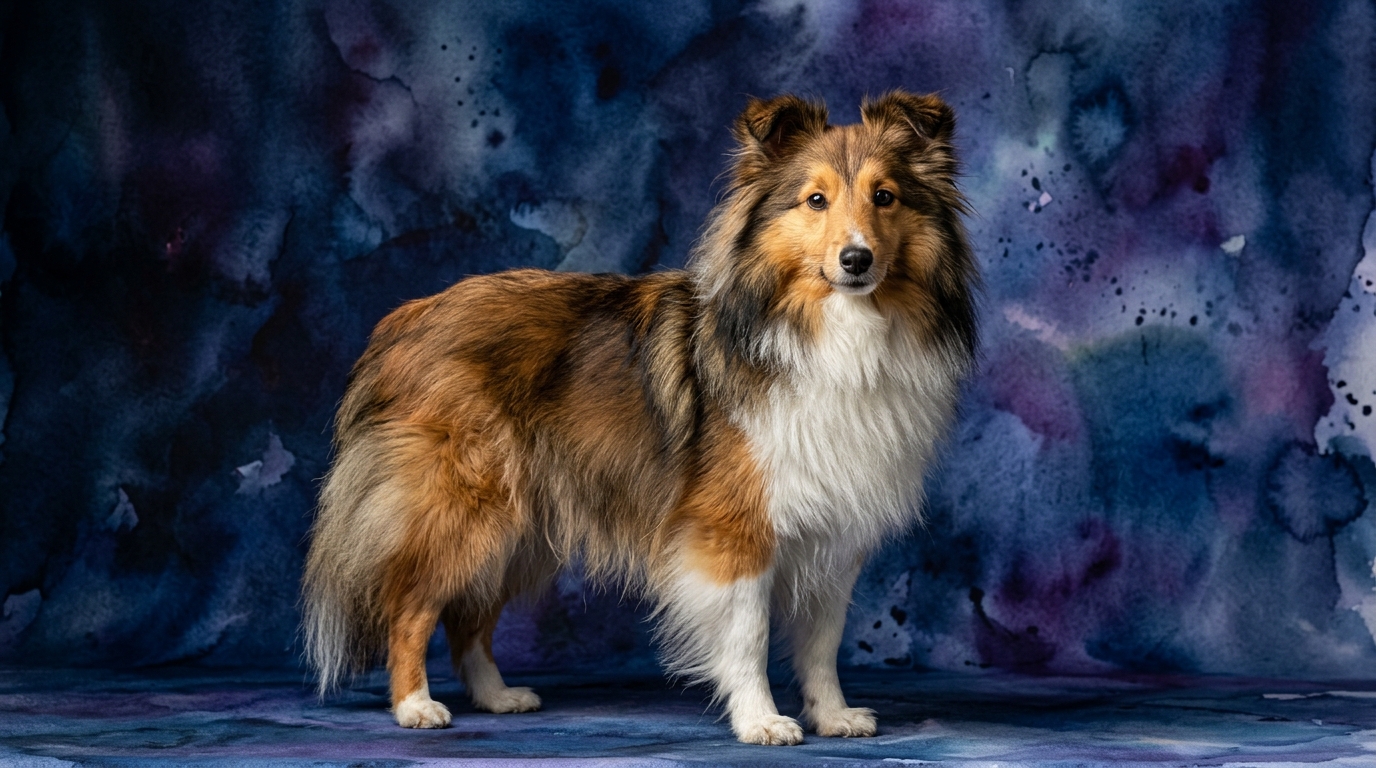
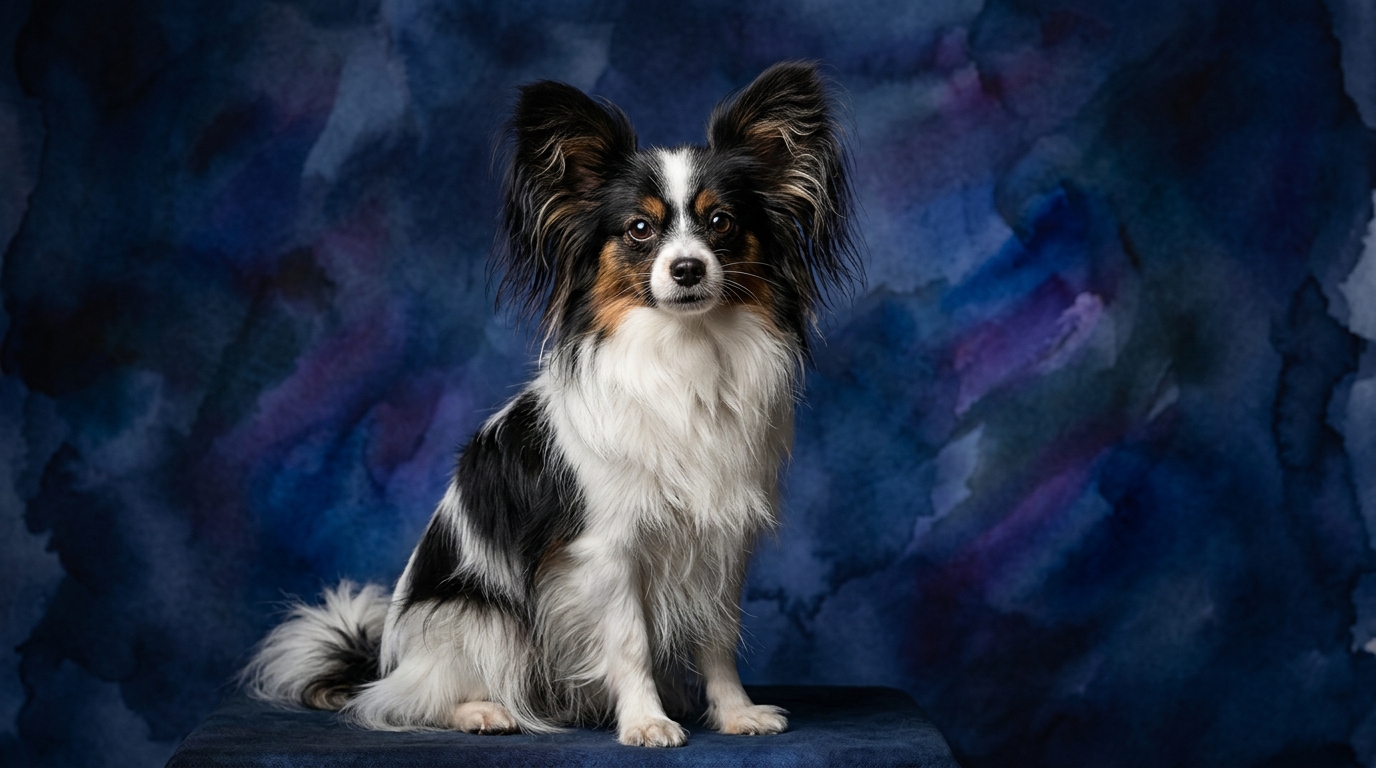
The Cosmic Pet Pet IQ Lab's framework offers a granular view into what makes each breed's mind tick, moving beyond simple rankings to reveal specific strengths. The Shetland Sheepdog, a Herding breed, ranks #6, while the Papillon, a Toy breed, is a remarkable #8. This proximity suggests both possess formidable cognitive abilities, though their application diverges.
Problem-solving sees the Papillon at a perfect 5/5, indicating an exceptional capacity to independently figure out novel challenges and adapt without direct instruction. The Sheltie, at 4/5, excels at executing complex tasks within defined frameworks, often tied to its herding heritage. Both breeds achieve 5/5 in training speed, absorbing new commands with impressive rapidity.
Social intelligence is 4/5 for both, reflecting a solid understanding of human cues, allowing for strong bonds. Memory is also a shared 5/5, implying excellent retention of learned commands and routines. The most significant divergence is instinctive drive: the Sheltie scores a dominant 5/5, reflecting its deep-seated desire to herd and control movement. The Papillon scores 3/5, indicating moderate innate behaviors, less driven by working impulses and more by companionship. This difference in intrinsic motivation underpins many distinctions.
Where the Shetland Sheepdog Wins Cognitively
The Shetland Sheepdog's cognitive edge lies squarely in its profound instinctive drive, rated at 5/5, a dimension where it significantly surpasses the Papillon. This isn't merely about chasing; it's a complex, innate understanding of patterns, movement, and spatial awareness critical for herding. Shelties demonstrate an unparalleled ability to anticipate actions and execute precise maneuvers to guide and control. Their problem-solving, while 4/5, is intrinsically linked to these drives, allowing them to solve dynamic, real-world challenges related to their "job" with focused intensity and remarkable autonomy. This deep-seated drive also fuels their sustained focus and endurance in mentally demanding tasks, making them exceptional partners for owners who appreciate a dog with purpose and mental fortitude.
Where the Papillon Wins Cognitively
The Papillon's true cognitive triumph is its exceptional problem-solving ability, earning a perfect 5/5, an area where it outshines the Shetland Sheepdog. This isn't just about learning tricks; it's an inherent curiosity and an impressive capacity for abstract thought and independent strategizing. Papillons are adept at figuring out puzzle toys or navigating complex environments, often demonstrating creative and novel solutions. Their minds are wired for discovery and intellectual engagement, thriving on mental challenges requiring innovative thinking. This superior problem-solving, complemented by their 5/5 memory and 5/5 training speed, allows them to not only quickly grasp new concepts but also retain a vast repertoire of unique behaviors, making them wonderfully engaging companions for those who enjoy teaching novel behaviors and providing diverse mental enrichment.
Which is Easier to Train and Why
Both breeds boast an impressive 5/5 training speed, suggesting both are remarkably quick learners. However, "ease" often depends on owner goals. The Sheltie's powerful 5/5 instinctive drive means it has a pre-existing framework for tasks related to control and movement, making it highly receptive to training that taps into these natural inclinations, such as herding or agility. They thrive on having a "job" and find satisfaction in structured tasks, with their eagerness to please and focus on the handler making them highly biddable for purposeful activities.
The Papillon, with its 5/5 training speed and 5/5 problem-solving, is incredibly adept at learning a wide variety of behaviors, picking up new tricks with astonishing speed and enthusiasm. Their lower instinctive drive (3/5) means they are less preoccupied with specific working tasks and more open to diverse forms of engagement, from complex trick training to cooperative games. Their intellectual curiosity and desire for interaction make them highly motivated to learn anything offering mental stimulation. For owners seeking a versatile learner eager to explore many different activities, the Papillon might feel "easier" due to its broad cognitive flexibility.
Which Suits Active Owners vs. Relaxed Owners
The distinction in instinctive drive and problem-solving capacity provides clear guidance for matching these breeds with owner lifestyles. The Shetland Sheepdog, with its 5/5 instinctive drive and herding history, suits more active owners. These dogs require consistent mental and physical engagement beyond simple walks, thriving on activities like competitive obedience, agility, or flyball that stimulate their innate desire to work. An "active" owner for a Sheltie provides structured outlets for its high energy and sharp mind, ensuring purpose and mental challenges to prevent boredom.
The Papillon, while energetic, particularly benefits from owners who prioritize mental engagement over intense physical exertion. Their 5/5 problem-solving means they need regular intellectual challenges, but their 3/5 instinctive drive suggests these don't necessarily need to be high-impact or task-oriented. A "relaxed" owner for a Papillon enjoys puzzle toys, learning new tricks, or shorter, stimulating walks. While they enjoy outdoor adventures, a Papillon can be content with intricate indoor games and focused training, making them adaptable for owners with less time for extensive outdoor activities but plenty for interactive mental play.
The Verdict
Select a Shetland Sheepdog if you are an active owner seeking a dedicated canine partner for structured dog sports or a "job," valuing deep instinctive drives and unwavering focus. This breed thrives with consistent mental and physical challenges that tap into its herding heritage.
Opt for a Papillon if you are an owner who delights in teaching novel tricks and engaging in varied mental games, appreciating a dog with exceptional problem-solving skills and intellectual curiosity. This breed flourishes with diverse mental enrichment and interactive companionship.
🧠 Find Your Pet's IQ Score
Our Pet IQ Lab assessment covers 25+ tests across 5 cognitive dimensions — personalized to your breed.
Take the Full IQ Test →Frequently Asked Questions
Do Shetland Sheepdogs and Papillons bark a lot?
Both breeds can be prone to barking, though for different reasons. Shetland Sheepdogs may bark as part of their herding instinct or to alert, while Papillons might bark out of excitement, attention-seeking, or to signal their keen alertness to their surroundings. Consistent training and mental enrichment can help manage this behavior in both.
Are these breeds good with children?
Both Shetland Sheepdogs and Papillons can be good with respectful, well-behaved children, particularly if socialized early. Shetland Sheepdogs might try to "herd" younger children, which requires supervision, while Papillons, being smaller, are more delicate and prefer gentle interactions. Always supervise interactions between dogs and children.
What are the grooming needs for these breeds?
Shetland Sheepdogs have a dense double coat requiring regular brushing, typically 2-3 times a week, to prevent mats and manage shedding. Papillons have a single, long, silky coat that also benefits from regular brushing, usually a few times a week, to keep it tangle-free and healthy, though they shed less than Shelties.