Side-by-Side IQ Profile: Sheltie vs. Corgi
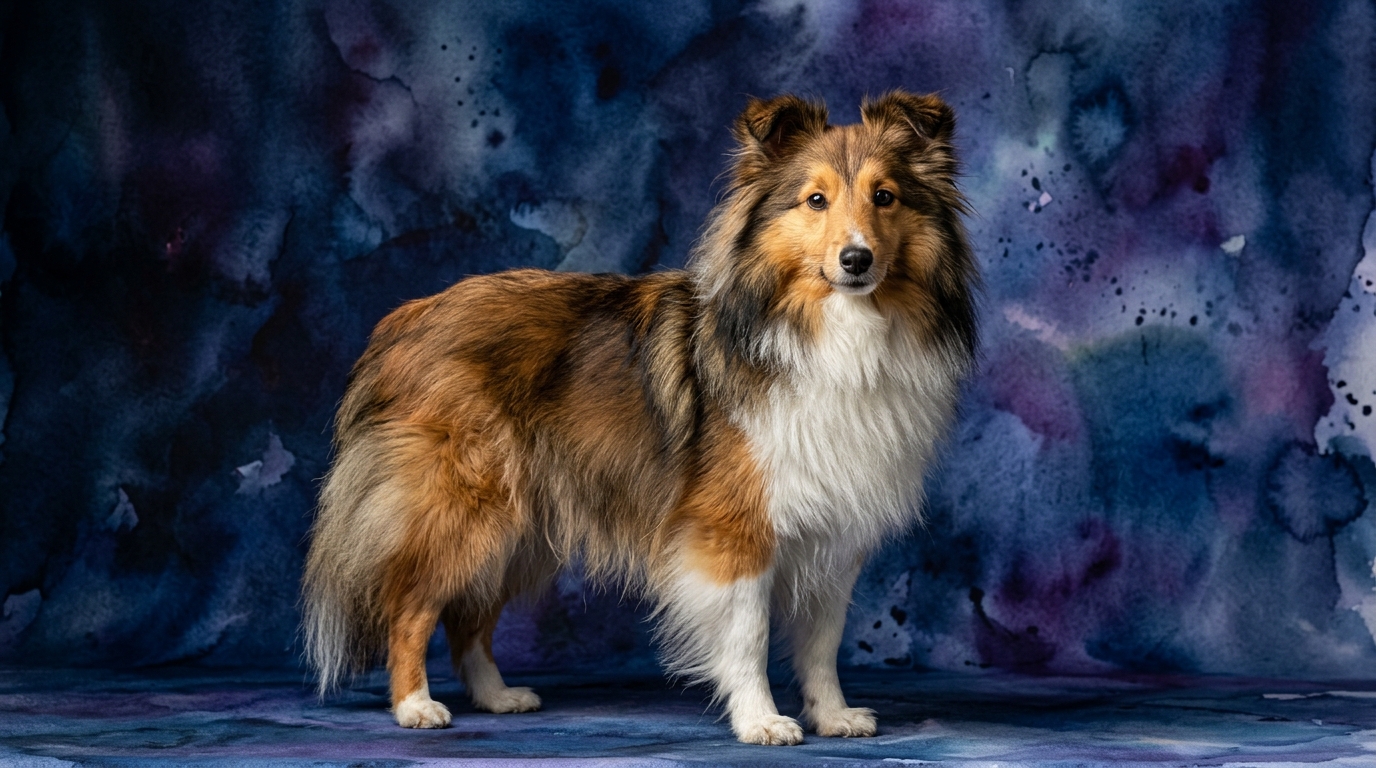
At The Cosmic Pet Pet IQ Lab, we analyze canine cognition across five key dimensions. For the Shetland Sheepdog, recognized with a Coren rank of #6, its profile includes a Problem Solving score of 4/5, indicating a strong capacity to analyze novel situations and devise effective solutions, often demonstrating ingenuity in overcoming obstacles or understanding complex tasks. Their Training Speed is an exceptional 5/5, meaning they possess remarkable quickness in acquiring new commands and behaviors, often grasping concepts after only a few repetitions. Social Intelligence stands at 4/5, showing a robust understanding of human and canine social cues, capable of forming deep bonds and perceiving emotional states. An Instinctive Drive of 5/5 highlights their potent, innate inclination for herding, requiring an outlet for this energy through structured activities or mental challenges. Finally, their Memory is an outstanding 5/5, featuring excellent recall, retaining a vast repertoire of commands, routines, and experiences over extended periods.
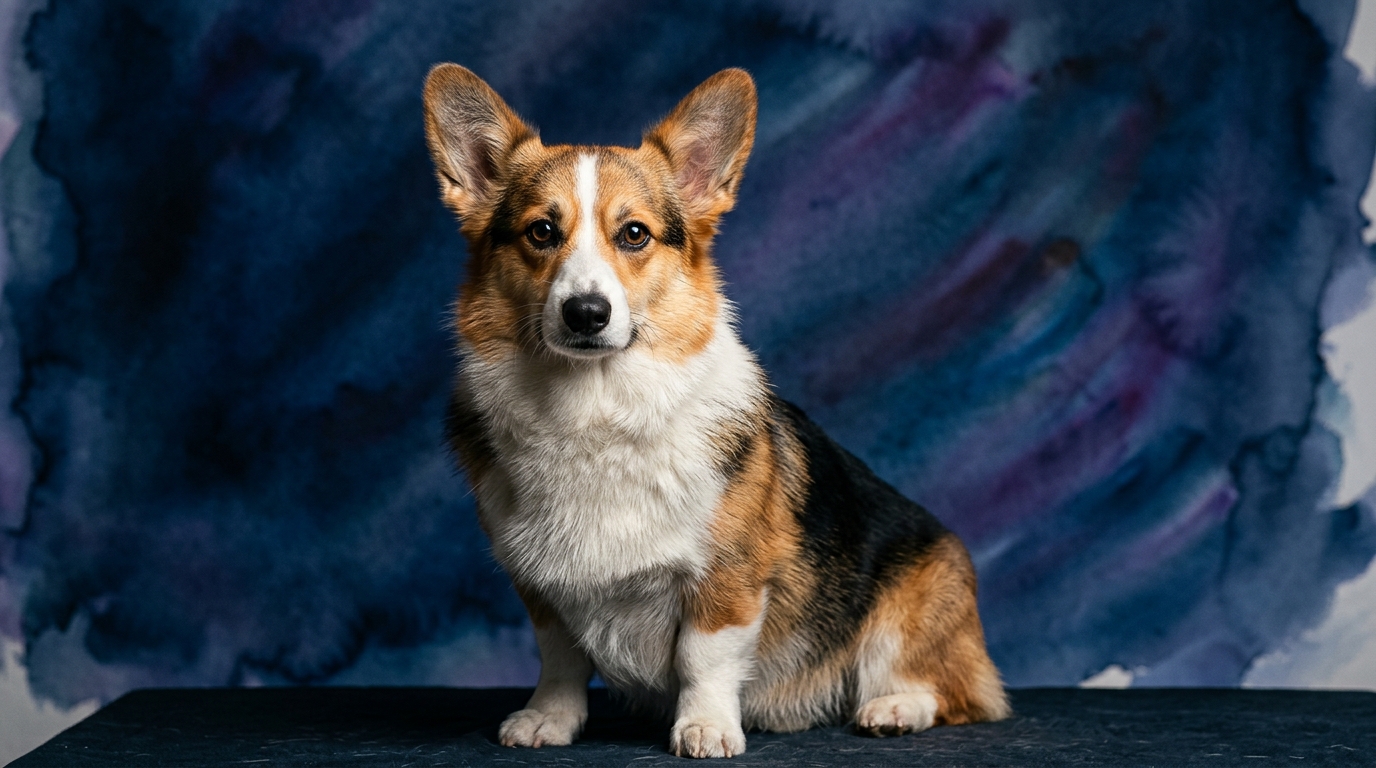
The Pembroke Welsh Corgi, with a Coren rank of #11, shares many cognitive strengths, though with subtle distinctions. Its Problem Solving also rates 4/5, displaying a solid ability to figure out challenging scenarios, often employing a determined and sometimes independent approach to achieve goals. Their Training Speed matches the Sheltie at 5/5, learning new commands and behaviors with remarkable alacrity and picking up instructions rapidly. Social Intelligence is 4/5, possessing a keen awareness of social dynamics and adept at reading human intentions and other animal behaviors. Like the Sheltie, their Instinctive Drive is a powerful 5/5, exhibiting a strong inherent urge to herd, characterized by their unique low-to-the-ground style and decisive nature. The key difference lies in their Memory score, which is a strong 4/5. While effective, their recall might require slightly more reinforcement for less frequently practiced tasks compared to the Sheltie, maintaining a good retention rate for learned behaviors.
Where the Shetland Sheepdog Wins Cognitively
The Shetland Sheepdog's cognitive edge often shines brightest in areas demanding sustained, precise recall and adaptable execution. Their remarkable Memory score of 5/5, compared to the Corgi's 4/5, indicates a superior ability to retain complex sequences of commands and intricate routines over longer durations without frequent refreshers. This robust memory, coupled with their higher Coren rank of #6, suggests a breed that not only acquires new information swiftly but also also integrates it into a comprehensive behavioral framework with exceptional permanence. For tasks requiring a vast, accessible repertoire of learned behaviors, such as advanced obedience trials, agility courses with numerous obstacles, or even service work with many distinct cues, the Sheltie's cognitive architecture provides a distinct advantage. They are particularly adept at performing tasks that build upon previous learning, demonstrating a cumulative cognitive capacity that allows for greater behavioral sophistication and reliability in varied contexts.
Where the Pembroke Welsh Corgi Wins Cognitively
While the Corgi's raw cognitive scores largely mirror the Sheltie's, its unique physical form and historical role grant it specific cognitive strengths that excel in different contexts. The Pembroke Welsh Corgi's Problem Solving at 4/5, combined with its tenacious spirit and low stature, translates into a breed adept at navigating and manipulating its immediate environment with shrewdness. They are particularly adept at independent decision-making in confined or challenging spaces, using their body and vocalizations to manage situations. Their strong Instinctive Drive (5/5) manifests as a determined, often vocal, approach to 'herding' family members or even objects, demonstrating a focused application of their cognitive energy. This drive, combined with their social intelligence, makes them exceptionally effective at managing household dynamics, often taking on a self-appointed role as 'overseer.' Their cognitive strength lies in their assertive application of learned behaviors and their ability to adapt their problem-solving to their distinct physical capabilities, often surprising owners with their ingenuity in achieving their objectives.
Which is Easier to Train and Why?
Both the Shetland Sheepdog and the Pembroke Welsh Corgi boast an impressive Training Speed of 5/5, indicating a rapid acquisition of new commands. However, the 'ease' of training can differ due to their underlying behavioral tendencies. The Sheltie, with its strong desire to please and less pronounced independent streak, generally presents a more straightforward training experience. Their exceptional Memory (5/5) ensures commands stick firmly, and their Social Intelligence often makes them highly attuned to handler cues and intentions, fostering a cooperative learning environment. They are typically less prone to 'selective hearing' and more consistent in their responses. In contrast, while the Corgi learns commands just as quickly, their robust personalities and powerful Instinctive Drive (5/5) can sometimes lead to a more assertive, independent approach to tasks. Their problem-solving might include finding alternative, less desired, ways to achieve a goal if not consistently guided. Training a Corgi often requires a handler who can match their determination with consistent, positive reinforcement and a clear, firm leadership, ensuring their quick learning is channeled into desired behaviors rather than self-directed endeavors.
Suitability for Active vs. Relaxed Owners
Neither the Shetland Sheepdog nor the Pembroke Welsh Corgi are ideal for truly relaxed owners, given their shared heritage as active herding breeds. However, their activity needs manifest differently. The Sheltie, with its background of extensive sheep herding over varied terrains, typically requires significant physical exercise and robust mental stimulation. They thrive on activities like agility, obedience, flyball, or long, engaging walks that challenge both their bodies and minds. Owners who enjoy outdoor adventures, competitive dog sports, or have a structured daily routine for enrichment will find a Sheltie a fulfilling companion. Their high energy and sustained focus demand an owner who can consistently meet these requirements.
The Corgi also possesses a potent Instinctive Drive (5/5) and requires regular activity to prevent boredom and destructive behaviors. While they don't necessarily need miles of running, their exercise should be structured and engaging, incorporating mental challenges and opportunities to 'herd' or work. They can adapt well to urban living if provided with consistent, focused play sessions, puzzle toys, and short, brisk walks. Owners who prefer structured play, mental games, and can provide consistent, moderate activity within a smaller footprint might find a Corgi a better fit, though they still demand an owner willing to actively engage their cognitive and physical needs. Their lower physical stature doesn't diminish their need for mental engagement and a purposeful outlet for their herding instincts.
The Verdict
Choose the Shetland Sheepdog if you seek a highly cooperative companion for advanced dog sports, complex obedience, or a role requiring extensive memory and consistent, precise execution of learned behaviors, and you can provide ample physical and mental exercise.
Opt for the Pembroke Welsh Corgi if you appreciate a determined, characterful companion adept at independent problem-solving within its environment, and you can provide consistent, structured engagement for its herding drive and assertive personality.
🧠 Find Your Pet's IQ Score
Our Pet IQ Lab assessment covers 25+ tests across 5 cognitive dimensions — personalized to your breed.
Take the Full IQ Test →Frequently Asked Questions
Are Shetland Sheepdogs prone to barking due to their herding instincts?
Yes, Shetland Sheepdogs often use barking as a communication tool, stemming from their historical role in alerting shepherds and managing livestock. This vocal tendency requires consistent training to manage from an early age, channeling their instinctive drive into appropriate outlets.
Do Pembroke Welsh Corgis get along well with children and other pets?
Pembroke Welsh Corgis generally integrate well into families and can be good with children and other pets, thanks to their social intelligence. However, their herding instinct might lead them to playfully nip at heels, so early socialization and supervision are crucial to ensure harmonious interactions.
Which breed is better suited for apartment living?
While both breeds require activity, the Pembroke Welsh Corgi might be marginally better suited for apartment living due to its smaller size and lower-intensity exercise needs compared to the Sheltie. However, both still demand consistent mental stimulation and daily physical activity, even if it's structured play indoors or short, brisk walks.