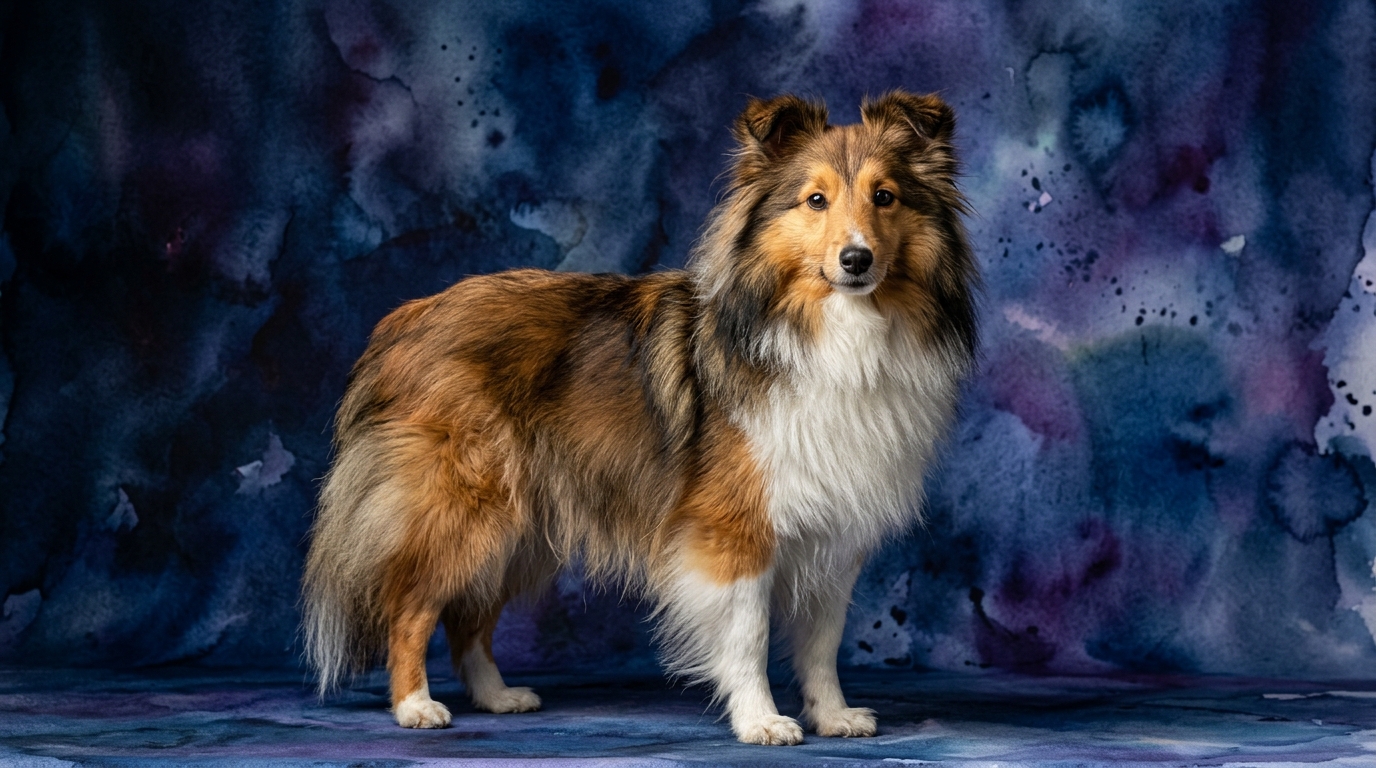
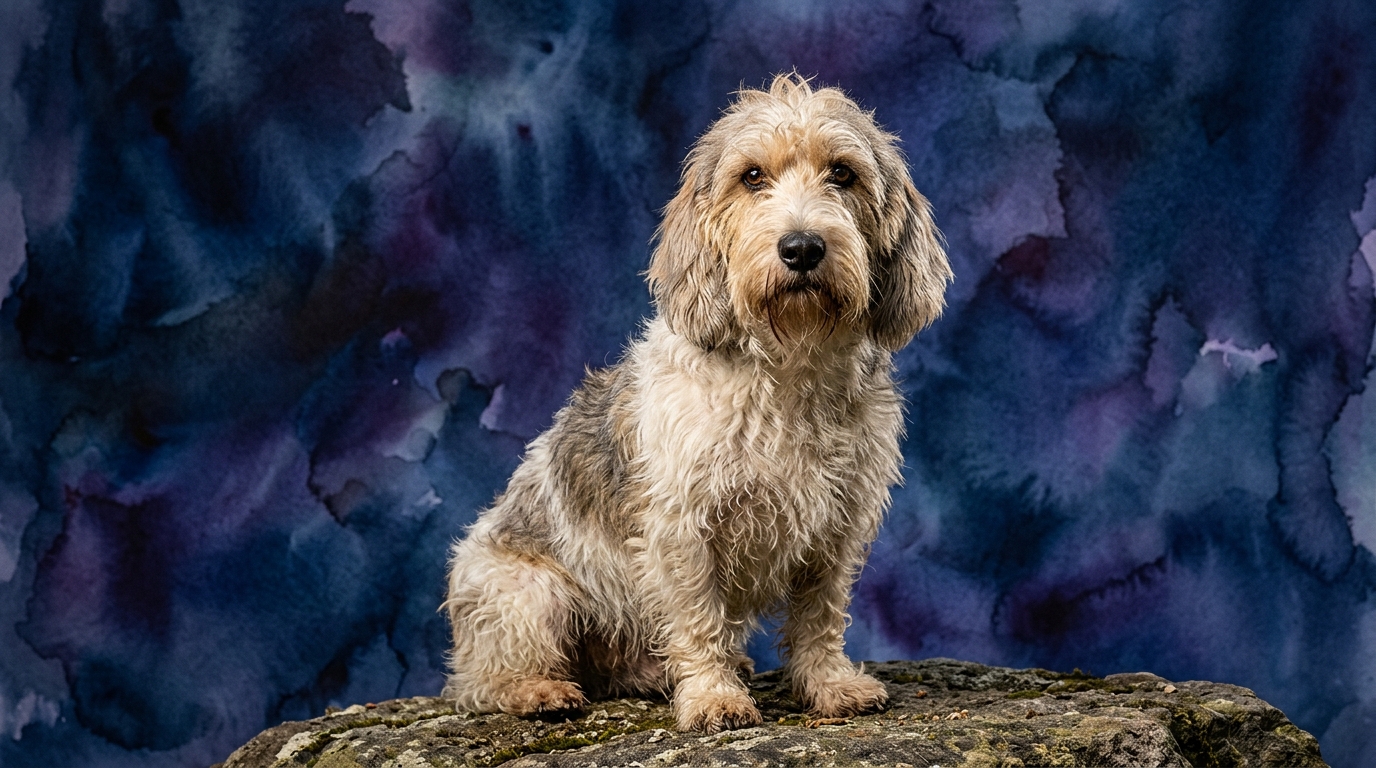
Side-by-Side IQ Profile: Sheltie vs. PBGV
The Shetland Sheepdog, a breed steeped in herding tradition, consistently demonstrates a profound aptitude for complex cognitive tasks, earning it a remarkable #6 rank on the Coren intelligence scale. Their problem-solving ability scores a strong 4 out of 5, indicating a capacity to navigate novel situations and figure out solutions with efficiency. Training speed is a standout at 5 out of 5, reflecting their eagerness to absorb new commands and behaviors rapidly, often requiring fewer repetitions than many other breeds. Social intelligence also rates highly at 4 out of 5, showcasing their nuanced understanding of human cues and emotional states, which contributes to their strong bond with owners. Their instinctive drive, rated 5 out of 5, speaks to their innate desire to work, particularly in tasks involving grouping and directing, and their memory is equally impressive at 5 out of 5, allowing them to retain vast repertoires of commands and experiences over time.
In contrast, the Petit Basset Griffon Vendéen (PBGV), a charming and tenacious scent hound, presents a different cognitive blueprint, reflecting its heritage as a independent hunter. While not Coren-ranked, an assessment of their individual cognitive dimensions provides clarity. Their problem-solving ability is rated 3 out of 5, suggesting they can tackle challenges but might do so with a more independent, persistent, and scent-driven approach rather than seeking human direction immediately. Training speed is also 3 out of 5, indicating they learn at a moderate pace, often requiring more patience and creative motivation than a herding breed due to their independent nature. Social intelligence stands at 3 out of 5, meaning they are capable of forming strong bonds but might not exhibit the same level of nuanced responsiveness to human social cues as a breed bred for close cooperation. Their instinctive drive, rated 3 out of 5, is powerfully directed towards scenting and tracking, sometimes overriding other impulses, and their memory, also 3 out of 5, is sufficient for their tasks but may not encompass the same breadth of learned commands as a Sheltie.
Where the Shetland Sheepdog Wins Cognitively
The Shetland Sheepdog's cognitive strengths are profoundly rooted in its herding lineage, demanding intricate communication and rapid response. Their exceptional training speed (5/5) means they grasp new concepts and commands with remarkable alacrity, often mastering complex sequences after only a few repetitions. This translates into an ability to excel in advanced obedience, agility, and even trick training, far surpassing many other breeds in efficiency and precision. Their superior memory (5/5) complements this, allowing them to retain a vast vocabulary of verbal cues and hand signals, making them incredibly versatile and reliable companions for a multitude of tasks. Furthermore, their high social intelligence (4/5) enables them to read and respond to human intentions and emotional states with keen sensitivity, fostering a deep, almost telepathic working relationship. This blend of quick learning, robust memory, and social attunement positions the Sheltie as a top performer in cooperative cognitive challenges, where understanding and executing human directives are paramount.
The Sheltie's problem-solving skills (4/5) are geared towards finding solutions that benefit the group or align with their handler's goals. For instance, in a herding context, they must anticipate the movement of livestock, strategically position themselves, and adjust their actions based on the flock's behavior and the shepherd's signals — a highly dynamic and cognitively demanding task. This manifests in their ability to quickly adapt to new environments, figure out how to open child-proof latches, or devise strategies during interactive puzzle toys. Their strong instinctive drive (5/5) isn't just about energy; it's about a persistent, focused desire to engage in meaningful work, which translates into sustained mental effort and engagement during training and enrichment activities, giving them a significant edge in sustained cognitive performance.
Where the Petit Basset Griffon Vendéen Wins Cognitively
While the PBGV's general IQ scores might appear modest compared to the Sheltie's, their cognitive strengths are uniquely tailored to their role as a tenacious scent hound, excelling in a different domain of intelligence. The PBGV's 'win' lies in its specialized application of problem-solving (3/5) and instinctive drive (3/5) when it comes to olfactory tasks. Their cognitive process is primarily driven by their incredibly acute sense of smell, allowing them to independently follow complex scent trails over varied terrain, often for extended periods, without constant human direction. This requires a unique form of mental persistence and an ability to filter out irrelevant sensory information, focusing intently on their primary objective: the scent.
Their problem-solving in the field is less about following human commands precisely and more about navigating an environment using scent cues, making independent decisions about which way a trail leads, and overcoming physical obstacles to reach their goal. This tenacity and self-reliance, while sometimes perceived as stubbornness in a domestic setting, are crucial cognitive assets for a working hound. Their instinctive drive, though rated 3/5, is intensely focused on the chase and the hunt, providing the unwavering motivation needed for prolonged scent work. A PBGV's memory (3/5) is particularly strong for recalling scent patterns and effective hunting strategies, demonstrating a specialized cognitive talent that is invaluable in its traditional role, highlighting a distinct, purpose-driven form of intelligence that thrives on exploration and independent pursuit.
Which is Easier to Train and Why
When it comes to ease of training, the Shetland Sheepdog clearly holds the advantage, largely due to its superior training speed (5/5), high social intelligence (4/5), and strong instinctive drive (5/5) geared towards cooperative work. Shelties possess an inherent desire to please their handlers and are exceptionally attuned to human body language and vocal tones. This makes them highly responsive to commands, eager to learn, and quick to form associations between actions and consequences. Their excellent memory ensures that once a command is learned, it is retained, reducing the need for constant re-training. Their cooperative nature means they actively seek to understand and comply with human directives, making positive reinforcement training highly effective and rewarding for both dog and owner. They thrive on mental engagement and view training as a stimulating activity, readily absorbing complex routines.
The Petit Basset Griffon Vendéen, with its training speed of 3/5 and social intelligence of 3/5, presents a more significant training challenge. Their independent nature, honed by generations of tracking game autonomously, means they are less inclined to automatically defer to human instruction. A PBGV's powerful instinctive drive (3/5) is often singularly focused on following interesting scents, making it difficult to redirect their attention once they are on a trail. They require consistent, patient, and highly motivating training methods, often relying on high-value treats or engaging games to capture their interest. While they are capable of learning, their learning curve is generally slower, and their memory might not retain as broad a range of commands as a Sheltie. Their charming stubbornness isn't a lack of intelligence, but rather a reflection of their independent problem-solving style; they are more likely to question a command if it conflicts with a compelling scent or their own agenda, demanding an owner who appreciates and can work with their unique hound mentality.
Which Suits Active Owners vs. Relaxed Owners
The Shetland Sheepdog, with its robust instinctive drive (5/5) and need for consistent mental engagement, is best suited for active owners who are prepared to provide significant daily stimulation. Their high problem-solving (4/5) and training speed (5/5) mean they thrive on structured activities like obedience, agility, flyball, or herding trials. A Sheltie needs a 'job' to do, whether it's learning new tricks, participating in dog sports, or simply engaging in interactive play that challenges their mind. Owners who enjoy long walks, hikes, or runs, and are committed to regular training sessions to keep their dog mentally sharp, will find a Sheltie to be an incredibly rewarding and enthusiastic companion. Without sufficient mental and physical outlets, a Sheltie can become bored, potentially leading to undesirable behaviors like excessive barking or destructive chewing.
The Petit Basset Griffon Vendéen, while possessing an instinctive drive (3/5) that necessitates outdoor exploration, can be a surprisingly adaptable companion for owners with varying activity levels, provided their core needs are met. For the PBGV, 'active' often translates to opportunities for scent-based exploration rather than high-impact sports. Owners who enjoy leisurely, sniff-filled walks through varied terrain, allowing their dog to follow interesting trails, will perfectly cater to a PBGV's natural instincts. They are ideal for owners who appreciate an independent spirit outdoors but also enjoy a more relaxed, affectionate companion indoors. While they need regular exercise to prevent boredom and maintain health, their energy expenditure doesn't always require intense, structured activities. A PBGV can suit a relaxed owner who is still committed to providing consistent outdoor sniff-adventures and can appreciate their charming, sometimes comical, personality without demanding constant high-level performance.
The Verdict
Choose the Shetland Sheepdog if you seek a highly trainable, cooperative, and mentally agile companion eager to participate in advanced training, dog sports, and a wide array of interactive activities, thriving on a close working partnership.
Opt for the Petit Basset Griffon Vendéen if you appreciate an independent, tenacious, and charming companion whose greatest joy is exploring the world through its nose, and you are prepared for a dog with a unique, sometimes stubborn, problem-solving approach.
🧠 Find Your Pet's IQ Score
Our Pet IQ Lab assessment covers 25+ tests across 5 cognitive dimensions — personalized to your breed.
Take the Full IQ Test →Frequently Asked Questions
Are Shetland Sheepdogs good for first-time dog owners?
Yes, Shetland Sheepdogs can be excellent for first-time owners due to their eagerness to please, high trainability, and social intelligence, provided the owner is committed to meeting their significant needs for mental stimulation and exercise.
Do Petit Basset Griffon Vendéens require a lot of grooming?
Petit Basset Griffon Vendéens require regular grooming to maintain their rough, shaggy coat. This typically involves weekly brushing to prevent mats and occasional hand-stripping to remove dead hair, which helps preserve coat texture and health.
Which breed is better with children?
Both breeds can be good with children, but the Shetland Sheepdog's higher social intelligence and cooperative nature often make them naturally more attuned to family dynamics and gentle interactions. PBGVs can be playful and affectionate, though their independent streak means supervision is always wise with younger children.