The Cosmic Pet Pet IQ Lab Profiles: Sheltie vs. Plott Hound
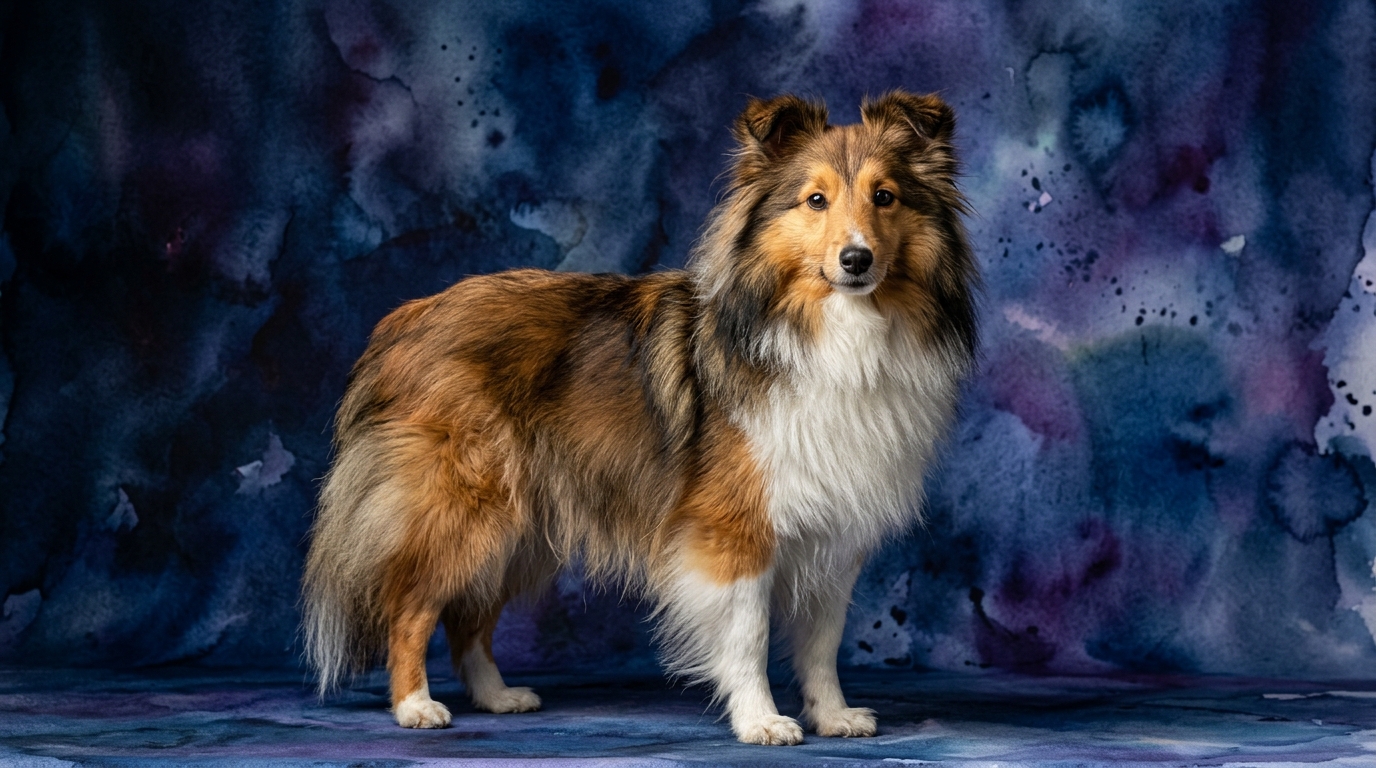
At The Cosmic Pet Pet IQ Lab, we analyze canine intelligence across five key dimensions: Problem Solving, Training Speed, Social Intelligence, Instinctive Drive, and Memory. These metrics provide a nuanced understanding of a breed's cognitive architecture, moving past simplistic labels. The Shetland Sheepdog, a member of the Herding group, exhibits a remarkable cognitive blueprint. It scores 4/5 in Problem Solving, indicating an impressive capacity for figuring out novel situations and puzzles. Its Training Speed is an exceptional 5/5, reflecting a quick grasp of commands and a strong desire to cooperate. Social Intelligence stands at 4/5, showcasing its ability to read human cues and adapt its behavior accordingly. Instinctive Drive, specifically for herding tasks, is a perfect 5/5, demonstrating an innate talent for its original purpose. Finally, its Memory is also a stellar 5/5, allowing for excellent retention of learned behaviors and experiences. This profile aligns with its Coren rank of #6, placing it among breeds that excel in working obedience and adaptive intelligence.
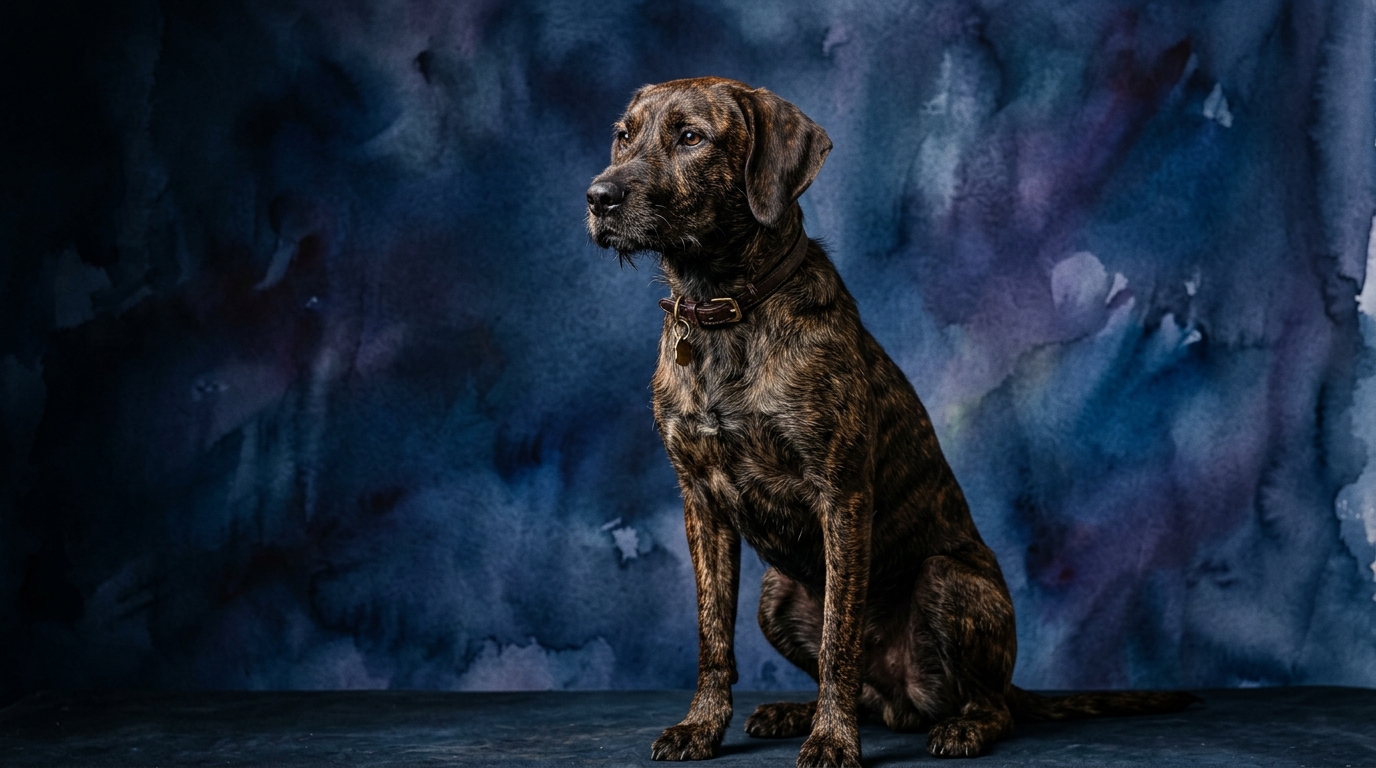
In contrast, the Plott Hound, a dedicated member of the Hound group, presents a different, yet equally specialized, cognitive makeup. While not Coren-ranked, its IQ Lab scores paint a clear picture of its focus. It registers 3/5 in Problem Solving, indicating competence in specific, often scent-related, challenges rather than abstract ones. Its Training Speed is 3/5, suggesting a steady but not instantaneous learning pace, often requiring more repetition. Social Intelligence is 3/5, meaning it forms strong bonds but may not be as finely attuned to subtle human directives as some other breeds. Instinctive Drive is a solid 3/5, primarily channeled towards its ancestral purpose of tracking and hunting. Memory also sits at 3/5, capable of retaining crucial information related to its work, though perhaps not as broadly encompassing as the Sheltie’s.
Where the Shetland Sheepdog Excels Cognitively
The Shetland Sheepdog's cognitive advantages are evident across multiple domains, largely stemming from its history as a cooperative herding dog. Its 5/5 Training Speed means a Sheltie often grasps new commands within just a few repetitions, eager to please and quick to form associations between actions and desired outcomes. This rapid acquisition extends beyond basic obedience to complex multi-step tasks, making them stars in dog sports like agility and competitive obedience where sequences of commands must be executed precisely and swiftly. Their 4/5 Problem Solving ability allows them to adapt quickly to environmental changes or novel situations, such as figuring out how to retrieve a toy from an unusual spot or navigating a complex obstacle course without direct guidance. This isn't just about following instructions; it's about understanding the intent behind the instruction and making intelligent choices. Furthermore, a Sheltie’s 4/5 Social Intelligence makes them exceptionally attuned to human emotions and subtle body language. They often anticipate an owner's needs or moods, offering comfort or seeking engagement appropriately, which fosters a deep, communicative bond. Their 5/5 Memory ensures that once a lesson is learned, it is retained, allowing for a vast vocabulary of commands and a long-term understanding of household rules and routines. This combination of attributes positions the Sheltie as a canine partner adept at intricate collaboration and swift, intelligent responses.
The Unique Cognitive Strengths of the Plott Hound
While the Plott Hound’s IQ scores may appear modest next to the Sheltie’s, these numbers reflect a highly specialized form of intelligence, perfectly honed for its demanding role as a big-game hunter. The Plott Hound's 3/5 Problem Solving isn't about solving abstract puzzles; it’s about navigating complex natural environments, deciphering intricate scent trails, and persistently pursuing quarry through challenging terrain. This involves a different kind of cognitive processing – one focused on sensory input and sustained, independent effort rather than human direction. Their 3/5 Instinctive Drive is a profound asset, manifesting as unparalleled determination and an unwavering focus when on a scent. This drive allows them to work independently for hours, ignoring distractions that would deter other breeds, showcasing a tenacious mental fortitude. A Plott Hound’s Memory (3/5), though not as broad as the Sheltie’s, is specifically excellent for remembering scent patterns, the layout of hunting grounds, and the location of their quarry. They might not remember a long list of tricks as quickly, but they will remember the exact path a deer took two hours ago. Their Social Intelligence (3/5) allows them to form strong, loyal bonds, but their primary allegiance in the field is to the scent, not constant human interaction. This independence is a strength, enabling them to make critical decisions autonomously during a hunt. Owners who understand and appreciate this specialized intelligence will find the Plott Hound’s focused determination and robust sensory processing truly exceptional.
Training Dynamics: A Tale of Two Temperaments
The contrast in training dynamics between the Shetland Sheepdog and the Plott Hound is stark, directly reflecting their respective IQ profiles. A Sheltie, with its 5/5 Training Speed and 5/5 Memory, is often a dream to train. They possess an innate eagerness to please and a rapid capacity to connect human cues with desired actions. Commands are typically absorbed quickly, and once learned, are rarely forgotten, making them highly responsive to positive reinforcement and clear communication. Their 4/5 Social Intelligence means they are constantly observing their human partners, seeking to understand and cooperate, which makes them highly receptive students. They thrive on structured training sessions that offer mental stimulation and opportunities for teamwork. Conversely, training a Plott Hound, with its 3/5 Training Speed and 3/5 Memory, requires a different approach. Plott Hounds are not inherently driven by the same intense desire for human approval in a training context. Their primary motivation often lies in following their nose, making distractions, especially scent-based ones, a significant challenge. Training sessions need to be patient, consistent, and highly rewarding, often incorporating elements that appeal to their natural instincts, such as scent games or outdoor work. Their 3/5 Social Intelligence means they form deep bonds, but their independence can translate into a selective hearing when a compelling scent presents itself. While they are certainly trainable, owners must understand that a Plott Hound's learning curve is often slower and requires more creative methods to capture and maintain their focus against their powerful instinctive drive.
Lifestyle Match: Active Engagement vs. Focused Pursuit
Choosing between a Shetland Sheepdog and a Plott Hound also means aligning with distinct lifestyle demands, largely dictated by their cognitive makeup. An active owner who thrives on constant engagement, competitive dog sports, and intricate communication will find the Shetland Sheepdog an ideal partner. The Sheltie’s high Problem Solving (4/5) and Social Intelligence (4/5) mean they flourish with consistent mental challenges, whether it's learning new tricks, participating in agility, or solving puzzle toys. Their 5/5 Instinctive Drive translates into a need for purposeful activity; without it, they can become bored or anxious, often resorting to 'herding' children or nipping at heels if their energy isn't channeled. They are best suited for homes where their intelligence is celebrated and actively engaged daily. For the more relaxed owner, or one who appreciates a dog with a singular, profound focus, the Plott Hound offers a different kind of companionship. These dogs are not typically seeking constant human instruction or mental gymnastics in the same way a Sheltie is. Their 3/5 Instinctive Drive is deeply rooted in scent work and sustained physical activity, making them excellent companions for hikers, hunters, or anyone who can provide extensive opportunities for them to explore and follow trails. While they are affectionate with their families, their independence and specialized problem-solving mean they are content to work through a scent puzzle on their own, rather than constantly seeking human collaboration. They require owners who can respect their drive and provide safe, expansive environments for them to exercise their natural talents, understanding that their 'relaxation' might look like a long, focused walk, not necessarily quiet indoor contemplation.
Bridging the Cognitive Gap: Understanding Breed Purpose
Ultimately, the intelligence comparison between the Shetland Sheepdog and the Plott Hound isn't about one breed being universally 'smarter' than the other, but rather about the fascinating diversity of canine cognition shaped by millennia of selective breeding for specific tasks. The Sheltie's cognitive architecture is designed for intricate cooperation, quick learning, and rapid responsiveness, making it an exemplary partner in tasks requiring close human-animal teamwork and mental agility. Its high scores across the board reflect a generalist intelligence refined for a complex herding role. The Plott Hound, conversely, embodies a highly specialized intelligence. Its cognitive strengths are channeled into an extraordinary capacity for sensory processing, unwavering determination, and independent problem-solving in the pursuit of a scent trail. Its scores, while lower in comparison on our general metrics, are perfectly suited for its specific, demanding role. Understanding these distinct cognitive blueprints allows prospective owners to choose a companion whose natural mental aptitudes align with their lifestyle and expectations, ensuring a harmonious and fulfilling relationship built on mutual respect for their inherent talents.
The Verdict
For individuals seeking a highly cooperative, mentally agile companion eager for structured learning and intricate communication, the Shetland Sheepdog is an exceptional choice.
Owners who value independence, a singular focus on scent work, and a determined, robust partner for outdoor adventures will find the Plott Hound a deeply rewarding companion.
🧠 Find Your Pet's IQ Score
Our Pet IQ Lab assessment covers 25+ tests across 5 cognitive dimensions — personalized to your breed.
Take the Full IQ Test →Frequently Asked Questions
Does a Plott Hound's lower training speed mean it cannot be trained?
Absolutely not; it simply means their motivation and learning style differ from a Sheltie's. Plott Hounds respond best to consistent, positive reinforcement, especially when training incorporates scent-based rewards or activities that tap into their natural hunting drive, making training effective but requiring more patience.
Are Shetland Sheepdogs prone to any specific cognitive challenges?
While generally cognitively robust, Shelties thrive on mental engagement and can become anxious or develop undesirable behaviors if under-stimulated. Their high social intelligence means they also need consistent positive interaction and can be sensitive to harsh training methods.
How do their instinctive drives manifest differently in a home environment?
A Sheltie's instinctive drive often translates into 'herding' family members or pets, requiring redirection to appropriate outlets like fetch or agility. A Plott Hound's drive manifests as a powerful urge to follow scents, meaning owners must be vigilant about secure yards and leash training to prevent them from pursuing a trail.