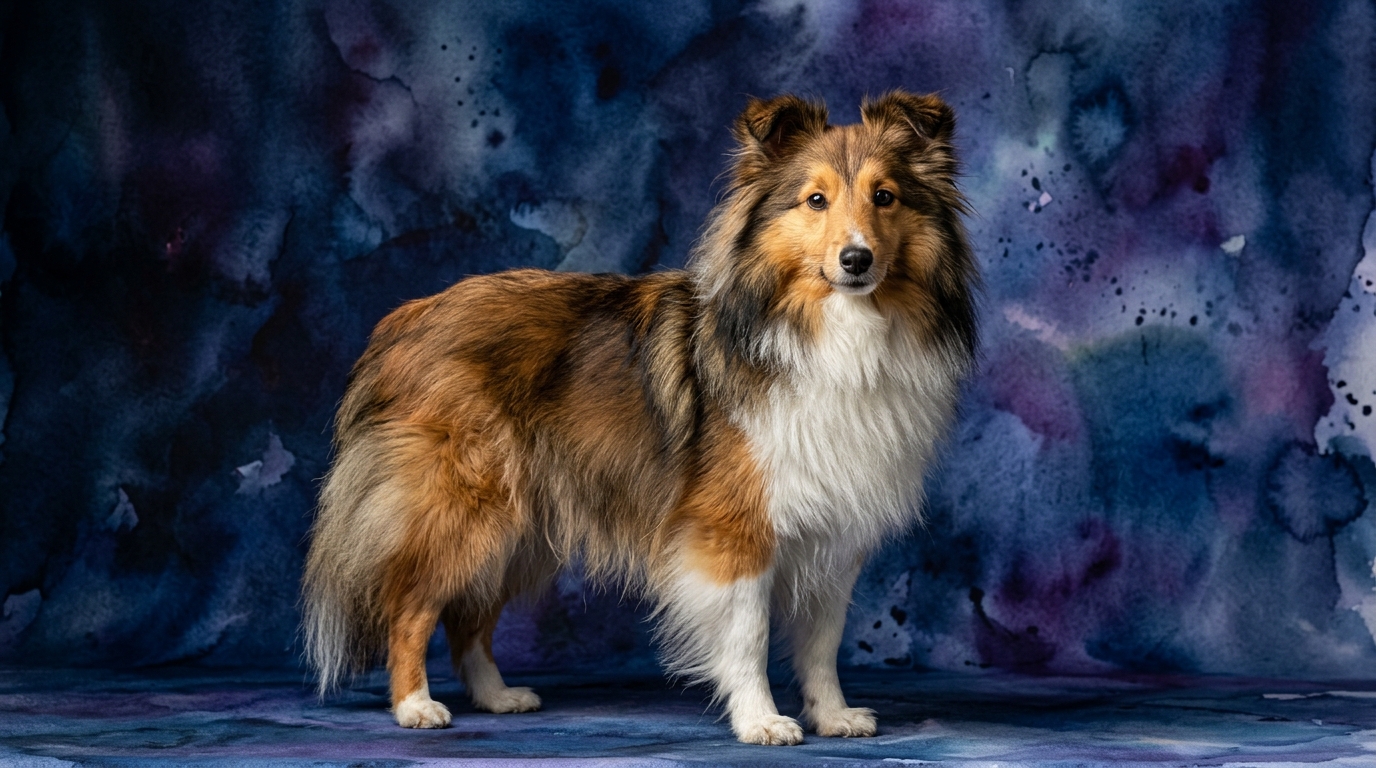
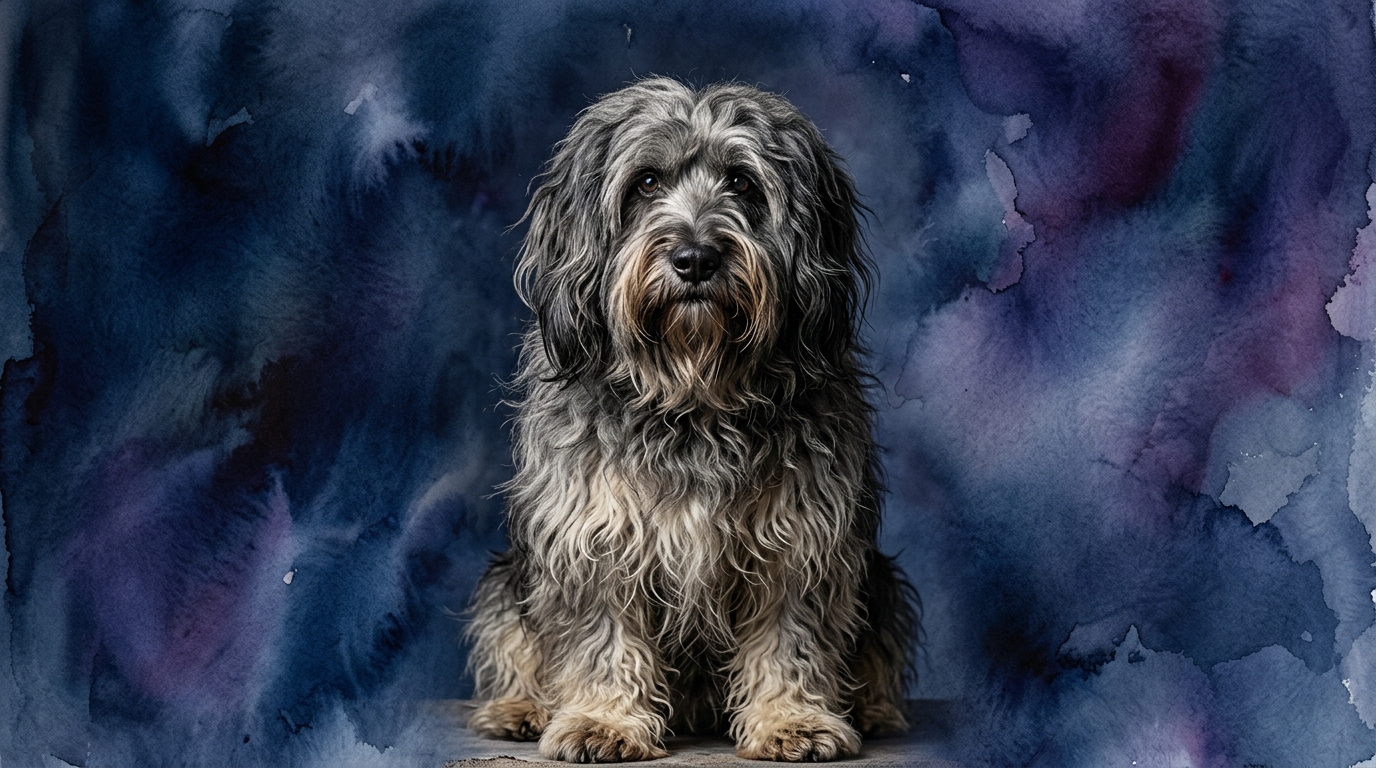
Side-by-Side IQ Profile: Shetland Sheepdog vs. Polish Lowland Sheepdog
The Cosmic Pet Pet IQ Lab assesses canine intelligence across five crucial dimensions, providing a granular view of each breed's cognitive strengths. For the Shetland Sheepdog, a breed Coren-ranked at #6, we observe remarkable scores: Problem Solving 4/5, Training Speed 5/5, Social Intelligence 4/5, Instinctive Drive 5/5, and Memory 5/5. These metrics paint a picture of a dog that not only grasps new concepts rapidly but also retains them with exceptional fidelity, demonstrating a keen awareness of social cues and a robust innate drive.
In contrast, the Polish Lowland Sheepdog (PON), though not Coren-ranked, presents a different cognitive profile. Their scores reflect a more measured approach: Problem Solving 3/5, Training Speed 3/5, Social Intelligence 3/5, Instinctive Drive 3/5, and Memory 3/5. While these scores are moderate, they indicate a dog that is capable and adaptable, albeit with a learning style that may be more deliberate and less overtly eager to please than their Sheltie counterparts. The PON's cognitive makeup suggests a dog that is self-reliant and thoughtful in its approach to challenges and interactions.
Where the Shetland Sheepdog Wins Cognitively
The Shetland Sheepdog's cognitive advantages are evident across multiple domains, particularly in areas requiring rapid learning and retention. Their 5/5 Training Speed means they absorb new commands and routines with impressive efficiency, often requiring fewer repetitions than many other breeds. This quick uptake is coupled with a 5/5 Memory, allowing them to recall a vast repertoire of cues and complex sequences over long periods, making them exceptional candidates for advanced obedience, agility, and other dog sports.
Furthermore, the Sheltie's 4/5 Problem Solving and 4/5 Social Intelligence work in tandem, enabling them to decipher intricate tasks and adapt their behavior based on subtle human cues or environmental shifts. This means they are adept at navigating novel situations, understanding cause-and-effect relationships, and responding appropriately to the emotional states of their human companions. Their 5/5 Instinctive Drive fuels a persistent enthusiasm for work and engagement, translating into a dog that is consistently motivated to participate in mentally stimulating activities and excel in tasks that require sustained focus and precision.
Where the Polish Lowland Sheepdog Finds Its Cognitive Niche
While the Polish Lowland Sheepdog's scores are more moderate, their cognitive profile offers distinct advantages for owners who appreciate a certain independence and robust self-reliance. Their 3/5 Problem Solving score suggests they approach new challenges with a thoughtful, perhaps more exploratory, method. They may not instantly deduce the solution, but their persistence and capacity for trial-and-error can lead to effective, if less immediate, resolutions. This can translate into a dog that is less prone to anxiety when left to figure things out on their own, fostering a sense of self-sufficiency.
The PON's 3/5 Social Intelligence indicates a dog that, while capable of bonding deeply, may not be as overtly demonstrative or constantly seeking direction as a Sheltie. This can be a 'win' for owners who prefer a companion with a more independent streak, one that is content to observe and engage on its own terms rather than constantly soliciting interaction. Their 3/5 Instinctive Drive means they possess the core herding instincts but might not exhibit the same intense, ceaseless drive for activity, making them potentially less demanding in terms of constant mental and physical stimulation compared to breeds with higher drive scores.
Which is Easier to Train and Why
When comparing trainability, the Shetland Sheepdog clearly takes the lead due to its exceptional 5/5 Training Speed and 5/5 Memory. Shelties demonstrate an almost innate desire to understand and execute commands, often picking up new tricks or routines in just a few repetitions. Their strong social intelligence also means they are highly attuned to their handler's intentions and praise, making positive reinforcement incredibly effective. Behavioral differences are stark: a Sheltie often anticipates the next command, eager to please and perform, making advanced training feel like a collaborative dance.
The Polish Lowland Sheepdog, with its 3/5 Training Speed and 3/5 Memory, requires a more patient and consistent approach. While certainly trainable, PONs may take longer to grasp new concepts and might need more frequent refreshers to solidify learned behaviors. Their more independent nature, reflected in a 3/5 Social Intelligence, means they might be less motivated solely by the desire to please and more by what makes sense to them or provides an enjoyable outcome. Training a PON often involves breaking tasks into smaller steps and celebrating small victories, fostering a partnership built on mutual respect rather than immediate compliance.
Which Suits Active Owners vs. Relaxed Owners
For the active owner seeking a constant companion for mental and physical adventures, the Shetland Sheepdog is an ideal match. Their 5/5 Instinctive Drive means they thrive on purpose-driven activities like agility, flyball, herding trials, or even complex trick training. Their high problem-solving and memory capabilities ensure they excel in these endeavors, requiring daily mental engagement to prevent boredom and channeling their abundant energy constructively. Owners who enjoy teaching new things and participating in dog sports will find the Sheltie's eagerness and aptitude incredibly rewarding.
The Polish Lowland Sheepdog, with its more moderate 3/5 Instinctive Drive, aligns better with owners who appreciate regular but not necessarily intense daily activity. While they certainly enjoy walks, playtime, and mental enrichment, their need for constant high-level stimulation is generally lower than a Sheltie's. This makes them suitable for owners who enjoy a balanced lifestyle, perhaps with a good daily walk, some interactive games, and consistent, calm training sessions, but who aren't necessarily seeking a dog to accompany them on every high-energy outdoor pursuit. Their self-reliant nature means they can also be content with independent exploration in a secure yard.
The Verdict
Choose the Shetland Sheepdog if you're an active owner seeking a highly trainable, quick-witted companion for dog sports, advanced obedience, and a deeply interactive partnership.
Opt for the Polish Lowland Sheepdog if you appreciate a thoughtful, self-reliant dog with a moderate energy level and are prepared for a patient, consistent training journey that fosters independence.
🧠 Find Your Pet's IQ Score
Our Pet IQ Lab assessment covers 25+ tests across 5 cognitive dimensions — personalized to your breed.
Take the Full IQ Test →Frequently Asked Questions
Do Shetland Sheepdogs need a lot of mental stimulation?
Yes, with their 4/5 problem-solving and 5/5 memory, Shetland Sheepdogs require significant daily mental stimulation. They thrive on learning new commands, puzzle toys, and participating in dog sports to keep their minds engaged and prevent boredom.
Are Polish Lowland Sheepdogs good for first-time dog owners?
Polish Lowland Sheepdogs can be suitable for first-time owners who are committed to consistent training and socialization. Their 3/5 training speed means they need patience, but their independent nature can be manageable with clear boundaries and positive reinforcement.
How do their social intelligence scores impact household dynamics?
A Sheltie's 4/5 social intelligence means they are highly attuned to family dynamics and human emotions, often acting as sensitive companions. A PON's 3/5 social intelligence suggests they are affectionate but may be more reserved, engaging on their own terms and less constantly seeking attention or direction from every family member.