Side-by-Side IQ Profile: Shetland Sheepdog vs. Schipperke
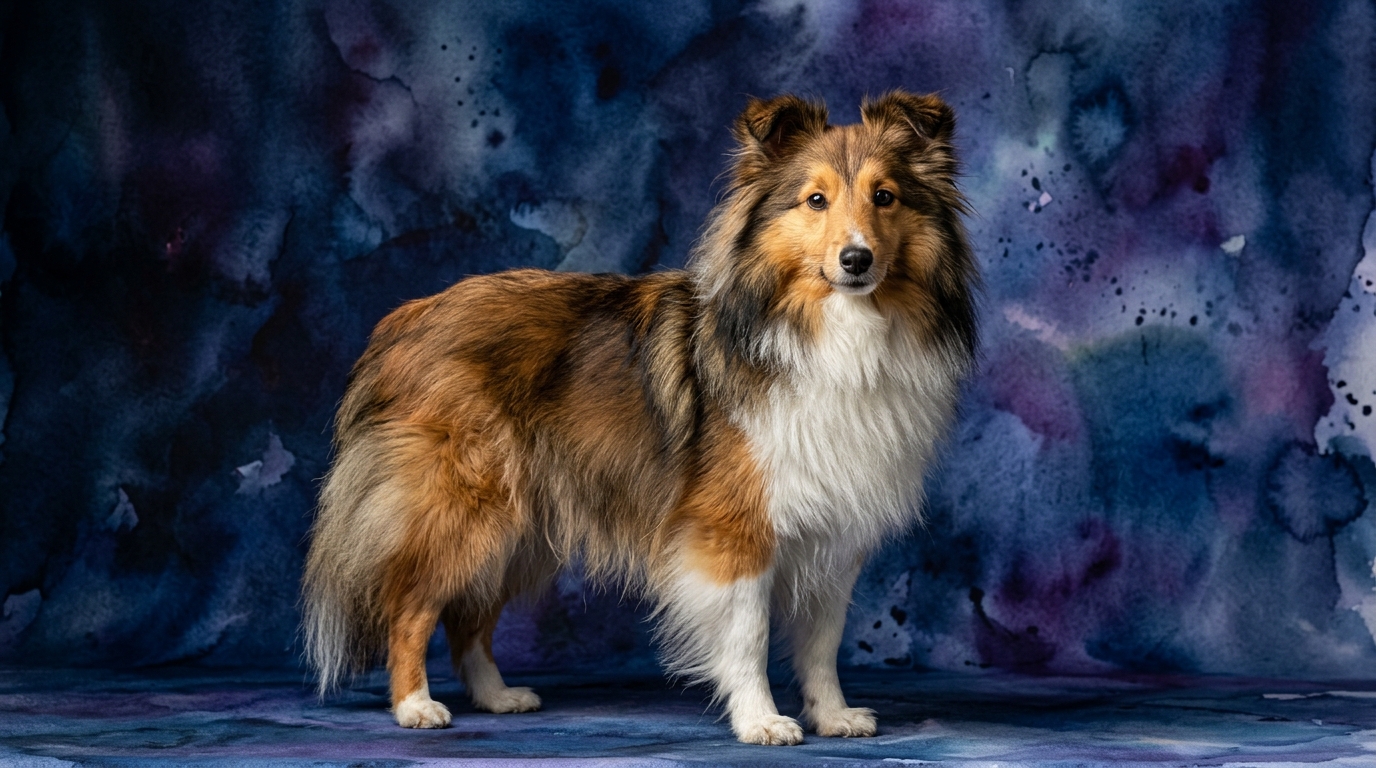
The Shetland Sheepdog, ranking #6 on Coren's scale, presents a cognitive blueprint optimized for cooperative herding tasks. Their Problem Solving is rated 4/5, reflecting an ability to navigate complex, dynamic situations, such as managing a flock, with foresight and adaptability. Training Speed is an exceptional 5/5, indicating a rapid grasp of new commands and a strong desire to comply. Social Intelligence, at 4/5, denotes a keen sensitivity to human cues and group dynamics, fostering a deep partnership. An Instinctive Drive of 5/5 highlights their inherent desire for purpose and structured activity, particularly those involving movement and control. Finally, their Memory is a perfect 5/5, ensuring consistent recall of training, routines, and experiences.
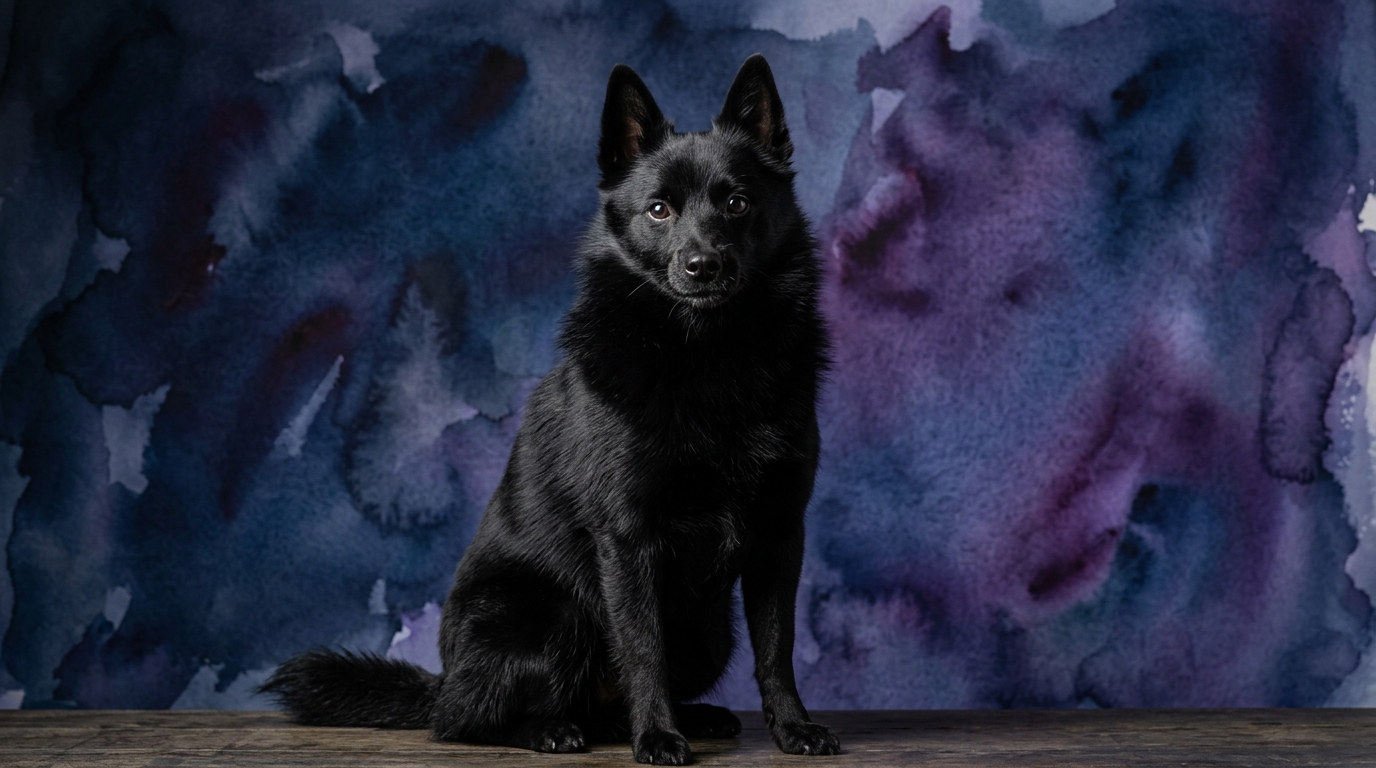
In contrast, the Schipperke, ranking #15 on Coren's scale, showcases a different, equally impressive cognitive profile. Their Problem Solving stands at a remarkable 5/5, signifying an exceptional capacity for independent thought and creative solutions, often without direct human guidance. Training Speed also registers a 5/5, meaning they learn quickly, though their application of that learning can be more self-directed. Social Intelligence is rated 3/5, suggesting a more independent nature, less overtly focused on human connection than the Sheltie, and often displaying a watchful, discerning demeanor. An Instinctive Drive of 3/5 points to their historical roles as ratters and guardians, valuing self-reliance over constant collaborative work. Like the Sheltie, their Memory is a perfect 5/5, enabling them to retain training, past events, and learned consequences with great precision.
Where the Shetland Sheepdog Wins Cognitively
The Shetland Sheepdog truly excels in the realm of cooperative intelligence and nuanced communication. Their 4/5 Social Intelligence combined with a 5/5 Instinctive Drive for purposeful work makes them unparalleled partners in tasks requiring intricate understanding and execution alongside a human. This manifests in their ability to anticipate commands, interpret subtle body language, and adapt their actions seamlessly within a joint effort, whether in a herding trial or an agility course. They don't just solve problems; they solve them *with* you, often demonstrating an innate understanding of your intentions.
Furthermore, the Sheltie's cognitive strength lies in their extraordinary biddability and eagerness to please, which are direct extensions of their strong social and instinctive drives. Their problem-solving (4/5) is frequently applied to situations where the goal is to satisfy their human handler, making them highly responsive to guidance and correction. This collaborative mindset means they thrive in structured learning environments, absorbing information not just through repetition, but through a deep desire to understand their role within the human-canine team, making them masters of applied, partnership-driven intellect.
Where the Schipperke Wins Cognitively
The Schipperke's cognitive prowess shines brightest in its remarkable independent problem-solving capabilities, rated at a perfect 5/5. This breed possesses an exceptional ability to figure things out on its own, often devising clever and resourceful solutions to obstacles or challenges without direct human intervention. Whether it's discovering how to open a 'secure' cabinet, navigate a complex puzzle toy, or outsmart a gate latch, the Schipperke's self-reliant intellect is truly impressive, driven by an innate curiosity and a desire to achieve its own objectives.
Their lower Social Intelligence (3/5) and Instinctive Drive (3/5) compared to the Sheltie actually contribute to this independent cognitive strength. They are less inclined to wait for human direction or validation, instead relying on their own sharp wits and observational skills. This often translates to a 'thinking outside the box' mentality, where conventional solutions might be overlooked in favor of a more innovative, albeit sometimes mischievous, approach. Owners frequently describe them as having a 'mind of their own,' a testament to their powerful, self-directed cognitive processing.
Which is Easier to Train and Why
While both breeds boast a 5/5 Training Speed, the *nature* of their trainability differs significantly, making the Shetland Sheepdog generally easier for most owners. The Sheltie's high Social Intelligence (4/5) and powerful Instinctive Drive (5/5) mean they are inherently eager to please and thrive on structured interaction. They are highly biddable, absorbing commands rapidly and consistently because their motivation is often rooted in forming a cooperative partnership and fulfilling a 'job' for their human. Positive reinforcement works exceptionally well, as they cherish praise and connection.
The Schipperke, despite learning commands just as quickly, presents a different training challenge due to its independent problem-solving (5/5) and lower Social Intelligence (3/5). They learn fast, but they are also quick to decide if a command serves their own interests or if there's a more 'efficient' way to achieve a goal. Training a Schipperke requires creativity, consistency, and a deep understanding of their independent mindset. Owners must make training engaging and rewarding enough to capture their attention, as they are less likely to comply simply out of a desire to please and more likely to weigh the perceived benefits of obedience versus pursuing their own clever agenda.
Which Suits Active Owners vs. Relaxed Owners
Neither the Shetland Sheepdog nor the Schipperke is suited for truly 'relaxed' owners in the sense of minimal engagement, as both require substantial mental stimulation. However, the *type* of activity they thrive on varies. The Shetland Sheepdog, with its 5/5 Instinctive Drive and 4/5 Social Intelligence, is ideal for active owners who enjoy structured, cooperative activities. They excel in dog sports like agility, obedience, and rally, and require daily opportunities for purposeful engagement, such as long walks, training sessions, or puzzle toys that challenge their herding intellect. They need a 'job' and thrive when working closely with their human partner.
The Schipperke, while also requiring significant mental engagement due to its 5/5 Problem Solving, may suit owners who appreciate clever games and varied mental challenges over constant, highly structured physical activity. Their independent nature means they can be content with vigorous play sessions, interactive toys, and opportunities to 'figure things out' on their own, though they still benefit from walks and family activities. They need consistent mental stimulation to prevent boredom-driven mischief, but their activity needs might be less about constant collaborative 'work' and more about engaging their keen, self-reliant intellect in diverse and stimulating ways.
The Verdict
Choose the Shetland Sheepdog if you seek a highly cooperative, biddable, and sensitive companion eager to learn and work closely with you in structured activities and daily life.
Opt for the Schipperke if you appreciate an independent, clever, and resourceful companion who thrives on mental puzzles and varied stimulation, offering a self-reliant yet engaging partnership.
🧠 Find Your Pet's IQ Score
Our Pet IQ Lab assessment covers 25+ tests across 5 cognitive dimensions — personalized to your breed.
Take the Full IQ Test →Frequently Asked Questions
Are Shetland Sheepdogs good with children?
Shetland Sheepdogs are generally good with respectful children, often forming close bonds. Their herding instincts may lead them to 'herd' children, so gentle guidance and supervision are important to ensure positive interactions.
Do Schipperkes bark a lot?
Schipperkes can be prone to barking, especially as alerts to strangers or perceived threats, due to their watchful nature. Consistent training from a young age can help manage excessive barking, but their vocal tendencies are part of their breed character.
What kind of activities do Schipperkes enjoy?
Schipperkes enjoy activities that engage their independent problem-solving skills, such as puzzle toys, scent work, and agility. They also love vigorous play sessions, exploring new environments, and participating in family adventures that offer mental stimulation.