A Side-by-Side Cognitive Blueprint
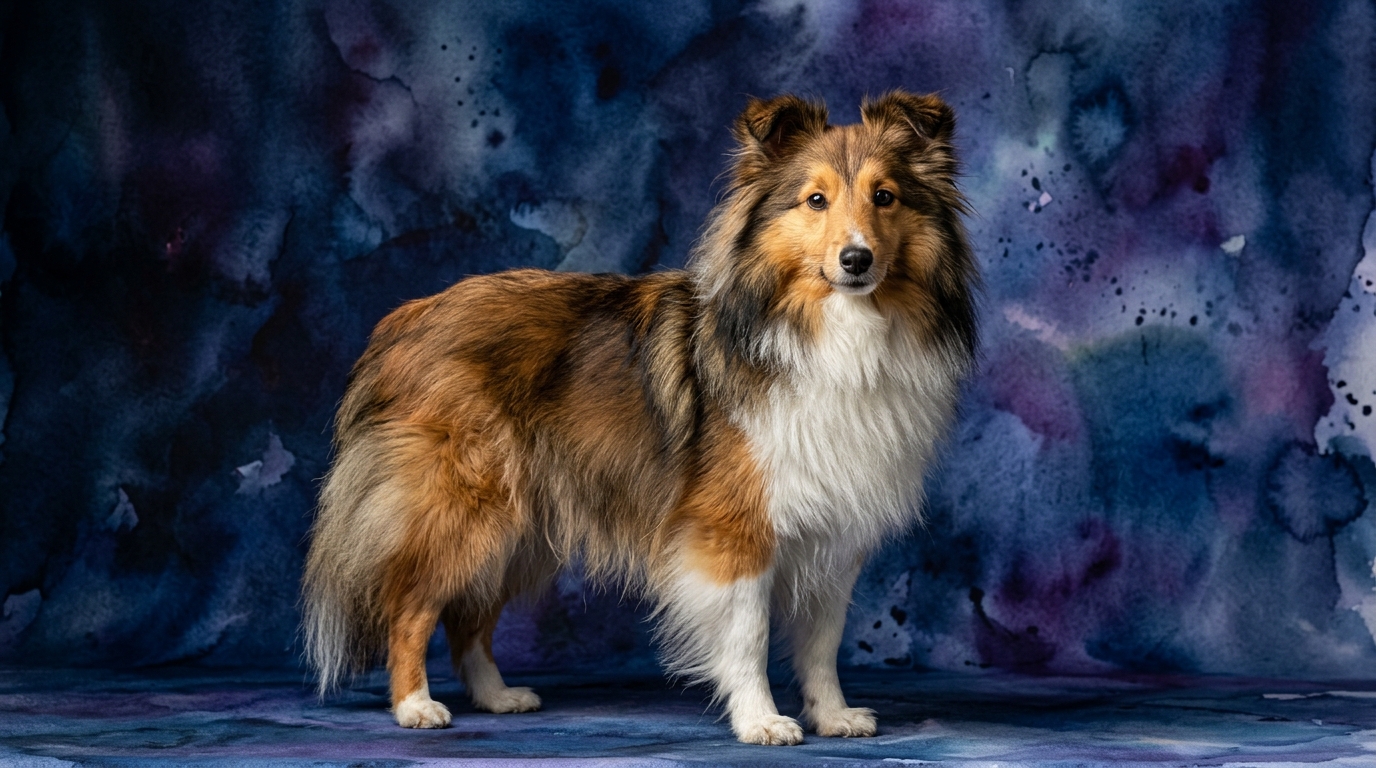
The Shetland Sheepdog, a herding breed, presents a cognitive profile geared for cooperative work and rapid learning. Their problem-solving capacity registers at 4/5, indicating an aptitude for navigating complex tasks and adapting to new situations. Training speed is a remarkable 5/5, reflecting an eagerness and ability to grasp new commands with minimal repetition. Social intelligence, at 4/5, highlights their attunement to human cues and a strong desire for connection. Their instinctive drive, rooted in herding, is 5/5, manifesting as a focused energy for control and organization. Finally, memory stands at an impressive 5/5, allowing them to retain vast amounts of learned information and experiences.
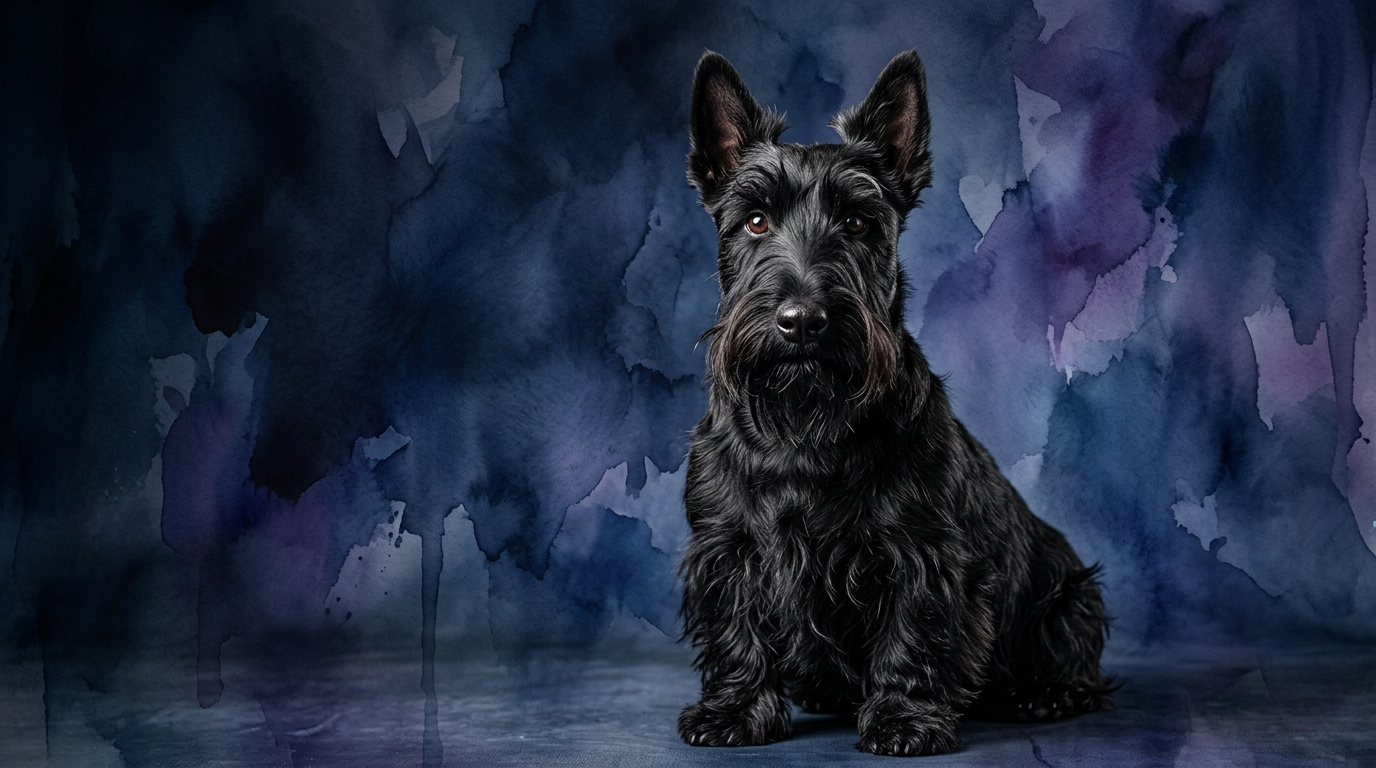
In contrast, the Scottish Terrier, a tenacious terrier, displays a cognitive makeup suited for independent action and persistent pursuit. Their problem-solving ability is rated 3/5, suggesting resourcefulness in achieving self-directed goals rather than human-assigned puzzles. Training speed is 3/5, meaning they can learn, but often require more repetition and compelling motivation due to their independent nature. Social intelligence, also 3/5, indicates they are observant of their environment and people, but their expressions of affection and cooperation are often on their own terms. Their instinctive drive, a 3/5, is a powerful prey drive, fueling tenacious hunting behaviors. Memory, at 3/5, is sufficient for retaining important routines and experiences, though perhaps not with the same depth for complex sequences as their herding counterpart.
Where the Shetland Sheepdog Shines Cognitively
The Shetland Sheepdog's cognitive strengths lie in their capacity for collaborative work and impressive mental agility. Their 5/5 Training Speed and Memory, combined with 4/5 Social Intelligence, make them exceptionally adept at obedience, agility, and rally sports where multi-step commands and rapid execution are paramount. They quickly form associations between actions and consequences, making them highly responsive partners.
The 5/5 Instinctive Drive, channeled from generations of herding, translates into a natural inclination to work alongside a handler, focusing their energy on directed tasks rather than independent pursuits. This drive, coupled with their 4/5 Problem Solving, allows them to not only learn routines but also adapt to variations, like navigating a novel obstacle course or understanding nuanced household rules, often anticipating their owner's next move with impressive accuracy.
Unpacking the Scottish Terrier's Unique Cognitive Strengths
While their cognitive scores are generally lower than the Sheltie's, the Scottish Terrier possesses a distinct set of cognitive strengths rooted in their terrier heritage. Their 3/5 Problem Solving manifests as cleverness and persistence in achieving their own objectives, such as figuring out how to access a desired toy or outsmarting a small garden critter. It's less about human-centric puzzles and more about self-directed, pragmatic solutions.
The 3/5 Instinctive Drive, a powerful and focused prey drive, underpins their tenacity and determination. This single-mindedness, while sometimes challenging to redirect, is a cognitive asset in its original context, enabling them to pursue goals with unwavering focus. Their 3/5 Social Intelligence allows them to observe and learn about their environment and the people within it, forming strong, albeit often subtle, bonds with their chosen companions, appreciating their own space while remaining watchful and alert.
Training Dynamics: Sheltie's Eagerness vs. Scottie's Independence
Training a Shetland Sheepdog is often a rewarding experience due to their 5/5 Training Speed and Memory, coupled with their 4/5 Social Intelligence. They are eager to please, respond enthusiastically to positive reinforcement, and quickly pick up complex sequences of commands. Their inherent herding drive often translates into a desire to work closely with their handler, making them highly biddable and a joy to teach in various disciplines.
The Scottish Terrier's training journey requires a different approach, reflecting their 3/5 Training Speed and Memory, and their independent 3/5 Instinctive Drive. They are capable of learning, but often require more patience, consistency, and compelling motivation. A Scottie's problem-solving might be applied to finding ways *around* a command rather than *through* it if they don't see the immediate benefit. Owners must understand their tenacious nature and employ engaging, reward-based methods to keep them invested, recognizing that a Scottie often learns on its own terms.
Lifestyle Compatibility: Active Engagement vs. Focused Companionship
For owners seeking an actively engaged canine partner, the Shetland Sheepdog is an ideal match. Their high scores across all cognitive dimensions mean they thrive on significant mental stimulation and physical activity. They excel in dog sports like agility, flyball, and obedience, and relish opportunities to learn new tricks or participate in extended, interactive play sessions. Owners who enjoy training, long walks, and a dog deeply involved in family activities will find a Sheltie a fulfilling companion, as their herding instinct needs constructive outlets.
The Scottish Terrier, while not a sedentary breed, suits owners who appreciate a dog with a more independent streak and a focused, internal drive. They benefit from regular walks and bursts of activity, but their mental needs are often met by patrolling their territory, engaging in independent play, and observing their surroundings. They are less demanding of constant interaction or complex training, often preferring to be alongside their owner rather than always in active partnership. Owners prepared for their tenacious digging or chasing instincts, and who value a dog with a strong, distinctive personality, will find a good match in a Scottie.
The Verdict
Choose the Shetland Sheepdog if you seek a highly trainable, cooperative, and mentally agile companion eager to engage in complex activities and form a deep, responsive bond.
Opt for the Scottish Terrier if you appreciate an independent, resilient, and watchful companion with a distinctive personality, and are prepared for a dog that marches to its own beat.
🧠 Find Your Pet's IQ Score
Our Pet IQ Lab assessment covers 25+ tests across 5 cognitive dimensions — personalized to your breed.
Take the Full IQ Test →Frequently Asked Questions
Are Shetland Sheepdogs good for first-time dog owners?
Yes, their eagerness to learn and high social intelligence make them generally responsive to training, but their need for mental engagement means a first-time owner must be committed to consistent, positive reinforcement training and providing ample stimulation. They are cooperative partners, which simplifies the learning curve for new handlers.
Do Scottish Terriers require a lot of exercise?
Scottish Terriers benefit from daily walks and opportunities to explore securely, but they don't typically demand the intense, prolonged exercise of a herding breed. Their exercise needs are moderate, often satisfied by shorter, focused walks and mental engagement like scent work or patrolling their yard.
How do their herding and terrier instincts influence their behavior at home?
The Sheltie's herding instinct can manifest as a desire to 'gather' family members or gently nip at heels, requiring redirection and appropriate outlets like herding games. The Scottie's terrier instinct, meanwhile, fuels a strong prey drive, leading to digging, chasing small animals, and a tenacious pursuit of their own interests, necessitating secure fencing and consistent boundaries.