Side-by-Side IQ Profile
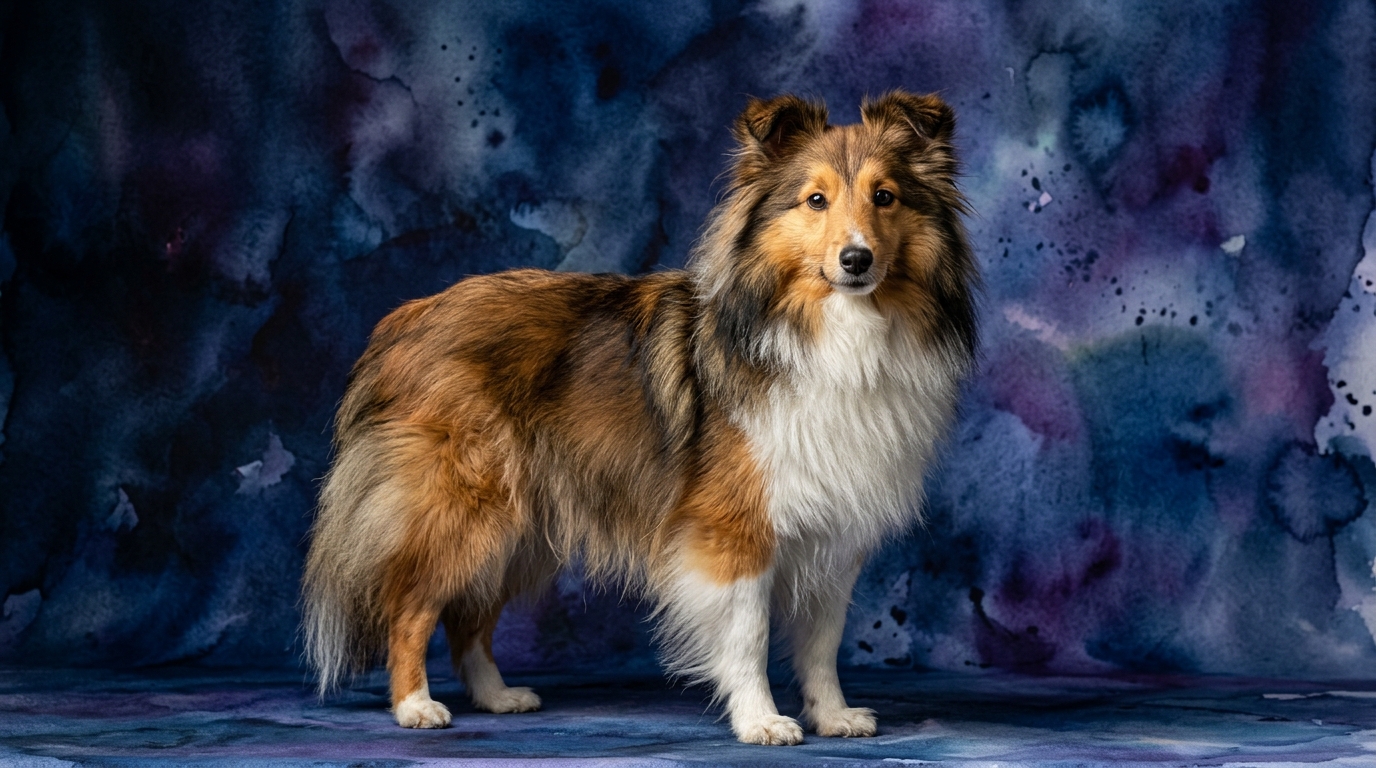
The Shetland Sheepdog, a dog from the Herding group, boasts a Coren rank of #6, indicating its high capacity for understanding and executing commands. Its cognitive dimensions are notably strong: Problem Solving 4/5, Training Speed 5/5, Social Intelligence 4/5, Instinctive Drive 5/5, and Memory 5/5. This profile suggests a highly engaged and responsive learner, adept at navigating complex tasks and retaining information over time, driven by a strong internal motivation.
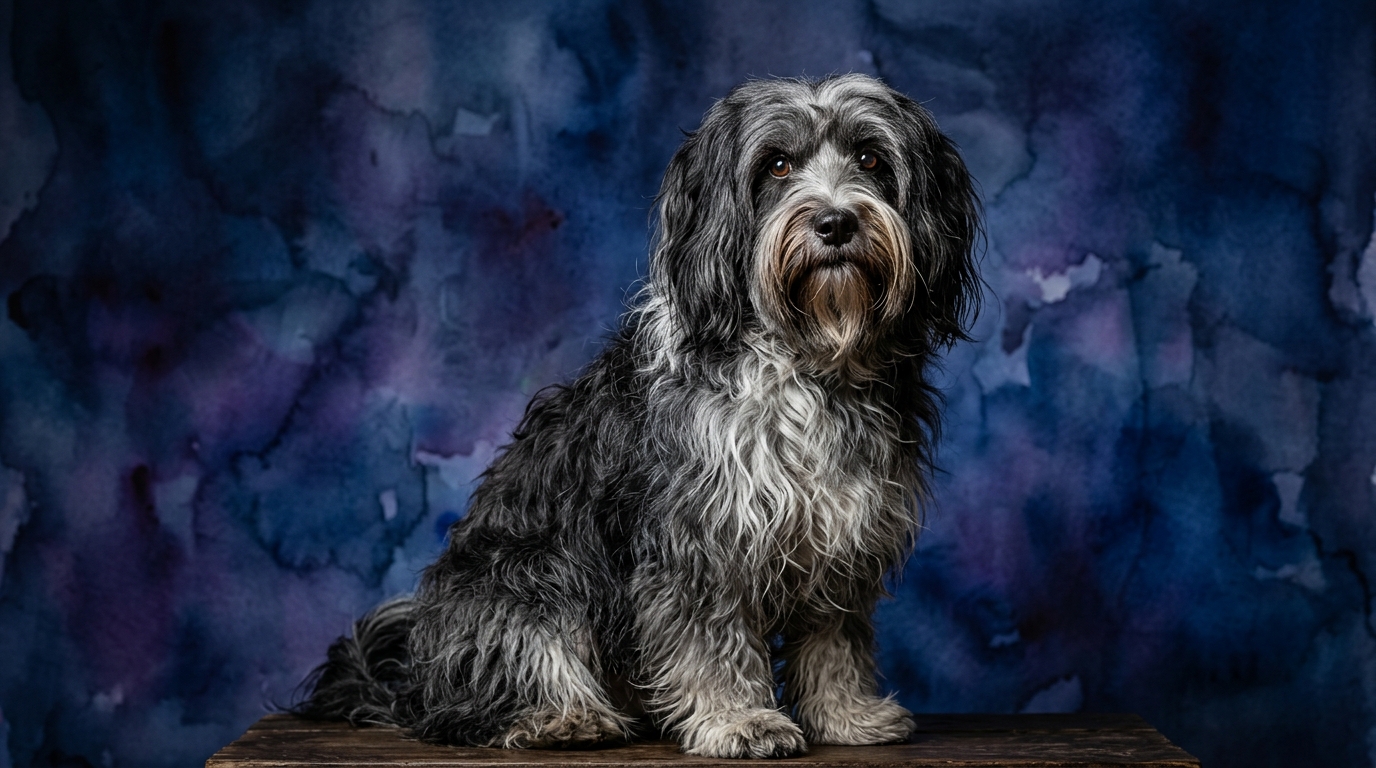
In contrast, the Tibetan Terrier, a Non-Sporting dog with a Coren rank of #63, presents a more moderate cognitive profile. Its scores are consistent across all dimensions: Problem Solving 3/5, Training Speed 3/5, Social Intelligence 3/5, Instinctive Drive 3/5, and Memory 3/5. This indicates a capable but perhaps more independent learner, one that processes information steadily and retains it reliably, but without the intense drive or rapid acquisition seen in its herding counterpart. The Tibetan Terrier’s cognitive makeup points to a thoughtful companion rather than a driven worker.
For the Shetland Sheepdog, a Problem Solving score of 4/5 means they frequently devise solutions to environmental obstacles, demonstrating strategic thinking in scenarios like retrieving a hidden toy or navigating complex agility courses. Their perfect 5/5 in Training Speed highlights an exceptional ability to grasp new commands with minimal repetitions, driven by a keen focus and eagerness to collaborate. A 4/5 in Social Intelligence ensures they are acutely attuned to human emotions and subtle cues, making them intuitive and responsive companions. Their 5/5 Instinctive Drive reflects a powerful innate desire to gather and manage, providing a persistent work ethic and a need for purpose-driven activity. Finally, a 5/5 Memory allows them to recall learned behaviors and complex sequences with outstanding reliability over extended periods.
The Tibetan Terrier’s Problem Solving at 3/5 suggests they approach challenges with a thoughtful, often independent, method, capable of navigating household puzzles but perhaps taking more time or relying on trial and error. A 3/5 Training Speed indicates they are capable learners, but require consistent, patient instruction, as their independent streak can sometimes lead to selective engagement. Their 3/5 Social Intelligence means they connect well with their family but may be more reserved with strangers, observing situations before fully engaging. An Instinctive Drive of 3/5 shows they enjoy activity but are not typically driven by an overwhelming urge to 'work,' content with varied levels of engagement. Lastly, a 3/5 Memory means they reliably retain day-to-day routines and commands, though complex sequences might require more consistent reinforcement.
Where Shetland Sheepdog Wins Cognitively
The Shetland Sheepdog's cognitive profile consistently reflects its heritage as a working herding dog, excelling in areas demanding mental agility and responsiveness. Its 4/5 Problem Solving score means it frequently assesses situations and develops effective solutions, whether it’s figuring out how to open a child-proof gate or mastering a complex agility course. This isn't just about following commands; it's about active, adaptive thinking. Coupled with a perfect 5/5 in Training Speed, Shelties absorb new information with astonishing alacrity, often mastering a command in just a few repetitions. This eagerness to learn, combined with a 5/5 Memory, allows them to build a vast repertoire of skills and retain them reliably over time, making them prime candidates for advanced obedience, rally, or canine freestyle. Their 5/5 Instinctive Drive translates into an intense focus and desire to be engaged in purposeful activity, providing a powerful intrinsic motivation that fuels their cognitive efforts. This breed thrives on having a 'job,' even if that job is learning new tricks or participating in interactive puzzle games, demonstrating a deep satisfaction in mental exertion. Their 4/5 Social Intelligence allows them to anticipate handler intentions and react to subtle cues, creating a seamless partnership in training and daily life. This acute awareness helps them excel in collaborative tasks, making them highly perceptive partners in any cognitive challenge.
Where Tibetan Terrier Wins Cognitively
While the Tibetan Terrier's scores might appear lower than the Shetland Sheepdog's, its cognitive strengths lie in a different sphere, offering a unique blend of independence and adaptability that can be a significant 'win' for specific lifestyles. With a 3/5 in Problem Solving, the Tibetan Terrier approaches challenges with a thoughtful, sometimes unconventional, independence. They aren't driven by an urgent need to please their handler through quick solutions, often preferring to ponder a situation and devise their own, sometimes surprisingly clever, method. This independent problem-solving means they can be incredibly resourceful when left to their own devices, capable of entertaining themselves and navigating their environment without constant human direction. Their 3/5 Instinctive Drive is a cognitive advantage for owners seeking a companion less intensely driven by a need for constant 'work' or high-octane mental stimulation. This moderate drive allows them to be content with a varied routine, embracing periods of relaxation as readily as periods of activity, without the potential for restlessness that can accompany higher-drive breeds if their needs aren't met. Furthermore, their 3/5 Social Intelligence means they are affectionate and connected to their family but possess a certain self-assuredness, making them less prone to anxiety about social nuances or the need for constant validation. This balanced social awareness allows them to be confident in new environments and with new people, observing before engaging fully, a cognitive trait that fosters resilience and self-reliance rather than dependence. This self-contained cognitive approach makes them robust companions who are secure in their own minds.
Which is Easier to Train and Why
When considering ease of training, the Shetland Sheepdog clearly presents a more straightforward path for most owners due to its superior cognitive attributes in areas directly related to learning. With a perfect 5/5 Training Speed, Shelties are renowned for their rapid acquisition of new commands and routines. This exceptional responsiveness stems from a profound eagerness to please their handler and a deep focus during training sessions. They actively seek direction and find immense satisfaction in performing tasks correctly, which, combined with their 5/5 Memory, means skills learned are retained efficiently and reliably over long periods. Their high Instinctive Drive (5/5) also plays a crucial role; it translates into a strong work ethic and a consistent desire to be engaged in purposeful activity, making them highly motivated students. In contrast, the Tibetan Terrier, with a 3/5 Training Speed and 3/5 Memory, requires more patience and consistency. While perfectly capable of learning, their independent nature means they might not always see the immediate value in performing a command, sometimes leading to a 'what's in it for me?' attitude. They can be thoughtful and deliberate in their learning, but their occasional stubborn streak requires a trainer who uses positive reinforcement, makes training fun, and understands that progress might be slower and require more repetition. The Tibetan Terrier's moderate Instinctive Drive (3/5) means they aren't inherently compelled to 'work' in the same way a Sheltie is, so motivation needs to be carefully cultivated, often through engaging games and high-value rewards, rather than relying solely on their inherent desire to please.
Which Suits Active Owners vs Relaxed Owners
The cognitive profiles of the Shetland Sheepdog and the Tibetan Terrier naturally align with different owner lifestyles, particularly concerning activity levels and mental engagement. The Shetland Sheepdog, with its 5/5 Instinctive Drive, 4/5 Problem Solving, and 5/5 Memory, thrives with active owners who can provide consistent mental and physical stimulation. These dogs possess a profound need for purpose and engagement, making them ideal for individuals or families who enjoy dog sports like agility, obedience, flyball, or herding trials. Their sharp minds need challenges, and their energetic bodies need outlets; a Sheltie left without sufficient mental work can become restless or invent its own, potentially less desirable, 'jobs.' They excel when given opportunities to learn complex sequences, solve puzzles, and participate in interactive play that taps into their herding instincts, requiring owners who are prepared to dedicate significant time to structured activities. Conversely, the Tibetan Terrier, with its more moderate 3/5 scores across the board for Problem Solving, Instinctive Drive, and Memory, is a better fit for owners seeking a companion that is adaptable and content with a more relaxed pace, while still enjoying activity. While they certainly appreciate walks, playtime, and learning new things, they do not possess the same relentless drive for constant mental and physical exertion as the Sheltie. A Tibetan Terrier is often just as happy curled up on the couch after a moderate walk as it is exploring a new trail. They suit owners who enjoy a balanced lifestyle, perhaps with daily walks and some interactive play or training sessions, but without the intense commitment required to satisfy a high-drive working breed. Their independent nature also means they are often more self-sufficient in occupying themselves, making them a good choice for those who appreciate a dog that isn't constantly demanding attention or a 'job.'
The Verdict
Choose a Shetland Sheepdog if you are an active, dedicated owner eager to engage in advanced training, dog sports, and provide consistent mental challenges for a highly responsive and task-oriented companion.
Opt for a Tibetan Terrier if you seek an adaptable, independent companion content with a more moderate activity level and enjoy a dog that thinks for itself while still being affectionate and engaging.
🧠 Find Your Pet's IQ Score
Our Pet IQ Lab assessment covers 25+ tests across 5 cognitive dimensions — personalized to your breed.
Take the Full IQ Test →Frequently Asked Questions
Do Shetland Sheepdogs require more exercise than Tibetan Terriers?
Yes, Shetland Sheepdogs generally require more structured exercise and mental stimulation due to their high instinctive drive and working heritage, while Tibetan Terriers are content with moderate daily activity.
Are Tibetan Terriers difficult to train because of their independence?
Tibetan Terriers are not difficult to train, but their independent nature means they may require more patience, consistency, and positive reinforcement than highly eager-to-please breeds like the Shetland Sheepdog.
Which breed is better for a first-time dog owner?
A Tibetan Terrier might be more forgiving for a first-time owner due to its more moderate drive and adaptability, whereas a Shetland Sheepdog's intense cognitive needs can be demanding for an inexperienced owner if not properly managed.