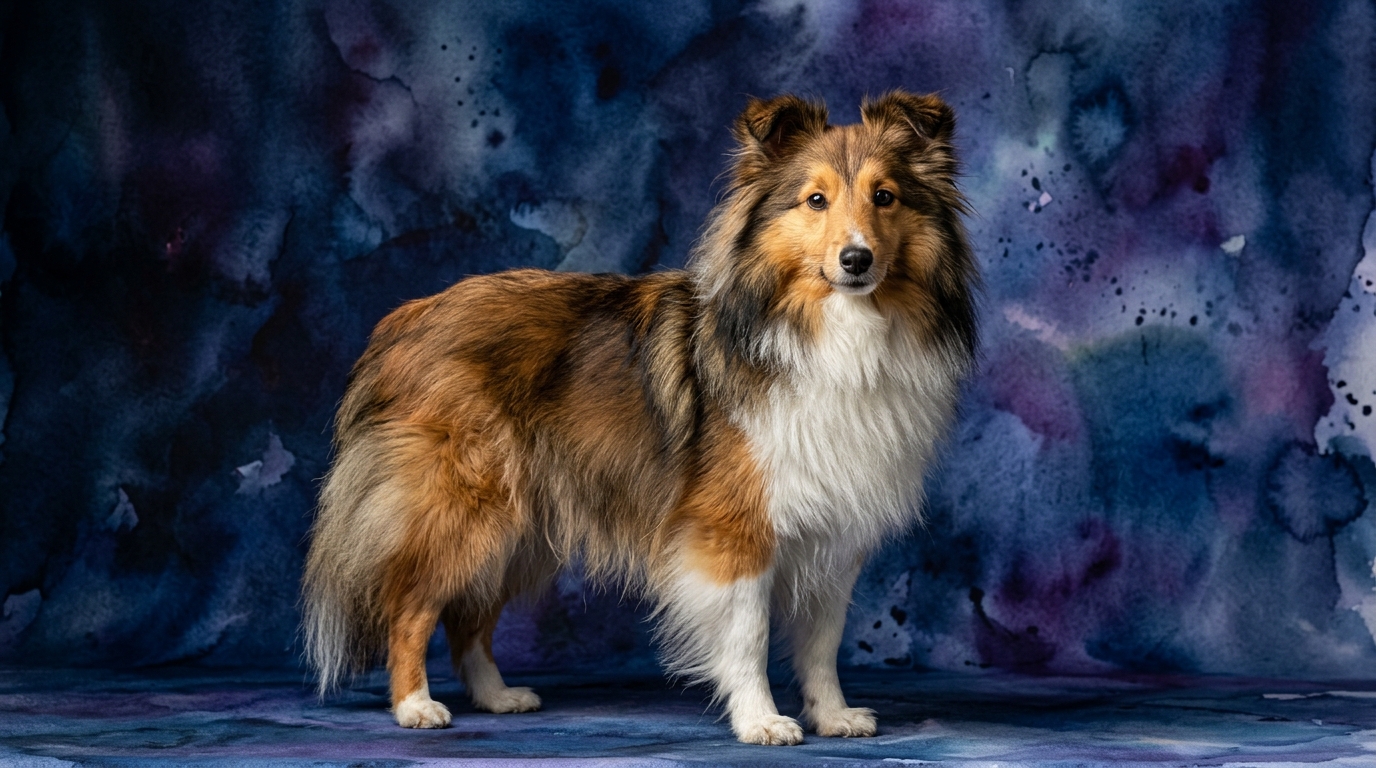
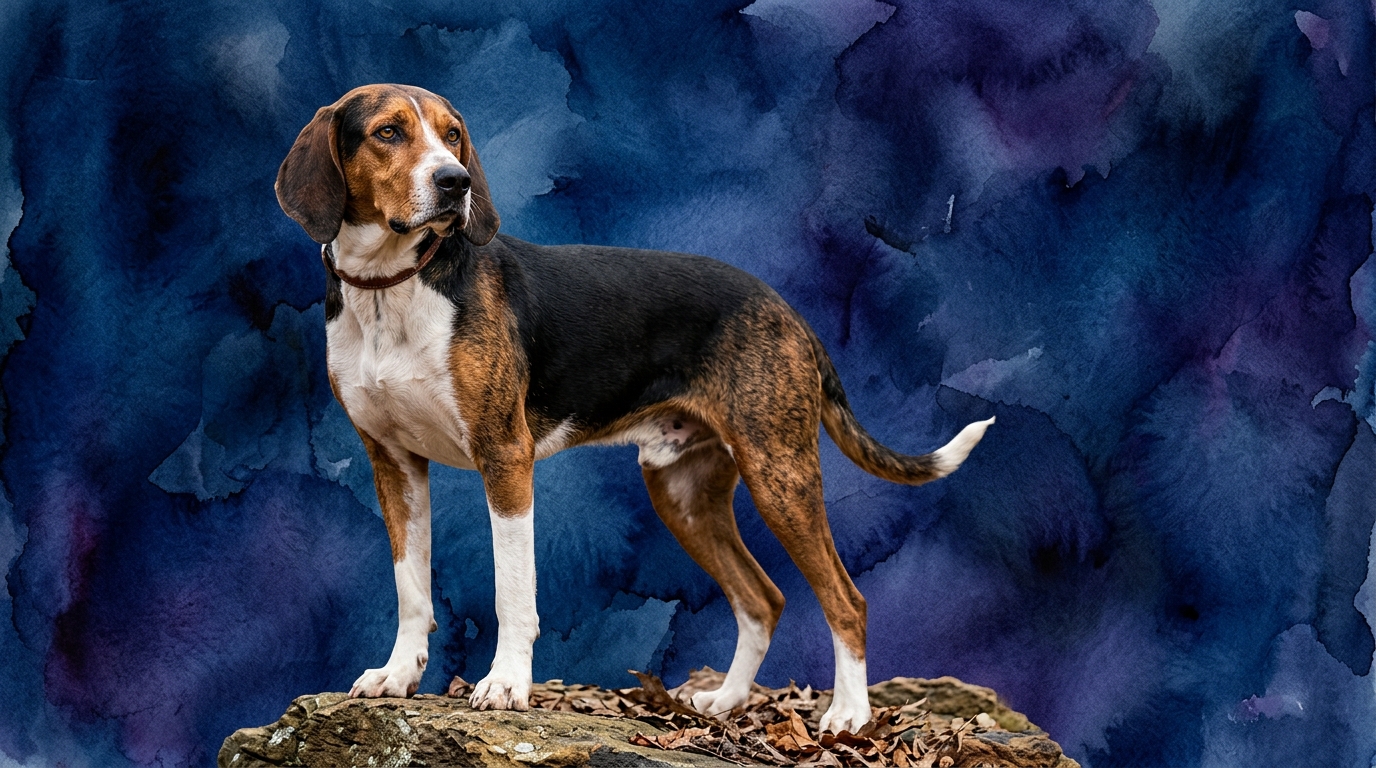
Side-by-Side IQ Profile: Herder vs. Hound
Shetland Sheepdog (Herding Group): This breed, ranked #6 by Stanley Coren for working intelligence and obedience, exhibits a comprehensive suite of cognitive abilities. Their Problem Solving (4/5) is evident in their capacity to strategize during herding tasks, adapting to changing flock movements or navigating obstacles. They excel at understanding cause-and-effect in their environment, often figuring out how to manipulate objects or open gates. Training Speed (5/5) is a hallmark; Shelties grasp new commands and complex routines with remarkable alacrity, often requiring only a few repetitions to solidify a behavior. Their Social Intelligence (4/5) allows them to read human moods and intentions with precision, making them highly attuned companions who readily respond to subtle cues. An Instinctive Drive (5/5) rooted in their herding heritage means they possess a strong desire to work, to gather, and to control movement, which translates into a persistent and purposeful demeanor. Finally, their Memory (5/5) is exceptional, enabling them to recall vast repertoires of commands, intricate agility courses, and past experiences with clarity, making them reliable and consistent performers.
Treeing Walker Coonhound (Hound Group): Unranked by Coren, the Coonhound’s cognitive profile is geared towards its specific hunting purpose. Their Problem Solving (3/5) primarily manifests in their ability to decipher complex scent trails, navigating varied terrains and obstacles to locate quarry. This isn't abstract problem-solving in the human sense, but a highly specialized, sensory-driven form of environmental navigation. Training Speed (3/5) indicates they are capable of learning, but often require more patience and repetition than a herding breed. Their independent nature and strong olfactory distractions can make initial command acquisition a longer process. Social Intelligence (3/5) suggests they form bonds with their human families and pack members, but their primary focus often lies outside the immediate human interaction when a scent is present. They might be less attuned to subtle human body language or vocal inflections compared to breeds bred for close collaboration. Their Instinctive Drive (3/5) is overwhelmingly focused on scent and the pursuit of game, which can override other learned behaviors or social cues. This powerful drive fuels their endurance and determination in the field. While their Memory (3/5) for commands might be average, their memory for scent patterns and geographical locations relevant to a hunt is likely far more developed, allowing them to retrace complex trails.
Where the Shetland Sheepdog Wins Cognitively
The Shetland Sheepdog's cognitive strengths lie in their versatility and eagerness for cooperative tasks. Their superior Problem Solving (4/5) allows them to excel in dynamic situations, quickly assessing and responding to changes, whether it’s a new agility course obstacle or an unexpected household scenario. This adaptability extends beyond mere instinct; they genuinely think through situations. Their Training Speed (5/5) and Memory (5/5) combine to make them incredibly efficient learners, capable of mastering intricate multi-step commands and maintaining a vast vocabulary of cues. This makes them exceptional candidates for obedience, rally, and trick training, where precision and sequence retention are paramount. Furthermore, their high Social Intelligence (4/5) means they are highly receptive to human communication, often anticipating requests and adjusting their behavior based on subtle handler cues, fostering a deep, almost telepathic working relationship. They thrive on mental stimulation that involves interaction and complex learning.
Where the Treeing Walker Coonhound Wins Cognitively
While the Treeing Walker Coonhound's overall scores might appear lower in a generalized cognitive assessment, their unique strengths are profoundly specialized and incredibly effective within their domain. Their Problem Solving (3/5), though not abstract, is unparalleled in the realm of scent detection and trail navigation. They can follow incredibly faint and old trails, discerning individual scents amidst a cacophony of odors, a cognitive feat that surpasses many breeds. This isn't just instinct; it's an intricate process of sensory data interpretation and persistent pursuit. Their Instinctive Drive (3/5), while sometimes challenging for training, is an immense asset in the field, providing them with the unwavering focus and stamina required to track game for hours. Their specialized Memory (3/5) for scent profiles and geographical features related to a hunt is exceptional, allowing them to effectively work a trail and recall previous successful hunting grounds. In environments where olfactory acuity and independent, persistent tracking are paramount, the Treeing Walker Coonhound exhibits a cognitive prowess that few other breeds can match.
Trainability: A Tale of Two Drives
Without question, the Shetland Sheepdog is demonstrably easier to train for general obedience and companion tasks. Their Training Speed (5/5) is unparalleled; they pick up new commands often in just a few repetitions, eager to please their handler. This is bolstered by their high Social Intelligence (4/5), meaning they are deeply motivated by human interaction and praise, and are quick to understand what is expected of them. Their strong Instinctive Drive (5/5), focused on cooperation and working alongside humans, further enhances their trainability, as they naturally look to their handler for direction and purpose. Shelties thrive on structure and enjoy the mental exercise that training provides.
The Treeing Walker Coonhound, conversely, presents a greater training challenge, primarily due to its specialized Instinctive Drive (3/5) and independent nature. While capable of learning, their Training Speed (3/5) is slower, requiring far more patience, repetition, and high-value rewards. Their world is dominated by scent, and once a compelling odor is detected, their drive to pursue it often overrides any learned commands, making reliable recall particularly difficult in an open environment. Their Social Intelligence (3/5), while sufficient for bonding, doesn't translate into the same eagerness for collaborative work or attentiveness to subtle human cues that a Sheltie exhibits. Training a Coonhound requires an understanding of their deep-seated instincts and a commitment to making training more engaging than the allure of a captivating scent. Owners must be prepared for a dog whose nose often dictates its priorities.
Owner Suitability: Active Engagement vs. Scent-Driven Pursuit
Both breeds generally suit active owners, but the type of activity differs significantly. The Shetland Sheepdog is an excellent match for owners who enjoy interactive activities that engage both body and mind. They thrive in dog sports like agility, obedience, rally, and flyball, where their speed, agility, and cognitive abilities are fully utilized. They also enjoy long walks, hiking, and interactive play sessions, but their mental stimulation needs are as crucial as their physical ones. They are not suited for purely relaxed owners, as their high Instinctive Drive (5/5) and cognitive capacity mean they require consistent engagement to prevent boredom and potential behavioral issues.
The Treeing Walker Coonhound also requires an active lifestyle, but one that often revolves around their primary instinct: scent work. They are ideal for owners who are avid hunters, participate in scent trials, or are committed to providing extensive opportunities for supervised off-leash exploration in secure areas where they can follow their nose. Their stamina and endurance are considerable, making them suitable for long hikes and runs. However, their independent nature and strong prey drive mean that 'relaxed' activities might not be fulfilling for them without an outlet for their scenting abilities. A relaxed owner who cannot provide appropriate mental and physical outlets for a Coonhound's inherent drive will likely find the dog restless and potentially destructive, as their Instinctive Drive (3/5) needs specific fulfillment.
The Verdict
If your lifestyle demands a highly cooperative, adaptable, and rapidly trainable companion for diverse activities and close human interaction, the Shetland Sheepdog is the clear choice.
If you seek a persistent, independent, and specialized scent worker with incredible endurance, and you are prepared to cater to their profound olfactory drive, the Treeing Walker Coonhound will be an incredibly rewarding partner.
🧠 Find Your Pet's IQ Score
Our Pet IQ Lab assessment covers 25+ tests across 5 cognitive dimensions — personalized to your breed.
Take the Full IQ Test →Frequently Asked Questions
Are Treeing Walker Coonhounds good family dogs?
Yes, Treeing Walker Coonhounds can be affectionate and loyal family dogs within their pack, often good with children if properly socialized, though their independent nature means they might not always be seeking constant interaction. They require consistent training and management of their strong scent drive to be well-adjusted household members.
Can a Shetland Sheepdog live in an apartment?
A Shetland Sheepdog can adapt to apartment living if their significant exercise and mental stimulation needs are consistently met through daily walks, playtime, and training sessions. Their vocal nature, however, means owners must be proactive in managing barking to avoid disturbing neighbors.
How much exercise do these breeds need?
Shetland Sheepdogs require at least 60-90 minutes of vigorous exercise daily, combined with mental challenges like puzzle toys or training sessions. Treeing Walker Coonhounds need extensive physical activity, ideally involving off-leash scent work or long, brisk walks/runs for 90 minutes or more daily, to satisfy their endurance and tracking instincts.