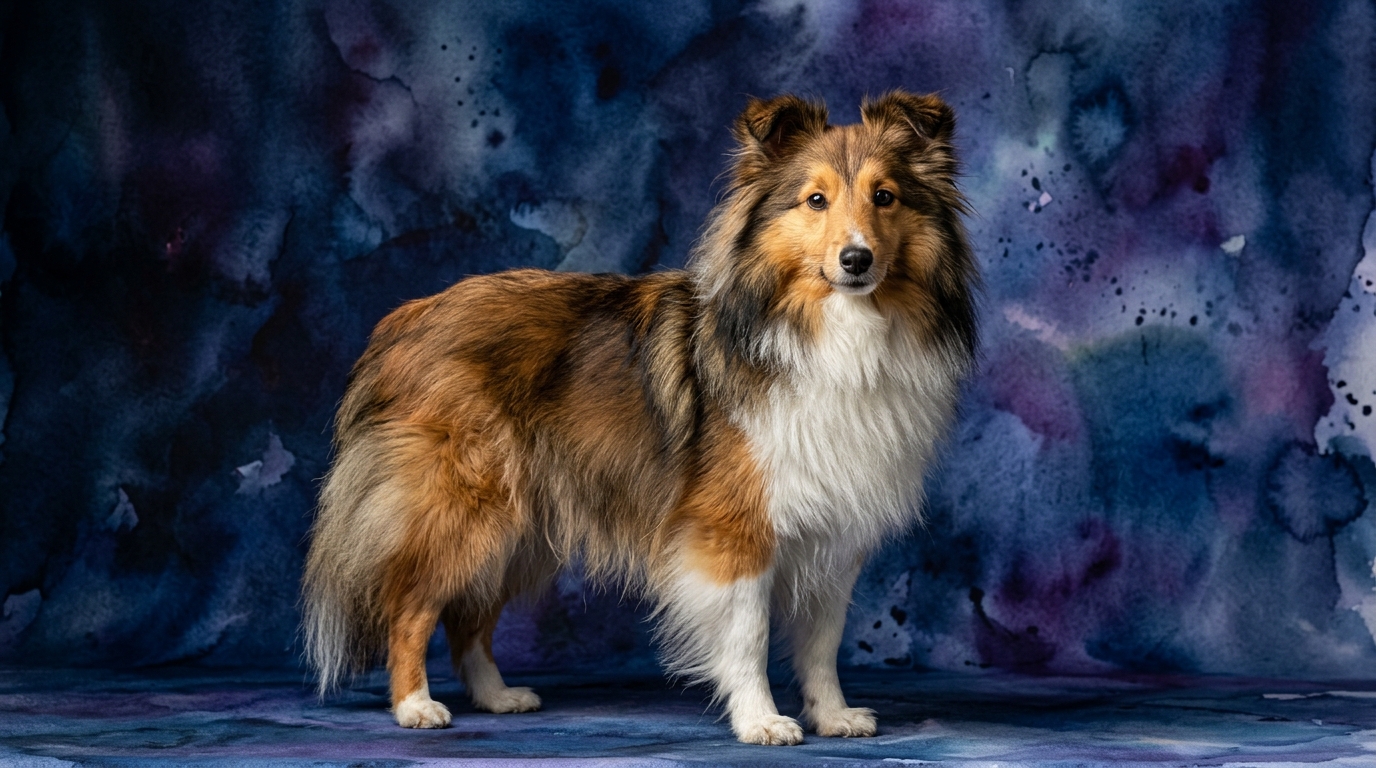
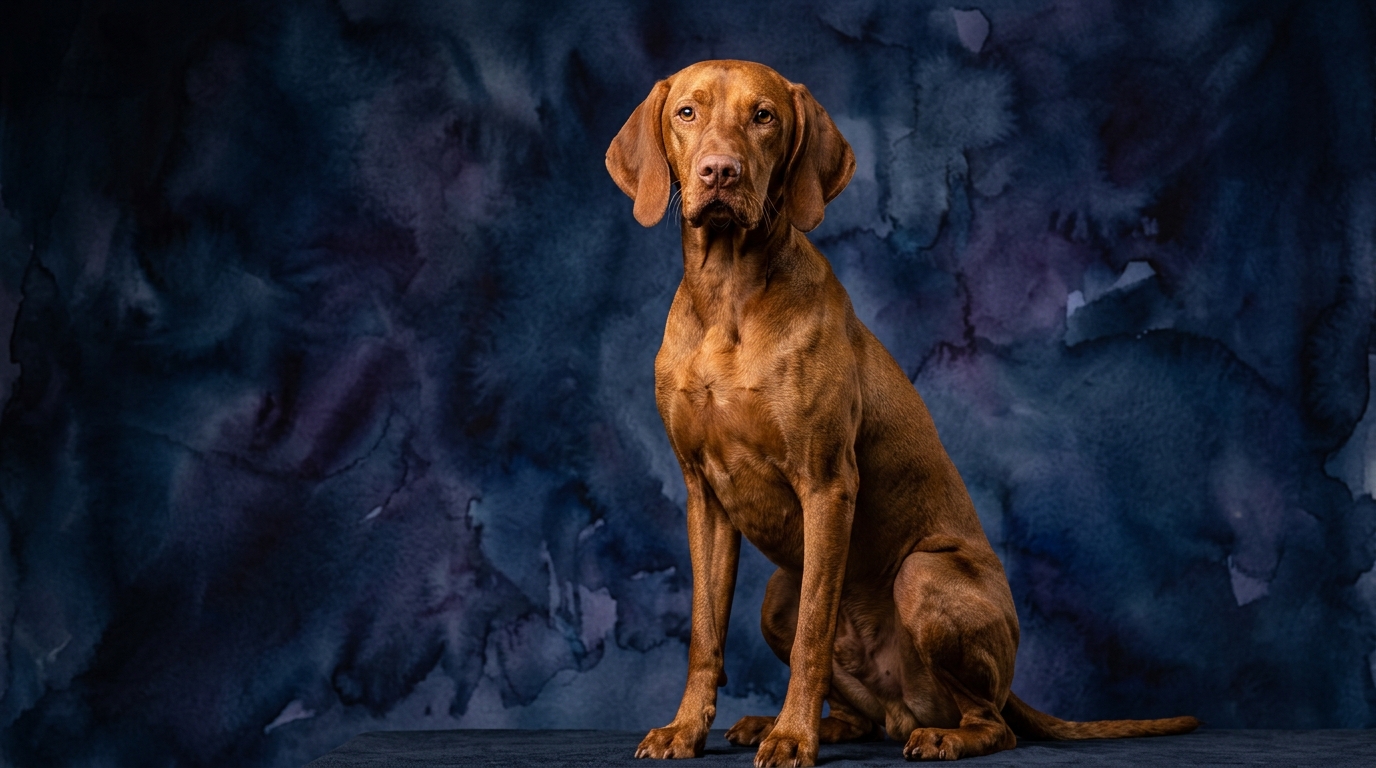
Side-by-Side IQ Profile: Shetland Sheepdog vs. Vizsla
The Cosmic Pet Pet IQ Lab assesses canine intelligence across five crucial dimensions, offering a granular view into each breed's cognitive strengths. Let's delve into how the Shetland Sheepdog (Coren rank #6) and the Vizsla (Coren rank #31) stack up.
Shetland Sheepdog:
Problem Solving (4/5): Shelties demonstrate strong practical problem-solving, adept at assessing situations and devising effective, often independent, solutions for tasks like livestock management or navigating new environments.
Training Speed (5/5): This breed rapidly grasps new commands and routines, often mastering complex tasks in very few repetitions, showcasing exceptional receptiveness and focus.
Social Intelligence (4/5): Shelties possess solid social cognition, understanding human cues well for cooperative work, though their social interactions can be more reserved, focusing on their immediate family.
Instinctive Drive (5/5): Their powerful herding instinct drives a strong work ethic and need for purposeful activity, channeling high energy into productive outlets.
Memory (5/5): Shelties exhibit remarkable long-term memory, retaining learned behaviors, commands, and complex task sequences over extended periods, contributing to consistent performance.
Vizsla:
Problem Solving (4/5): Vizslas display robust problem-solving, particularly in hunting or retrieving challenges, adept at navigating obstacles to achieve desired outcomes with persistence.
Training Speed (4/5): Vizslas learn commands efficiently with consistent reinforcement, picking up new information commendably, ensuring a smooth and rewarding training process.
Social Intelligence (5/5): This breed excels in social intelligence, forming deep bonds and demonstrating keen awareness of human emotional states, fostering intense loyalty and connection.
Instinctive Drive (5/5): The Vizsla's powerful hunting and retrieving instincts fuel their boundless energy and drive to explore, scent, and work closely with their owner.
Memory (4/5): Vizslas possess good memory, capable of recalling commands, routines, and experiences effectively, supporting their training and consistent performance, though perhaps with less immediate precision than a Sheltie.
Where the Shetland Sheepdog Wins Cognitively
The Shetland Sheepdog's cognitive edge is most apparent in its perfect 5/5 scores for training speed and memory recall. Shelties process and retain new information with exceptional efficiency, requiring minimal repetition to master complex sequences. This facility for rapid learning, coupled with robust memory, allows them to build a vast repertoire of skills, making them highly adaptable to various competitive disciplines like agility or obedience. Their herding history clearly honed this intellectual strength.
Where the Vizsla Wins Cognitively
The Vizsla distinguishes itself with a superior social intelligence score of 5/5, surpassing the Sheltie's 4/5. This heightened social acumen manifests as an exceptional ability to read and respond to human emotions and intentions, fostering an almost telepathic bond. Their deep desire for connection makes them exquisitely sensitive to their handler's moods, making them incredibly cooperative partners. This strong social drive, rooted in their close hunting companionship, enables profound, mutually understanding relationships.
Which is Easier to Train and Why
While both breeds are trainable, the Shetland Sheepdog generally presents as "easier" to train due to its perfect 5/5 training speed and memory. Shelties absorb commands with remarkable swiftness, often grasping concepts in just a few repetitions, and retain that knowledge for extended periods. This rapid learning curve, combined with their strong instinctive drive to work, means they progress quickly. The Vizsla, with a 4/5 training speed, learns efficiently but might require slightly more consistent reinforcement. However, the Vizsla's superior social intelligence means they are intensely motivated by owner interaction, making them very responsive, albeit with a different learning rhythm.
Which Suits Active Owners vs. Relaxed Owners
Both the Shetland Sheepdog and the Vizsla are fundamentally suited for active owners. The Sheltie, with its intense instinctive herding drive (5/5) and high energy, thrives on purposeful activity engaging both body and mind, such as herding games, agility, or competitive obedience. A relaxed owner might be overwhelmed by the Sheltie's constant need for mental stimulation and a "job." The Vizsla, with its equally potent instinctive drive (5/5) for hunting and retrieving, coupled with boundless physical energy, demands extensive daily exercise and consistent engagement. Their "velcro" nature, stemming from high social intelligence, means they want to be involved in *everything* their owner does. Neither breed is a good fit for a genuinely relaxed, sedentary lifestyle; both require significant commitment to their physical and cognitive needs.
The Verdict
Choose the Shetland Sheepdog if you seek a highly trainable, quick-to-learn companion eager for structured tasks and competitive dog sports, thriving on precision and a clear sense of purpose.
Opt for the Vizsla if you desire an intensely social, deeply bonded partner for outdoor adventures and active pursuits, valuing a strong emotional connection and shared experiences above all else.
🧠 Find Your Pet's IQ Score
Our Pet IQ Lab assessment covers 25+ tests across 5 cognitive dimensions — personalized to your breed.
Take the Full IQ Test →Frequently Asked Questions
Do Shetland Sheepdogs require more mental stimulation than Vizslas?
Both breeds demand substantial mental engagement. The Sheltie's rapid learning and memory excel with complex sequences and diverse challenges like puzzle toys or advanced obedience. The Vizsla's mental stimulation often centers on activities engaging their scenting and retrieving instincts, alongside extensive social interaction with their owner.
How does the Coren rank difference (Sheltie #6 vs Vizsla #31) manifest in daily life?
The Sheltie's higher Coren rank, reflecting quicker command grasp and consistent obedience, often means they learn household rules with fewer repetitions and maintain them reliably. The Vizsla, while capable, might need slightly more patience to embed new behaviors, though its strong social bond makes it highly motivated to cooperate.
Which breed is better for a first-time dog owner?
Neither breed is ideal for a truly novice owner due to their high energy and strong drives. However, a first-time owner committed to consistent training and ample exercise might find the Sheltie's rapid learning curve slightly more forgiving for command acquisition. The Vizsla's intense need for companionship and exercise requires a deeper understanding of active breed needs.