A Side-by-Side Cognitive Snapshot
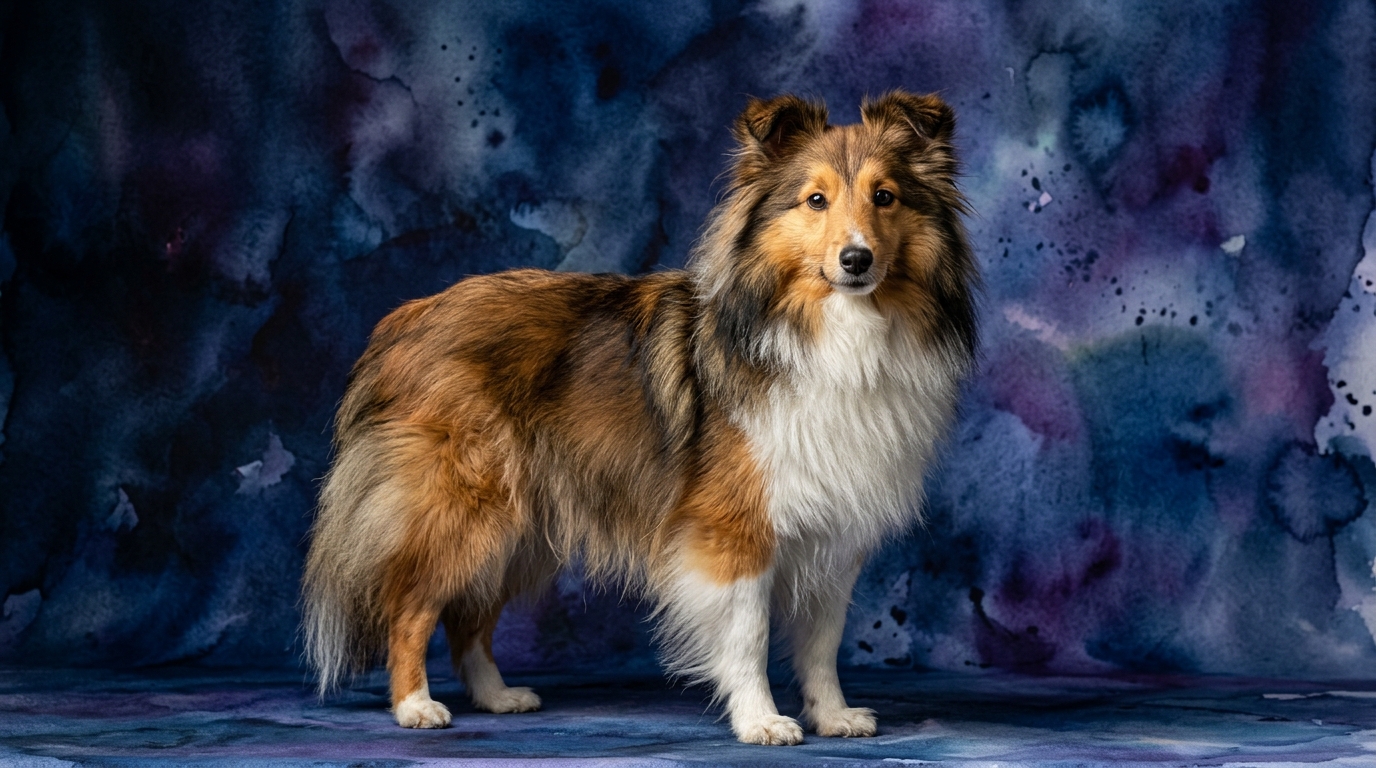
The Shetland Sheepdog, a breed consistently ranked high in obedience (Coren rank #6), exemplifies cooperative intelligence. Our Pet IQ Lab data highlights their exceptional problem-solving (4/5) for complex scenarios, rooted in their herding heritage. Their training speed is unparalleled (5/5), indicating a rapid grasp of commands, while social intelligence (4/5) allows for deep understanding of human cues. A strong instinctive drive (5/5) and phenomenal memory (5/5) solidify their role as highly receptive, purpose-driven companions.
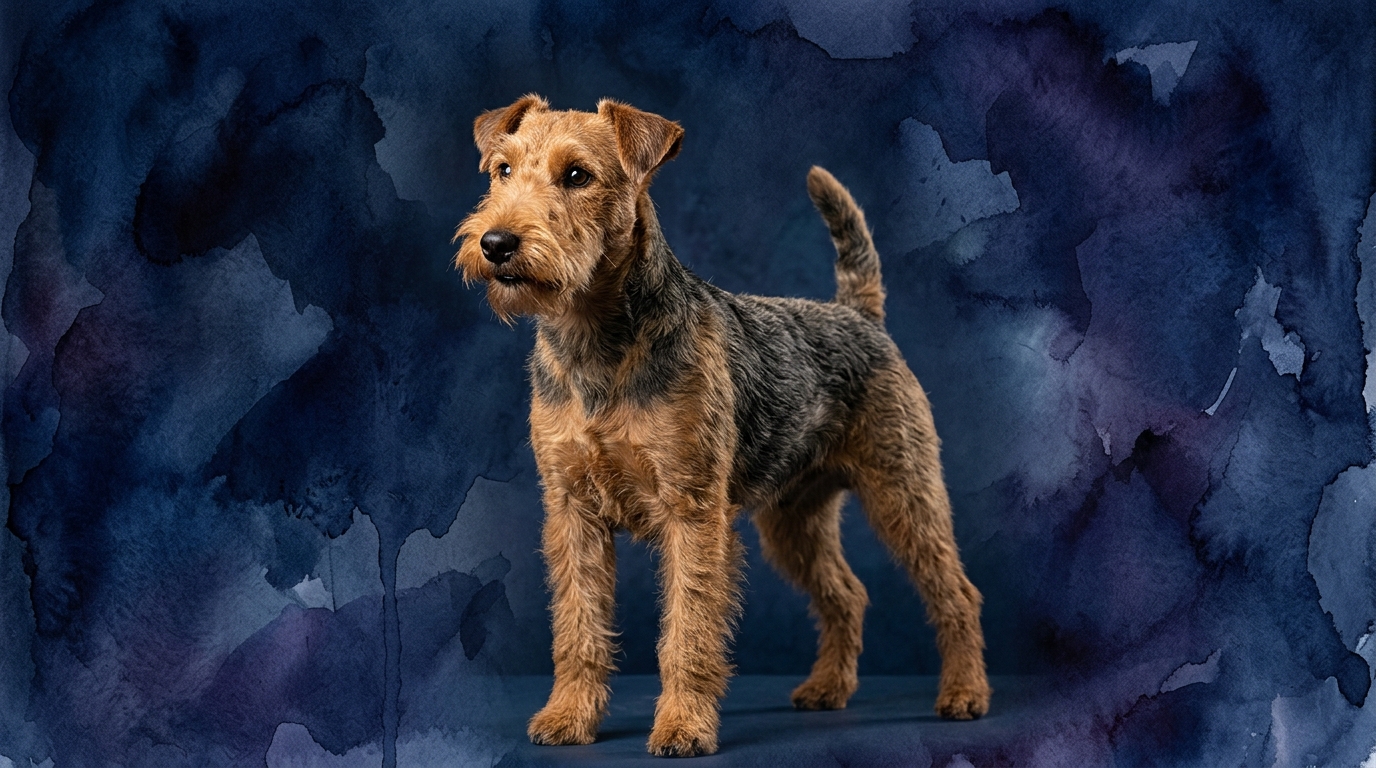
In contrast, the Welsh Terrier presents a different cognitive blueprint, shaped by its history as an independent hunter. Their problem-solving (3/5) suggests a practical, persistent approach to challenges, less about intricate cooperation. Training speed (3/5) is moderate, requiring consistent engagement, while social intelligence (3/5) shows they form bonds but maintain spirited independence. An instinctive drive (3/5) geared towards hunting, combined with a solid memory (3/5), defines a dog that learns effectively but often on its own terms.
Where the Shetland Sheepdog Excels Cognitively
The Sheltie's cognitive strengths stem from its herding lineage, demanding acute observation and seamless communication. This translates into superior performance in tasks requiring sequential learning, like complex agility courses, where their 5/5 memory ensures remarkable accuracy. They retain intricate patterns and cues, allowing for consistent, high-level execution in competitive obedience or advanced trick training, demonstrating a collaborative problem-solving approach.
Furthermore, their elevated social intelligence (4/5) means they are exquisitely tuned into human emotions and intentions, making them exceptionally responsive partners. This capacity for nuanced understanding helps them anticipate requests and adapt behavior based on subtle shifts in tone. Their 4/5 problem-solving score shines when faced with open-ended challenges requiring strategic thinking in collaboration with their human, such as figuring out multi-step retrievals guided by interaction.
The Welsh Terrier's Unique Cognitive Strengths
The Welsh Terrier's cognitive prowess lies in its self-reliance and tenacity, hallmarks of a breed developed for independent vermin control. Their problem-solving (3/5) is often geared towards overcoming obstacles with sheer determination and an individualistic approach. This manifests in persistence when tracking a scent or digging, demonstrating a focused, single-minded drive to complete tasks without constant human prompting. Their 3/5 instinctive drive is channeled into specific, deeply ingrained hunting behaviors.
Their moderate social intelligence (3/5) means they are less prone to being overly dependent, fostering a robust sense of self. While they appreciate companionship, they possess an inherent resilience, less likely to become anxious if left alone for reasonable periods, provided needs are met. This independence, while sometimes challenging in training, is a cognitive advantage where a dog must make decisions and act without constant human oversight, such as navigating new environments or solving puzzle toys on its own terms.
Training Dynamics: Biddable vs. Bold
When it comes to training, the Shetland Sheepdog is generally a remarkably eager student, streamlining the process. Their 5/5 training speed, combined with a desire to please and a stellar 5/5 memory, means they typically pick up commands with minimal repetition. Their natural inclination to 'check in' with their human for direction, a remnant of their herding role, makes them highly receptive to positive reinforcement, thriving on praise for their quick comprehension.
The Welsh Terrier, conversely, presents a more spirited training challenge due to its independent nature and moderate 3/5 training speed. While capable, they require engaging, varied sessions to maintain interest; rote repetition can lead to disengagement. Their solitary hunter background means they are less inclined to defer if a more interesting scent appears. Successful training involves making it a fun game, leveraging their curiosity and persistence, rather than relying solely on pleasing their owner.
Matching Breed to Lifestyle: Active Engagement vs. Spirited Independence
Shetland Sheepdogs are best suited for active owners who can provide ample mental stimulation alongside physical exercise. Their high instinctive drive (5/5) and problem-solving capacity (4/5) mean they thrive when given a 'job'—whether it's participating in dog sports like agility or obedience, learning complex tricks, or even just engaging in daily interactive games that challenge their minds. A relaxed owner unable to commit to consistent engagement may find a Sheltie becoming bored, manifesting as unwanted behaviors born from under-stimulation, as they flourish with purpose.
Welsh Terriers also require active owners, but their activity needs stem more from their terrier zest for life and hunting instincts. While they enjoy vigorous play and walks, their independence means they might not demand constant human interaction in the same way a Sheltie does. They can be content with focused bursts of activity, like a vigorous fetch session or a long sniff-walk, followed by quiet relaxation. A relaxed owner who understands and accommodates their independent spirit and provides outlets for digging or chasing, without necessarily needing a constant shadow, could find a Welsh Terrier a suitable companion, provided they are prepared for a dog with a strong, self-directed personality.
The Verdict
Choose the Shetland Sheepdog if you're seeking a highly cooperative, sensitive companion eager to learn complex tasks, excel in dog sports, and thrive on deep interaction and consistent mental challenges.
Opt for the Welsh Terrier if you appreciate a spirited, independent companion with a tenacious drive, enjoy engaging in focused physical activities, and are prepared for a dog that embraces its unique, self-reliant personality.
🧠 Find Your Pet's IQ Score
Our Pet IQ Lab assessment covers 25+ tests across 5 cognitive dimensions — personalized to your breed.
Take the Full IQ Test →Frequently Asked Questions
Are Shetland Sheepdogs good for first-time dog owners?
Yes, Shelties can be excellent for first-time owners due to their high trainability, desire to please, and generally gentle nature. However, new owners must be prepared to provide consistent mental stimulation and socialization to prevent anxiety or excessive barking.
Do Welsh Terriers get along with other pets?
Welsh Terriers can coexist with other pets, especially if socialized from a young age. However, their strong prey drive means small, fast-moving animals like hamsters or pet birds might trigger their instincts, so careful introductions and supervision are crucial.
What kind of mental exercise benefits a Welsh Terrier most?
Welsh Terriers benefit greatly from mental exercises that tap into their natural terrier instincts, such as scent work, puzzle toys that require problem-solving to get treats, or structured 'hunt' games. Agility and earthdog trials can also provide excellent mental and physical outlets, leveraging their tenacity and agility.