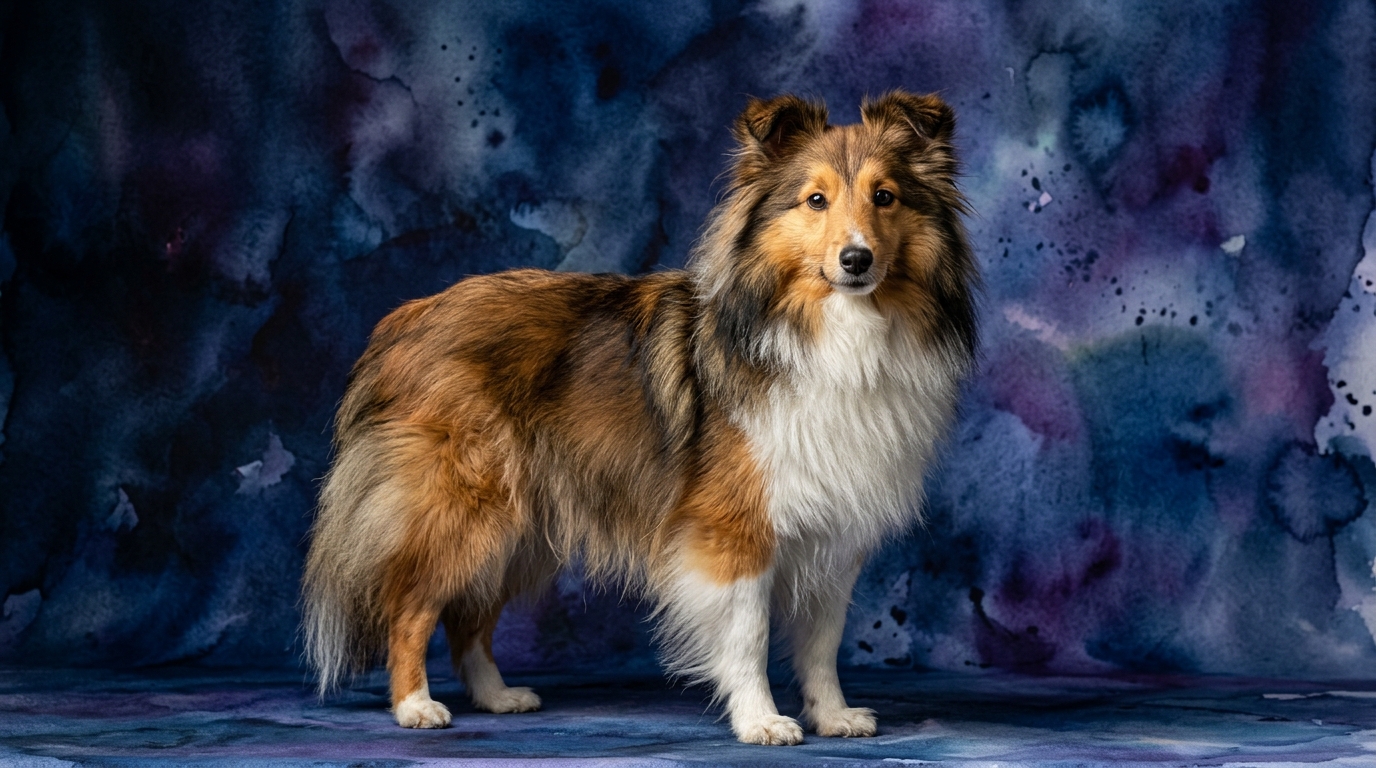
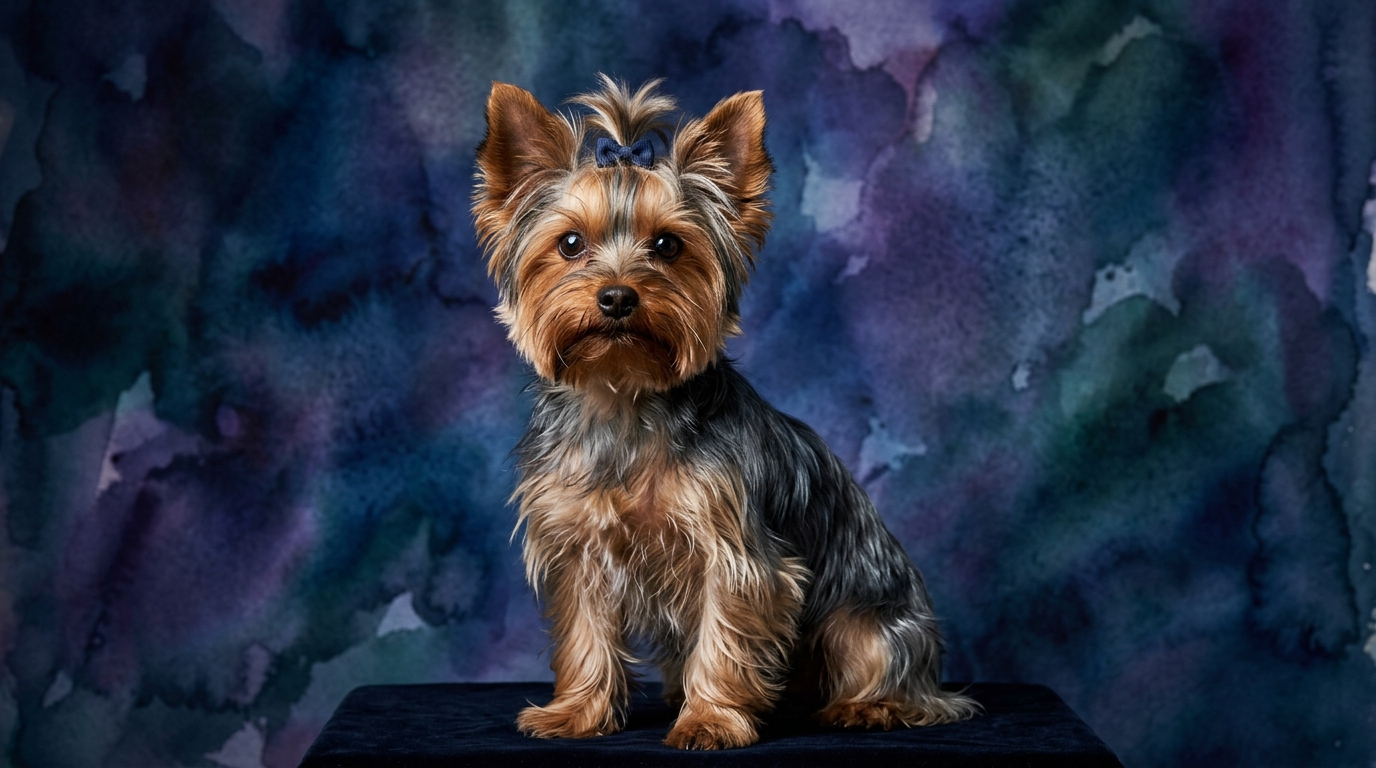
Side-by-side IQ profile
The Cosmic Pet Pet IQ Lab employs a comprehensive five-dimensional framework, moving beyond simple obedience metrics. The Shetland Sheepdog, a breed rooted in herding, demonstrates a highly adaptive and responsive mind, earning a Coren rank of #6. Its Problem Solving at 4/5 reflects an ability to navigate complex situations. Training Speed is 5/5, indicating exceptional capacity for rapid learning. Social Intelligence at 4/5 suggests strong awareness of human cues. Instinctive Drive at 5/5 underscores its inherent motivation for purpose-driven tasks, a direct legacy of herding, while Memory at 5/5 ensures excellent recall.
In contrast, the Yorkshire Terrier, developed for ratting, presents a specialized cognitive blueprint, holding a Coren rank of #27. Its Problem Solving at 3/5 indicates a resourceful nature for immediate challenges. Training Speed at 4/5 demonstrates good learning capacity, though potentially requiring more repetition. Social Intelligence matches the Sheltie at 4/5, highlighting its keen awareness of human interaction. Instinctive Drive of 4/5 reflects a persistent, independent spirit. Memory at 4/5 means the Yorkie retains information effectively.
Where Shetland Sheepdog wins cognitively
The Shetland Sheepdog's cognitive strengths are particularly evident in its superior scores, reflecting its heritage of complex problem-solving and collaboration. Its Problem Solving at 4/5, compared to the Yorkie's 3/5, allows Shelties to excel in tasks requiring sequential thought, adapting to changing variables, or understanding multi-step commands like agility. The Sheltie's Training Speed of 5/5 significantly outpaces the Yorkie's 4/5, meaning these dogs grasp new concepts with fewer repetitions, making them exceptionally responsive to structured learning.
Furthermore, its Instinctive Drive of 5/5 translates into a profound eagerness for purposeful activities, whether "herding" family members or participating in puzzle games. Coupled with a Memory of 5/5, Shelties exhibit remarkable retention, making long-term behavioral consistency a more achievable goal for owners seeking deep mental engagement.
Where Yorkshire Terrier wins cognitively
While the Yorkshire Terrier's numerical scores may not surpass the Sheltie's in direct metrics, its unique cognitive profile presents distinct advantages for particular lifestyles. The Yorkie’s Problem Solving at 3/5 manifests as a tenacious, independent resourcefulness, excelling in finding dropped treats or figuring out how to get attention, often with a clever, self-directed approach. Its Instinctive Drive of 4/5, perfectly matched for its original purpose of hunting small prey, translates into persistent curiosity and focused determination for personal pursuits.
For owners seeking a companion whose engagement is often self-initiated and focused on personal rather than collaborative tasks, this drive is a significant "win." The Yorkie’s Social Intelligence at 4/5, matching the Sheltie, is particularly powerful when combined with its smaller stature, allowing for deep emotional bonds and adaptation to various social settings, making them exceptional, attentive companions.
Which is easier to train and why
For ease of training, the Shetland Sheepdog holds a distinct advantage due to its superior Training Speed (5/5), Problem Solving (4/5), and Memory (5/5). Shelties were bred to respond swiftly and accurately to complex commands from a distance, quickly interpreting signals and retaining a vast repertoire of actions. This inherent predisposition means they often pick up new cues in just a few repetitions, making training remarkably efficient. Their high Instinctive Drive (5/5) fosters a strong desire to please and a natural inclination towards structured work, fueling their trainability.
The Yorkshire Terrier, while having good Training Speed (4/5) and Memory (4/5), may present more challenges. Their terrier heritage imbues them with independence; while capable of learning, their Problem Solving (3/5) might require more consistent, patient repetition. A Yorkie's motivation is often more self-serving, demanding creative and consistent engagement from trainers.
Which suits active owners vs relaxed owners
The choice between these breeds often depends on an owner's lifestyle. The Shetland Sheepdog, with its high Instinctive Drive (5/5), superior Training Speed (5/5), and strong Problem Solving (4/5), is an ideal match for active owners who relish engaging their canine companions in diverse mental and physical activities. These dogs thrive on purpose-driven tasks like agility, obedience, or long, brisk walks with puzzle games. An active owner can fully leverage the Sheltie's cognitive strengths, preventing boredom and potential behavioral issues.
Conversely, the Yorkshire Terrier, while needing consistent engagement, is generally more adaptable to relaxed owners. Its Instinctive Drive (4/5) and Problem Solving (3/5) are often satisfied with less intensive, though regular, interaction. Short, frequent walks and interactive play can fulfill a Yorkie's needs, making them suitable for apartment living and owners seeking a devoted companion without extensive, structured work.
The Verdict
Opt for a Shetland Sheepdog if you are an active owner seeking a highly trainable, collaborative companion eager for mental challenges and structured activities, thriving on a consistent "job."
Select a Yorkshire Terrier if you desire a tenacious, affectionate companion adaptable to varied living situations, valuing intimate social bonds and more independent forms of engagement.
🧠 Find Your Pet's IQ Score
Our Pet IQ Lab assessment covers 25+ tests across 5 cognitive dimensions — personalized to your breed.
Take the Full IQ Test →Frequently Asked Questions
Are Shetland Sheepdogs good for first-time dog owners?
Shetland Sheepdogs can be excellent for first-time owners who are prepared for their significant training and exercise needs. Their eagerness to please and rapid learning curve can make the training process rewarding, but their high drive requires commitment to consistent mental and physical stimulation.
Do Yorkshire Terriers bark a lot due to their terrier nature?
Yorkshire Terriers can be prone to barking, a trait often stemming from their alert, vigilant terrier instincts and their tendency to vocalize to communicate. Consistent training and early socialization can help manage excessive barking, but owners should expect some level of vocal expression from this breed.
How do their Coren ranks relate to their practical intelligence?
Coren ranks primarily reflect a dog's working and obedience intelligence, indicating how quickly they learn new commands and how reliably they obey them. The Sheltie's #6 rank signifies its exceptional capacity for obedience and task-oriented learning, while the Yorkie's #27 rank still places it within the above-average category for working intelligence, meaning both are capable learners, just with different speeds and motivations.