Side-by-Side IQ Profile
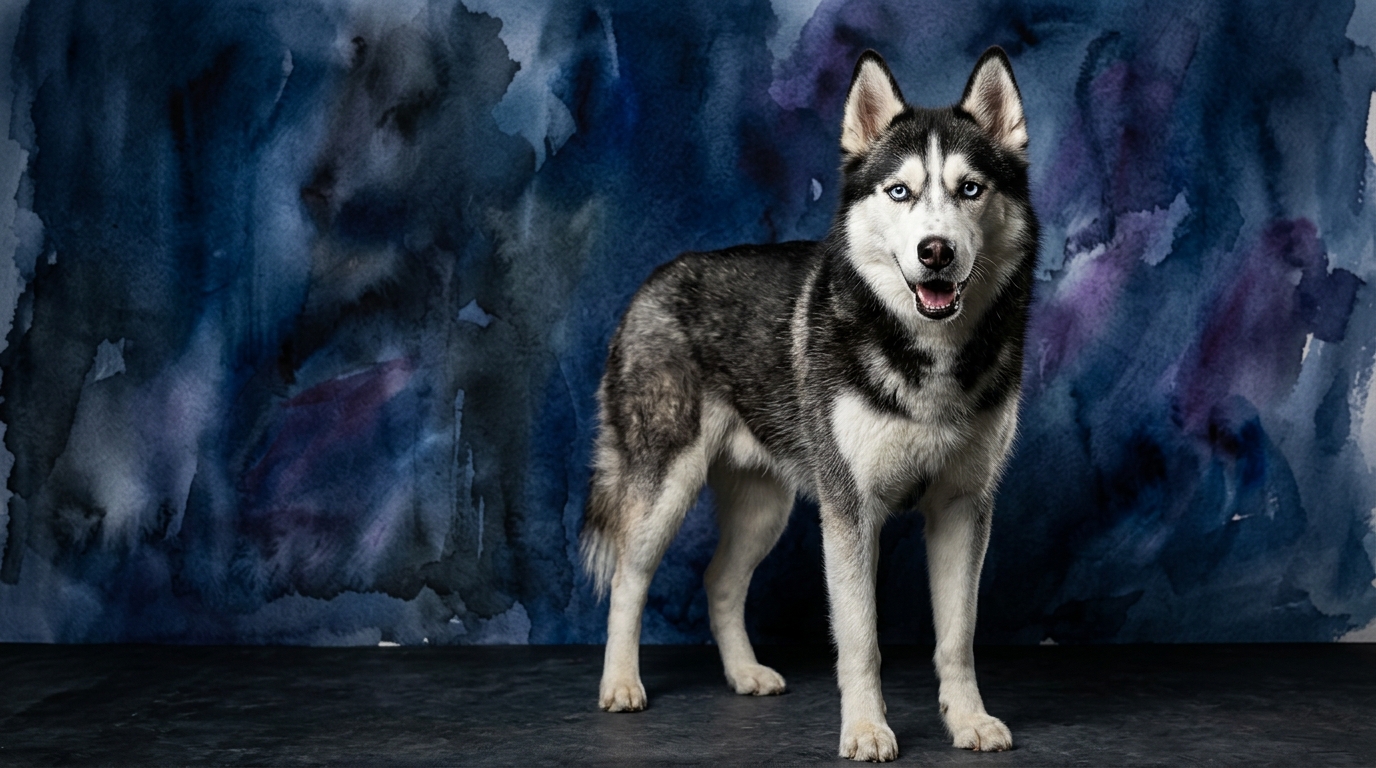
The Siberian Husky's cognitive profile, ranked #45 by Coren, illustrates a breed characterized by its independent spirit and resourceful nature. Their problem-solving capacity scores a robust 4 out of 5, indicating a strong aptitude for navigating complex situations and devising their own solutions, often without direct human instruction. Training speed, however, sits at 2 out of 5, suggesting that while capable, they require consistent, engaging methods to absorb new commands, often prioritizing their own agenda. Social intelligence is rated 3 out of 5, reflecting an ability to understand and interact within social structures, though perhaps with a degree of aloofness. A powerful instinctive drive, rated 5 out of 5, underscores their deep-seated urges for activities like running, exploring, and pack dynamics. Finally, their memory stands at 4 out of 5, enabling them to retain experiences and learned behaviors over long periods, which can be both a boon for recall and a challenge for breaking undesirable habits.
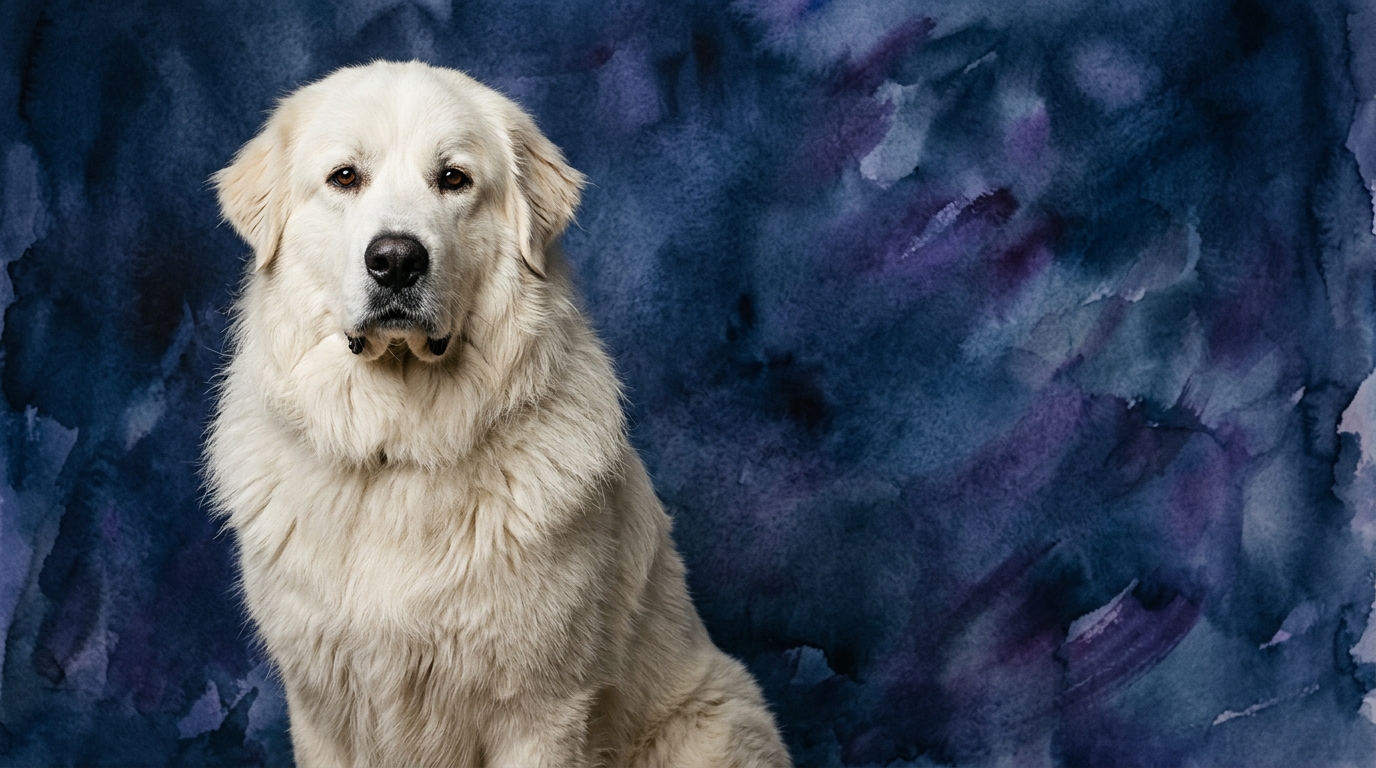
The Great Pyrenees, positioned at #64 on the Coren scale, presents a cognitive makeup rooted in its ancient role as a livestock guardian. Their problem-solving ability scores 3 out of 5, indicating a solid, practical approach to challenges, often relying on observation and a methodical assessment of their environment rather than rapid, innovative solutions. Training speed is rated 3 out of 5, suggesting a steady, if not quick, learning pace where repetition and patience yield consistent results. Their social intelligence also scores 3 out of 5, highlighting a capacity for calm, measured interactions with both humans and other animals, often with a protective undercurrent. An instinctive drive of 3 out of 5 reflects a balanced yet profound connection to their guarding instincts, less intense than the Husky's boundless energy but deeply ingrained in their behavior. Their memory, at 3 out of 5, allows them to retain important information and routines, contributing to their reliability as guardians, yet perhaps without the sharp, detailed recall of some more intensely task-oriented breeds.
Where Siberian Husky Wins Cognitively
The Siberian Husky's cognitive strengths distinctly shine in areas demanding independent thought and sustained engagement with their environment. Their problem-solving score of 4/5 is a clear indicator of their capacity to figure things out for themselves, whether it's opening a gate, finding a way around an obstacle, or strategizing to obtain a desired item. This isn't about following commands but about intrinsic mental agility, which historically served them well in navigating vast, featureless terrain during sledding expeditions. Furthermore, their instinctive drive, a perfect 5/5, fuels an unparalleled endurance and motivation for physical activity and exploration, translating into a dog that can sustain focus on a task requiring immense stamina. This intense drive, while sometimes challenging for owners, is a cognitive advantage in scenarios demanding unwavering perseverance. Their memory, rated 4/5, underpins this, allowing them to recall complex routes, social dynamics within a pack, and the consequences of past actions, making them highly adaptable to changing environments once a pattern is established. This combination of independent problem-solving, powerful drive, and strong memory makes them exceptional at self-directed tasks and navigating complex, dynamic outdoor settings.
Where Great Pyrenees Wins Cognitively
While the Great Pyrenees may not possess the Husky's lightning-fast problem-solving or intense drive, its cognitive profile offers distinct advantages, particularly in areas of measured response and teachability. Their training speed, rated 3/5, surpasses the Husky's 2/5, indicating a more amenable disposition to structured learning. This means a Great Pyrenees is generally more receptive to absorbing new commands and routines with consistent, patient instruction, making the initial stages of obedience training potentially less arduous than with a Husky. This isn't to say they are always quick, but rather that they are typically more inclined to cooperate with human guidance in a learning context. Furthermore, their instinctive drive, at 3/5, while lower than the Husky's, is a cognitive "win" for many domestic settings. It signifies a breed whose ancient guarding instincts are present but not overwhelmingly dominant, allowing them to integrate into a family without the constant, high-energy demands for intense physical exertion. This translates into a more measured approach to their environment, less prone to the impulsive, far-ranging explorations that characterize the Husky, making them cognitively more suited for a watchful, steady presence rather than a constantly active one. Their social intelligence, matching the Husky at 3/5, combined with their more moderate drive, allows for calm, steady interactions, making them reliable companions in a home environment.
Which is Easier to Train and Why
When considering ease of training, the Great Pyrenees generally presents a more straightforward experience than the Siberian Husky, primarily due to their respective training speed scores and underlying motivations. The Great Pyrenees' training speed of 3 out of 5 indicates a steady, methodical learner. They respond well to consistent, positive reinforcement and clear instructions, gradually building a repertoire of commands. Their historical role as independent livestock guardians meant they needed to make decisions without constant human oversight, but within a defined territory. This translates to a dog that, while independent, is typically more inclined to accept human direction when it aligns with their perceived purpose or comfort. In contrast, the Siberian Husky's training speed of 2 out of 5 highlights a more challenging learning curve. Huskies are renowned for their independent nature and often possess a "what's in it for me?" attitude towards commands. Their strong problem-solving skills (4/5) mean they often prefer to figure things out for themselves rather than simply complying. This requires owners to be exceptionally creative, consistent, and patient, making training a continuous engagement of wits. A Husky might understand a command perfectly but choose not to execute it if a more interesting alternative presents itself, a behavior rooted in their strong instinctive drive (5/5) for exploration and self-determination on long sled journeys. Therefore, while both breeds can be trained to a high degree, the Great Pyrenees typically offers a less demanding and more predictable training journey for the average owner.
Which Suits Active Owners vs Relaxed Owners
The choice between a Siberian Husky and a Great Pyrenees profoundly depends on an owner's lifestyle and energy levels. Active owners who thrive on outdoor adventures and consistent engagement will find the Siberian Husky an ideal companion. Their prodigious instinctive drive (5/5) and need for extensive physical activity mean they excel in environments where they can run, hike, or participate in dog sports regularly. A Husky requires a significant commitment to daily exercise, often several hours, to keep their problem-solving minds and powerful bodies stimulated. Owners who enjoy long runs, cycling with their dog, or exploring vast natural landscapes will find a Husky's energy and endurance perfectly matched to their own. Conversely, relaxed owners seeking a calm, watchful presence without the constant demand for high-intensity activity will find the Great Pyrenees a more suitable match. While they do require regular exercise to stay healthy, their instinctive drive (3/5) is less about boundless energy and more about patrolling their territory and observing. They are content with moderate walks, yard supervision, and extended periods of rest, often preferring to survey their domain from a comfortable spot. Their calm demeanor and lower requirement for intense physical output make them better suited for households where daily life is more sedate, but where a steady, protective companion is valued. The Husky demands an owner who can match their tireless energy, whereas the Pyrenees thrives with an owner who appreciates their patient, vigilant temperament.
The Verdict
Choose a Siberian Husky if you are an active, experienced owner prepared for a highly independent, intelligent, and energetic companion who thrives on extensive outdoor adventures and mental challenges. Be ready to engage their problem-solving mind and powerful instincts with consistent, creative training and ample exercise.
Opt for a Great Pyrenees if you seek a calm, steadfast guardian with a moderate activity level, who will steadily learn with patient guidance and offer a protective yet gentle presence in a more relaxed home environment. Their steady temperament and moderate drive are ideal for those valuing a watchful, loyal companion over an intensely active one.
🧠 Find Your Pet's IQ Score
Our Pet IQ Lab assessment covers 25+ tests across 5 cognitive dimensions — personalized to your breed.
Take the Full IQ Test →Frequently Asked Questions
Do Siberian Huskies or Great Pyrenees bark more?
Siberian Huskies are known for their vocalizations, including howling and 'talking,' rather than constant barking, which stems from their communication style in a pack. Great Pyrenees, conversely, are more prone to barking, particularly as a warning or deterrent, a trait deeply rooted in their livestock guarding instincts to alert to perceived threats.
Are Siberian Huskies or Great Pyrenees better with children?
Both breeds can be good with children with proper socialization and training, but their approaches differ. Great Pyrenees often exhibit a patient, gentle, and protective demeanor towards children, treating them as part of their flock to be watched over. Siberian Huskies, while generally friendly, are highly energetic and can be boisterous, requiring supervision to ensure their playful exuberance doesn't accidentally overwhelm smaller children.
Which breed is more prone to wandering or escaping?
Siberian Huskies are significantly more prone to wandering and escaping due to their high instinctive drive for exploration (5/5) and problem-solving abilities (4/5) to bypass containment. They can scale fences, dig under them, or figure out latches. Great Pyrenees, while independent, tend to stay within their perceived territory, though they will roam if an interesting scent or perceived threat takes them beyond their boundaries.