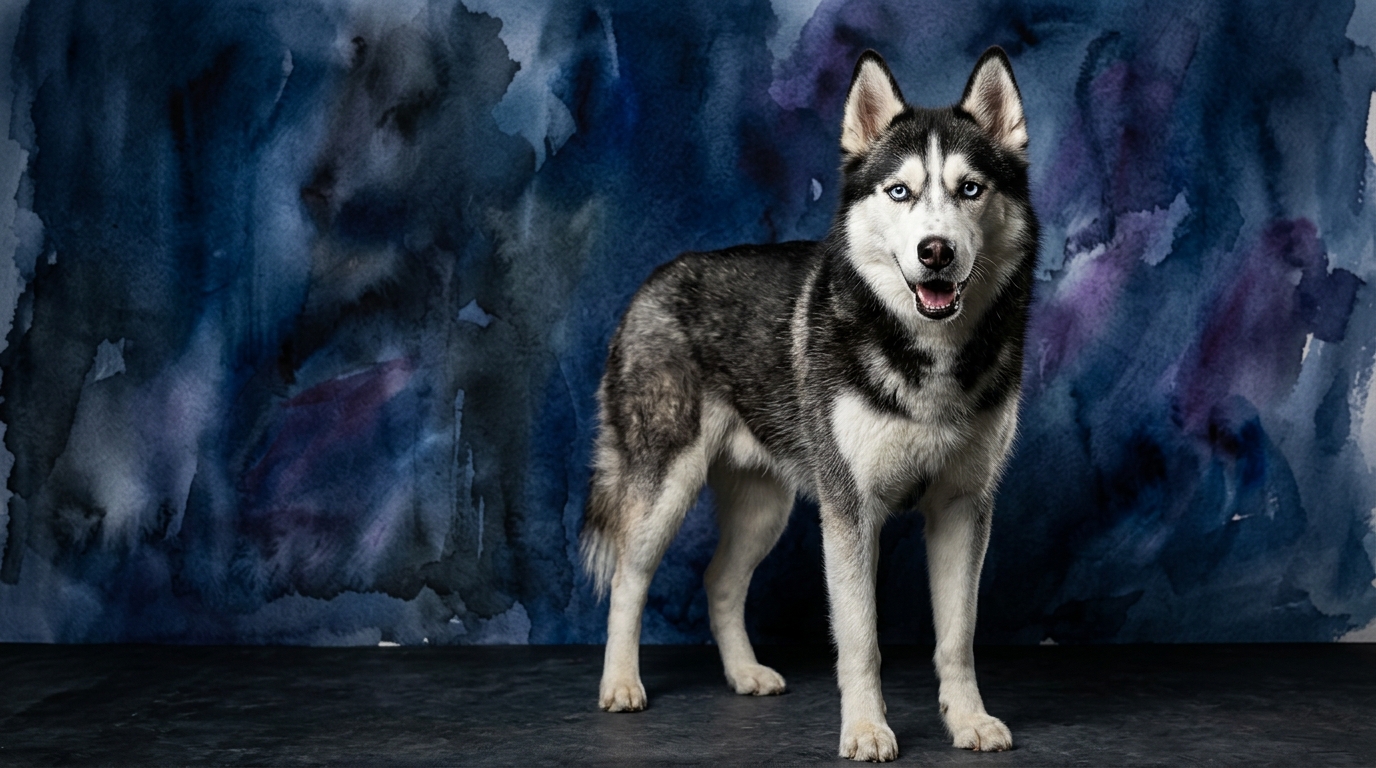
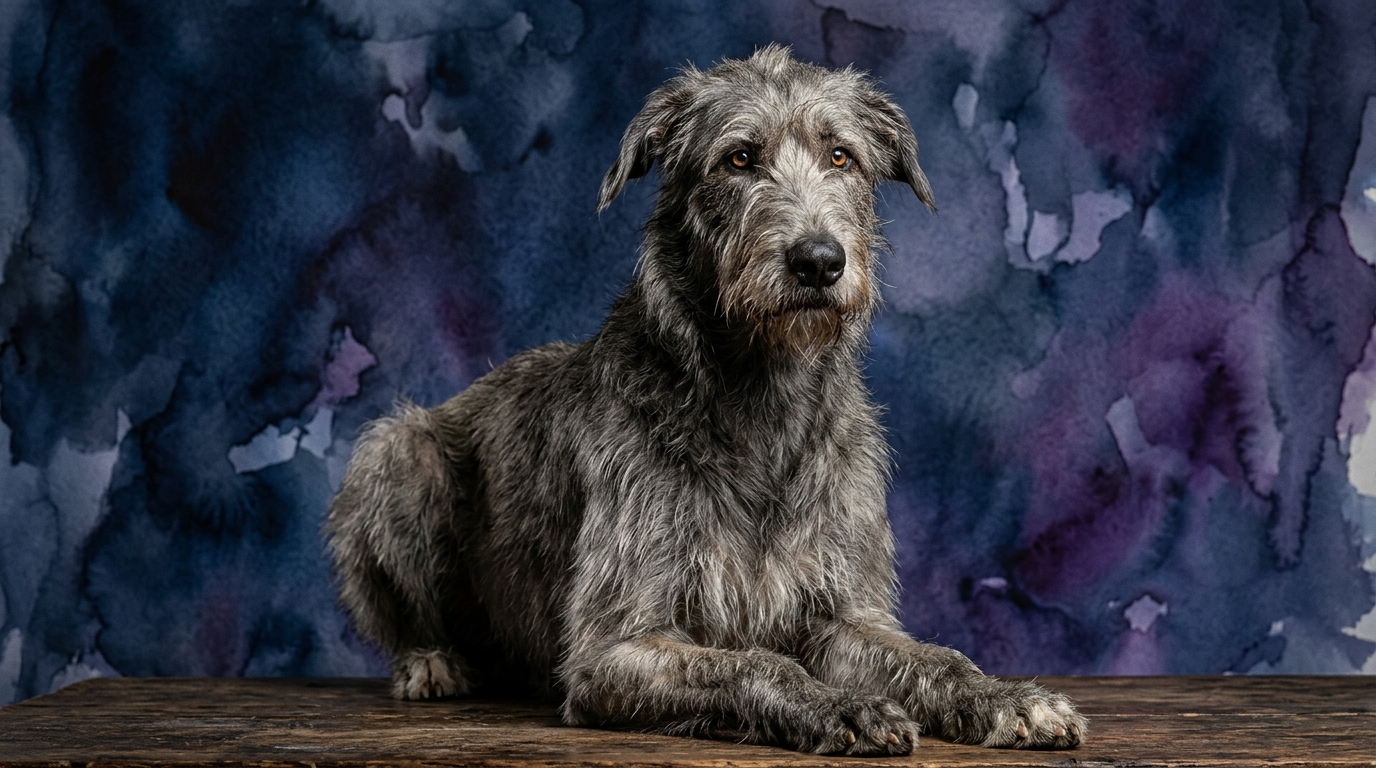
Side-by-Side IQ Profile: Siberian Husky vs. Irish Wolfhound
At The Cosmic Pet Pet IQ Lab, we evaluate canine cognition across five key dimensions, offering a nuanced look beyond simple obedience. For the Siberian Husky and Irish Wolfhound, these profiles reveal fascinating contrasts.
**Siberian Husky: The Resourceful Nomad (Coren Rank #45)**
**Problem Solving (4/5):** Huskies exhibit impressive ingenuity, often finding creative solutions to obstacles like escaping enclosures or outsmarting their owners. Their resourcefulness stems from a need to survive and navigate challenging environments.
**Training Speed (2/5):** This breed often requires significant patience and consistent motivation. Their independent spirit means they may weigh the benefit of obeying a command against their own desires, leading to slower acquisition rates for complex tasks.
**Social Intelligence (3/5):** While affectionate with their family and generally good with people, Huskies possess a more independent social nature. They enjoy company but are not typically clingy, often interacting on their own terms within a pack structure.
**Instinctive Drive (5/5):** A powerful, innate urge to run, pull, and explore defines the Husky. Their prey drive is robust, and their desire for continuous motion is a fundamental aspect of their being, reflecting their working heritage.
**Memory (4/5):** Huskies demonstrate strong recall for routines, locations, and past experiences, particularly those related to their needs or successful escapades. They remember complex routes and the consequences of their actions.
**Irish Wolfhound: The Gentle Observer (Not Coren-ranked)**
**Problem Solving (3/5):** Irish Wolfhounds can assess situations and learn from experience, but they are less inclined to actively manipulate their environment or devise elaborate escape plans compared to the Husky. Their problem-solving is often more direct and less driven by mischief.
**Training Speed (3/5):** Wolfhounds are generally more responsive to training cues than Huskies. They appreciate positive reinforcement and can learn new commands at a moderate pace, though their sensitivity means harsh methods are counterproductive.
**Social Intelligence (3/5):** Matching the Husky's score, the Wolfhound's social intelligence manifests as a gentle, devoted companionship. They are deeply attuned to their family's emotions, offering calm presence rather than boisterous interaction, and are known for their patient demeanor.
**Instinctive Drive (3/5):** As sighthounds, Irish Wolfhounds possess a chasing instinct, but it’s typically less pervasive and intense than a Husky's drive to run or pull. Once satisfied with a good gallop, they are content to relax, lacking the Husky's relentless energy.
**Memory (3/5):** Wolfhounds retain learned behaviors and routines effectively. They remember people, places, and commands, though perhaps with less detail or strategic application than a Husky might use their memory for plotting.
Where the Siberian Husky Wins Cognitively
The Siberian Husky's cognitive strengths shine particularly bright in areas demanding independent thought and physical prowess, a direct reflection of their sled dog legacy. Their **Problem Solving (4/5)** score, a point higher than the Wolfhound’s, illustrates a superior capacity for navigating complex physical challenges and often outsmarting human-made barriers. This isn't just about opening gates; it’s about understanding sequences, identifying weaknesses in containment, and devising multi-step plans to achieve a goal, whether that's reaching a forbidden snack or exploring beyond the yard. Their **Instinctive Drive (5/5)** is unmatched, representing an unwavering focus and energy for their core purpose. This isn't just raw power; it's a deep-seated cognitive program for sustained effort and goal-directed behavior over vast distances, requiring an inherent understanding of pace, terrain, and teamwork with other dogs. Furthermore, their **Memory (4/5)**, also a point above the Wolfhound, contributes significantly to their problem-solving and navigation. A Husky remembers complex routes, previous successes in outwitting obstacles, and the precise locations of interesting smells or potential prey, allowing them to learn from past experiences and apply that knowledge strategically.
Where the Irish Wolfhound Wins Cognitively
While the Husky excels in independent problem-solving and drive, the Irish Wolfhound presents a distinct cognitive advantage in areas related to cooperative learning and calm interaction. Their primary cognitive win lies in **Training Speed (3/5)**, a score that surpasses the Husky’s by a full point. This indicates a greater willingness and capacity to absorb and respond to human commands with fewer repetitions. Unlike the Husky, who often prioritizes their own agenda, the Wolfhound tends to be more receptive to direction, making them generally more biddable in structured learning environments. This responsiveness isn't necessarily about higher raw 'intelligence' but about a different cognitive disposition – one that values partnership and seeks to understand human expectations. While their **Social Intelligence (3/5)** matches the Husky's numerical score, the Wolfhound's manifestation of it often involves a profound gentleness and a calm, watchful presence. They are keenly observant of their family's moods and provide subtle emotional support, demonstrating a nuanced understanding of social dynamics within the home without the Husky's typical independent streak or potential for mischief.
Which is Easier to Train and Why
When it comes to the practicalities of training, the Irish Wolfhound generally offers a more straightforward experience than the Siberian Husky. The Wolfhound’s **Training Speed (3/5)** directly reflects their greater amenability to learning. They are often eager to please their human companions, responding well to positive reinforcement and clear instructions. Their more moderate **Instinctive Drive (3/5)** means they are less likely to be constantly distracted by an overwhelming urge to run or chase, allowing them to focus more intently on the task at hand. In contrast, the Siberian Husky’s **Training Speed (2/5)** highlights their inherent independence and strong will. Their powerful **Instinctive Drive (5/5)** to run and explore, coupled with their high **Problem Solving (4/5)** skills, means they are constantly assessing their environment for opportunities to satisfy their own desires. Training a Husky often feels like a negotiation; they need compelling reasons to comply and consistent, engaging methods to overcome their natural inclination to follow their nose or their own agenda. While both breeds benefit from early socialization and consistent training, the Wolfhound’s disposition makes the process generally smoother and less prone to stubborn resistance.
Which Suits Active Owners vs. Relaxed Owners
The distinct cognitive and behavioral profiles of these two breeds naturally align them with different owner lifestyles. The **Siberian Husky**, with its exceptional **Instinctive Drive (5/5)** and high **Problem Solving (4/5)** capacity, is unequivocally suited for active owners. These dogs thrive on intense physical exercise, such as running, hiking, or even competitive dog sports like canicross or skijoring. Their minds also need engagement; puzzle toys, scent work, and consistent, challenging training are crucial to prevent boredom-driven destructive behaviors or escape attempts. An owner who loves outdoor adventures and is prepared to dedicate several hours daily to their dog's physical and mental stimulation will find a loyal, energetic partner in a Husky. Conversely, the **Irish Wolfhound** is better suited for owners who appreciate a more relaxed pace. While they require daily walks and the opportunity for a good gallop in a secure area to satisfy their sighthound instincts, their **Instinctive Drive (3/5)** is significantly lower than the Husky's. Once their exercise needs are met, Wolfhounds are typically calm, gentle giants indoors, content to lounge near their family. They don't demand constant activity, making them ideal companions for individuals or families who prefer a quiet home environment but can still provide regular, moderate outdoor activity.
The Verdict
Opt for a Siberian Husky if you are an active, experienced owner seeking a robust, independent companion for demanding outdoor pursuits and are prepared to engage a clever, strong-willed dog with consistent, creative training.
Select an Irish Wolfhound if you desire a gentle, calm, and affectionate giant who is generally more responsive to training and thrives in a relaxed home environment, provided you can accommodate their size and provide moderate daily exercise.
🧠 Find Your Pet's IQ Score
Our Pet IQ Lab assessment covers 25+ tests across 5 cognitive dimensions — personalized to your breed.
Take the Full IQ Test →Frequently Asked Questions
Are Siberian Huskies difficult to train?
Huskies can be challenging to train due to their strong independence, high instinctive drive for running and exploring, and excellent problem-solving skills that often lead them to outsmart conventional barriers. They require consistent, positive, and engaging training methods.
Do Irish Wolfhounds need a lot of exercise despite their calm indoor demeanor?
While Irish Wolfhounds are calm indoors, they still require regular, moderate exercise, including daily walks and opportunities to gallop in a secure, fenced area. This satisfies their sighthound instincts and maintains their physical health, but it's less intense than a Husky's demands.
Does the Irish Wolfhound's 'Not Coren-ranked' status indicate lower intelligence compared to a Coren-ranked breed?
No, 'Not Coren-ranked' simply means the breed wasn't included or didn't meet the specific criteria for Stanley Coren's 'The Intelligence of Dogs' ranking methodology, which primarily assessed obedience and working intelligence. It doesn't inherently imply lower overall cognitive ability, merely a different focus or temperament.