Side-by-Side IQ Profile: Siberian Husky vs. Miniature Pinscher
The Cosmic Pet Pet IQ Lab employs a five-dimensional framework to assess canine intelligence, offering a nuanced view beyond simplistic labels. For the Siberian Husky, a Working breed with a Coren ranking of #45, and the Miniature Pinscher, a Toy breed not on the Coren list, these dimensions illuminate their inherent aptitudes and challenges.
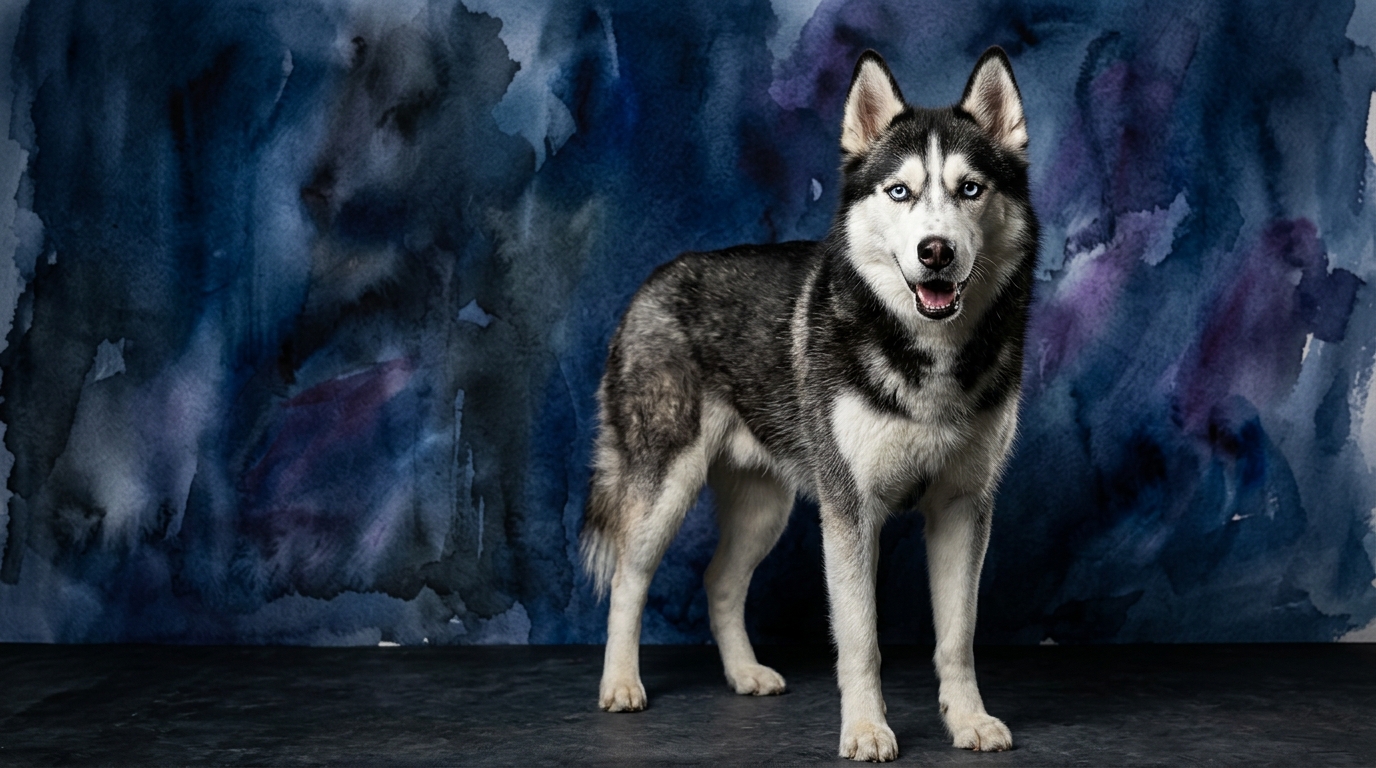
**Siberian Husky IQ Breakdown:** The Husky scores a robust **Problem Solving 4/5**, reflecting their capacity for independent thought and navigating complex situations, often seen in their escape artistry or strategic decision-making in challenging environments. Their **Training Speed is 2/5**, indicating a deliberate approach to learning, where compliance is often weighed against personal motivation rather than a lack of understanding. **Social Intelligence stands at 3/5**, showcasing their ability to form strong pack bonds and understand hierarchy, though they can be reserved with outsiders. An exceptional **Instinctive Drive of 5/5** underscores their powerful urge to run, explore, and utilize their physical prowess, rooted in their sled-pulling heritage. Finally, their **Memory is 4/5**, allowing for strong recall of routes, valuable commands, and past experiences.
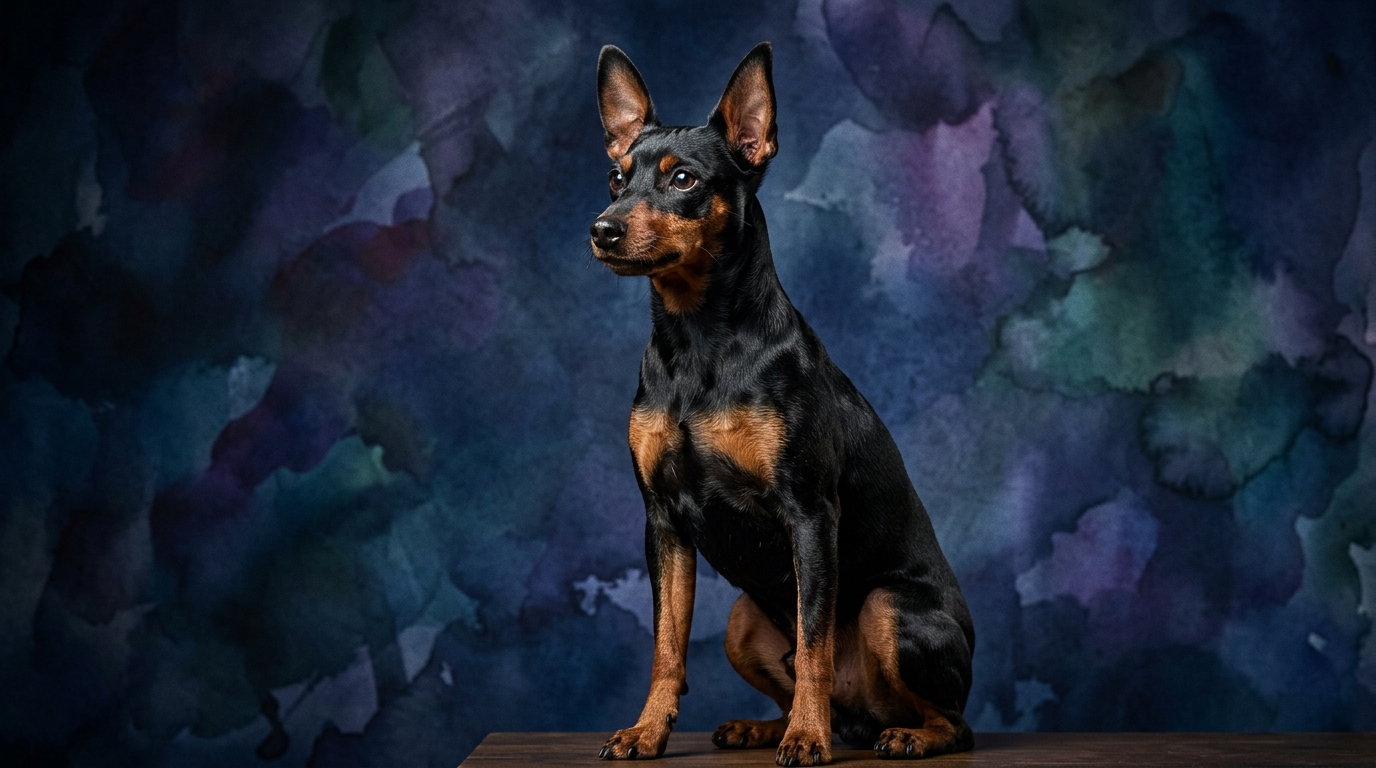
**Miniature Pinscher IQ Breakdown:** The Miniature Pinscher presents a different cognitive landscape. Their **Problem Solving is 3/5**, demonstrating a moderate ability to figure out immediate goals, such as accessing a treat or navigating household obstacles with quick, direct solutions. **Training Speed is 3/5**, suggesting they pick up commands and routines with moderate repetition and are generally eager to engage with their owners. Their **Social Intelligence is also 3/5**, indicating a solid grasp of social cues and a strong attachment to their primary caregivers, though they can be assertive with strangers. A **Instinctive Drive of 3/5** is moderate, primarily manifesting as a strong prey drive for small vermin and a desire for vigilance, rather than endurance. Their **Memory is 3/5**, allowing them to effectively retain training and recall routines, contributing to their adaptability within a home setting.
Where the Siberian Husky Wins Cognitively
The Siberian Husky's cognitive strengths distinctly emerge in scenarios demanding independent thought and sustained, self-directed effort. Their problem-solving score of 4/5, paired with an outstanding instinctive drive of 5/5, means they excel at tasks requiring strategic thinking and intrinsic motivation, especially in demanding outdoor settings. For example, a Husky might meticulously devise a plan to bypass a fence or navigate a complex trail system, relying on their acute sense of direction and robust memory (4/5) to recall past successful maneuvers. This isn't merely about processing information; it's about applying cognitive resources to overcome physical obstacles or achieve deeply ingrained goals, like exploring new territories or covering significant distances. Their memory allows them to retain intricate spatial information and learn from trial-and-error, making them formidable strategists when their personal drive aligns with the challenge. This breed consistently demonstrates a profound ability to learn from experience, adapting their approach to ongoing challenges with a cunning often attributed to their ancestral roles.
Where the Miniature Pinscher Wins Cognitively
While the Miniature Pinscher's IQ profile doesn't feature the same high scores in raw problem-solving or sheer instinctive drive as the Husky, they demonstrate a distinct cognitive advantage in areas related to cooperative learning and focused attention. Their training speed of 3/5 actually surpasses the Husky's 2/5, indicating a greater willingness and quicker uptake of new commands when properly motivated. This isn't necessarily about a higher abstract intelligence, but rather a more direct and efficient learning pathway when interacting with a human instructor. Their moderate social intelligence (3/5) facilitates effective communication with their owners, translating into better responsiveness during structured training sessions. Unlike the Husky's often independent decision-making, the Min Pin tends to be more attuned to human direction, making them more pliable in structured learning scenarios. Their cognitive strengths lie in their capacity for focused, owner-directed learning and their ability to quickly associate actions with rewards, making them adept at mastering a diverse repertoire of tricks and obedience cues with comparatively less effort.
Which is Easier to Train and Why
Based on their respective training speed scores, the Miniature Pinscher (3/5) is generally easier to train than the Siberian Husky (2/5). This difference is largely rooted in their inherent behavioral predispositions and breed purposes. Miniature Pinschers, as a smaller companion breed, often exhibit a stronger desire to engage with their primary caregiver and tend to have a more focused attention span during training sessions. Their moderate instinctive drive means they are less likely to be overwhelmed by external distractions or driven by an overwhelming urge to run or explore independently. They typically respond very well to positive reinforcement, quickly forming associations between commands, desired behaviors, and rewards, leading to a more cooperative learning experience. In contrast, the Siberian Husky's lower training speed is a direct reflection of their pronounced independence and powerful instinctive drive (5/5). They were historically bred to make autonomous decisions as part of a sled team, not to blindly follow human commands. A Husky might perfectly comprehend a command but choose not to execute it if it doesn't align with their immediate priorities or if they perceive a more interesting alternative, often using their problem-solving ability to pursue their own agenda. Therefore, while both breeds are capable of learning, the Min Pin typically offers a more straightforward and less challenging training experience due to their inherent cooperativeness and attentiveness to human guidance.
Which Suits Active Owners vs. Relaxed Owners
The optimal choice between these two breeds depends significantly on an owner's lifestyle and capacity for engagement. The Siberian Husky, with its exceptional instinctive drive (5/5) and a history steeped in endurance work, is unequivocally suited for highly active owners. They demand substantial daily physical exertion, often needing several hours of vigorous activity such such as running, hiking, or sledding to satisfy their innate need to move and explore. Their high problem-solving skills and robust memory also mean they require consistent mental challenges to prevent boredom, which can manifest as destructive behaviors if not adequately addressed. An owner who genuinely enjoys outdoor adventures and can commit to consistent, demanding exercise will find a Husky to be an incredibly fulfilling and engaged companion. Conversely, the Miniature Pinscher, with its moderate instinctive drive (3/5) and smaller stature, is a more suitable fit for owners with a more relaxed, yet still attentive, lifestyle. While they are energetic and enjoy play, their exercise requirements are significantly less intense, typically satisfied by daily walks and engaging indoor play sessions. They thrive on companionship and structured interaction, making them well-suited for owners who prefer cozy evenings and consistent, gentle training over rugged expeditions. A Min Pin can adapt well to apartment living, provided their needs for attention, routine, and moderate mental stimulation are consistently met.
The Verdict
Choose a Siberian Husky if you are an experienced, highly active owner who thrives on adventure and can provide consistent, vigorous exercise, coupled with patient, creative training for an independent thinker.
Choose a Miniature Pinscher if you desire an energetic yet manageable companion for a moderately active household, appreciating a dog that is generally more eager to please and quicker to pick up commands in a home environment.
🧠 Find Your Pet's IQ Score
Our Pet IQ Lab assessment covers 25+ tests across 5 cognitive dimensions — personalized to your breed.
Take the Full IQ Test →Frequently Asked Questions
Does the Siberian Husky's lower training speed mean it's not intelligent?
Not at all; the Husky's 2/5 training speed reflects their independent nature and strong will, not a lack of cognitive capacity. They possess high problem-solving skills and memory, but often require more motivation and creative training approaches due to their tendency to make their own decisions rather than blindly follow commands.
How does the Miniature Pinscher's moderate instinctive drive impact its behavior?
The Miniature Pinscher's 3/5 instinctive drive typically manifests as bursts of energy, a keen prey drive for small animals, and territorial vigilance. This means they enjoy active play and benefit from mental engagement, but generally do not require the same extensive endurance-based exercise as breeds like the Husky.
Can a Miniature Pinscher perform complex tasks like a Siberian Husky?
While Miniature Pinschers are capable learners, their problem-solving (3/5) and instinctive drive (3/5) are geared differently than a Husky's. They excel at learning specific tricks and obedience cues through repetition, but may not display the same independent, complex problem-solving or sustained drive for tasks like navigating vast distances or strategic escapes that are characteristic of the Husky.