Side-by-Side Cognitive Profiles
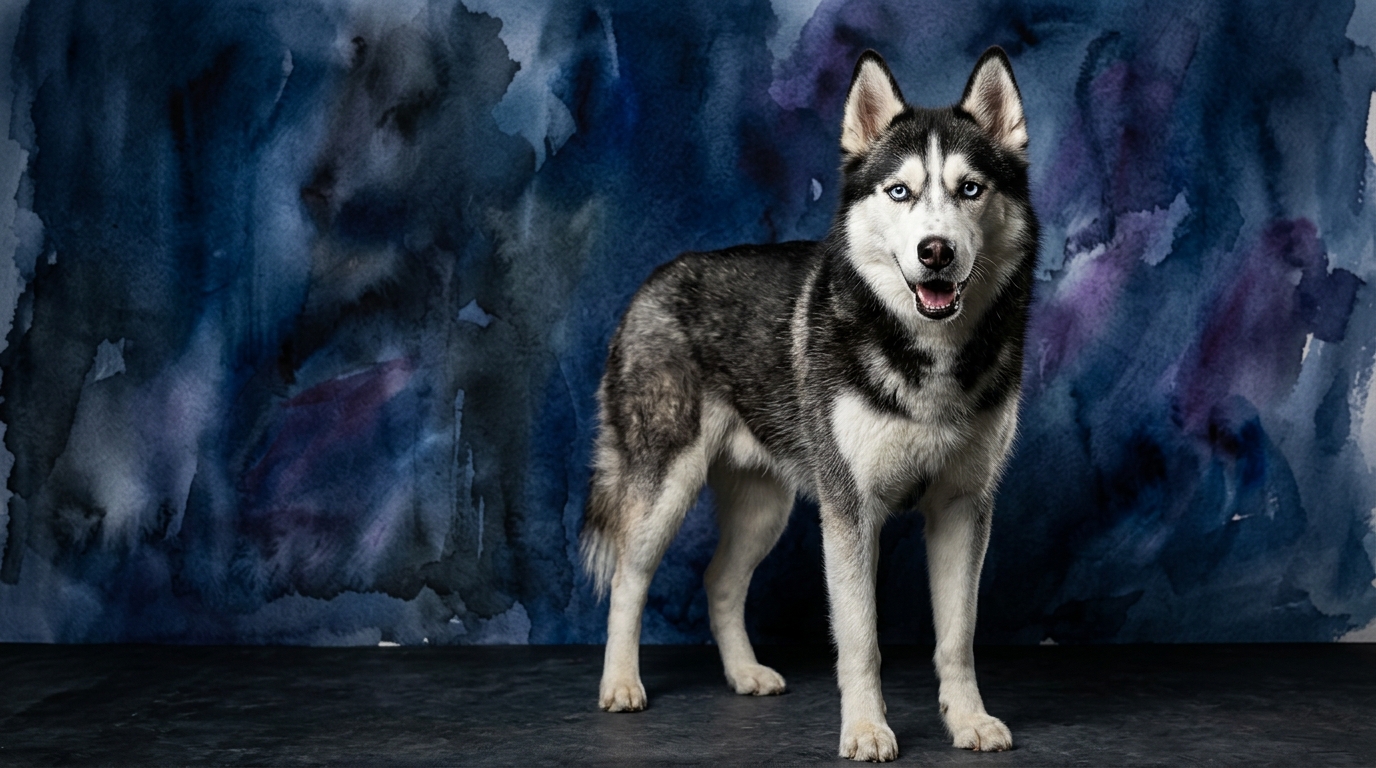
The Siberian Husky, ranked #45 by Coren for working and obedience intelligence, showcases a cognitive design built for endurance and independent action in harsh environments. Their Problem Solving is rated 4/5, indicating a strong capacity for independent thought and creative solutions, often applied to navigating complex terrains or outsmarting enclosures. Training Speed is 2/5, reflecting their independent nature which means they aren't quick to comply, requiring patient and engaging methods. Social Intelligence stands at 3/5, showing an average understanding of pack dynamics but less focus on individual human pleasing. Their Instinctive Drive is a powerful 5/5, fueling their profound urges to run, pull, and explore. Finally, Memory is 4/5, aiding in recalling routes and successful past strategies.
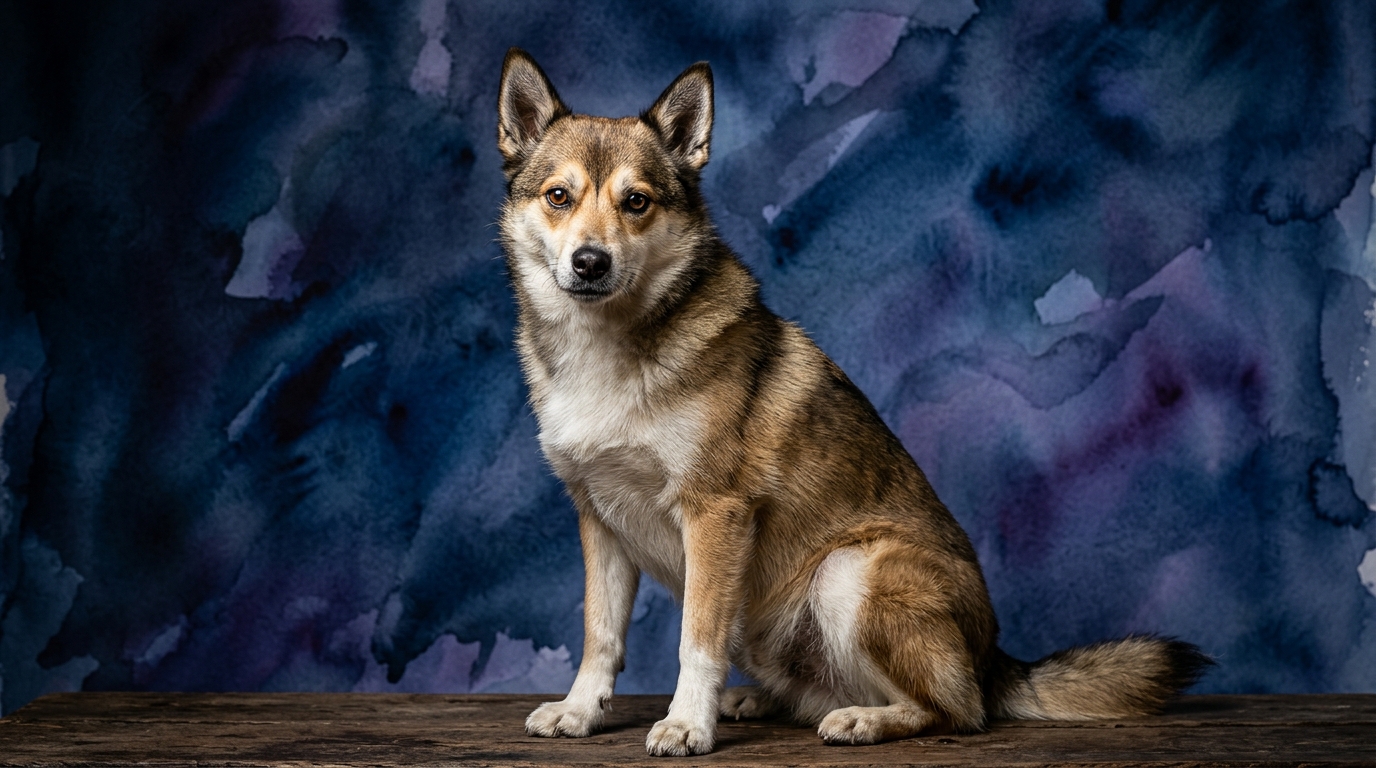
The Norwegian Lundehund, a Non-Sporting breed not Coren-ranked, presents a unique cognitive profile tailored for its specialized historical task of puffin hunting in crevices. Their Problem Solving is 3/5, demonstrating an average capacity focused on physical navigation and adaptability within confined spaces rather than abstract challenges. Training Speed is 3/5, suggesting they learn at an average pace but thrive with tailored, motivating techniques due to an independent streak. Social Intelligence is 3/5, indicating an average ability to form strong bonds with family while often being reserved with strangers. Instinctive Drive is 3/5, moderate yet specifically geared towards climbing and exploring tight spots, less overwhelming than the Husky's wanderlust. Memory is 3/5, providing an average recall for routines and familiar environments.
Where the Siberian Husky Wins Cognitively
The Siberian Husky's cognitive strengths are most evident in their exceptional problem-solving abilities (4/5) and potent instinctive drives (5/5). Their capacity for independent thought allows them to devise creative solutions to obstacles, such as figuring out how to open complex latches, scale seemingly insurmountable fences, or strategically navigate urban environments to return to a familiar place. This isn't just about simple learning; it's an inherent drive to overcome challenges and achieve their goals, often fueled by their powerful wanderlust or prey drive. Their excellent memory (4/5) further enhances this, enabling them to recall past successful strategies and apply them to new situations, making them formidable escape artists who learn from previous attempts. Furthermore, their instinctive drive, rated at a perfect 5/5, means they possess an unparalleled, deeply ingrained motivation for sustained physical activity, exploration, and following scent trails, which, while challenging for owners, is a profound cognitive strength in their original working context for endurance and survival.
Where the Norwegian Lundehund Wins Cognitively
While the Norwegian Lundehund isn't Coren-ranked, their cognitive profile reveals distinct advantages, particularly in their balanced training speed (3/5) and specific physical problem-solving. Unlike the Husky's pronounced independence, the Lundehund's average training speed suggests they are generally more amenable to learning new commands without the same level of wilful resistance, making the training process potentially less arduous. Their historical role of navigating narrow cliff crevices for puffin hunting indicates a unique form of spatial intelligence and body awareness. This translates into a specific problem-solving skill set focused on expertly maneuvering through complex physical spaces, climbing, and adapting to unusual terrain, rather than abstract puzzles. Their moderate instinctive drive (3/5) means their natural urges for exploration and hunting, while present, are less overwhelming than a Husky's, making them potentially more manageable in a domestic setting once their specific needs for physical and mental engagement are met. This balance allows for a more predictable and less challenging cognitive landscape for many owners seeking a unique companion.
Which Is Easier to Train and Why
Evaluating ease of training involves more than just raw cognitive capacity; it's about willingness to comply and motivation. Here, the Norwegian Lundehund (Training Speed 3/5) generally presents an easier training experience compared to the Siberian Husky (Training Speed 2/5). Huskies, with their high problem-solving scores and powerful instinctive drives, often view commands as suggestions rather than directives. Their deep-seated independence means they will weigh the perceived benefit of obeying against their own desires, making training a test of consistent motivation and clear communication. They are not lacking understanding, but rather possess a self-directed mental framework that requires owners to be exceptionally engaging and patient. Lundehunds, while capable of stubbornness, tend to be more agreeable learners. Their average training speed indicates they can grasp concepts readily, and their moderate instinctive drives mean they are less likely to be constantly distracted by overwhelming urges to roam or hunt. Training a Lundehund benefits from positive reinforcement and variety, but they typically don't exhibit the same level of wilful disregard for commands that a Husky might, making the process feel less like a constant negotiation.
Suited for Active vs. Relaxed Owners
For owners with an active lifestyle, the Siberian Husky is an undeniable match. Their exceptional instinctive drive (5/5) for running, exploring, and pulling demands a commitment to extensive daily exercise and mental stimulation. Owners who enjoy long hikes, running, biking, or dog sports like canicross will find a willing and tireless companion in a Husky. Their problem-solving abilities thrive when given challenges, such as navigating new trails or learning complex routines. A relaxed owner, however, would quickly find themselves overwhelmed by a Husky's unmet physical and mental needs, potentially leading to destructive behaviors or escape attempts driven by boredom. The Norwegian Lundehund, with its moderate instinctive drive (3/5) and average training speed, offers a more balanced companion for owners who might be active but prefer a less intense commitment. While they enjoy activity and benefit from regular walks and play, their needs are not as demanding as a Husky's. They suit owners who appreciate a dog with unique physical capabilities and a curious nature but aren't prepared for the relentless energy and independent streak of a true working sled dog.
The Verdict
Choose a Siberian Husky if you thrive on challenge, seek an independent problem-solver, and are committed to fulfilling intense physical and mental exercise needs daily.
Opt for a Norwegian Lundehund if you appreciate a unique, adaptable companion that is generally more amenable to training and has moderate activity requirements.
🧠 Find Your Pet's IQ Score
Our Pet IQ Lab assessment covers 25+ tests across 5 cognitive dimensions — personalized to your breed.
Take the Full IQ Test →Frequently Asked Questions
Are Siberian Huskies difficult to train?
Huskies aren't difficult because they lack understanding, but because of their strong independence and high instinctive drives. They require consistent, patient, and highly motivating training methods, often viewing commands as optional if not sufficiently incentivized.
What makes the Norwegian Lundehund's intelligence unique?
The Lundehund's intelligence is uniquely adapted to its historical role, featuring exceptional physical agility and spatial awareness for navigating complex, confined spaces. Their problem-solving is often practical and physical, rather than abstract.
Which breed is more prone to escape?
The Siberian Husky, with its 5/5 instinctive drive for exploration and 4/5 problem-solving, is significantly more prone to escaping. They are adept at finding weaknesses in fences and gates, driven by an inherent desire to roam.