A Side-by-Side Cognitive Profile
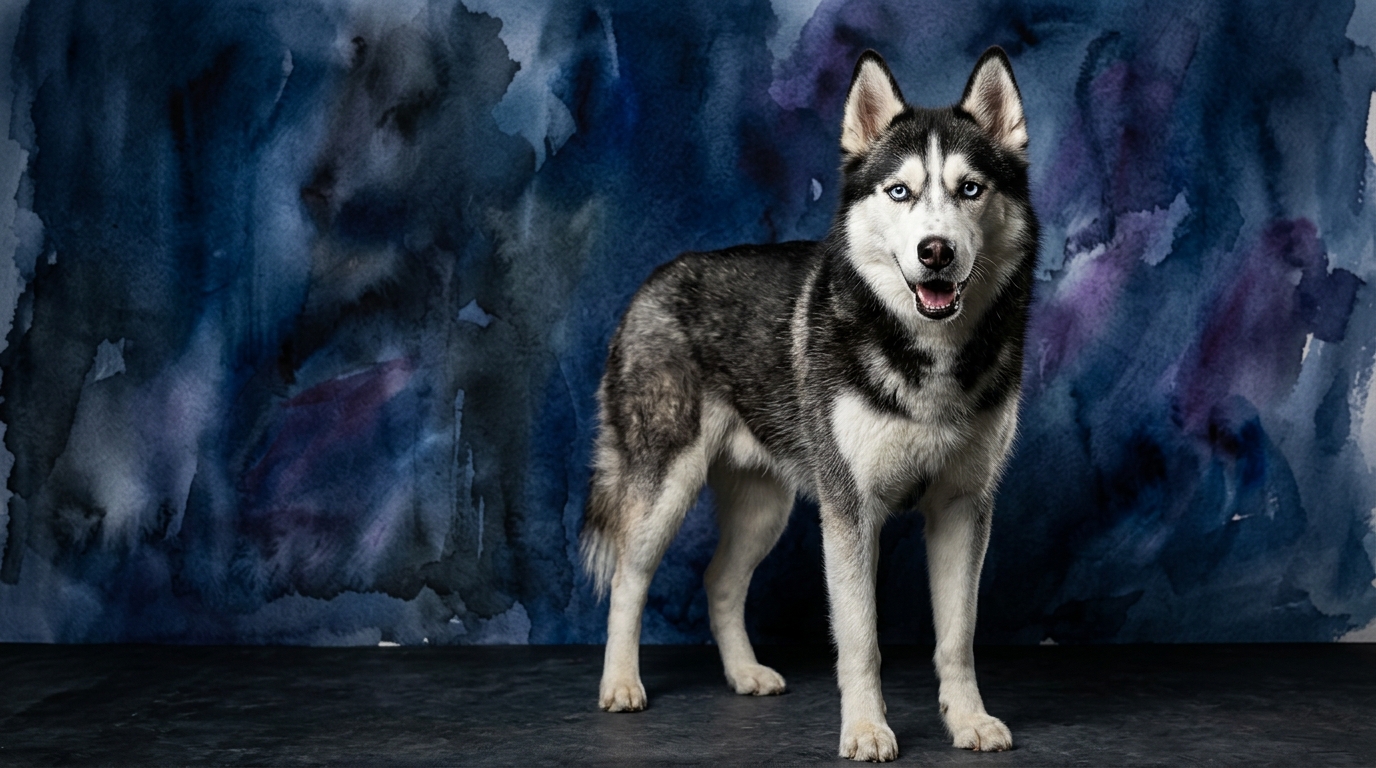
The Cosmic Pet Pet IQ Lab employs five key dimensions to evaluate canine intelligence, offering a nuanced view beyond simplistic notions of "smartness." For the Siberian Husky, a breed celebrated for its endurance and independence, we observe a Problem Solving score of 4/5, indicating a remarkable capacity for figuring things out, often to their owner's surprise. Their Training Speed, however, registers at a challenging 2/5, reflecting a strong-willed nature that prioritizes self-direction over immediate human compliance. Social Intelligence is rated 3/5, suggesting an ability to navigate social cues but often with a degree of aloofness, while their Instinctive Drive soars at 5/5, encompassing powerful prey drive, wanderlust, and a deep-seated desire to run. Finally, their Memory is a robust 4/5, allowing them to recall complex routes and past experiences vividly.
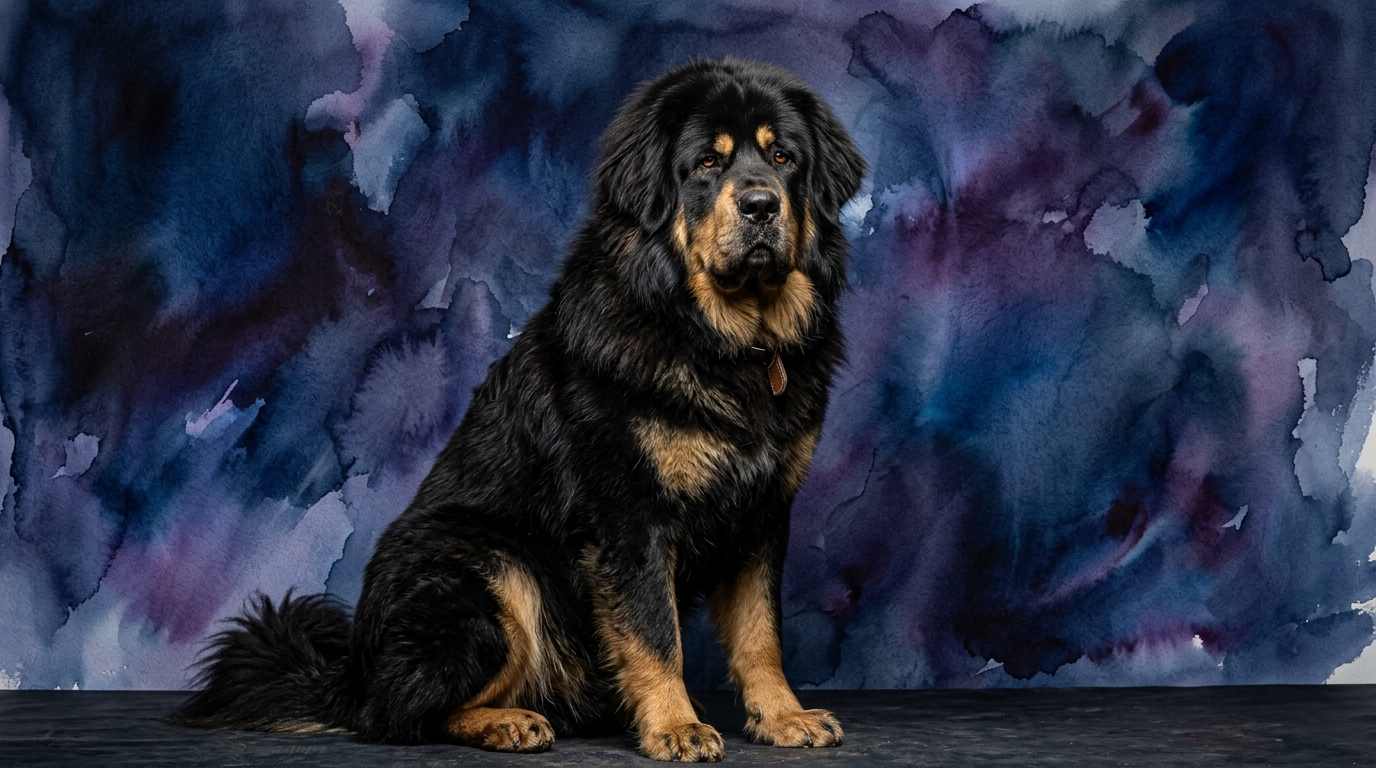
In contrast, the Tibetan Mastiff, an ancient guardian breed, presents a different cognitive blueprint. Their Problem Solving ability stands at 3/5, demonstrating practical intelligence primarily focused on their guarding duties rather than generalized curiosity. Training Speed is a moderate 3/5, indicating they can learn but often require a strong understanding of the "why" behind a command and a deep respect for their handler. Social Intelligence also scores 3/5, characterized by a reserved demeanor and a keen observational capacity, especially regarding strangers and potential threats. Their Instinctive Drive is 3/5, predominantly centered around territorial protection, rather than the wide-ranging drives seen in the Husky. Memory for the Tibetan Mastiff is 3/5, solidifying their recall of their territory, family, and perceived dangers, though perhaps less varied than the Husky's broader environmental memory.
Where the Siberian Husky’s Mind Shines
The Siberian Husky's cognitive strengths are most apparent in their exceptional problem-solving and memory, particularly when these traits align with their inherent drives. Their 4/5 Problem Solving score translates into a resourceful and often cunning intellect, enabling them to master complex latch mechanisms, scale fences, or devise ingenious ways to access forbidden treats. This isn't just about simple learning; it's about adaptive thinking and applying past observations to new challenges, making them formidable escape artists who consistently outwit their human companions when motivation is high.
Furthermore, the Husky's 4/5 Memory is a powerful asset in their original sledding role and daily life. They can recall intricate trail routes, remember specific locations where interesting scents were found, and retain detailed information about past interactions, both positive and negative. This robust memory, combined with their 5/5 Instinctive Drive for exploration and movement, allows them to navigate vast territories and learn complex sequences of actions, making them highly capable in activities requiring sustained focus and physical endurance, such as competitive sledding or agility courses.
The Tibetan Mastiff’s Unique Cognitive Edge
The Tibetan Mastiff's intelligence is deeply rooted in its ancient purpose: guardianship. While its 3/5 Problem Solving score might seem modest compared to the Husky, it is highly specialized and effective within its domain. This breed excels at assessing situations, discerning intent, and making independent decisions regarding territorial protection without constant human intervention. Their cognitive efforts are directed towards vigilance, risk assessment, and strategic deterrence, rather than playful exploration or novelty-seeking. They may not try to open the fridge, but they will meticulously map their property and recognize every regular visitor and potential anomaly.
The Tibetan Mastiff's 3/5 Social Intelligence, though reserved, is acutely tuned to their environment and the dynamics of their family unit. They are masters of observation, quietly processing information about who belongs and who doesn't, exhibiting a nuanced understanding of social hierarchies within their pack (human and canine). This allows them to be formidable yet discerning protectors, capable of distinguishing a genuine threat from an innocent passerby, making their guardian instincts a product of careful, independent judgment rather than blind aggression. Their memory (3/5) reinforces this, ensuring they never forget a perceived threat or a trusted friend.
Training Dynamics: A Tale of Two Wills
When it comes to training, the Siberian Husky (Training Speed 2/5) presents a significant challenge due to its independent spirit and high distractibility. Their inherent desire to run and explore, coupled with a strong prey drive (Instinctive Drive 5/5), often overrides the desire to please or comply with commands. Training a Husky requires immense patience, consistency, and creative motivation to keep them engaged. They quickly become bored with repetition and will use their 4/5 Problem Solving skills to find ways around commands or to simply ignore them if they perceive a more interesting alternative. Off-leash reliability, for instance, is notoriously difficult to achieve due to their wanderlust.
The Tibetan Mastiff, with a Training Speed of 3/5, while not inherently "easy," offers a different set of challenges. Their learning capacity is present, but their compliance is often contingent on their assessment of the command's utility and their respect for the trainer. They are less prone to distraction by external stimuli like a Husky's prey drive, but can be profoundly stubborn if a command conflicts with their perceived duty or they simply deem it unnecessary. Early and consistent socialization is paramount to channel their territorial instincts appropriately, and training must be built on trust and clear, consistent leadership, without resorting to harsh methods that could damage their trust or trigger their protective instincts. In some ways, the Tibetan Mastiff might be marginally more predictable in an obedience setting if the handler establishes clear leadership, as their focus is narrower than the Husky's broad spectrum of interests.
Matching Breed to Lifestyle: Active vs. Relaxed Owners
For the active owner, the Siberian Husky is a compelling choice, provided they understand and can meet the breed's extraordinary needs. Their 5/5 Instinctive Drive for physical activity and exploration means they thrive on consistent, vigorous exercise, whether it's long runs, hiking, sledding, or competitive dog sports. A Husky requires an owner who embraces an outdoor lifestyle and is prepared to dedicate significant time and energy to physical exertion and mental stimulation. Without an appropriate outlet, their high problem-solving skills and boundless energy can quickly manifest as destructive behaviors, from digging craters in the yard to dismantling furniture or escaping their enclosure.
The Tibetan Mastiff, conversely, suits a different kind of owner – one who might be described as "relaxed" in terms of physical activity, but exceptionally disciplined and committed in terms of management. While they do not demand hours of intense exercise like the Husky, their substantial presence and formidable guarding instincts require an owner who understands breed-specific behaviors and is prepared for a lifelong commitment to socialization, boundary setting, and responsible ownership. Their need is less about constant physical output and more about providing a secure territory to guard, clear leadership, and thoughtful mental engagement that respects their independent, watchful nature. They are not a dog for casual ownership; their "relaxed" lifestyle implies a calm, watchful presence rather than a lack of need for engagement.
The Verdict
Choose Siberian Husky: When seeking an active, adventurous companion for outdoor sports and exploration, and an owner prepared to channel high energy and independent problem-solving with consistent training and engaging activities.
Choose Tibetan Mastiff: When seeking a formidable, devoted guardian for a suitable property, and an experienced owner committed to extensive early socialization, consistent leadership, and understanding a reserved, watchful temperament.
🧠 Find Your Pet's IQ Score
Our Pet IQ Lab assessment covers 25+ tests across 5 cognitive dimensions — personalized to your breed.
Take the Full IQ Test →Frequently Asked Questions
Are Siberian Huskies suitable as guard dogs?
No, Siberian Huskies are not suitable as guard dogs. Their 3/5 social intelligence often means they are friendly towards strangers, and their strong wanderlust (5/5 instinctive drive) makes them unreliable territorial protectors.
How much daily exercise does a Tibetan Mastiff typically require?
A Tibetan Mastiff generally requires moderate daily exercise, such as a long walk, rather than intense physical activity. However, they need ample mental stimulation through their guarding duties and consistent engagement to prevent boredom and destructive behaviors.
Which of these breeds is recommended for first-time dog owners?
Neither the Siberian Husky nor the Tibetan Mastiff is recommended for first-time dog owners. Both breeds possess strong, independent temperaments, present significant training challenges, and require experienced handling to thrive.