Side-by-Side IQ Profile: Siberian Husky vs. Tibetan Spaniel
The Cosmic Pet Pet IQ Lab categorizes canine intelligence across five key dimensions, offering a nuanced view beyond simple obedience. Let's examine how the Siberian Husky and Tibetan Spaniel measure up.
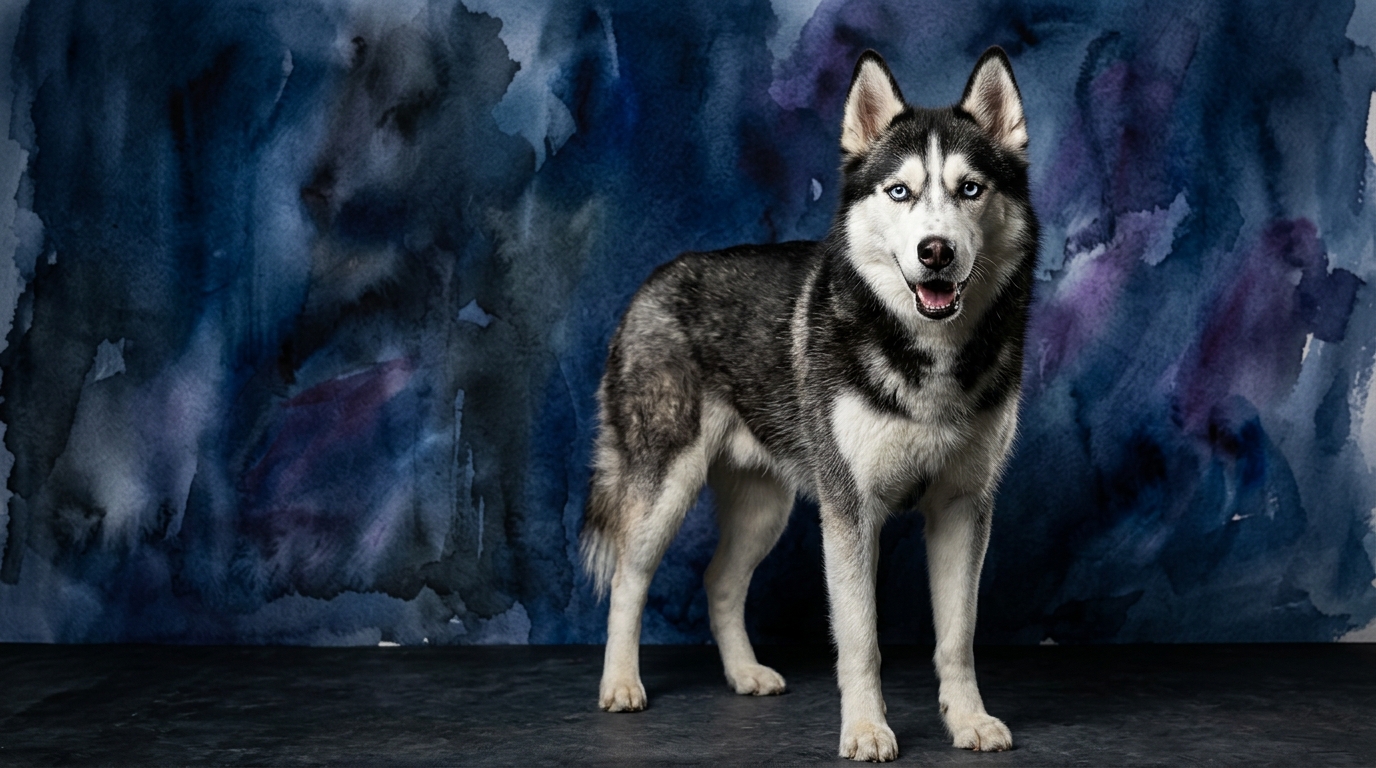
**Siberian Husky (Dog, Working, Coren Rank #45)**: This breed, known for its endurance and sled-pulling prowess, exhibits a cognitive makeup tailored for independent work. Their **Problem Solving (4/5)** score reflects a strong capacity for figuring out complex situations, often creatively and independently, a trait crucial for navigating challenging terrains without constant human direction. **Training Speed (2/5)** highlights their independent nature; they are not inherently eager to please and can find repetitive tasks unengaging, preferring to follow their own instincts. Their **Social Intelligence (3/5)** indicates a balanced understanding of pack dynamics, interacting effectively but often maintaining a degree of aloofness, valuing their autonomy. An outstanding **Instinctive Drive (5/5)** is a hallmark, encompassing a powerful urge to run, explore, and often a strong prey drive, fueling their independent spirit. Finally, their **Memory (4/5)** is impressive, particularly for routes, past experiences, and locations, aiding their navigation and problem-solving abilities.
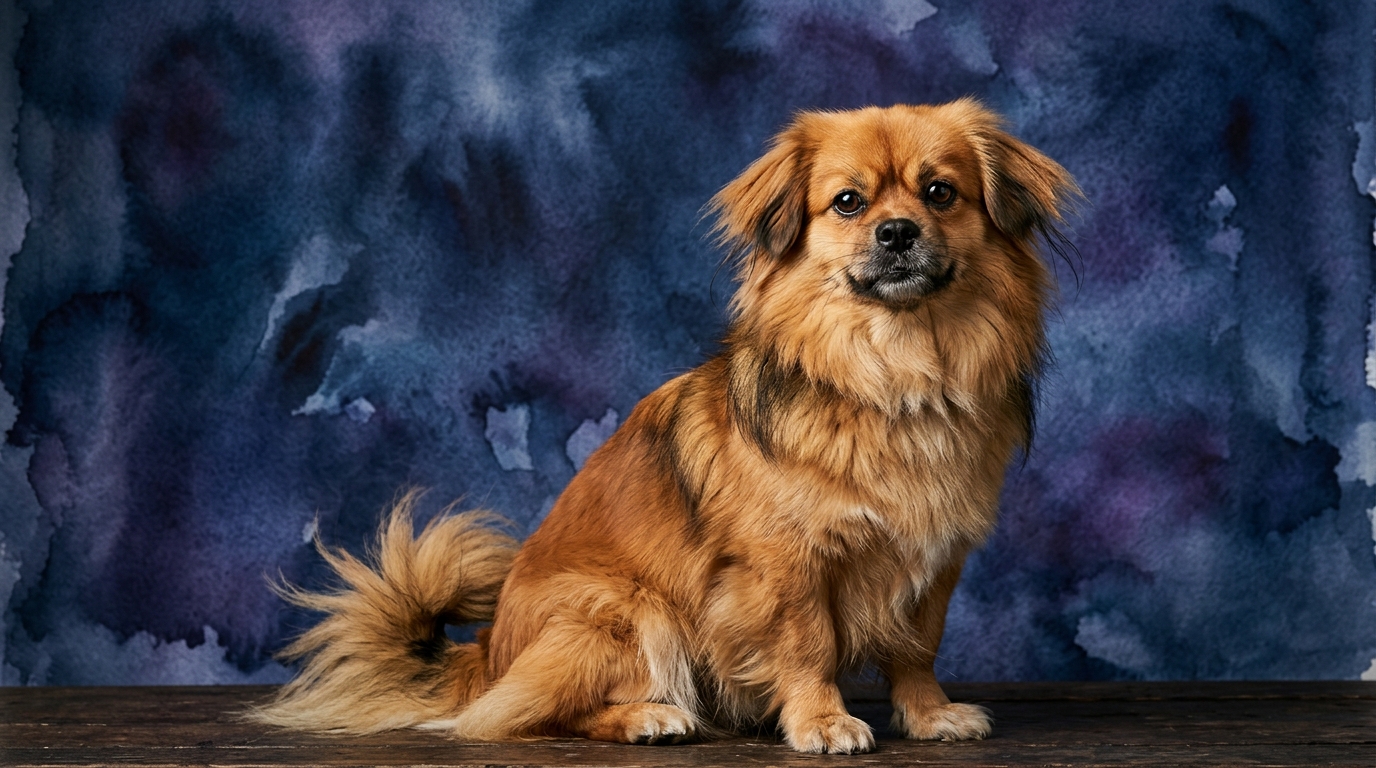
**Tibetan Spaniel (Dog, Non-Sporting, Not Coren-Ranked)**: Originating as companions and watchdogs, the Tibetan Spaniel's cognitive profile is oriented towards domestic life and close human bonds. Their **Problem Solving (3/5)** demonstrates a moderate ability to navigate household puzzles or achieve desired outcomes, often focused on comfort or gaining attention. A **Training Speed (3/5)** score suggests they are moderately receptive to learning; while attentive and generally willing, they can exhibit a stubborn streak if not properly motivated. Their **Social Intelligence (3/5)** is well-developed for a companion animal, showing a keen awareness of human moods and intentions, making them sensitive and perceptive family members. Their **Instinctive Drive (3/5)** is moderate, primarily centered on vigilance, companionship, and perhaps a mild prey drive for small objects, lacking the overwhelming wanderlust of some working breeds. A **Memory (3/5)** that is reliable and good for routines, commands, and familiar individuals supports their role as consistent companions and guardians.
Where the Siberian Husky Wins Cognitively
The Siberian Husky's cognitive strengths distinctly shine in areas demanding independent decision-making and robust physical application. Their Problem Solving score of 4/5, combined with an Instinctive Drive of 5/5, means they excel at tasks requiring self-reliance and ingenious navigation of obstacles. For instance, a Husky might meticulously plan an escape from a yard, not out of malice, but from an overwhelming drive to explore or chase. This isn't about simple obedience; it's about evaluating a situation and executing a complex solution based on their inherent drives. Their Memory (4/5) further supports this, allowing them to recall successful strategies or intricate routes, making them formidable in environments where independent action is paramount. This cognitive profile makes them exceptional at endurance activities where they must make swift, intelligent choices without constant human direction.
Where the Tibetan Spaniel Wins Cognitively
The Tibetan Spaniel, while not possessing the same independent problem-solving drive as the Husky, demonstrates cognitive advantages perfectly suited for its role as a watchful and affectionate companion. Their balanced Training Speed (3/5) allows for a more cooperative learning experience compared to the Husky's independent streak. This breed is often more focused on human interaction during training, making them receptive to positive reinforcement methods aimed at reinforcing desirable household behaviors. Their Social Intelligence (3/5) is particularly geared towards understanding and responding to the nuances of human emotion and routine, making them excellent at anticipating their owner's needs or signaling potential changes in the environment. Their cognitive strengths lie in their adaptability to a domestic setting and their capacity for forming deep, intuitive bonds, making them highly perceptive within their family unit.
Which is Easier to Train and Why
When assessing ease of training, the Tibetan Spaniel generally presents a more straightforward path than the Siberian Husky, primarily due to contrasting scores in Training Speed and Instinctive Drive. The Husky’s Training Speed of 2/5 reflects a breed that often finds repetitive drills tedious and prefers to act on its own powerful Instinctive Drive (5/5). This means a Husky might understand a command but choose not to execute it if a more compelling instinct, such as chasing a squirrel or exploring a scent, takes precedence. Their independence, honed over centuries of working without constant human oversight, requires trainers to be exceptionally patient, creative, and consistent, often employing high-value rewards and varied methods to maintain engagement.
In contrast, the Tibetan Spaniel's Training Speed of 3/5, coupled with a more moderate Instinctive Drive (3/5), indicates a greater willingness to engage in structured learning. While they can have their moments of stubbornness, they are typically more motivated by pleasing their human companions and less distracted by overwhelming intrinsic urges. Their attention is more easily held, and they respond well to positive reinforcement, making them generally more amenable to learning household manners and basic obedience commands without the same level of cognitive negotiation required by a Husky.
Which Suits Active Owners vs. Relaxed Owners
The distinct cognitive profiles of these breeds strongly dictate their suitability for different owner lifestyles. The Siberian Husky, with its high Instinctive Drive (5/5) and strong Problem Solving (4/5), thrives with active owners who can meet its profound need for mental and physical exertion. These dogs are not content with short walks; they require extensive daily exercise, often involving running, hiking, or mentally stimulating activities like scent work or agility, to prevent boredom and destructive behaviors. Their independent problem-solving nature means they need engaging challenges to direct their cognitive energy constructively. Owners who embrace an adventurous, outdoor-oriented lifestyle will find a Husky a rewarding partner.
Conversely, the Tibetan Spaniel, with its moderate Instinctive Drive (3/5) and Problem Solving (3/5), is better suited for more relaxed owners. While they still enjoy walks and playtime, their exercise needs are significantly lower than a Husky's. Their social intelligence and focus on companionship mean they are happiest when involved in family activities, whether that's a leisurely stroll in the park or simply curling up on the sofa. They still require mental engagement through toys or short training sessions, but their cognitive needs are less about independent exploration and more about interactive companionship.
The Verdict
Choose the Siberian Husky if you are an experienced, highly active owner eager to engage with a cognitively independent and physically driven partner who thrives on challenges and outdoor adventures.
Opt for the Tibetan Spaniel if you desire a perceptive, loyal companion with moderate exercise needs, who is generally more amenable to training and excels in a relaxed, family-oriented home environment.
🧠 Find Your Pet's IQ Score
Our Pet IQ Lab assessment covers 25+ tests across 5 cognitive dimensions — personalized to your breed.
Take the Full IQ Test →Frequently Asked Questions
Is a Siberian Husky difficult to train?
Due to their low Training Speed (2/5) and high Instinctive Drive (5/5), Siberian Huskies can indeed be challenging to train. They possess a strong independent streak and can be easily distracted by their innate desire to explore or chase, requiring consistent, creative, and patient training methods.
Are Tibetan Spaniels good family dogs?
Yes, Tibetan Spaniels are typically excellent family dogs, thanks to their balanced Social Intelligence (3/5) and moderate Instinctive Drive (3/5). They form strong bonds with their families, are alert watchdogs, and generally enjoy being involved in household activities, though they can be reserved with strangers.
Which breed requires more mental stimulation?
The Siberian Husky generally requires more intensive mental stimulation due to its high Problem Solving (4/5) and Instinctive Drive (5/5). They need complex challenges and varied activities to prevent boredom, whereas the Tibetan Spaniel's moderate cognitive needs are often met with interactive play and companionship.