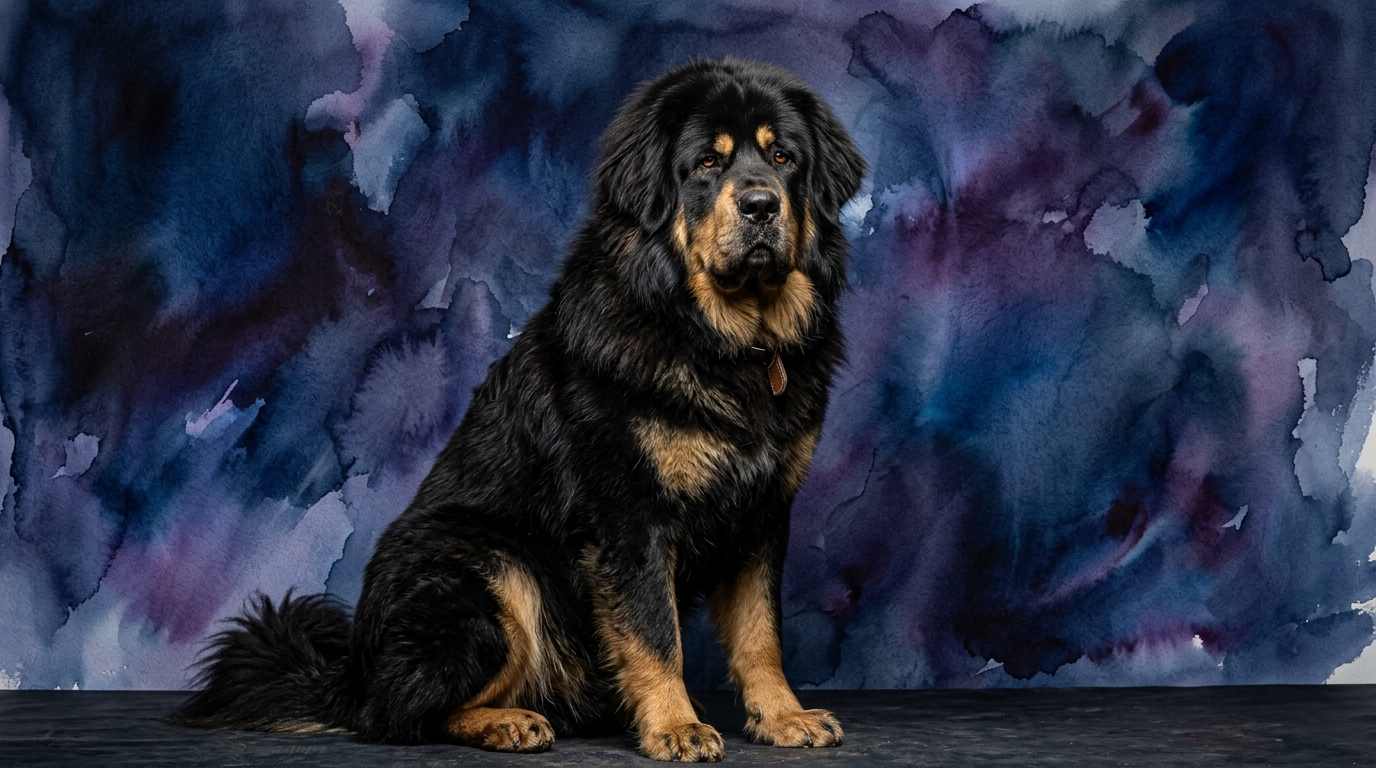
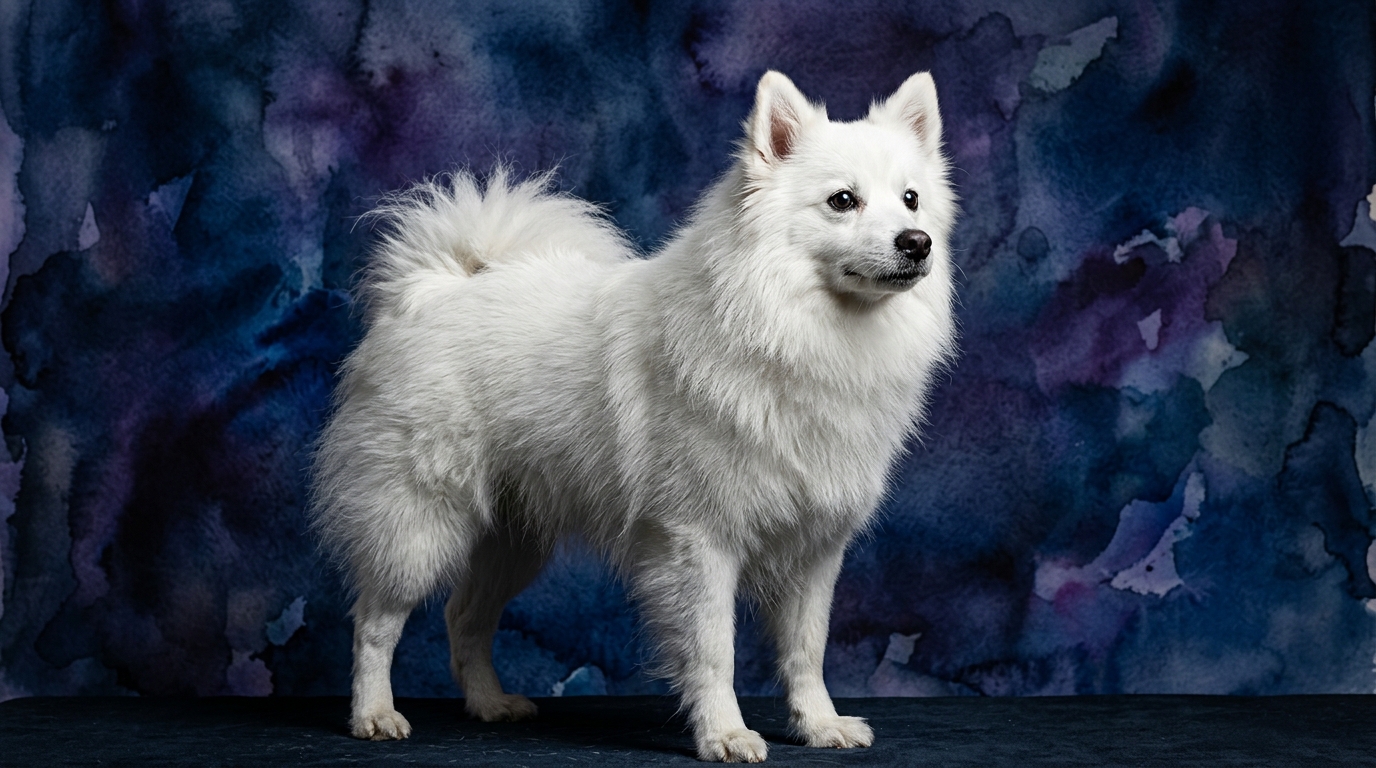
Side-by-Side IQ Profile: Unpacking the 3/5 Scores
In our Pet IQ Lab, both the formidable Tibetan Mastiff and the spirited American Eskimo Dog achieve a consistent 3 out of 5 across problem solving, training speed, social intelligence, instinctive drive, and memory. While these numerical ratings are identical, the context and expression of these cognitive traits diverge considerably, reflecting their ancestral roles. A 3/5 in problem solving, for instance, means both breeds possess a moderate capacity to navigate novel challenges and figure out solutions. For the Tibetan Mastiff, this often translates to independent decision-making in territorial defense or assessing potential threats, relying on their own judgment rather than constant human direction. The American Eskimo Dog, with its strong desire to interact, typically applies its problem-solving skills to human-centric puzzles, learning complex sequences for tricks, or strategizing how to gain attention or a reward.
When it comes to training speed, a 3/5 indicates a moderate pace for acquiring new commands or behaviors. The Tibetan Mastiff, a breed with a long history of independent guardianship, processes information steadily and requires consistent, patient guidance; their compliance often hinges on their perception of the command's value or necessity, rather than an inherent drive to please. Conversely, the American Eskimo Dog, also scoring 3/5, often appears to learn with greater alacrity due to its enthusiastic and cooperative nature, thriving on positive reinforcement and the interactive process of training. Their social intelligence, a 3/5 for both, also takes distinct forms: the Mastiff displays a profound understanding of its family unit and discerning judgment towards outsiders, while the Eskie excels at reading human emotional cues and engaging in responsive social interactions. Their instinctive drives, equally rated at 3/5, are perhaps the most divergent; the Mastiff's drive is rooted in protection and territorial vigilance, whereas the Eskie's is geared towards companionship, engagement, and performance. Finally, their 3/5 memory allows both to retain learned information and experiences moderately well, but what they prioritize remembering differs, with the Mastiff recalling threats and territory, and the Eskie remembering commands and routines.
Where the Tibetan Mastiff Excels Cognitively
The Tibetan Mastiff's cognitive strengths truly shine in scenarios demanding independent judgment and unwavering resolve, particularly in a guardian capacity. Despite its 3/5 problem-solving score, its specific application of this intellect allows it to assess complex environmental situations, such as discerning the difference between a harmless visitor and a genuine intruder, without needing explicit commands. This isn't about solving a puzzle box for a treat, but about making critical decisions that safeguard its family and territory. Their social intelligence, rated 3/5, is acutely tuned to the nuances of human and animal behavior within their domain, enabling them to identify subtle changes in demeanor or intent, which is a hallmark of an effective protector. They excel at maintaining a vigilant, watchful presence, demonstrating a steadfast memory (3/5) for who belongs and who doesn't, contributing to their consistent and reliable protective instincts.
Furthermore, the Mastiff's instinctive drive, also at 3/5, is channeled into a profound sense of responsibility and territorial awareness. This drive isn't easily swayed by distractions or external pressures; once they perceive a threat or a duty, their cognitive faculties are singularly focused on addressing it. This deep-seated purpose allows them to persevere in protective tasks, demonstrating a form of cognitive endurance that is less about speed and more about unwavering commitment. Their memory (3/5) of past interactions and learned boundaries ensures that their responses are consistent and informed by experience, making them formidable yet discerning guardians who operate with a self-assured cognitive autonomy.
Where the American Eskimo Dog Triumphs Cognitively
The American Eskimo Dog, with its identical 3/5 IQ scores, demonstrates a distinct set of cognitive strengths that align with its history as a companion and performer. Its problem-solving ability, though rated the same as the Mastiff's, is often geared towards intricate tasks and learning sequences that delight and engage humans. Eskies frequently excel in dog sports like agility or obedience, where they quickly grasp multi-step commands and navigate complex courses, indicating a strong capacity for sequential learning and adaptability. Their social intelligence, also a 3/5, is particularly adept at interpreting human body language and vocal tones, fostering a strong bond and enabling them to respond to subtle cues, making them highly receptive partners in various activities.
The Eskie's training speed, rated 3/5, is amplified by its eager-to-please temperament and high motivation for interaction and rewards. This responsiveness means they often appear to pick up new tricks and commands with enthusiasm, making the training process feel more fluid and collaborative. Their memory (3/5) is excellent for retaining a vast repertoire of commands and routines, which is crucial for performance-based activities. The American Eskimo Dog's instinctive drive (3/5) is strongly oriented towards companionship and engagement, manifesting as a desire to participate actively in family life and 'work' alongside their owners, seeking mental stimulation through cooperative activities rather than independent guarding.
Training Dynamics: Tibetan Mastiff vs. American Eskimo Dog
While both breeds score 3/5 in training speed, the 'ease' of training them differs significantly due to their underlying behavioral predispositions. The Tibetan Mastiff's independent nature and strong guardian instincts mean that while they are capable of learning, they may not always perceive human commands as their highest priority if it conflicts with what they instinctively believe is their role. Training a Mastiff requires immense patience, consistency, and a deep understanding of their inherent desire for autonomy. They respond best to fair, respectful leadership and methods that build trust, rather than forceful tactics. Their 3/5 training speed is often tempered by their considered approach to compliance; they learn, but they also evaluate.
In contrast, the American Eskimo Dog's 3/5 training speed is often perceived as faster because of their inherent enthusiasm and strong desire to please their human companions. They thrive on positive reinforcement, praise, and the interactive nature of training sessions. Their social intelligence (3/5) makes them highly attuned to their owner's reactions, motivating them to repeat behaviors that earn approval. While both learn at a moderate pace, the Eskie's cooperative spirit and lower threshold for motivation make them generally more responsive and therefore 'easier' to train for a wider range of activities, especially those involving complex sequences or tricks. The Mastiff's training is more about establishing a respectful partnership where commands are understood and, crucially, deemed acceptable by the dog.
Ideal Owner Lifestyles: Active Engagement vs. Thoughtful Management
Considering their cognitive profiles and behavioral tendencies, neither the Tibetan Mastiff nor the American Eskimo Dog is suited for a truly 'relaxed' owner who seeks a low-engagement companion. Both require committed and thoughtful ownership, but the nature of that engagement varies. The Tibetan Mastiff is best suited for owners who appreciate a dog with a strong, independent mind and are prepared to manage a powerful guardian breed. While they can be calm indoors, their mental needs revolve around territorial awareness, discerning judgment, and a consistent routine. They require owners who understand and respect their protective instincts, providing secure boundaries and early, extensive socialization rather than constant high-impact physical exercise. Their ideal owner values a watchful presence and is experienced in handling a dog that may not always be overtly eager to please, but is deeply loyal and purposeful.
The American Eskimo Dog, conversely, thrives with active owners who can provide consistent mental and physical stimulation. Their eager-to-please nature and high energy levels mean they excel in activities like agility, obedience, and interactive play. They need owners who enjoy engaging in dog sports, regular training sessions, and plenty of opportunities for social interaction. An Eskie will not be content to simply observe; they want to participate actively in family life. Owners who appreciate a responsive, clever companion for outdoor adventures and structured activities will find the Eskie a rewarding match, as their cognitive strengths are best utilized when challenged and engaged consistently.
The Verdict
Choose the Tibetan Mastiff if you are an experienced owner seeking a self-assured, independent guardian who will provide a watchful, discerning presence, and you are prepared for thoughtful management of their protective instincts.
Opt for the American Eskimo Dog if you are an active owner who enjoys consistent engagement, training, and dog sports, seeking a clever, responsive companion eager to participate in family activities.
🧠 Find Your Pet's IQ Score
Our Pet IQ Lab assessment covers 25+ tests across 5 cognitive dimensions — personalized to your breed.
Take the Full IQ Test →Frequently Asked Questions
Do identical IQ scores mean these breeds are equally easy to live with?
No, identical IQ scores of 3/5 indicate similar cognitive capacities, but their application and behavioral manifestation differ greatly. The Tibetan Mastiff's independence and guardian instincts require different management than the American Eskimo Dog's desire for interaction and performance, making neither 'easier' but rather suited to distinct lifestyles.
Can a Tibetan Mastiff be trained for agility like an American Eskimo Dog?
While a Tibetan Mastiff can learn agility commands due to its 3/5 training speed, its independent nature and physical build make it less naturally inclined or suited for the quick, repetitive movements required in agility compared to an American Eskimo Dog, who thrives on such mentally and physically engaging tasks.
Which breed would be better for a first-time dog owner?
Neither breed is typically recommended for a first-time dog owner without significant dedication and research. However, the American Eskimo Dog, with its greater desire to please and responsiveness to training, might be a more manageable choice for a highly committed novice than the more independent and strong-willed Tibetan Mastiff.