Side-by-Side IQ Profile: Tibetan Mastiff vs. Bedlington Terrier
At The Cosmic Pet Pet IQ Lab, we evaluate canine intelligence across five key dimensions. While both the Tibetan Mastiff and the Bedlington Terrier score a balanced 3/5 in each category, the *manifestation* of these scores differs dramatically, shaped by their evolutionary histories and breed purposes.
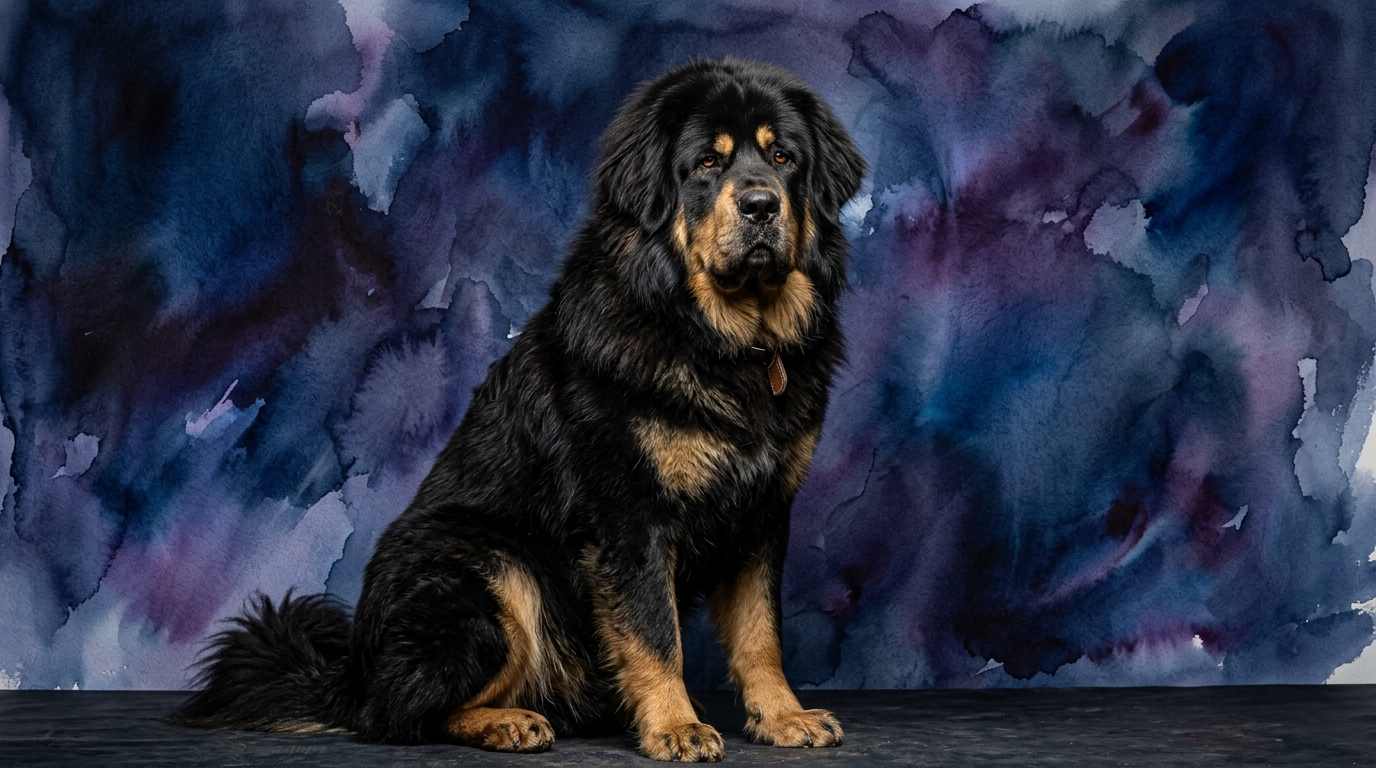
For the **Tibetan Mastiff (Working)**:
Problem Solving (3/5): This score reflects their capacity for assessing environmental threats and implementing protective strategies. Their problem-solving leans towards practical, security-focused scenarios, such as discerning safe boundaries or recognizing unusual activity, rather than complex abstract puzzles. Training Speed (3/5): They learn commands steadily, but their independent nature means compliance isn't always immediate. They grasp concepts with a moderate pace, often evaluating a command's perceived necessity or their own motivation before executing, requiring patience and consistent, trust-based reinforcement from their handler. Social Intelligence (3/5): They form deep, discerning bonds with their immediate family, reading subtle cues within their trusted circle. With strangers, they are reserved and watchful, relying on their judgment of intentions and social dynamics to determine appropriate interactions, rather than being universally gregarious. Instinctive Drive (3/5): This score reflects a powerful, deeply ingrained guarding instinct, driving them to protect their territory and loved ones. This drive is foundational to their being, manifesting as constant vigilance, territorial mapping, and a profound sense of responsibility for their domain and its inhabitants. Memory (3/5): They retain learned behaviors, routines, and past experiences effectively, remembering established boundaries, safe zones, and the disposition of individuals for long periods. Their memory aids significantly in reinforcing their protective duties and navigating their familiar environment with confidence.
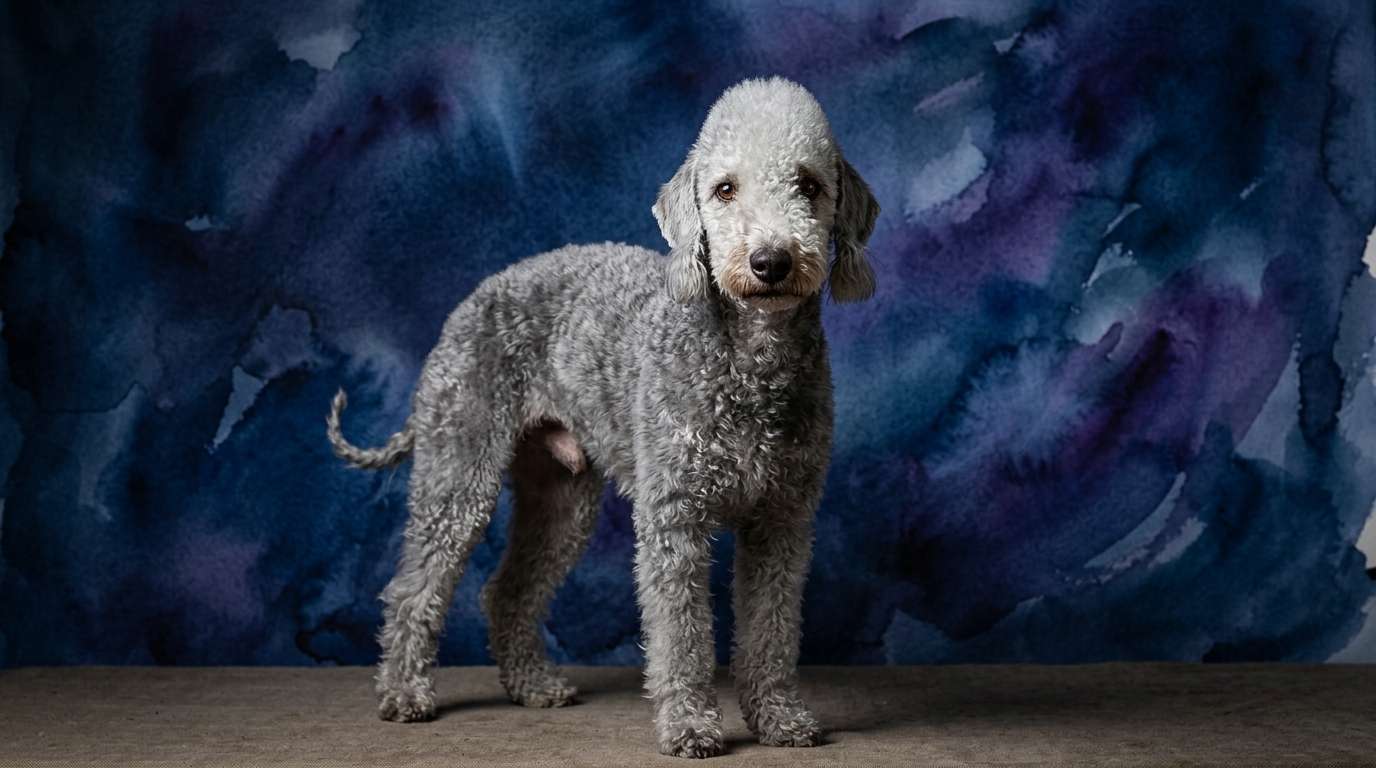
For the **Bedlington Terrier (Terrier)**:
Problem Solving (3/5): This score indicates a cleverness in navigating their immediate environment and overcoming small, tangible obstacles, particularly when motivated by curiosity or a desired outcome. Their problem-solving often involves resourcefulness in tight spots or devising ways to reach an interesting scent or object, rather than analytical reasoning. Training Speed (3/5): Bedlingtons learn new commands at a moderate pace, capable of grasping concepts quickly. However, their spirited terrier tenacity can sometimes lead to selective hearing or moments of stubbornness. Consistency, positive reinforcement, and engaging methods are crucial to maintain their focus and willingness to comply. Social Intelligence (3/5): Generally affable and capable of forming close family bonds, they adapt well to various social settings once comfortable and properly introduced. They pick up on human moods and interactions within their immediate circle, though their instinctive drive can make them wary or reactive towards unfamiliar small animals. Instinctive Drive (3/5): This score strongly reflects their deeply embedded terrier drive for digging, chasing small prey, and exploring scents. This powerful instinct is a significant motivator in their interactions with the world, influencing their play, curiosity, and sometimes their focus during training. Memory (3/5): They possess a solid memory for commands, routines, and past experiences, which helps them navigate their daily lives and recall training. They remember where favorite toys are hidden, the location of exciting smells, and which behaviors lead to rewards, aiding in their adaptability.
Where the Tibetan Mastiff Wins Cognitively
The Tibetan Mastiff's cognitive strengths shine particularly in areas requiring strategic discernment and long-term environmental awareness. Their problem-solving, rated 3/5, is less about puzzle-solving for human amusement and more about assessing complex, real-world threats. They excel at evaluating unfamiliar individuals or situations, using their social intelligence (3/5) to gauge intentions and their memory (3/5) to recall past interactions or established boundaries. This breed demonstrates a profound ability to map and protect its territory, remembering every corner and potential entry point, making them exceptional at recognizing deviations from the norm. Their instinctive drive (3/5) for guardianship is supported by a cognitive framework that prioritizes vigilance and protective strategy over spontaneous action, allowing them to make measured judgments in high-stakes scenarios.
Where the Bedlington Terrier Wins Cognitively
The Bedlington Terrier, while sharing a 3/5 score across cognitive dimensions, showcases its unique strengths in areas demanding quick adaptability and focused persistence. Their problem-solving (3/5) often manifests as cleverness in navigating obstacles or devising ways to reach desired items, particularly those that appeal to their instinctive drive (3/5) for chasing or exploring. They exhibit a resourcefulness in confined spaces, quickly assessing how to maneuver. Their social intelligence (3/5) allows them to adapt relatively well to varied social dynamics, quickly picking up on the moods of their human companions and adjusting their approach. Coupled with a solid memory (3/5) for routines and past successful endeavors, they can recall where a hidden treat was last found or which path leads to an exciting scent, demonstrating a nimble mental approach to their immediate environment.
Which is Easier to Train and Why
When evaluating ease of training, both breeds score 3/5 for training speed, yet their approaches to learning diverge significantly. The Tibetan Mastiff's independent nature means they often ponder commands, weighing their perceived necessity or benefit before complying. While capable of learning complex tasks, their motivation isn't always simple obedience; trainers must build trust and demonstrate the value of a command within the Mastiff's framework of purpose. This means training can be a slower, more deliberate process requiring deep understanding of their psychology and consistent, positive reinforcement rather than rote drilling. The Bedlington Terrier, conversely, possesses a spirited terrier temperament. While they grasp concepts with a similar speed, their intense instinctive drive (3/5) for chasing and exploring can make focus a challenge. Their tenacity, a hallmark of the terrier group, can sometimes translate into stubbornness if they're not adequately motivated or if a more exciting distraction presents itself. However, their desire to engage with their family, combined with a generally more biddable nature than the Mastiff, often makes them *feel* easier to train for owners who can make training sessions engaging and consistent, effectively managing their prey drive and channeling their energy.
Which Suits Active Owners vs. Relaxed Owners
The ideal owner profiles for these two breeds reflect their differing energy levels and cognitive needs. A Tibetan Mastiff is not suited for owners seeking a jogging companion or a dog for agility sports. While they require space and regular, moderate exercise to maintain physical health, their cognitive engagement revolves more around their protective duties and understanding their environment. They thrive with 'relaxed' owners in terms of high-intensity physical activity, but 'active' owners in terms of providing consistent structure, secure boundaries, and a deep understanding of their independent, watchful temperament. Their cognitive strengths are best utilized by owners who appreciate a formidable guardian and can manage their territorial instincts. The Bedlington Terrier, on the other hand, is a more suitable companion for active owners. Their inherent terrier energy and instinctive drive (3/5) mean they benefit from regular walks, playtime, and mental challenges to prevent boredom and channeling their curiosity. While not needing extreme endurance, they enjoy activities that engage both their body and their clever problem-solving (3/5) mind. They can adapt to a slightly less active lifestyle if given consistent mental stimulation and companionship, but generally thrive with owners who enjoy daily engagement and can provide outlets for their lively spirit.
The Verdict
Choose a Tibetan Mastiff if you are an experienced owner with a secure, spacious property, seeking a formidable, independent guardian whose loyalty is earned through trust and understanding.
Opt for a Bedlington Terrier if you desire an engaging, playful companion for an active family, capable of adapting to various living situations with consistent training and outlets for their spirited energy.
🧠 Find Your Pet's IQ Score
Our Pet IQ Lab assessment covers 25+ tests across 5 cognitive dimensions — personalized to your breed.
Take the Full IQ Test →Frequently Asked Questions
Are Tibetan Mastiffs good family dogs?
With proper socialization and early exposure, Tibetan Mastiffs can form strong, protective bonds with their immediate family. However, their natural wariness of strangers and guarding instincts require careful management, making them best suited for experienced owners who understand their unique social needs.
Do Bedlington Terriers bark a lot?
Like many terriers, Bedlington Terriers can be vocal, especially when alerting to unfamiliar sights or sounds, or if they are bored and under-stimulated. Consistent training and providing adequate mental and physical exercise can help manage their tendency to bark.
How much exercise do these breeds need?
The Tibetan Mastiff requires moderate, consistent exercise, such as daily walks, and significant mental engagement through their guarding duties. The Bedlington Terrier, being a more energetic breed, needs regular, active exercise, including walks, playtime, and mental stimulation to satisfy their curiosity and instinctive drives.