Side-by-Side IQ Profile: Independent Minds, Different Manifestations
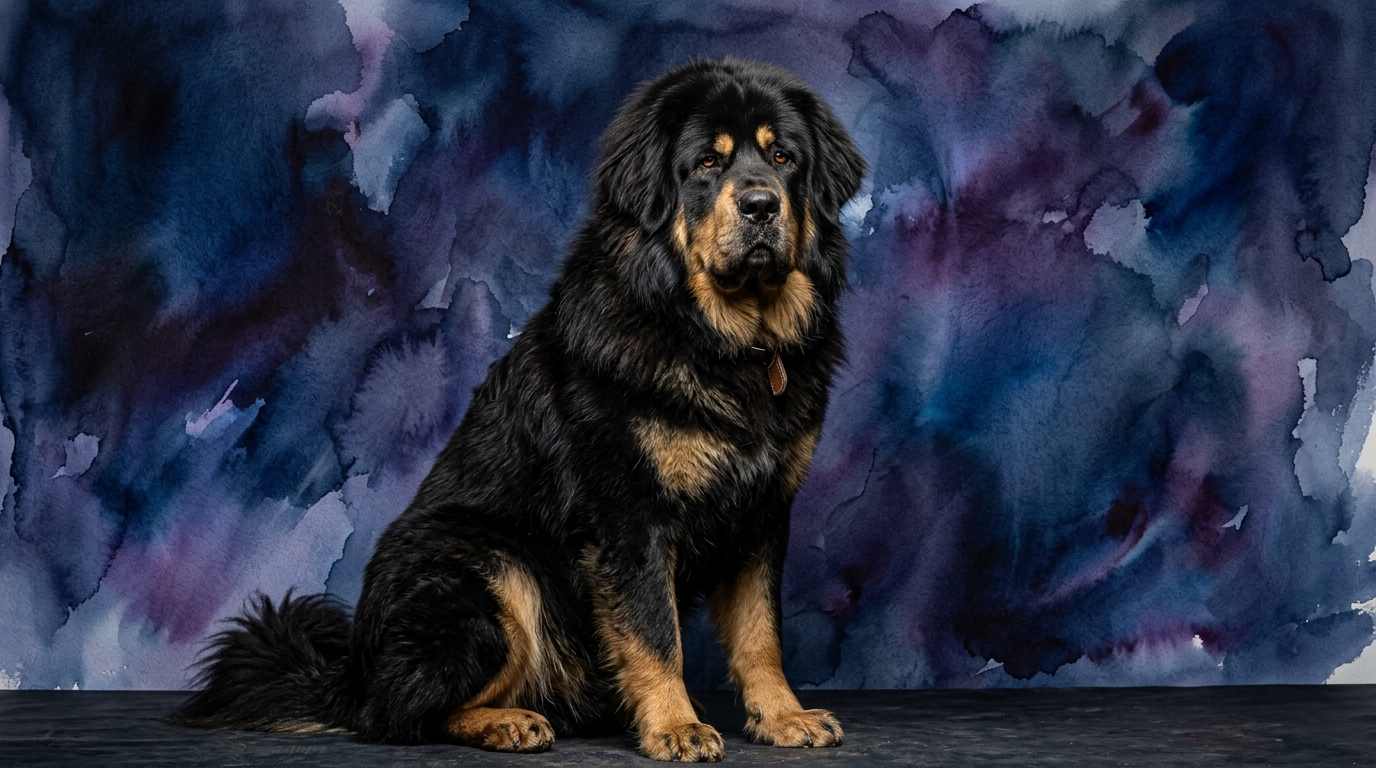
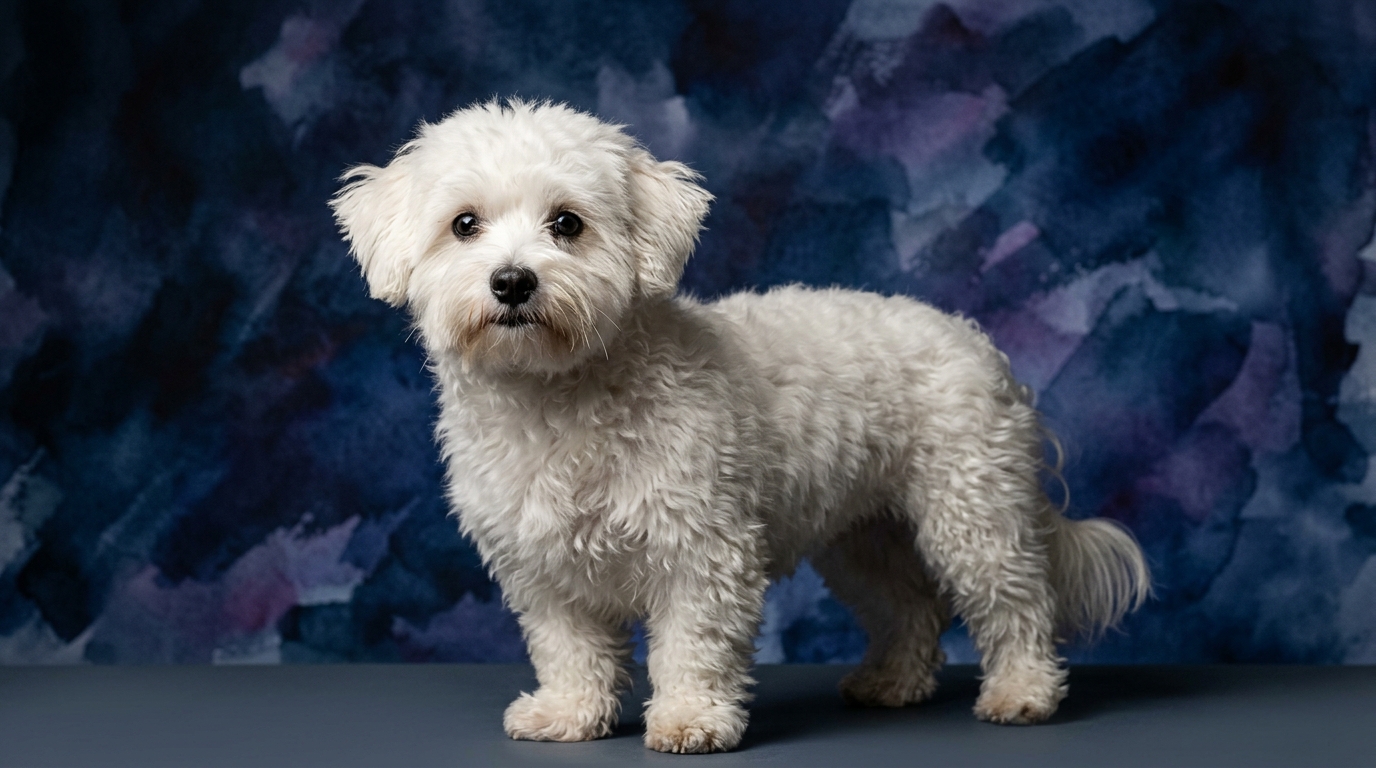
**Problem Solving (3/5):** For the Tibetan Mastiff, a 3/5 in problem-solving reflects their capacity for independent judgment in their guardian role. They assess unfamiliar visitors or perceived threats, making decisions based on ingrained territorial instincts, often without direct command. This manifests as autonomously navigating and responding to their environment to fulfill protective duties. The Coton de Tuléar's 3/5 in problem-solving manifests differently, often centered around social dynamics. They might figure out how to get attention or understand household routines to anticipate events. Their problem-solving is about adapting to and influencing their immediate social environment, seeking comfort or engagement.
**Training Speed (3/5):** A 3/5 training speed for the Tibetan Mastiff signifies that while capable of learning, their independence and strong will demand significant patience, consistency, and a deep understanding of their motivations. They aren't typically eager to please conventionally and may question commands if purpose isn't clear or conflicts with instinct. Mastering commands requires repetition and a strong, trust-based relationship. The Coton de Tuléar, also at 3/5, presents a different experience. Their desire for companionship and positive interaction often makes them more responsive to reward-based training. While still requiring consistency, their motivation is frequently tied to pleasing human companions, making the process feel more cooperative.
**Social Intelligence (3/5):** The Tibetan Mastiff's 3/5 social intelligence is characterized by deep, discerning loyalty to family and profound wariness of strangers. They read nuanced cues within their established social circle, but apply a critical lens to outsiders. Their social awareness is geared towards identifying friend from foe and protecting their pack. For the Coton de Tuléar, a 3/5 means they are highly attuned to human emotions and social interactions, making them exceptional companions. They excel at reading owners' moods, seeking comfort or offering affection, integrating seamlessly into family life, focused on bonding and harmony.
**Instinctive Drive (3/5):** The Tibetan Mastiff’s 3/5 instinctive drive is dominated by powerful guarding and territorial instincts. This compels them to survey their domain, be vigilant, and act as formidable protectors of family and property. Their instincts are ancient, manifesting as a profound sense of responsibility and natural sentry duty. The Coton de Tuléar’s 3/5 instinctive drive, in contrast, is rooted in their companion heritage. This translates into a strong desire for closeness, play, and interaction with their human family, often following owners. Their instincts foster social bonds, provide affection, and engage in lighthearted play.
**Memory (3/5):** A 3/5 memory for the Tibetan Mastiff means excellent recall for territory, routines, and inner circle individuals. They remember perceived threats or significant environmental events, contributing to effective guarding. Their memory is practical and enduring for their vigilant role. The Coton de Tuléar’s 3/5 memory is equally robust but applied differently. They remember people, learned commands, tricks, and established household routines with impressive accuracy. This allows them to quickly anticipate daily events and retain complex behaviors, contributing to adaptability and smooth integration into family life.
Where the Tibetan Mastiff Excels Cognitively
The Tibetan Mastiff's cognitive strengths, even with identical 3/5 scores, are uniquely tailored to their historical role as independent guardians. Their Problem Solving (3/5) is particularly potent when it comes to assessing and responding to potential threats autonomously, making complex judgments about safety without needing human direction in the moment. This discernment, coupled with their Social Intelligence (3/5) that allows them to distinguish trusted individuals from perceived intruders, gives them an unmatched mental fortitude for protection. Their Instinctive Drive (3/5) is not just strong, but intelligently applied, guiding them to patrol, observe, and react with a calculated presence that few other breeds can replicate, making them unparalleled in their specific cognitive application for vigilance.
Where the Coton de Tuléar Excels Cognitively
The Coton de Tuléar excels cognitively in areas that enhance their role as engaging and adaptable companions, despite their matching 3/5 scores. Their Problem Solving (3/5) shines in navigating social nuances, figuring out how to initiate play, or subtly communicating their needs, often demonstrating a creative approach to getting attention or comfort. Their Social Intelligence (3/5) is profoundly empathetic, allowing them to accurately read human emotions and respond with comforting or playful gestures, fostering deep emotional bonds. This capacity to intuitively understand and integrate into human family dynamics is a significant cognitive advantage. Furthermore, their Memory (3/5) is particularly effective for retaining a vast array of social cues, learned behaviors, and household routines, enabling them to be remarkably adaptable and responsive household members.
Training Dynamics: Independence vs. Cooperation
While both breeds hold a 3/5 rating in Training Speed, the Coton de Tuléar generally presents an easier training experience for the typical owner due to inherent behavioral differences. The Coton's strong social drive and eagerness to please their human companions mean they are often highly motivated by praise, positive reinforcement, and the desire for interaction. They tend to approach training as a collaborative activity, making them more amenable to learning new commands and tricks. In contrast, the Tibetan Mastiff's 3/5 in training speed is often tempered by their profound independence and guardian mindset; they are deliberate learners who may question the necessity of a command if it doesn't align with their perceived duty or makes logical sense to them. Training a Tibetan Mastiff requires immense patience, consistency, and a firm yet gentle hand, understanding that their cooperation must be earned through trust and respect, rather than simply a desire to please.
Matching Breeds to Lifestyles: Active Engagement vs. Relaxed Companionship
The choice between active and relaxed owners depends on the *nature* of engagement. A Tibetan Mastiff isn't a jogging partner; their activity is territorial observation. Owners must be "active" in dedicated training, socialization, and providing a secure environment for their guardian instincts. They are relaxed indoors but demand mentally active owners. The Coton de Tuléar is adaptable. While enjoying walks, their primary mental and emotional stimulation comes from constant social interaction and family involvement. They suit owners "relaxed" physically but highly engaged and present, offering affection, play, and social learning.
The Verdict
Select a Tibetan Mastiff if you are an experienced owner seeking a formidable, independent guardian with a deep, discerning bond, prepared for significant, patient training and dedicated management of a powerful, ancient breed.
Opt for a Coton de Tuléar if you desire an adaptable, affectionate companion that thrives on social interaction and integrates seamlessly into family life, offering delightful engagement without overwhelming physical demands.
🧠 Find Your Pet's IQ Score
Our Pet IQ Lab assessment covers 25+ tests across 5 cognitive dimensions — personalized to your breed.
Take the Full IQ Test →Frequently Asked Questions
Despite similar IQ scores, why do they feel so different in terms of intelligence?
Their identical 3/5 scores reflect a similar capacity for cognitive functions, but the manifestation of these abilities is profoundly shaped by their breed purpose and history. The Tibetan Mastiff applies its problem-solving and social intelligence to independent guarding, while the Coton de Tuléar uses its identical cognitive tools for social bonding and adaptable companionship.
Can a Coton de Tuléar be a guard dog, given its social intelligence?
While a Coton de Tuléar’s social intelligence and alertness might make them excellent "alarm bells," barking at strangers, their small size and companion-oriented instinctive drive mean they lack the physical presence and inherent protective instincts to be effective guard dogs in the traditional sense. Their strengths lie in companionship, not territorial defense.
Is the Tibetan Mastiff suitable for first-time dog owners?
Generally, the Tibetan Mastiff is not recommended for first-time dog owners due to their strong independence, significant size, and powerful guardian instincts. Their 3/5 training speed requires an experienced hand, immense patience, and a deep understanding of their unique temperament to ensure proper socialization and management.