Side-by-Side Cognitive Profile: Interpreting the 3/5 Scores
While both breeds share a 3/5 rating across the board, the expression of these cognitive abilities is profoundly shaped by their ancestral roles. Understanding these nuances moves us beyond a simple number to appreciate the specialized minds within each.
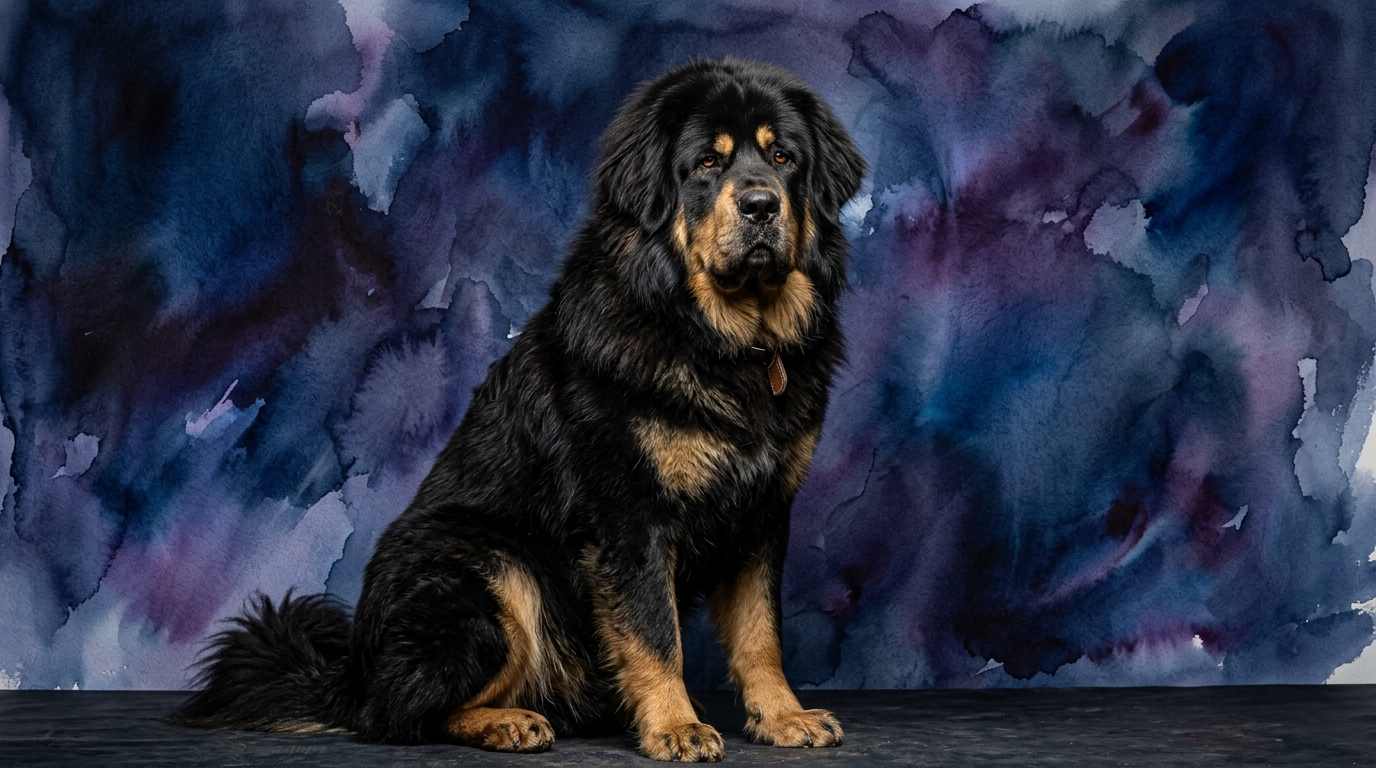
For the **Tibetan Mastiff**, a breed developed for guarding livestock and property in the Himalayas, their **Problem Solving (3/5)** manifests as independent, strategic thinking. They are not dogs that look to their owner for every decision; instead, they are adept at assessing complex environmental cues and potential threats, making deliberate choices about appropriate action. Their **Training Speed (3/5)** reflects an ability to learn, but often on their own terms, requiring an owner who understands their self-sufficient nature rather than expecting eager compliance. **Social Intelligence (3/5)** in a Tibetan Mastiff is a deep, discerning observation of their inner circle and a cautious, often aloof, stance towards outsiders. They form intense bonds with their family, understanding subtle emotional shifts, but their social radar is primarily tuned for protection. Their **Instinctive Drive (3/5)** is undeniably centered on guardianship, patrolling, and territorial defense – a deeply ingrained purpose that guides much of their cognitive function. Finally, their **Memory (3/5)** is robust, particularly for recognizing individuals, remembering boundaries, and recalling past events or perceived threats, which is crucial for their protective duties over vast areas.
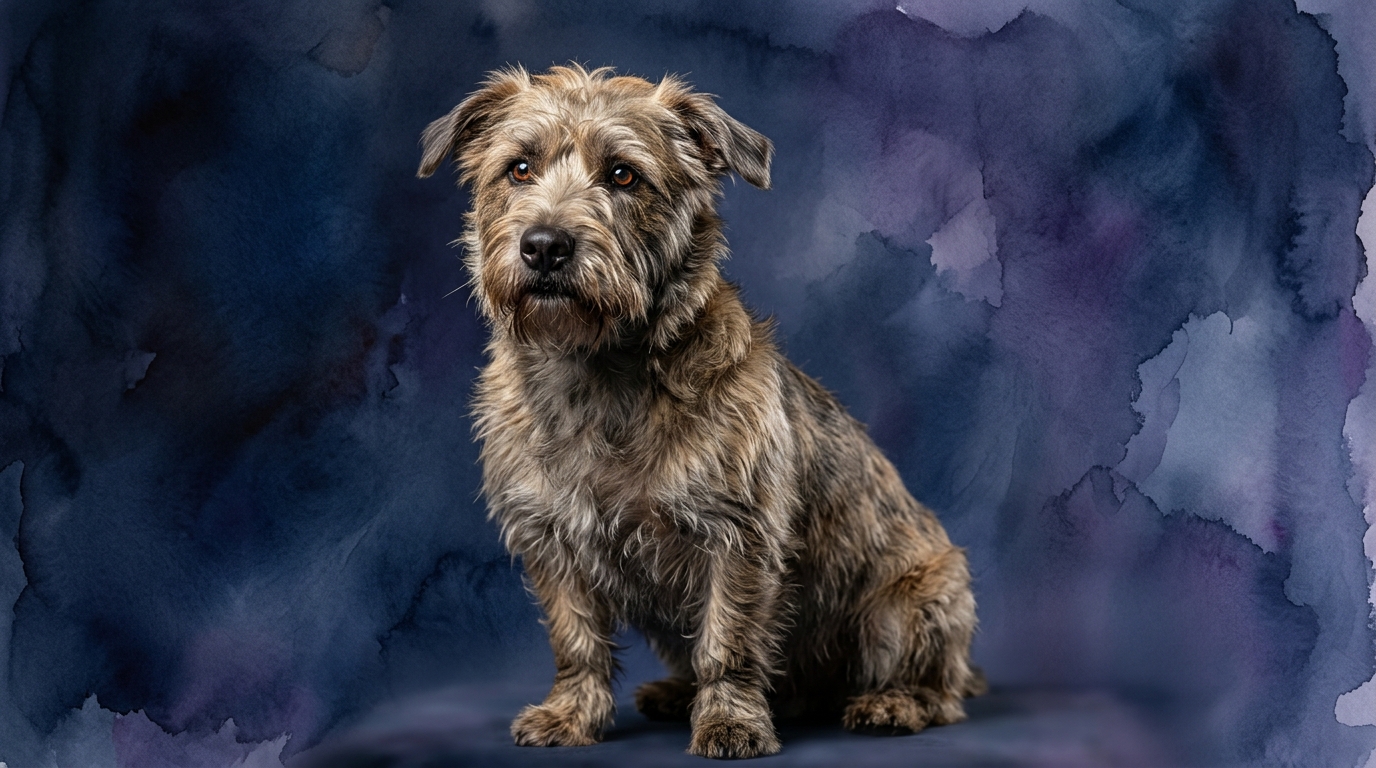
The **Glen of Imaal Terrier**, conversely, a breed originating from Ireland for badger and fox hunting, interprets these same scores through a lens of tenacious, subterranean work. Their **Problem Solving (3/5)** is characterized by relentless resourcefulness in pursuit of a goal, especially when it involves scent work, digging, or navigating tight spaces. They are experts at figuring out how to get to what they want, often demonstrating remarkable persistence. **Training Speed (3/5)** for a Glen means they are capable learners, but their formidable terrier stubbornness and prey drive can make training a spirited challenge, demanding engaging methods to hold their interest. Their **Social Intelligence (3/5)** is expressed as an affectionate, attentive bond with their immediate family, often reading human moods with surprising accuracy, though they can be less inclined to extend this warmth to strangers or other dogs. The **Instinctive Drive (3/5)** of a Glen is overwhelmingly focused on hunting, digging, and chasing – it's the core of their being and an ever-present influence on their behavior. Their **Memory (3/5)** is strong for routines, learned tasks, and especially for locations where exciting things (like digging opportunities or interesting scents) have occurred, aiding their determined pursuit of quarry.
Where the Tibetan Mastiff Excels Cognitively
Despite sharing the same numerical scores, the Tibetan Mastiff demonstrates a distinctive cognitive advantage in areas related to independent, strategic guardianship. Their **problem-solving (3/5)** and **social intelligence (3/5)** are uniquely attuned to assessing complex security situations with a profound, self-reliant judgment. Unlike many breeds that defer to human direction, a Tibetan Mastiff excels at independent decision-making within their perceived domain, often evaluating potential threats and environmental cues to act proactively, rather than awaiting explicit commands for every perceived danger. This manifests as a thoughtful, deliberate approach to territorial defense, where they synthesize information from their environment and past experiences to determine appropriate responses.
Furthermore, their **memory (3/5)** is exceptionally strong for understanding and recalling boundaries, recognizing individuals (both welcomed and unwelcomed), and remembering the 'lay of the land' within their guarded territory. This allows them to patrol and secure a large area with remarkable efficiency, noting where potential weak points might be or where strangers have previously intruded. This long-term spatial and social memory is a critical component of their effectiveness as a formidable, self-sufficient protector, enabling them to maintain vigilance and apply learned lessons over extended periods without constant human reinforcement.
Where the Glen of Imaal Terrier Shows Cognitive Strengths
The Glen of Imaal Terrier, with its terrier heritage, displays its cognitive strengths through a distinct blend of tenacity and focused engagement. Their **problem-solving (3/5)**, when combined with their intense **instinctive drive (3/5)**, makes them remarkably resourceful and persistent in pursuing a goal, particularly tasks involving scent work, digging, or navigating confined spaces. They exhibit a focused determination to overcome obstacles, whether it's figuring out how to bypass a barrier to a scent or tirelessly digging to reach a perceived target. This isn't about broad strategic thinking, but rather a relentless, single-minded application of intelligence to achieve a very specific, often instinct-driven, objective.
Moreover, their **social intelligence (3/5)**, while perhaps less outwardly demonstrative than some breeds, allows them to be highly engaging and adaptable within a close family setting. They are adept at reading subtle human cues and often participate enthusiastically in interactive play and activities, translating their inherent terrier energy into focused, communicative interaction. This allows them to integrate deeply into family life, demonstrating a capacity for cooperative engagement in activities that stimulate their natural drives, making them excellent partners for owners who appreciate a dog with a strong, interactive personality.
Which is Easier to Train, and Why?
Neither the Tibetan Mastiff nor the Glen of Imaal Terrier can be described as 'easy' to train in the conventional sense, primarily due to their shared independence and strong innate drives. Both breeds score 3/5 in training speed, indicating they are capable of learning, but their distinct temperaments dictate different training approaches and challenges.
The **Glen of Imaal Terrier** might be perceived as *marginally* more manageable for a typical pet owner due to their smaller size and greater adaptability to indoor living. They generally respond well to positive reinforcement and engaging, game-based training methods that tap into their natural prey drive, such as fetch, agility, or scent work. However, their formidable terrier tenacity, propensity for selective hearing when a compelling scent or urge takes over, and potential for stubbornness mean that consistent, patient, and creative training is essential. Owners must be prepared to manage their digging instincts and high prey drive with secure environments and appropriate outlets, otherwise, their problem-solving skills will be applied to undesired behaviors.
The **Tibetan Mastiff**, on the other hand, presents a more significant training commitment. Their independence, self-reliance, and deeply ingrained guardian instincts mean they are not inherently eager to please in the way many working breeds are. Training a Tibetan Mastiff requires an owner who understands their specific motivations, which are often rooted in protecting their territory and family, rather than performing tricks on command. Repetitive obedience drills might be met with disinterest or a challenging gaze. Early, extensive socialization is critical, and training must focus on building trust, clear communication, and respecting their nature as a self-reliant protector. This breed requires a confident, consistent leader who can guide them without resorting to harsh methods, which they will often resent. Their large size and powerful presence also make early training imperative for safety and control, making them a less forgiving choice for novice owners.
Matching Breeds to Owner Lifestyles: Active vs. Deliberate
When considering an owner's lifestyle, neither of these breeds neatly fits the 'relaxed, low-maintenance' category, though their needs differ significantly.
The **Glen of Imaal Terrier** is better suited for owners who enjoy an *active and engaging* lifestyle. While not requiring marathon runs, they thrive with regular, moderate daily exercise, including brisk walks and opportunities for off-leash play in secure areas. More crucially, they need consistent mental stimulation through interactive games, puzzle toys, and activities that engage their keen terrier instincts, such as earthdog trials or scent work. Owners who appreciate a dog with a strong, independent personality and are prepared to channel their tenacity into constructive outlets will find a rewarding companion. Without sufficient physical and mental engagement, a Glen's problem-solving skills and instinctive drives can lead to boredom and destructive behaviors like excessive digging or barking.
The **Tibetan Mastiff** is for owners who are *deliberate, patient, and possess extensive secure property*. While they are not high-energy dogs in terms of requiring constant running or agility, they demand a significant commitment to management and understanding their unique temperament. They need ample, securely fenced outdoor space to patrol and fulfill their guardian instincts. Their mental stimulation comes from observing their territory and assessing their environment, rather than performing complex tasks for human amusement. This breed is not for the casual owner; they require a confident, consistent leader who can provide early, extensive socialization and understand their independent, protective nature. Owners must be prepared for a dog that forms deep bonds but remains aloof with strangers and requires careful management in public. They suit individuals or families who appreciate a majestic, self-reliant guardian and can provide the specific environment and leadership such a profound companion requires, rather than seeking a dog for constant physical activity.
The Verdict: When to Choose Each Breed
The Verdict
Choose the Tibetan Mastiff if you seek a profound, independent guardian, possess extensive secure property, and are prepared for a lifelong commitment to understanding a self-reliant, protective companion who thrives on watchful oversight.
Opt for the Glen of Imaal Terrier if you desire a tenacious, engaging companion for interactive play and activities, appreciate a dog with a strong personality, and can provide consistent training and outlets for their formidable terrier instincts.
🧠 Find Your Pet's IQ Score
Our Pet IQ Lab assessment covers 25+ tests across 5 cognitive dimensions — personalized to your breed.
Take the Full IQ Test →Frequently Asked Questions
Are Tibetan Mastiffs naturally good with children?
With proper socialization and a secure family environment, Tibetan Mastiffs can be deeply protective of their 'flock,' including children. However, their immense size and independent nature mean supervision is always necessary, and they are not typically 'playmates' in the same boisterous way some other breeds might be.
How much exercise does a Glen of Imaal Terrier need?
Glens need moderate daily exercise, including brisk walks and opportunities for off-leash play in a secure area. More importantly, they require significant mental stimulation through engaging training, puzzle toys, and activities that engage their terrier instincts like scent work or designated digging zones to prevent boredom and destructive behaviors.
Do either of these breeds bark a lot?
Tibetan Mastiffs are known for their deep, resonant bark used to deter intruders; they are generally not nuisance barkers but will alert to perceived threats. Glen of Imaal Terriers can be vocal, especially if bored, detecting prey, or when expressing their opinions, and their terrier 'voice' can be persistent.