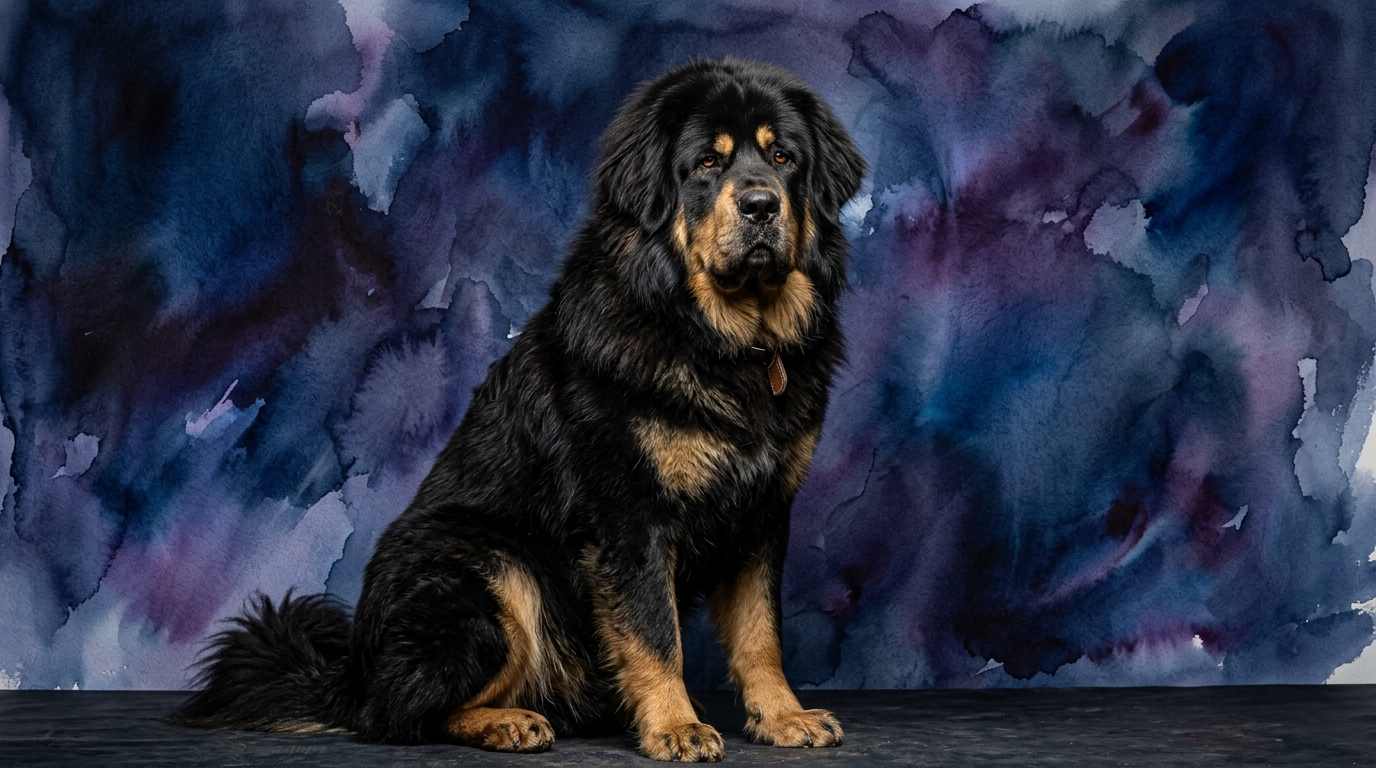
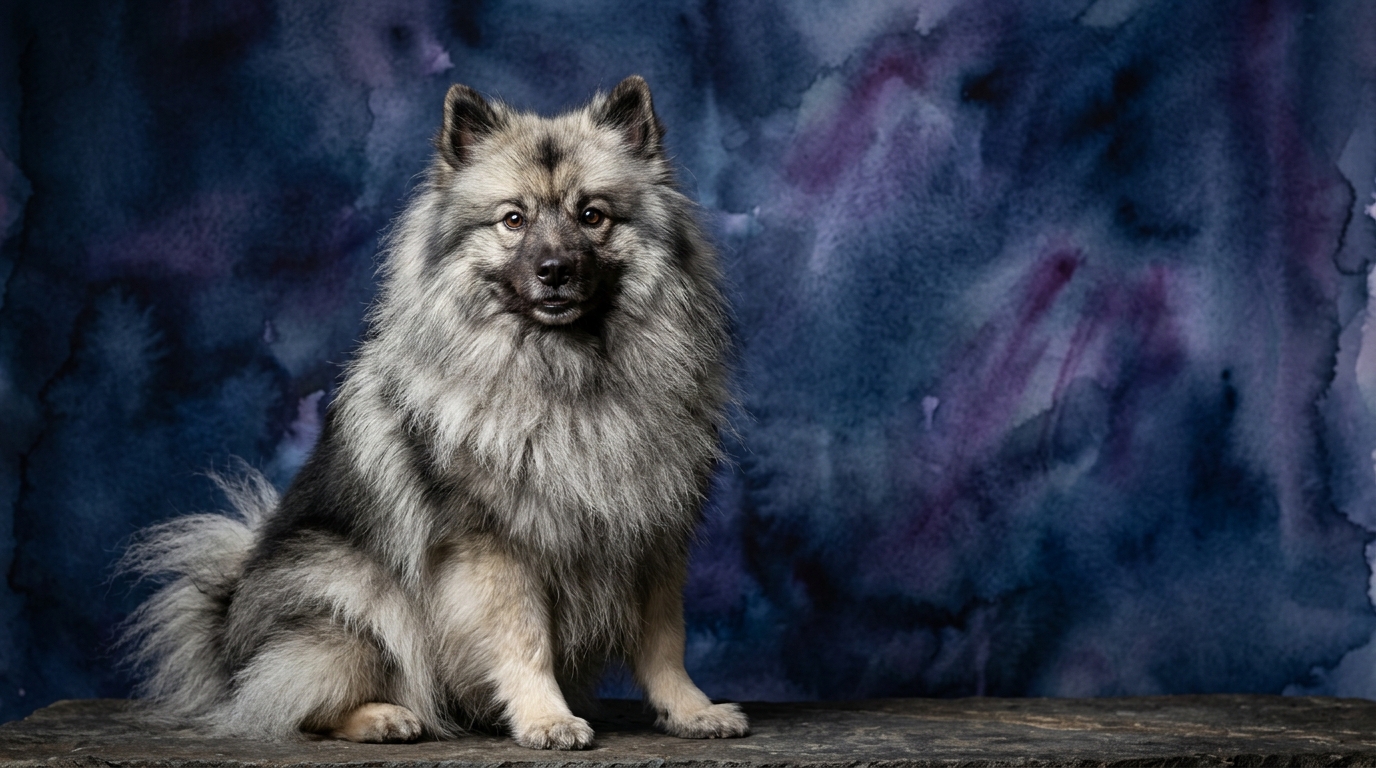
Side-by-Side IQ Profile: Tibetan Mastiff vs Keeshond
The Cosmic Pet Pet IQ Lab employs a five-dimensional framework to assess canine intelligence, offering a nuanced look beyond simple obedience. For the Tibetan Mastiff, each dimension—Problem Solving, Training Speed, Social Intelligence, Instinctive Drive, and Memory—registers a balanced 3 out of 5. This score suggests a dog with moderate problem-solving abilities, capable of independent thought but not necessarily seeking complex mental challenges for their own sake. Their training speed and memory indicate a steady learning pace; they absorb information consistently, but perhaps not with the lightning-fast recall of some other breeds. A 3/5 in social intelligence points to a discerning nature, capable of forming strong bonds but often reserved with strangers, while their instinctive drive reflects a moderate inclination towards their inherent working behaviors, particularly guarding.
In contrast, the Keeshond presents a profile with notable strengths. Their Problem Solving capability is rated at 4 out of 5, indicating a keen mind adept at navigating novel situations and figuring things out. This is complemented by a Training Speed of 4 out of 5, suggesting they grasp new commands and concepts with relative ease. Perhaps their most striking cognitive asset is their Memory, scoring an impressive 5 out of 5, signifying an exceptional ability to retain learned behaviors and experiences over long periods. Like the Mastiff, their Social Intelligence and Instinctive Drive both score 3 out of 5. This moderate social intelligence points to a friendly but not overly demonstrative nature, often forming deep connections within their family unit, while their instinctive drive is moderate, leaning towards their historical role as companion and alert watchdog without excessive prey drive or herding tendencies. It’s also worth noting that the Keeshond holds a #16 ranking in Stanley Coren’s comprehensive study of canine intelligence, a testament to their operational obedience and working intelligence.
Where the Tibetan Mastiff Excels Cognitively
While the Keeshond outscores the Tibetan Mastiff in several direct cognitive metrics, the Tibetan Mastiff's unique blend of 3/5 scores across the board represents a specific cognitive advantage when its ancient purpose is considered. Its moderate Problem Solving (3/5) ensures it is capable of independent decision-making in guardian roles without being overly prone to frivolous curiosity or seeking constant mental puzzles. This capacity allows it to assess situations and react judiciously, making it a formidable protector rather than a dog needing constant direction.
Its balanced Social Intelligence (3/5) means it can form deep, loyal bonds with its family while maintaining a discerning aloofness towards outsiders, a crucial trait for a territorial guard dog. This isn’t a deficit; it’s a specific cognitive strength allowing them to effectively differentiate friend from potential foe, relying on their own judgment rather than constant human cues. The moderate Instinctive Drive (3/5) supports its inherent guarding behaviors without veering into hyper-reactivity, ensuring a calm, watchful presence that can escalate when necessary but remains steady otherwise. These scores collectively describe a cognitive architecture perfectly suited for self-reliant, watchful guardianship, where independent judgment and a steady temperament are paramount.
Where the Keeshond Shines Cognitively
The Keeshond clearly shines in areas emphasizing rapid learning and retention. Their Problem Solving score of 4 out of 5 means they are quick to understand cause-and-effect, making them adept at navigating complex environments or figuring out how to open treat containers. This higher score suggests a dog that enjoys mental engagement and can quickly adapt to new routines or challenges.
Their Training Speed, also 4 out of 5, indicates a breed that picks up new commands and tricks with enthusiasm and efficiency. This translates into a quicker path to mastering obedience and agility tasks compared to many other breeds. The standout cognitive advantage for the Keeshond is its exceptional Memory, rated at a perfect 5 out of 5. This means once a Keeshond learns something, it is likely to remember it for a lifetime, whether it's a specific command, a routine, or even the layout of a new park. These combined strengths make the Keeshond an exceedingly responsive and mentally agile companion.
Training Ease: Tibetan Mastiff vs Keeshond
Based on The Cosmic Pet Pet IQ Lab data, the Keeshond is demonstrably easier to train than the Tibetan Mastiff. The Keeshond's Training Speed of 4/5 means they grasp new commands and concepts quickly, often requiring fewer repetitions to achieve proficiency. This is further reinforced by their outstanding Memory (5/5), ensuring that once a command is learned, it is retained with remarkable consistency over time. Their higher Problem Solving score (4/5) also contributes to trainability, as they are more likely to understand the intent behind a command and apply it flexibly to various situations. Behaviorally, Keeshonds often possess an eagerness to please their owners, which, when combined with their cognitive strengths, makes them highly receptive to positive reinforcement training methods.
The Tibetan Mastiff, with a Training Speed of 3/5 and Memory of 3/5, requires a more patient and consistent approach to training. They learn, but at a more measured pace, and may need more frequent reinforcement to solidify behaviors. Their independent nature, stemming from their historical role as self-reliant guardians, means they often weigh commands against their own perceived importance or utility. They are not necessarily disobedient, but rather possess a strong will and may require a compelling reason to comply, especially if a command conflicts with their guardian instincts. This can manifest as a deliberate pace or a selective response, making training a longer, more nuanced process focused on building a strong, respectful partnership rather than expecting instant compliance.
Owner Suitability: Active vs. Relaxed Lifestyles
The distinction between 'active' and 'relaxed' owners for these breeds isn't solely about physical exertion but also about mental engagement and lifestyle compatibility. The Keeshond, with its higher problem-solving and exceptional memory, thrives with owners who can provide consistent mental stimulation and enjoy ongoing training. While their physical exercise needs are moderate, they need activities that engage their quick minds, such as trick training, obedience classes, or puzzle toys. They suit owners who are 'active' in terms of intellectual engagement and enjoy a responsive, interactive companion who remembers everything.
The Tibetan Mastiff, conversely, might appeal to owners who are 'relaxed' in their approach to daily interaction but are deeply committed to understanding and respecting a dog's independent nature. Their moderate scores in problem-solving and training speed mean they don't demand constant mental challenges or intricate daily routines. However, their physical presence and guardian instincts require an owner who is 'active' in providing a secure, well-defined environment and who understands the nuances of managing a powerful, sometimes aloof, breed. They are not for the owner seeking a highly biddable companion, but rather a formidable, discerning partner.
The Verdict
When considering a Tibetan Mastiff, choose this breed if you seek a self-reliant, discerning guardian with a formidable presence, appreciating a dog whose cognitive strengths lie in independent judgment and a steady, watchful temperament.
Opt for a Keeshond if you desire a responsive, mentally agile companion who learns quickly, remembers exceptionally well, and thrives on consistent training and interactive engagement.
🧠 Find Your Pet's IQ Score
Our Pet IQ Lab assessment covers 25+ tests across 5 cognitive dimensions — personalized to your breed.
Take the Full IQ Test →Frequently Asked Questions
Does the Tibetan Mastiff's lower IQ score mean it's not smart?
Not at all. The 3/5 scores indicate a balanced, moderate cognitive profile, perfectly suited for its historical role as an independent guardian. Its intelligence manifests in self-sufficiency and discerning judgment, rather than in eagerness to please or rapid obedience.
Are Keeshonds good for first-time dog owners due to their higher trainability?
Keeshonds can be good for first-time owners who are committed to consistent positive reinforcement training. Their high memory and training speed make learning easier, but their moderate social intelligence means early socialization is still crucial for a well-adjusted companion.
How do the instinctive drives of these two breeds compare?
Both breeds score 3/5 in instinctive drive, meaning their inherent breed-specific behaviors are moderate. For the Tibetan Mastiff, this manifests as watchful guardianship, while for the Keeshond, it's typically an alert watchdog tendency without an overly strong prey drive or intense working demands.