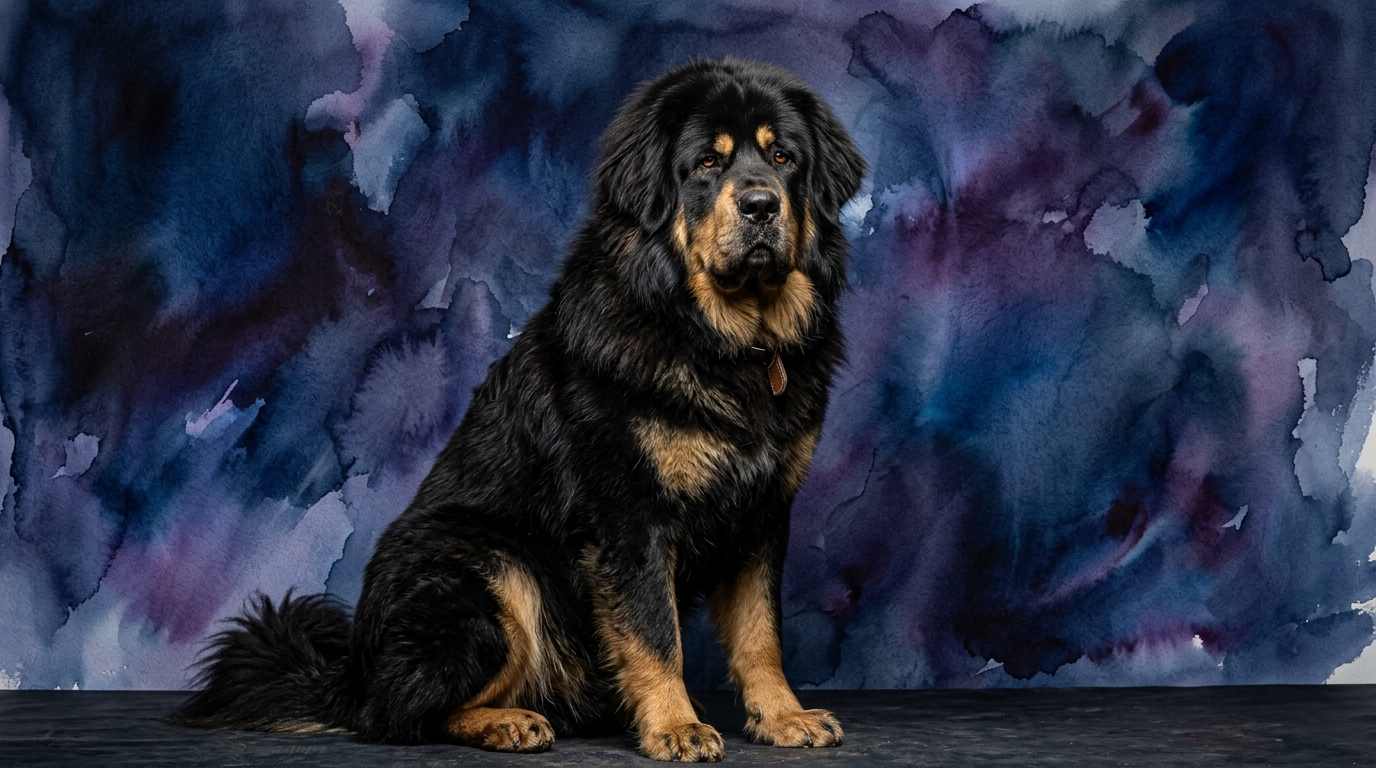
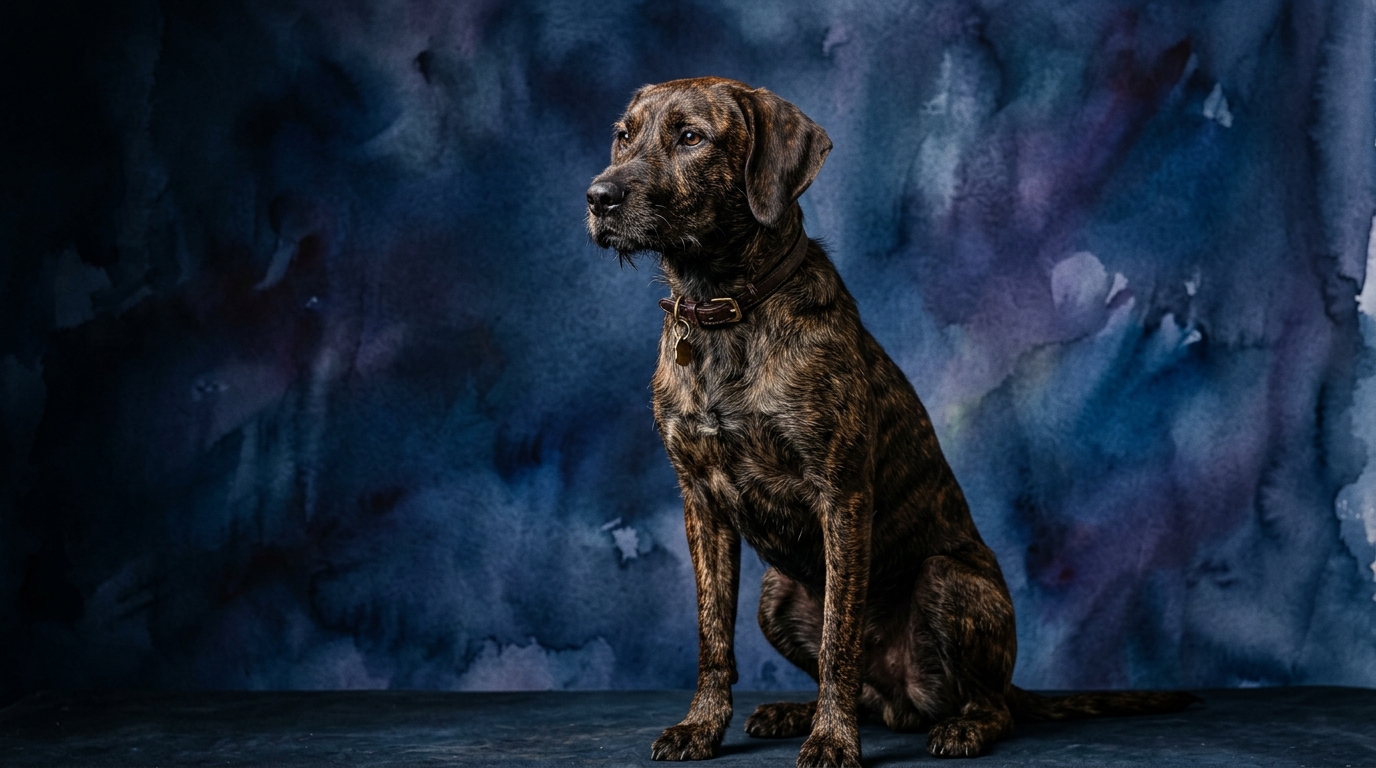
Side-by-Side IQ Profile: Tibetan Mastiff vs. Plott Hound
At The Cosmic Pet Pet IQ Lab, we assess canine cognition across five key dimensions, offering a nuanced view of how breeds process the world. For both the Tibetan Mastiff and the Plott Hound, each dimension registers a 3/5, indicating a solid, functional intelligence that is well-suited to their historical purposes, rather than a generalist academic brilliance.
The **Tibetan Mastiff**, a formidable guardian from the Himalayas, exhibits a **Problem Solving (3/5)** capacity that leans towards methodical assessment of their environment and potential threats. They are not quick to experiment with novel solutions for trivial tasks, but will thoughtfully analyze situations pertinent to their guarding duties, making deliberate, calculated decisions rather than impulsive ones. Their **Training Speed (3/5)** reflects a deliberate nature; they can learn commands but often require repetition and a clear understanding of the command's relevance to their perceived duties, rather than an inherent desire to please. **Social Intelligence (3/5)** for a Tibetan Mastiff is characterized by keen observation of their family's dynamics and intentions, coupled with a reserved wariness towards strangers. They understand social cues and hierarchies within their trusted circle but are not outwardly expressive or universally friendly. Their **Instinctive Drive (3/5)** is powerfully centered on protection and territorial vigilance, manifesting as a strong sense of duty to guard their home and family. Finally, their **Memory (3/5)** is robust for long-term recall of perceived threats, routines, and the individuals within their inner circle, applying past learnings to new situations with a careful, discerning approach.
The **Plott Hound**, a hardy American hunting dog renowned for its exceptional tracking abilities, also scores a 3/5 across the board, yet these scores manifest quite differently. Their **Problem Solving (3/5)** shines brightest in the context of their work, where they expertly unravel complex scent puzzles and navigate challenging terrain to follow a trail. Outside of hunting scenarios, their general problem-solving may appear less adaptable, primarily because their focus is so singularly driven by scent. **Training Speed (3/5)** for a Plott Hound means they can acquire commands, especially those tied to hunting, but their independent nature and profound focus on scent can make conventional obedience training challenging. They are driven by their nose above all else. Their **Social Intelligence (3/5)** allows them to be generally sociable within their human and canine pack, understanding group dynamics, particularly in a hunting context, and they are typically more outwardly expressive and less reserved than the Mastiff. The **Instinctive Drive (3/5)** of a Plott Hound is overwhelmingly dominated by a powerful prey drive and an unwavering compulsion to follow a scent trail, often overriding other considerations once a trail is engaged. Their **Memory (3/5)** is exceptional for recalling specific scent patterns, routes, and hunting strategies, which is critical for their specialized work and allows them to return to previous trails with remarkable accuracy.
Where the Tibetan Mastiff Wins Cognitively
The Tibetan Mastiff's cognitive strengths are deeply rooted in their role as a guardian. Their problem-solving capacity, while not quick, excels in assessing and managing potential dangers. They demonstrate a superior ability to discern genuine threats from innocuous stimuli, a critical skill for a protective breed. This measured approach means they are less likely to react impulsively, instead opting for a considered response. Their social intelligence, though reserved, allows them to form incredibly strong bonds, understanding the nuances of their family's needs and emotions, and acting as a steadfast, discerning protector. This translates into a steadfast loyalty and an unwavering commitment to their perceived duties, making them highly effective in situations requiring independent decision-making for defense.
Where the Plott Hound Wins Cognitively
The Plott Hound's cognitive prowess is unequivocally linked to their exceptional olfactory capabilities and tracking instincts. Their problem-solving (3/5) is uniquely specialized for unraveling intricate scent trails, navigating complex environments, and demonstrating remarkable persistence in pursuit. This breed exhibits an unparalleled focus and determination when on a scent, showcasing a cognitive ability to filter out distractions and maintain a singular objective. Their memory (3/5) for scent patterns and locations is particularly strong, allowing them to recall and follow trails with remarkable accuracy, a testament to their evolutionary development as scent hounds. This specialized intelligence makes them masters of their domain: the hunt.
Which is Easier to Train and Why
Neither the Tibetan Mastiff nor the Plott Hound are typically considered 'easy' to train in the conventional sense, primarily due to their independent natures and strong intrinsic drives, yet their challenges stem from different behavioral roots. The Tibetan Mastiff's training speed (3/5) is influenced by their deliberate thought process and a tendency to evaluate the necessity or purpose of a command. They are not dogs that seek constant approval; instead, they require a trainer who can establish clear, consistent leadership and demonstrate why a command is beneficial or necessary. Their compliance often comes from respect and understanding, not eager submission, meaning patience and fair, firm handling are essential to overcome their inherent stubbornness.
The Plott Hound, while equally independent, presents a different training dynamic. Their training speed (3/5) is significantly impacted by their powerful instinctive drive (3/5) to follow a scent. Once a Plott Hound catches a compelling scent, it can be extraordinarily difficult to redirect their attention, as their world shrinks to that single olfactory pursuit. This means that distractions are a major hurdle in obedience training. For a Plott, training often needs to be more rewarding and engaging than the lure of a scent, often utilizing high-value treats, exciting games, and making training feel like a part of their natural seeking behavior. While their social intelligence (3/5) allows them to bond with their family, their nose can frequently override their desire to please, making consistent, creative, and highly motivating training crucial.
Which Suits Active Owners vs. Relaxed Owners
The choice between a Tibetan Mastiff and a Plott Hound largely depends on an owner's lifestyle and their capacity to meet specific breed needs. A Tibetan Mastiff is not for a 'relaxed' owner in the sense of minimal responsibility, but rather suits an owner who appreciates a calm yet vigilant presence in the home. While not requiring hours of strenuous exercise, they do need consistent, moderate daily walks and secure outdoor space. More importantly, they thrive with owners who can provide clear structure, consistent boundaries, and mental stimulation through their 'job' of guarding the property. They are excellent for owners seeking a loyal, independent guardian who values quiet companionship and a dog that makes its own decisions within established parameters.
The Plott Hound, conversely, is unequivocally for active owners. Their strong instinctive drive (3/5) and need to follow scent means they require substantial physical exercise and mental engagement daily. An owner who enjoys outdoor adventures such as hiking, jogging, or participating in scent work, tracking, or hunting activities will find a willing and tireless companion. A 'relaxed' owner who cannot provide outlets for their significant energy and powerful nose will likely contend with a bored, frustrated, and potentially destructive dog. Plott Hounds are best suited for individuals or families committed to an active lifestyle and willing to channel a powerful prey drive into productive and enriching activities.
The Verdict
Choose the Tibetan Mastiff if you seek a vigilant, independent guardian who will bond deeply with their family and appreciate a calm, structured home environment where their protective instincts are valued.
Choose the Plott Hound if you are an active individual or family, passionate about outdoor adventures, and willing to channel a powerful prey drive into productive activities like scent work, hiking, or hunting.
🧠 Find Your Pet's IQ Score
Our Pet IQ Lab assessment covers 25+ tests across 5 cognitive dimensions — personalized to your breed.
Take the Full IQ Test →Frequently Asked Questions
Are Tibetan Mastiffs good family dogs?
Yes, Tibetan Mastiffs are profoundly loyal and protective of their immediate family, including children, once they accept them as part of their pack. However, their immense size, strong guarding instincts, and reserved nature with strangers mean they require careful socialization and supervision, especially around unfamiliar guests.
How much exercise does a Plott Hound need?
Plott Hounds are active dogs requiring substantial daily exercise, often an hour or more of vigorous activity, including walks, runs, or scent-based games. Without sufficient mental and physical stimulation, they can become bored and exhibit undesirable behaviors such as excessive barking or destructive chewing.
Can a Plott Hound live with other pets?
While generally sociable with other dogs, a Plott Hound's strong prey drive means careful introductions and constant supervision are crucial, especially with smaller pets like cats, rabbits, or birds. Early socialization with a variety of animals can help, but their instincts will always need monitoring.