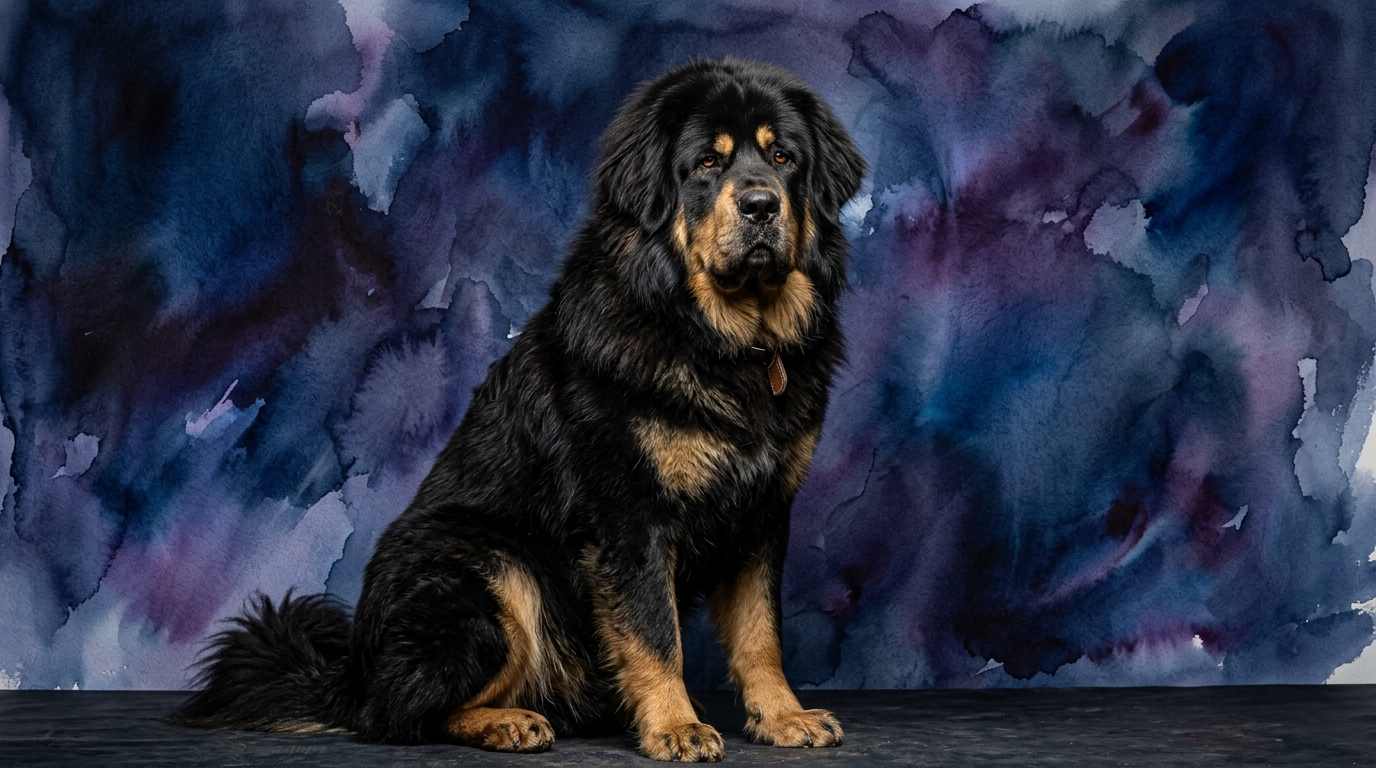
Side-by-Side IQ Profile: Tibetan Mastiff
Problem Solving (3/5): Rooted in independent guardianship, the Tibetan Mastiff's problem-solving involves deliberate assessment of threats and formulating defensive strategies without direct human instruction. They observe and react thoughtfully to perceived dangers, preferring a slow but highly effective approach to securing their territory and family.
Training Speed (3/5): Training a Tibetan Mastiff demands immense patience and consistency due to their independent nature. While capable of learning commands, their motivation often hinges on perceiving the value or logic behind the request, rather than an inherent desire for compliance, reflecting their self-reliant heritage.
Social Intelligence (3/5): Tibetan Mastiffs possess a discerning social intelligence, primarily focused on their immediate family unit. They excel at reading the intentions of both familiar and unfamiliar individuals, quickly distinguishing between friend and foe, often remaining reserved and watchful with outsiders.
Instinctive Drive (3/5): Their instinctive drive is overwhelmingly geared towards guarding and protection. This manifests as strong territoriality, a deep desire to patrol and monitor their environment, and an innate understanding of boundaries, making them formidable, ever-alert protectors.
Memory (3/5): The memory of a Tibetan Mastiff is robust, particularly concerning individuals, experiences, and routines relevant to their guarding duties. They remember who belongs and who does not, recalling past interactions with clarity, which contributes to their consistent, albeit sometimes stubborn, behavior patterns.
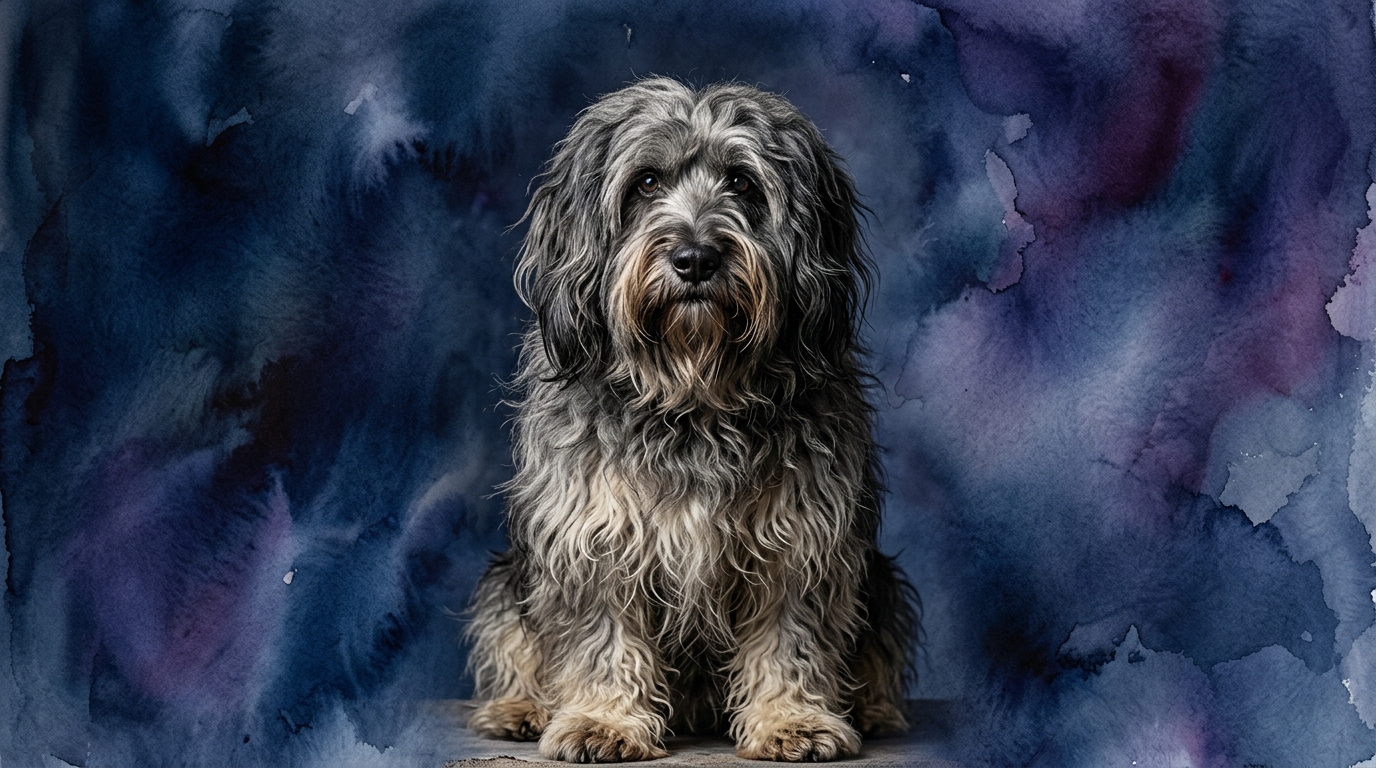
Side-by-Side IQ Profile: Polish Lowland Sheepdog
Problem Solving (3/5): The Polish Lowland Sheepdog excels in dynamic herding challenges, quickly assessing livestock movement, adapting to terrain, and devising strategies to gather and control. Their agile, responsive approach focuses on immediate, practical outcomes, often displaying creative solutions in complex, fast-changing situations.
Training Speed (3/5): With a moderate training speed, the Polish Lowland Sheepdog is generally eager to engage and learn, though their strong herding instincts can sometimes lead to distraction. They pick up new commands steadily, but their independent working drive means they might question commands if they don't align with their perceived task.
Social Intelligence (3/5): Polish Lowland Sheepdogs exhibit a nuanced social intelligence, adept at understanding the dynamics within a flock and their human family. They read human cues well and often try to 'herd' their family members, demonstrating an understanding of social roles and a desire to maintain order within their group.
Instinctive Drive (3/5): Their primary instinctive drive is herding, a deep-seated desire to gather, control, and move. This can translate into managing family members, nipping at heels, or a strong urge to keep everything in its perceived place, making them attentive and active, always looking for a 'job'.
Memory (3/5): Polish Lowland Sheepdogs possess a good memory for commands, routines, and the layout of their environment. They can recall complex sequences of actions vital for herding tasks and remember past interactions, which aids in their consistent performance and ability to adapt to learned behaviors.
Where Tibetan Mastiff Wins Cognitively
The Tibetan Mastiff truly shines in cognitive tasks demanding independent judgment and unyielding vigilance, particularly within a guarding context. Their problem-solving, while deliberate, is deeply analytical when it comes to threat assessment, allowing them to make nuanced decisions about who or what poses a risk without constant human direction. This self-sufficiency in protective roles means they excel at discerning subtle cues and acting with deliberate, unwavering resolve, a cognitive strength honed over centuries of isolated guardianship.
Where Polish Lowland Sheepdog Wins Cognitively
Conversely, the Polish Lowland Sheepdog demonstrates superior cognitive agility in dynamic, fast-paced environments requiring quick adaptation and strategic manipulation. Their problem-solving in herding, for instance, involves rapidly processing visual information, predicting movement patterns, and executing precise maneuvers to control a fluid situation. This breed's social intelligence also has a broader, more interactive scope, allowing them to navigate complex group dynamics – be it livestock or family – with a keen understanding of influence and direction.
Which is Easier to Train and Why
Despite both breeds having a 3/5 training speed, their approach to learning differs significantly. The Polish Lowland Sheepdog, with its inherent desire to work alongside humans and a strong drive to 'manage,' often responds better to positive reinforcement and engaging, task-oriented training. Their herding instincts, while needing channeling, provide a natural motivation for consistent engagement. The Tibetan Mastiff, however, views commands through the lens of its independent guardian role; if a command doesn't align with its perceived duty or seems illogical, it may simply choose not to comply, making training a longer, more nuanced process that demands extreme patience and a deep understanding of their self-reliant temperament.
Which Suits Active Owners vs Relaxed Owners
The Polish Lowland Sheepdog is undeniably a better fit for active owners who relish daily engagement and purposeful activities. Their robust instinctive drive for herding translates into a need for consistent mental and physical stimulation, thriving on tasks, training, and extensive outdoor exploration. A relaxed owner might find themselves overwhelmed by the breed's energy and propensity to 'herd' family members or furniture. The Tibetan Mastiff, while requiring exercise, is better suited for owners who appreciate a more relaxed, observational companion once its territorial needs are met. Its energy is less about constant activity and more about watchful patrolling, making it suitable for owners who value a calm, independent presence, provided they can manage its formidable size and protective instincts.
The Verdict
Choose the Tibetan Mastiff if you seek an independent, steadfast guardian with a thoughtful approach to protection, valuing a calm presence over constant interaction.
Opt for the Polish Lowland Sheepdog if you desire an agile, mentally engaged companion eager for consistent activity and dynamic problem-solving within a cooperative framework.
🧠 Find Your Pet's IQ Score
Our Pet IQ Lab assessment covers 25+ tests across 5 cognitive dimensions — personalized to your breed.
Take the Full IQ Test →Frequently Asked Questions
Do both breeds require extensive socialization despite their different roles?
Yes, both breeds benefit immensely from early and consistent socialization, though for different reasons. For the Tibetan Mastiff, it helps them learn to appropriately discern between threats and non-threats, tempering their natural wariness. For the Polish Lowland Sheepdog, socialization helps channel their herding instincts positively and ensures they are well-adjusted to various social situations without excessive 'management' behaviors.
How does their memory impact their suitability as family pets?
Both breeds' 3/5 memory means they retain learned behaviors and experiences effectively. The Tibetan Mastiff will remember family members and boundaries, contributing to their loyalty but also their potential wariness of strangers. The Polish Lowland Sheepdog will remember training and routines, which is beneficial for consistency, but also their herding tendencies might persist if not properly managed through consistent training.
Can a Polish Lowland Sheepdog be a good apartment dog, given its activity level?
A Polish Lowland Sheepdog can potentially adapt to apartment living, but it would require an exceptionally committed owner. Their high instinctive drive and need for mental and physical stimulation mean daily, vigorous exercise, training, and mental games are non-negotiable to prevent boredom and destructive behaviors. Without adequate outlets, an apartment setting would be challenging for both the dog and its owner.