Side-by-Side IQ Profile: Tibetan Mastiff vs. Schipperke
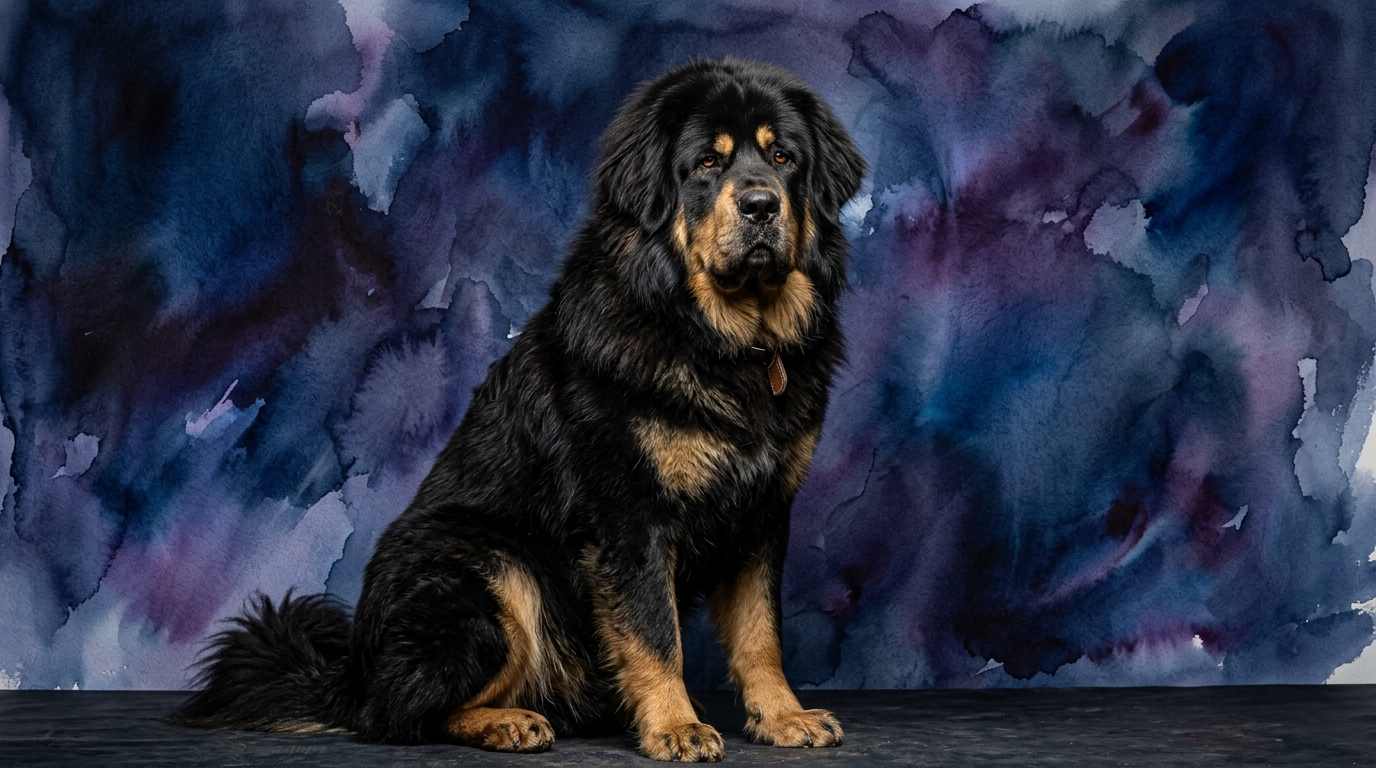
The Cosmic Pet Pet IQ Lab employs a five-dimensional framework to evaluate canine intelligence, offering a nuanced view beyond simple obedience. For the majestic Tibetan Mastiff, a breed rooted in ancient guardianship, its profile reflects a deliberate and self-reliant mind. Its Problem Solving is rated 3/5, indicating a capacity to navigate challenges with an independent, often cautious approach, preferring established patterns. Training Speed also stands at 3/5; while capable of learning, the Mastiff processes information at a measured pace, requiring patient and consistent instruction. Social Intelligence scores 3/5, suggesting a discerning nature; they understand pack dynamics but reserve their deepest connections for their immediate family, often being aloof with outsiders. Instinctive Drive, at 3/5, highlights a foundational protective nature without being overly reactive. Finally, Memory is 3/5, sufficient for retaining routines and recognizing individuals, but perhaps not for intricate sequences of commands over extended periods.
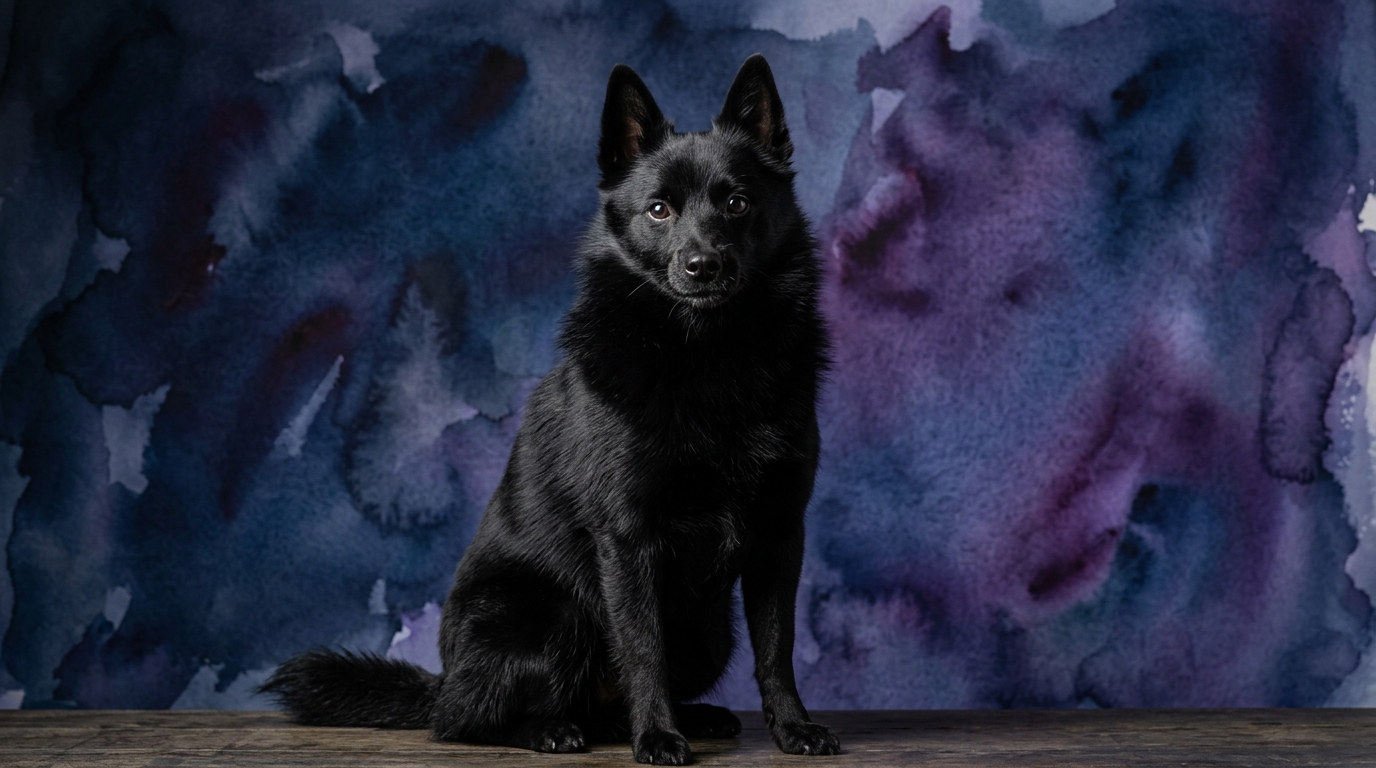
In stark contrast, the lively Schipperke, a small but spirited breed with a Coren rank of #15, presents a profile of remarkable cognitive agility. Its Problem Solving is an exceptional 5/5, showcasing a quick wit and a knack for figuring out complex situations, often with creative flair. Training Speed mirrors this at 5/5, meaning the Schipperke absorbs new commands and behaviors with impressive rapidity, making it a joy for dedicated trainers. Interestingly, its Social Intelligence is also 3/5, much like the Mastiff, indicating a strong awareness of its social environment but with an independent streak, not always driven by a desire to please. Its Instinctive Drive is 3/5, reflecting its historical role as a vigilant barge dog and rat catcher, possessing a focused energy. Memory, like problem-solving and training speed, is an outstanding 5/5, allowing the Schipperke to recall intricate sequences, commands, and experiences with remarkable precision over time.
Where the Tibetan Mastiff Wins Cognitively
While the Schipperke scores higher in raw cognitive speed and retention, the Tibetan Mastiff’s cognitive strengths lie in its profound independence and discerning judgment, qualities essential for its historical role. Its 3/5 Problem Solving, paired with its moderate Social Intelligence and Instinctive Drive, means it's less inclined to seek human direction for every decision. Instead, it processes situations through a lens of protection and self-reliance, making autonomous judgments about perceived threats or changes in its environment. This isn't a deficiency in intellect but a different style of cognition—one that prioritizes thoughtful assessment and inherent self-sufficiency over immediate, eager compliance. A Mastiff’s cognitive 'win' manifests in its ability to act as a formidable, self-directed guardian, understanding its territory and family's needs without constant human intervention. Its moderate memory is perfectly adequate for retaining the 'rules' of its domain and the identities of its trusted circle, contributing to its unwavering loyalty and protective presence.
Where the Schipperke Wins Cognitively
The Schipperke’s cognitive profile clearly demonstrates superiority in mental agility and learning efficiency. Its 5/5 Problem Solving allows it to quickly assess novel situations, devise strategies, and adapt with remarkable ease, often outsmarting its human companions in playful or mischievous ways. This quick-thinking ability makes them adept at navigating complex environments and understanding cause-and-effect relationships rapidly. Coupled with a 5/5 Training Speed, the Schipperke is an exceptionally fast learner, absorbing new commands, tricks, and routines with minimal repetitions. This breed genuinely thrives on mental stimulation, relishing the challenge of new tasks. Furthermore, its 5/5 Memory ensures that once a concept or command is learned, it’s retained for the long term, building a robust foundation of knowledge. This combination of swift comprehension, rapid acquisition, and enduring recall positions the Schipperke as a cognitive powerhouse for those who enjoy active engagement and advanced training.
Which is Easier to Train and Why
Evaluating ease of training requires understanding each breed's inherent cognitive wiring. The Schipperke is decidedly easier to train due to its exceptional 5/5 Training Speed and 5/5 Memory. This breed genuinely enjoys the process of learning and solving puzzles, quickly forming associations between commands and actions. Their high problem-solving capacity means they can infer what’s expected, often anticipating cues, which makes them highly responsive to positive reinforcement and varied training methods. In contrast, the Tibetan Mastiff, with its 3/5 Training Speed, presents a more significant training challenge. Their independence means they often need to understand the 'why' behind a command or perceive its relevance to their duties before committing to it. They are not inherently eager to please in the same way a Schipperke might be; rather, their compliance is earned through trust, consistency, and a clear understanding of their role within the family structure. Training a Mastiff demands immense patience, a firm but gentle hand, and a deep appreciation for their independent thought process, as they may choose to obey at their own pace or only when they deem it necessary.
Which Suits Active Owners vs. Owners Appreciating Quiet Vigilance
The choice between these breeds also hinges on an owner’s lifestyle and approach to canine companionship. The Schipperke is an excellent match for active owners who relish mental engagement and consistent interaction. Their high cognitive scores across problem-solving, training speed, and memory mean they require significant mental stimulation to prevent boredom and channel their sharp minds constructively. Owners who enjoy dog sports, advanced obedience, puzzle toys, and regular, varied training sessions will find the Schipperke a rewarding and engaging partner. Their energy, though not always needing vast physical outlets, demands a stimulating environment. Conversely, the Tibetan Mastiff, while not 'relaxed' in the sense of being inactive, suits owners who appreciate a dog with an independent, watchful presence rather than constant, high-intensity engagement. Their 3/5 instinctive drive and social intelligence mean they are content observing and guarding their domain. They need owners who understand and respect their deliberate pace and self-reliant nature, providing a secure, predictable environment where their protective instincts can be fulfilled without overstimulation. These owners are often those seeking a formidable, discerning companion who offers quiet vigilance and loyalty on their own terms, rather than an eager participant in every activity.
The Verdict
Choose the Tibetan Mastiff if you seek a majestic, independent guardian who makes thoughtful, self-reliant decisions, valuing profound loyalty and a deliberate approach to life over rapid obedience.
Opt for the Schipperke if you desire a quick-witted, agile learner who thrives on mental challenges, enjoying complex training and providing endless curiosity and spirited companionship.
🧠 Find Your Pet's IQ Score
Our Pet IQ Lab assessment covers 25+ tests across 5 cognitive dimensions — personalized to your breed.
Take the Full IQ Test →Frequently Asked Questions
How does the Tibetan Mastiff's problem-solving score impact its daily life?
Its 3/5 problem-solving means it approaches novel situations with deliberation, often relying on its established routines or instincts rather than immediate adaptation. This can manifest as a cautious assessment of new people or environments, prioritizing security and familiar patterns.
What does a 5/5 training speed mean for a Schipperke owner?
A 5/5 training speed signifies the Schipperke's exceptional ability to grasp new commands and behaviors quickly, often with minimal repetitions and great enthusiasm. Owners will find success with varied and engaging training methods, as they thrive on mental challenges and quick learning.
Do either of these breeds excel in dog sports or obedience trials?
The Schipperke, with its 5/5 training speed, memory, and problem-solving, often excels in dog sports like agility, rally, and advanced obedience, thoroughly enjoying the mental and physical engagement. The Tibetan Mastiff, while capable of learning, typically prefers roles aligned with its guardian instincts and independent nature over competitive performance in such events.