Side-by-Side IQ Profile: Unpacking Their Minds
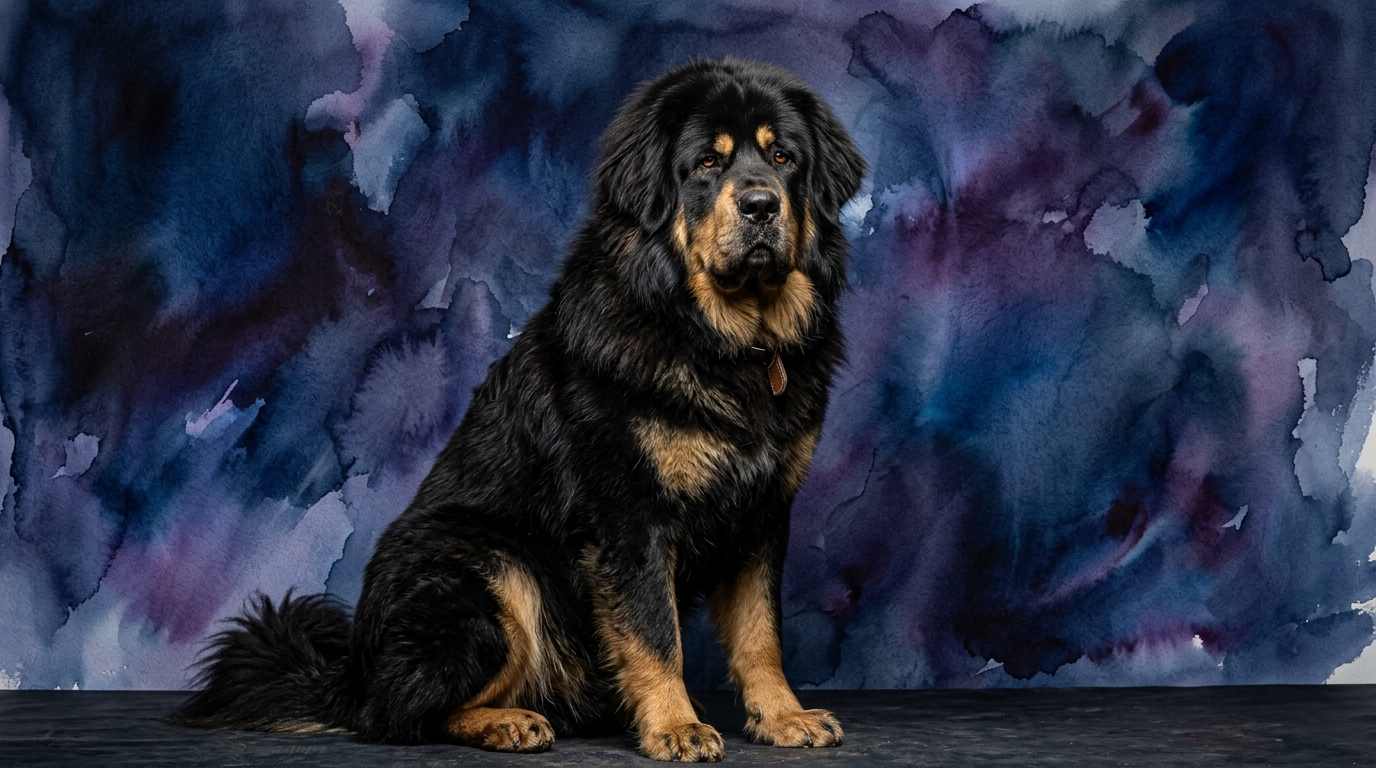
At The Cosmic Pet Pet IQ Lab, we evaluate canine cognition across five key dimensions. For the Tibetan Mastiff, a Working breed not Coren-ranked, we observe a nuanced set of capabilities. Their Problem Solving is rated 3/5, as they exhibit a thoughtful, independent approach to challenges, often preferring to assess situations thoroughly before acting, which can be perceived as deliberation rather than quick reaction. Their solutions are frequently practical, geared towards maintaining order, protecting resources, or ensuring the security of their perceived territory and family. This cognitive process involves careful evaluation of environmental cues and potential outcomes. Their Training Speed is also 3/5; they are capable of learning complex commands and routines, but their strong will and inherent self-reliance mean they demand consistent, patient, and highly motivating training methods. They respond optimally to trainers who understand their motivations, respect their independent nature, and establish clear, fair leadership. Social Intelligence stands at 3/5, as they are deeply attuned to the dynamics within their family unit, displaying keen observational skills regarding human moods, intentions, and inter-personal relationships. They are typically reserved and discerning with strangers, carefully evaluating new individuals before granting acceptance, a testament to their protective social awareness. Their Instinctive Drive is 3/5, possessing a powerful guardian instinct, manifesting as a profound territorial imperative and a deep-seated need to protect their perceived flock or home. This intrinsic drive is a fundamental component of their cognitive makeup, profoundly influencing their vigilance, decision-making, and interactions with their environment. Lastly, their Memory is 3/5, retaining experiences, learned behaviors, and social interactions effectively, particularly concerning routines, established boundaries, and individuals encountered. They remember perceived threats or positive interactions over extended periods, contributing to their consistent and reliable protective nature.
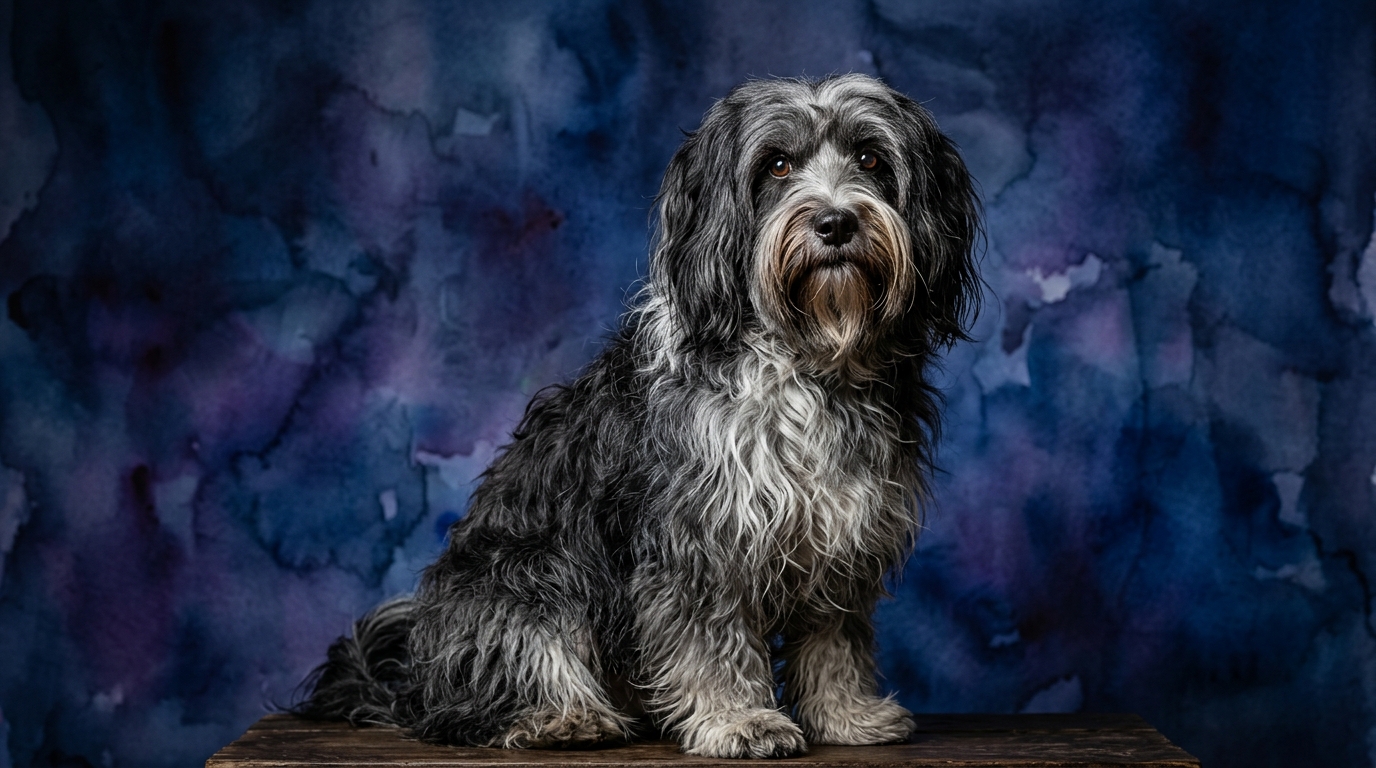
The Tibetan Terrier, a Non-Sporting breed Coren-ranked #63, shares similar numerical ratings but expresses them through a different cognitive lens. Their Problem Solving is 3/5; they demonstrate cleverness and ingenuity in navigating their environment and achieving desired outcomes, often employing their agility, observational skills, and vocalizations. They enjoy engaging with mental puzzles and can devise creative, sometimes mischievous, ways to gain attention or access forbidden areas, showcasing their adaptable intellect. Their Training Speed is 3/5; they learn commands at a moderate pace, often excelling with positive reinforcement, consistency, and varied training methods designed to maintain their interest and engagement. Their independent streak means they can be selective about compliance if not properly motivated or if the task seems repetitive or uninteresting, requiring a trainer to be creative and patient. Social Intelligence is 3/5, as they are highly empathetic and responsive to human emotions, forming deep, affectionate bonds with their family members and often sensing subtle shifts in mood. They are generally outgoing and adaptable in social settings, though they can be discerning, showing clear preferences for familiar faces while still being politely curious towards newcomers. Their Instinctive Drive is 3/5, possessing a strong companion drive, thriving on interaction, participation in family activities, and maintaining close proximity to their humans. While not primarily a guardian breed, they retain an inherent curiosity and a tendency to alert their owners to novelties or unusual sounds in their environment, a remnant of their historical role as watch-dogs. Finally, their Memory is 3/5, exhibiting a good capacity for remembering routines, people, specific locations, and past learning experiences, which is instrumental in successful house-training, recall, and retention of tricks. They can recall past interactions, both positive and negative, significantly influencing their future responses to similar stimuli or individuals.
Where the Tibetan Mastiff Wins Cognitively
The Tibetan Mastiff's mental architecture excels in independent judgment during complex, high-stakes situations. Their intelligence shines in their ability to make critical, autonomous decisions when guarding their territory or family, often without direct human instruction. This isn't merely about following learned commands; it involves assessing dynamic threat scenarios, weighing potential risks, and executing a response based on an intrinsic understanding of protective duties. Their mental framework allows them to act as a self-sufficient security system, evaluating the nuances of an unfolding situation.
Another distinct cognitive strength is their sustained vigilance and intricate threat assessment. These dogs possess an unwavering, long-term focus on their environment, continuously processing sensory input for any anomalies. This constant, low-level cognitive load is dedicated to maintaining security, enabling them to identify, evaluate, and prioritize potential threats with remarkable persistence. Their minds are constantly at work, sifting through information to ensure the safety of their domain, making them exceptional sentinels.
Furthermore, they demonstrate sophisticated spatial reasoning for territorial defense. Their understanding of boundaries, the physical layout of their domain, and potential points of intrusion is exceptionally developed. This cognitive mapping allows them to patrol effectively, anticipate entry points, and strategically position themselves for optimal oversight. It's a complex mental model of their environment, constantly updated and referenced for defensive purposes.
Where the Tibetan Terrier Wins Cognitively
The Tibetan Terrier's cognitive adaptability and curiosity for novelty are standout traits. Their problem-solving often manifests as an insatiable curiosity and a willingness to explore new situations, learn novel tricks, and adapt to varied environments with considerable ease. This cognitive flexibility allows them to adjust to changes in routine or new experiences with less stress, indicating a mind that thrives on variety and intellectual stimulation. They are often the first to investigate a new object or sound, demonstrating their inquisitive nature.
They also exhibit a nuanced social and emotional responsiveness that sets them apart. While the Mastiff demonstrates social intelligence within its immediate pack, the Terrier often displays a broader, more finely tuned understanding of human social cues and emotional states across a wider range of individuals. Their empathetic nature and ability to pick up on subtle non-verbal signals make them exceptional emotional support companions, often anticipating needs or offering comfort without direct prompting.
Their versatile learning capacity for diverse tasks and trick training is another cognitive advantage. Their moderate training speed, coupled with an eagerness to engage and a playful disposition, makes them remarkably quick to pick up a diverse array of commands and tricks. These tasks are often not directly tied to their core instincts but rather to interactive play and human companionship, showcasing a versatile learning capacity that extends beyond purely functional roles. They genuinely enjoy the process of learning and performing for their people.
Which is Easier to Train and Why
The Tibetan Terrier is generally considered more amenable to training, primarily due to their stronger inherent desire for human interaction and approval. While both breeds are rated 3/5 for training speed, the Terrier's cognitive profile aligns more closely with collaborative learning. Their problem-solving often involves figuring out how to please their owner to earn a reward, making them highly responsive to structured lessons and positive reinforcement. Their independent streak, though present, is frequently balanced by a playful nature and a willingness to engage in mental exercises for fun and companionship. They thrive on the back-and-forth of training sessions, viewing them as opportunities for connection.
In contrast, the Tibetan Mastiff’s independence is deeply rooted in their formidable guardian role. They will learn, but their motivation often stems from understanding the *purpose* of a command in relation to their protective duties or simply from respecting the trainer’s authority. They are less driven by an eagerness to please and more by their own assessment of a situation, which can make training sessions demand exceptional patience, unwavering consistency, and a profound understanding of their stoic temperament. A Mastiff might comprehend a command perfectly but choose not to execute it if it doesn't align with their perceived immediate need, or if they deem it unnecessary or beneath their dignity. The Terrier, conversely, is often ready to perform for a treat, a kind word, or a game, making the training process feel more fluid, responsive, and mutually enjoyable for many owners. Their cognitive approach to learning is less about independent judgment and more about partnership.
Suitability for Active vs. Relaxed Owners
For owners seeking an engaging companion for various activities, the Tibetan Terrier is often an ideal match. Their moderate energy levels, coupled with their innate curiosity and social intelligence, mean they thrive on mental stimulation and physical activity that actively involves their human companions. They are adaptable to a wide range of experiences, from regular walks and hikes to dog sports like agility or obedience, and genuinely enjoy being an integral part of their family's adventures and outings. They contribute actively to the energy of the household.
Conversely, the Tibetan Mastiff, despite its imposing stature, can be a superb fit for more relaxed owners who appreciate a calm, watchful presence and are prepared to respect a dog with significant independent judgment. While they require consistent, moderate exercise to maintain physical health, their primary mental stimulation often arises from patrolling their territory and observing their surroundings. They are not typically seeking constant interactive play but prefer to be near their family, offering a quiet, steadfast companionship that integrates well with a more settled lifestyle. This suitability assumes their foundational needs for space, clear boundaries, and a sense of purpose are met. Their protective instincts mean their minds are always subtly 'working,' even when they appear to be at rest, providing a deep sense of security.
The Verdict
Choose the Tibetan Mastiff when you seek a steadfast, independent guardian with a profound sense of territory and a quiet, deliberate presence, and you are prepared to respect their autonomous decision-making and patient training approach.
Choose the Tibetan Terrier when you desire an adaptable, engaging companion who thrives on social interaction and varied mental challenges, and you appreciate a clever, empathetic dog keen to participate in family life.
🧠 Find Your Pet's IQ Score
Our Pet IQ Lab assessment covers 25+ tests across 5 cognitive dimensions — personalized to your breed.
Take the Full IQ Test →Frequently Asked Questions
Do Tibetan Mastiffs guard automatically, or do they need specific training?
Tibetan Mastiffs possess a strong inherent guardian instinct, meaning they will naturally assess and protect their territory and family. While training is crucial to channel this drive appropriately and ensure they differentiate between threats and welcomed guests, their fundamental protective nature does not need to be taught.
Are Tibetan Terriers good for first-time dog owners?
Tibetan Terriers can be suitable for first-time owners who are committed to consistent training and socialization. Their intelligence and independence require a dedicated approach, but their adaptable and affectionate nature makes them rewarding companions for those willing to learn alongside them.
How do their memory capabilities affect their behavior?
Both breeds have a 3/5 memory, meaning they effectively recall experiences. For the Mastiff, this reinforces their understanding of boundaries and past threats, contributing to consistent protective behavior. For the Terrier, it aids in learning routines, remembering commands, and forming lasting bonds with people, influencing their social interactions.