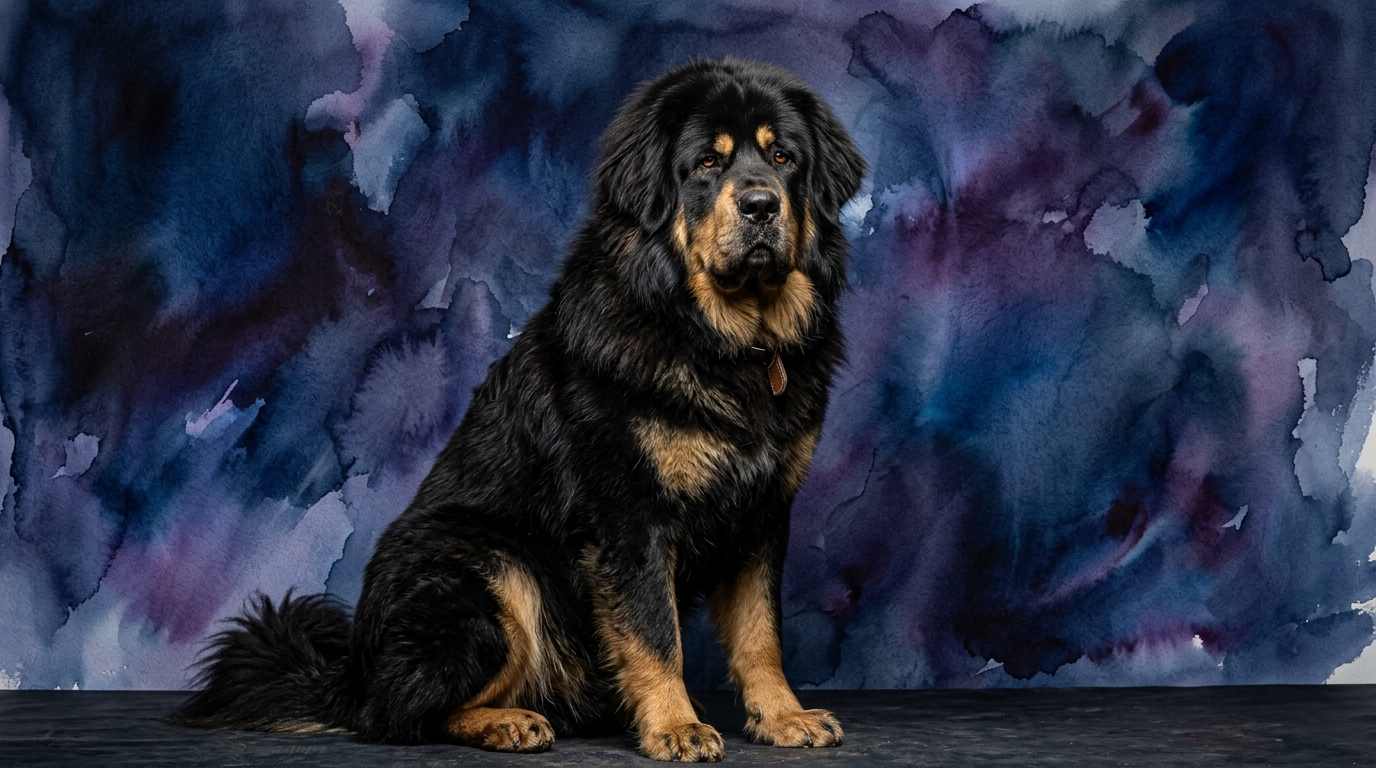
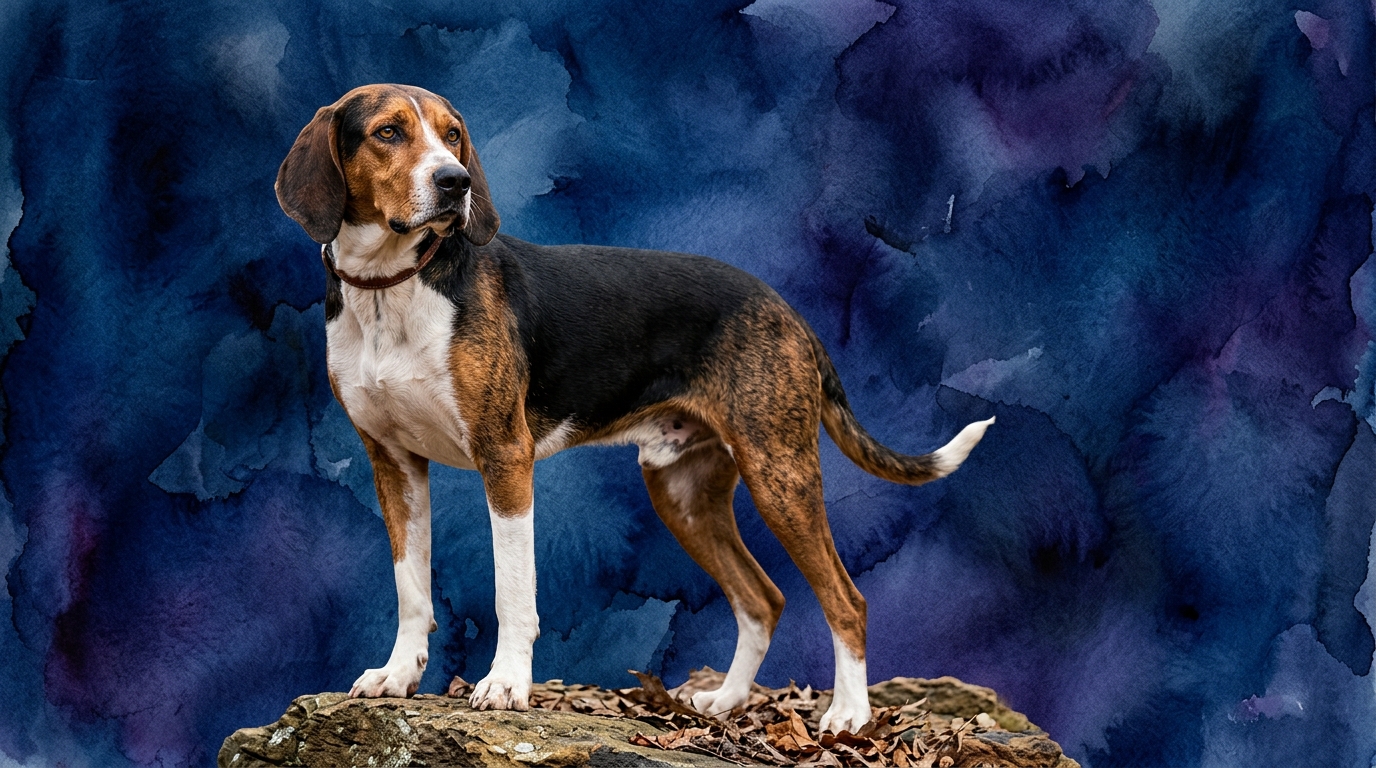
Side-by-Side Cognitive Profiles
**Tibetan Mastiff (Working Group)**
**Problem Solving (3/5):** This score reflects a capacity for independent, strategic thought, particularly in assessing potential threats and making autonomous decisions to protect their territory and family. Their problem-solving often involves watchful observation and calculated action rather than immediate, impulsive responses.
**Training Speed (3/5):** Tibetan Mastiffs learn at a moderate pace, but their independence means they require patient, consistent training methods focused on building trust and respect. They process commands and routines effectively but may choose to comply based on their own assessment of the situation, rather than blind obedience.
**Social Intelligence (3/5):** Their social understanding is geared towards discerning intentions and loyalty within their established family unit, exhibiting deep bonds with their inner circle. They read human cues well within this trusted group but can be reserved or wary with strangers, interpreting social interactions through a lens of protective vigilance.
**Instinctive Drive (3/5):** The powerful instinct to guard and protect is central to the Tibetan Mastiff's being. This drive manifests as territoriality, a strong protective urge for their people and property, and an innate understanding of boundaries, making them formidable deterrents.
**Memory (3/5):** Tibetan Mastiffs possess a robust memory for routines, locations, and particularly for individuals they perceive as friends or foes. They recall training cues and past experiences, which contributes to their consistent guardianship and their ability to differentiate between welcomed visitors and potential intruders over time.
**Treeing Walker Coonhound (Hound Group)**
**Problem Solving (3/5):** The Treeing Walker Coonhound's problem-solving centers on its primary purpose: tracking and treeing quarry. This involves intricate spatial reasoning, navigating complex terrains, and persistent deduction to follow a scent trail, often requiring creative solutions to obstacles in their path.
**Training Speed (3/5):** These hounds learn at a moderate pace, especially when motivated by scent work or positive reinforcement. Their independent nature, typical of hounds, means they can be easily distracted by compelling scents, requiring trainers to be engaging and consistent, leveraging their natural drives.
**Social Intelligence (3/5):** Treeing Walker Coonhounds are generally gregarious and form strong bonds with their human and canine "pack," demonstrating an understanding of social hierarchies and group dynamics. They are typically affable with familiar people and enjoy cooperative activities, reading social cues related to play and companionship.
**Instinctive Drive (3/5):** Their powerful instinctive drive is almost entirely focused on their prey drive and an unparalleled ability to follow a scent trail with relentless determination. This manifests as an intense focus on smells, a strong desire to explore, and the characteristic "treeing" behavior, driven by generations of selective breeding.
**Memory (3/5):** Treeing Walker Coonhounds exhibit excellent memory for scent trails, familiar hunting grounds, and routines associated with their activities. They can recall complex sequences of actions related to tracking and often remember individuals who have engaged them in stimulating activities or provided positive reinforcement.
Where the Tibetan Mastiff Excels Cognitively
The Tibetan Mastiff's cognitive strengths shine in scenarios demanding independent judgment and strategic defense. Their problem-solving isn't about speed, but about calculated assessment; a 3/5 in this dimension means they can evaluate a perceived threat to their territory and decide on the most effective, often non-confrontational, deterrent first. This contrasts with a breed that might react impulsively, showcasing a deliberate, watchful intelligence. Their social intelligence, while scoring 3/5, is profoundly tuned to distinguishing friend from foe, making them adept at discerning subtle shifts in human demeanor that might signal an intrusion, a nuanced skill vital for a guardian. This protective discernment, combined with a memory for past interactions, allows them to build a complex mental map of their secure environment, reinforcing their role as an effective, self-reliant protector.
Where the Treeing Walker Coonhound Excels Cognitively
The Treeing Walker Coonhound's cognitive prowess is deeply rooted in its olfactory world and persistent pursuit. Their 3/5 problem-solving score is best observed in their ability to untangle a complex scent puzzle, navigating through varied terrain and distractions to locate their quarry. This involves sophisticated deductive reasoning, piecing together fragmented scent information over long distances and extended periods. Their instinctive drive, also 3/5, is a powerful engine for this mental exercise, fueling relentless focus and an unwavering commitment to the task at hand. Furthermore, their social intelligence, while sharing the same score, manifests as a strong desire for cooperative interaction within their "pack," making them particularly adept at working alongside human hunters, understanding shared goals, and responding to encouragement during the chase. Their memory is exceptional for environmental details tied to scent, allowing them to map out successful hunting routes and recall specific scent signatures with precision.
Training Dynamics: Independence vs. Instinct
Despite both breeds scoring 3/5 in training speed, their approaches to learning and compliance differ significantly. The Tibetan Mastiff's moderate training speed is often tempered by its inherent independence and self-reliance; they learn commands but may not always see the immediate necessity of obeying, especially if it conflicts with their perceived duty or comfort. Training a Tibetan Mastiff requires immense patience, consistent positive reinforcement, and a strong, trust-based relationship, as they are not motivated by blind obedience but by respect and understanding. Conversely, the Treeing Walker Coonhound's 3/5 training speed is influenced by its powerful instinctive drive; while intelligent and capable of learning complex tasks, their minds are frequently captivated by the world of scent. Training success often hinges on harnessing this drive, using scent games or incorporating tracking elements into their learning. They can be enthusiastic learners but might display 'selective hearing' when a compelling scent presents itself, requiring trainers to be highly engaging and to make training more rewarding than the allure of a fresh trail.
Lifestyle Suitability: Active Pursuit vs. Vigilant Companionship
When considering lifestyle, these breeds cater to very different owner profiles. The Treeing Walker Coonhound is undeniably suited for active owners who relish outdoor adventures and can provide ample opportunities for mental and physical stimulation, particularly through scent work or long, vigorous excursions. Their high energy levels, fueled by their relentless instinctive drive, demand regular outlets to prevent boredom and destructive behaviors; a relaxed owner who cannot commit to daily, robust exercise will find this hound challenging. In contrast, the Tibetan Mastiff, while requiring regular exercise, is not built for constant, high-intensity activity. Their role as a vigilant guardian means they are often content with patrolling their territory and quiet observation, making them more suitable for owners who appreciate a more relaxed, yet deeply committed, companion. They thrive with owners who can provide a secure environment and consistent, calm leadership, valuing their presence over endless activity.
The Verdict
Choose the Tibetan Mastiff if you seek a self-reliant, watchful guardian who will form a deep, protective bond and thrive in a structured, secure environment with consistent, calm leadership.
Opt for the Treeing Walker Coonhound if you are an active individual or family eager to engage in outdoor pursuits, provide extensive mental stimulation through scent work, and appreciate a tenacious, affectionate companion.
🧠 Find Your Pet's IQ Score
Our Pet IQ Lab assessment covers 25+ tests across 5 cognitive dimensions — personalized to your breed.
Take the Full IQ Test →Frequently Asked Questions
Do Tibetan Mastiffs require a lot of mental stimulation?
While not needing constant "busy work" like some highly driven breeds, Tibetan Mastiffs benefit from mental challenges that engage their problem-solving and social intelligence, such as strategic puzzle toys or opportunities to observe and "manage" their territory. Overstimulation can be counterproductive, but appropriate mental engagement supports their balanced disposition.
How do Treeing Walker Coonhounds typically interact with other pets?
Treeing Walker Coonhounds are generally social and can coexist well with other dogs, often enjoying pack dynamics. However, their strong prey drive means they may view smaller, non-canine pets as quarry, requiring careful introductions and supervision, especially with cats or small rodents.
Is the independence of a Tibetan Mastiff difficult for first-time dog owners?
The Tibetan Mastiff's independence can be challenging for first-time owners who may expect immediate, eager obedience. Their need for a strong, consistent leader who understands their unique guardian temperament and respects their autonomy often makes them a better fit for experienced dog owners.