Side-by-Side IQ Profile: Understanding Identical Scores
**Problem Solving (3/5):** For the Tibetan Mastiff, this score signifies a strong capacity for independent decision-making, especially in assessing and deterring threats within their territory. Their problem-solving involves complex environmental scanning, identifying anomalies, and autonomously devising strategies to protect their charge, often without direct human instruction. The Welsh Terrier's 3/5 in problem-solving manifests as terrier ingenuity and persistence in pursuit. This breed excels at navigating challenging terrains, outmaneuvering small prey, or creatively bypassing obstacles to reach a desired object or location, demonstrating a resourceful and determined approach to their objectives.
**Training Speed (3/5):** A 3/5 for the Tibetan Mastiff indicates they learn effectively, but their training is a deliberate process built on trust and purpose. They absorb commands and routines that align with their guardian instincts or household structure, requiring patient reinforcement rather than immediate compliance for repetitive tasks. The Welsh Terrier, also at 3/5, picks up new cues efficiently, particularly when training engages their innate drives or offers stimulating interaction. However, their spirited independence means they might learn quickly but selectively obey, demanding engaging and varied methods to maintain focus against distractions.
**Social Intelligence (3/5):** The Tibetan Mastiff's 3/5 speaks to their nuanced understanding of family dynamics and their role as a protector. They form deep, discerning bonds with their immediate family, reading intentions and emotions, while maintaining a watchful, often aloof, stance towards strangers. Their social acumen is geared towards identifying who belongs, contributing to their protective nature. The Welsh Terrier's 3/5 points to their engaging, sometimes assertive, interaction style. They are adept at communicating needs to humans, often displaying a charming yet persistent personality, and can navigate social situations, though they may express clear preferences and a typical terrier's guarded initial approach to newcomers.
**Instinctive Drive (3/5):** The Tibetan Mastiff's 3/5 in instinctive drive is predominantly expressed through potent territorial and protective instincts. This manifests as unwavering vigilance, a deep-seated urge to guard family and property, and a natural inclination to establish boundaries. This drive fundamentally guides their behavior and decision-making in their guardian role. For the Welsh Terrier, a 3/5 signifies a strong and pervasive prey drive, alongside a propensity for digging and exploration. This drive fuels their energetic nature, compelling them to chase, investigate, and engage actively with their environment, often exhibiting single-minded determination when pursuing a scent or perceived quarry.
**Memory (3/5):** A 3/5 memory for the Tibetan Mastiff means they possess excellent recall for routines, family identities, trusted visitors, and territorial boundaries. They remember past interactions, positive and negative, informing future responses to individuals and situations, fostering their consistent protective demeanor. The Welsh Terrier's 3/5 memory ensures they retain training cues, household rules, and locations of interest with remarkable accuracy. They can recall complex event sequences, particularly those related to their prey drive or successful escapades, enabling them to learn from experience and adapt strategies over time.
Where the Tibetan Mastiff Wins Cognitively
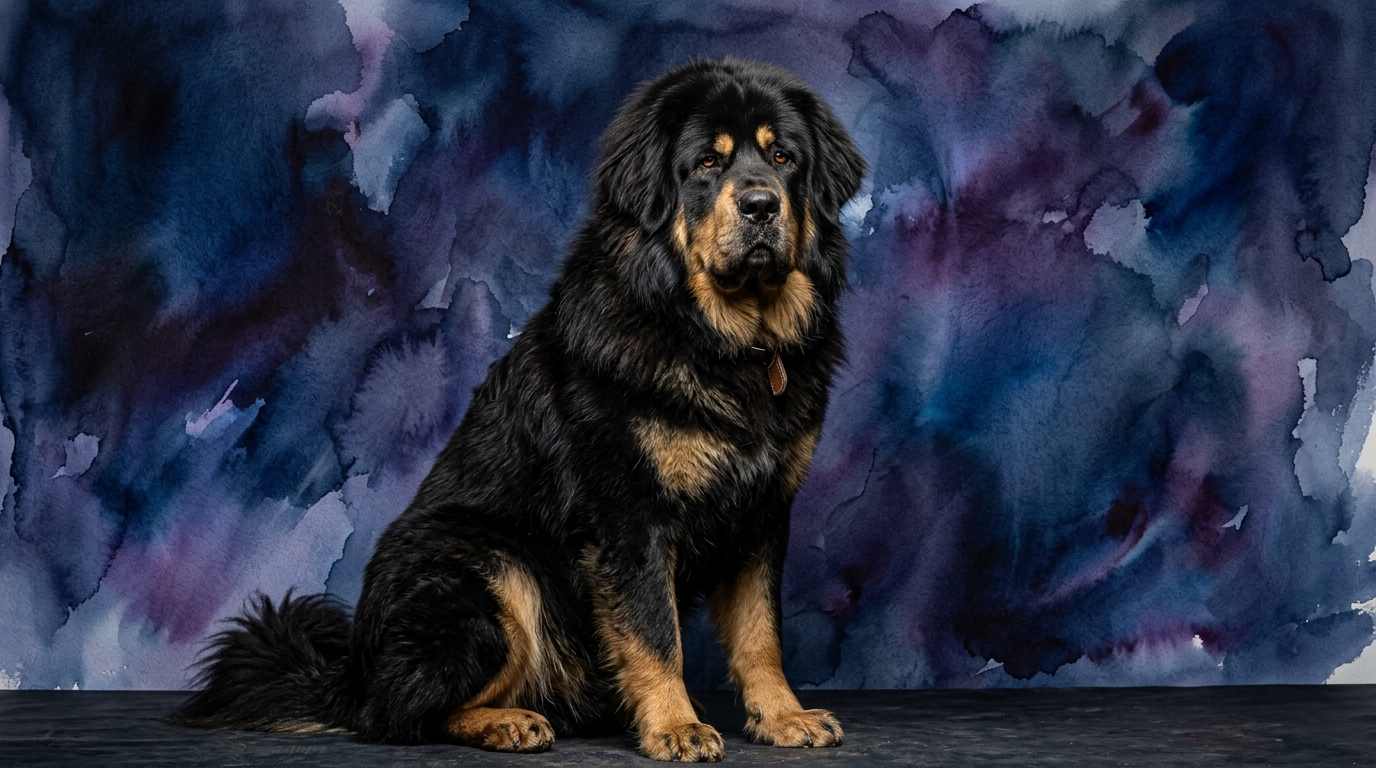
The Tibetan Mastiff's cognitive strengths truly shine in their capacity for independent judgment and profound territorial awareness. Their 3/5 problem-solving isn't about quick tricks, but about the complex, continuous assessment of their environment, making autonomous decisions to protect their family and property without constant human direction. Their social intelligence and memory are deeply integrated into this guardian role, enabling them to distinguish friend from foe, remember past encounters, and maintain consistent vigilance. This breed excels at a form of “strategic patience,” where their mental faculties are always engaged in observation and assessment, leading to decisive action only when necessary.
Where the Welsh Terrier Wins Cognitively
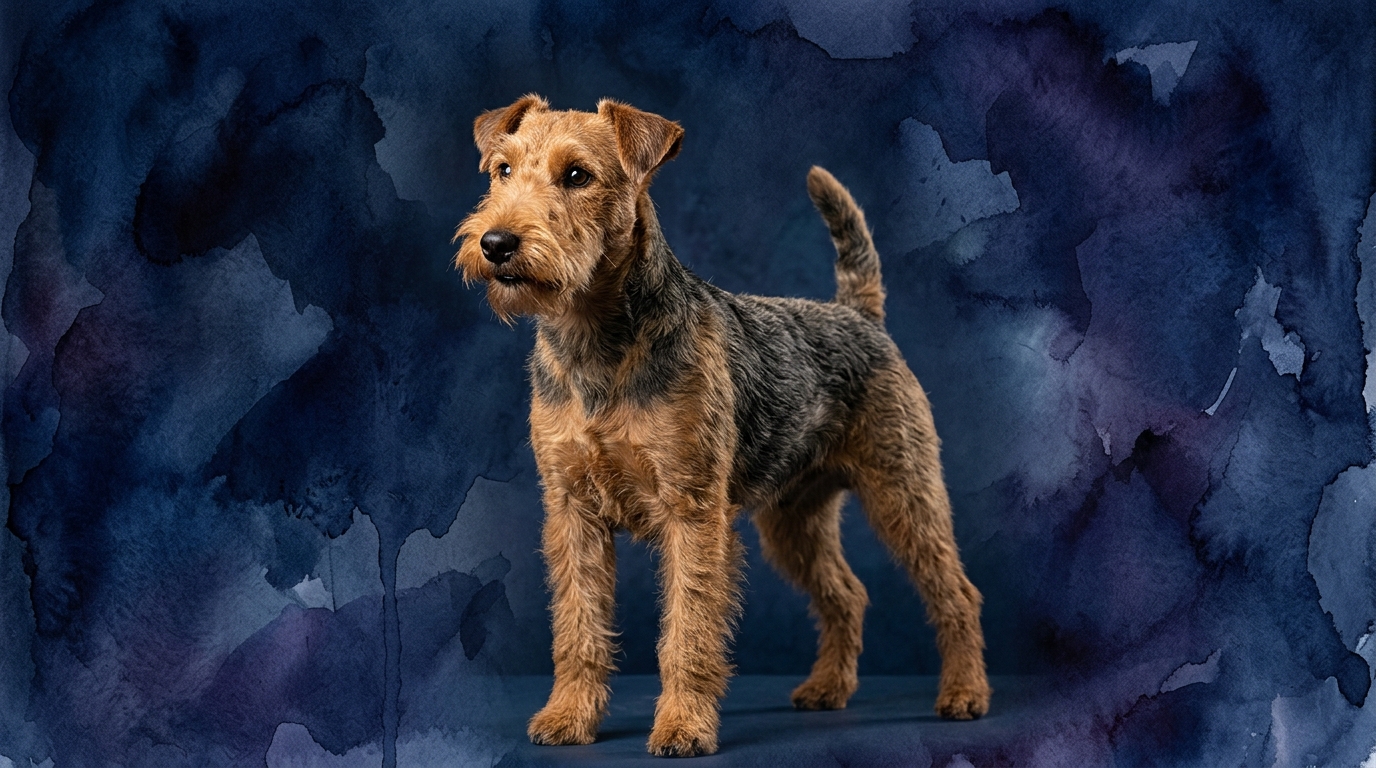
The Welsh Terrier demonstrates particular cognitive prowess in their spirited adaptability and tenacious pursuit of objectives. Their 3/5 problem-solving is evident in their resourcefulness when navigating challenging physical environments or outwitting small animals, requiring quick thinking and agility. Their instinctive drive, also rated 3/5, is a powerful motivator for engagement and exploration, leading them to apply their memory and problem-solving skills to tasks like tracking scents or retrieving objects with focused determination. This breed's cognitive edge lies in their ability to combine physical dexterity with mental acuity for active, purposeful engagement, often displaying a charming persistence to achieve their goals.
Which is Easier to Train and Why
Neither breed could be categorized as inherently “easy” to train, given their shared 3/5 training speed and independent streaks, but their challenges differ significantly. The Tibetan Mastiff requires an owner prepared for a long-term commitment to consistent, patient training rooted in mutual respect. Their large size and powerful guardian instincts necessitate early socialization and boundary setting, but their independence means they will always evaluate commands rather than blindly obey. Training success hinges on building a strong relationship and demonstrating the utility of commands from the dog's perspective, rather than relying on rote repetition.
The Welsh Terrier, while physically smaller and potentially quicker to learn specific tasks, presents its own set of training complexities. Their strong prey drive and terrier tenacity mean they can be easily distracted and may choose to ignore commands if something more stimulating captures their attention. Training a Welsh Terrier requires creativity, variety, and making lessons feel like engaging games to hold their interest. While they may pick up basic obedience quickly, achieving consistent, reliable recall or impulse control demands persistent effort and a deep understanding of their spirited, sometimes stubborn, nature.
Which Suits Active Owners vs. Watchful Companion Seekers
For truly active owners who enjoy outdoor adventures, structured training, and a spirited companion, the Welsh Terrier is often the more suitable choice. They thrive on physical and mental stimulation, requiring regular, vigorous exercise and engaging activities that channel their instinctive drives, preventing boredom and potential mischief. Their zest for life aligns well with an owner who enjoys being constantly involved in their dog's activities.
Conversely, owners seeking a more composed, watchful companion who values deep loyalty and a formidable presence might find the Tibetan Mastiff a better fit, though “relaxed” is perhaps a misnomer for the level of commitment required. While they don't demand high-impact exercise, they require significant mental engagement through vigilance, a secure environment, and an owner capable of consistent, calm leadership. Their needs are centered around providing a stable, understood role within the family and managing their powerful protective instincts responsibly.
The Verdict
When seeking a majestic, independent guardian deeply devoted to its family and property, an owner prepared for a patient, consistent approach to managing their powerful protective instincts and valuing a dog that makes autonomous decisions will find a profound companion in the Tibetan Mastiff.
When desiring an energetic, spirited companion for an active lifestyle, an owner who relishes engaging in varied training challenges and appreciates a tenacious, playful personality that thrives on interaction and purpose will discover a lively partner in the Welsh Terrier.
🧠 Find Your Pet's IQ Score
Our Pet IQ Lab assessment covers 25+ tests across 5 cognitive dimensions — personalized to your breed.
Take the Full IQ Test →Frequently Asked Questions
Are Tibetan Mastiffs good family dogs?
Yes, Tibetan Mastiffs can be excellent family dogs, forming deep, loyal bonds with their immediate human family, including children they are raised with. However, their strong protective instincts mean they require early and extensive socialization to ensure they differentiate between welcome visitors and perceived threats, and they thrive best with consistent, experienced leadership.
Do Welsh Terriers shed a lot?
Welsh Terriers are considered low-shedding dogs, making them a suitable option for individuals with mild dog allergies. Their wiry coat requires regular grooming, including hand-stripping or clipping every few months, to maintain its texture and minimize shedding, keeping them neat and tidy.
How much exercise does a Tibetan Mastiff need?
While physically imposing, Tibetan Mastiffs do not require extreme amounts of high-impact exercise; moderate daily walks and access to a secure yard for patrolling are usually sufficient. Their exercise needs are more about consistent, purposeful activity and mental engagement through vigilance rather than intense physical exertion.