Side-by-Side IQ Profile
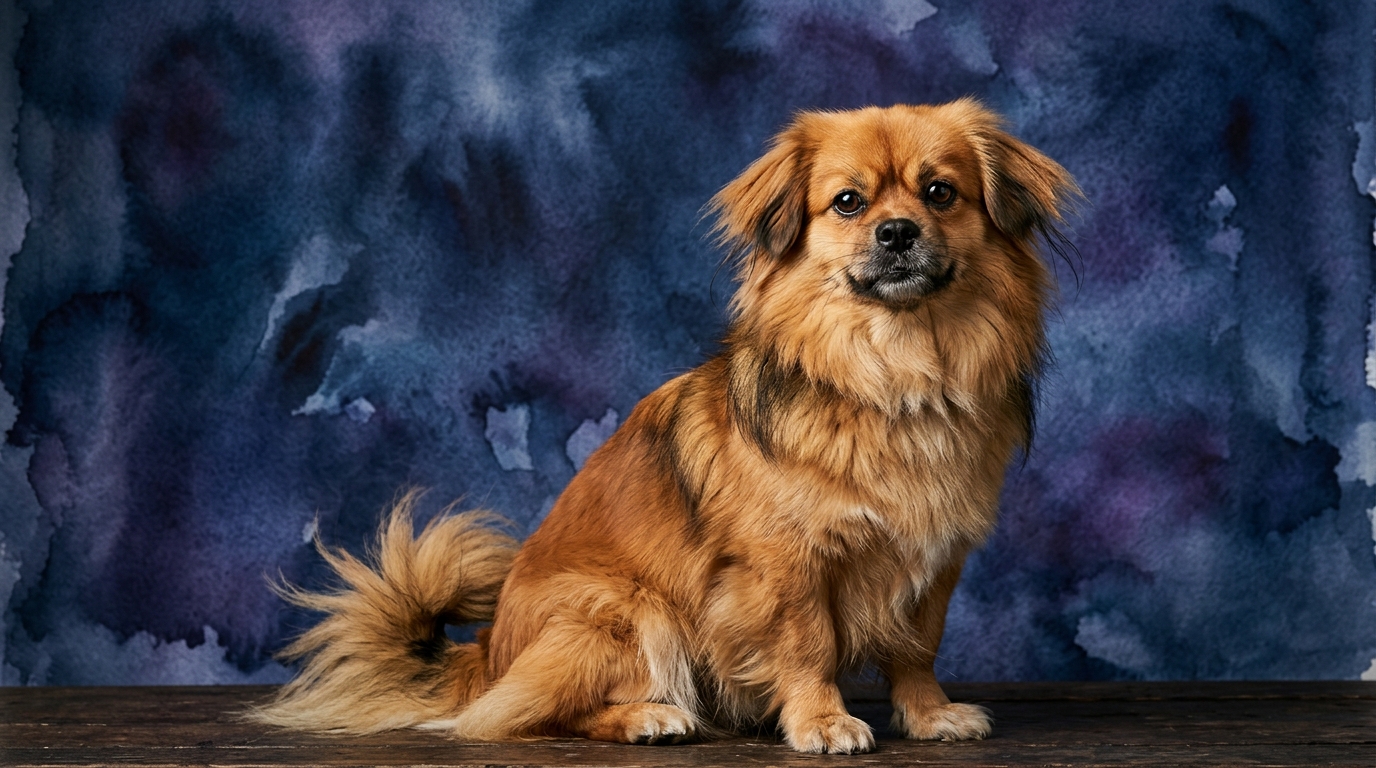
**Tibetan Spaniel:**
Problem Solving (3/5): This often manifests as an independent thought process, where they might strategically observe a situation before acting, perhaps figuring out how to access a sunbeam or a comfy perch. Their solutions are often self-serving but clever, like finding a way to alert you to a perceived threat from the window.
Training Speed (3/5): Tibetan Spaniels learn commands at a moderate pace, but their independent spirit means they weigh the benefit of compliance. They grasp concepts readily, but whether they execute them perfectly depends on their motivation and the perceived value of the task.
Social Intelligence (3/5): Tibbies are acutely aware of their family's moods and routines, often positioning themselves to offer quiet comfort or a watchful presence. They excel at discerning friend from foe, exhibiting a reserved but discerning social acumen, particularly with strangers.
Instinctive Drive (3/5): Their historical role as monastery watchdogs fuels a strong alert instinct, making them quick to notice and vocalize changes in their environment. While not possessing a strong prey drive for hunting, they do exhibit a moderate drive for observation and companion vigilance.
Memory (3/5): They possess a solid memory for established routines, learned commands, and the people they bond with. A Tibetan Spaniel remembers where they last saw a favorite toy or the optimal spot for an afternoon nap, and they hold grudges or favoritism with remarkable recall.
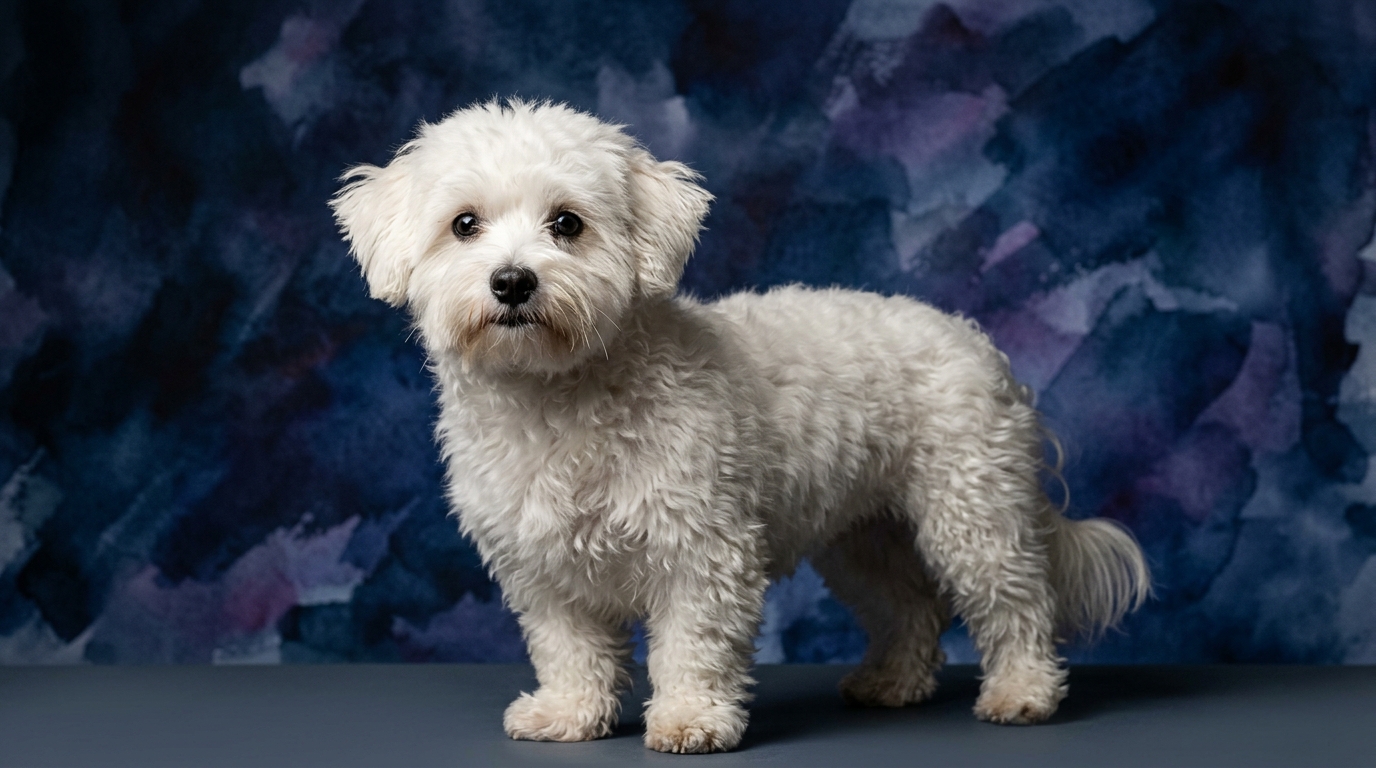
**Coton de Tuléar:**
Problem Solving (3/5): Coton de Tuléars often direct their problem-solving skills towards engaging their human companions, whether it's figuring out how to get a toy retrieved or devising a charming way to solicit attention. Their solutions are often creative and socially oriented, aimed at maintaining connection.
Training Speed (3/5): These dogs learn at a moderate pace, often eager to please and respond well to positive reinforcement and play-based training methods. While they can be distracted by their playful nature, their desire for interaction often speeds up the learning process for agreeable tasks.
Social Intelligence (3/5): Cotons are highly attuned to human emotions and social cues, thriving on interaction and reciprocity. They excel at reading a room, adapting their demeanor to suit the situation, and often making friends effortlessly with their charming and adaptable nature.
Instinctive Drive (3/5): Their primary drive is companionship and play, leading to a moderate desire to engage in interactive games and follow their beloved people. While not typically watchdogs, they might alert to newcomers out of excitement or a desire to involve themselves in the family's activities.
Memory (3/5): Cotons demonstrate a good memory for commands, routines, and, most importantly, the people who provide affection and play. They remember the location of their favorite treats and the sequence of events leading to a walk or cuddle session with consistent accuracy.
Where Tibetan Spaniel Wins Cognitively
The Tibetan Spaniel excels in areas requiring independent assessment and environmental vigilance. Their cognitive strength lies in their discerning observation skills, allowing them to process subtle changes in their surroundings with a keen eye, a direct legacy of their watchdog heritage. This translates into a superior ability to act as an effective household alert system, not just barking indiscriminately, but often signaling specific anomalies or unfamiliar presences. Furthermore, their self-reliant problem-solving, while sometimes perceived as stubbornness, means they're adept at finding solutions that suit their own comfort or goals without constant human guidance, whether it's finding the warmest spot in the house or navigating a complex obstacle course of furniture. They demonstrate a quiet confidence in their cognitive abilities, often appearing to "think things through" before committing to an action, which can be a distinct advantage in navigating new or uncertain environments without immediate human intervention.
Where Coton de Tuléar Wins Cognitively
The Coton de Tuléar shines brightest in the realm of social and emotional intelligence, demonstrating a remarkable capacity for connection and adaptability. Their cognitive edge comes from an exceptional ability to read and respond to human emotions, making them incredibly intuitive companions who effortlessly integrate into family dynamics. This translates into a nuanced understanding of social cues, allowing them to adjust their behavior to elicit desired responses, whether it's a comforting nudge during sadness or a playful invitation during joy. Their problem-solving is often geared towards social interaction, such as devising creative ways to initiate play or gain attention, showcasing a cleverness rooted in their desire for connection. They possess a greater flexibility in new social settings, generally more open and eager to engage with new people and experiences, which reflects a robust social learning capacity and a less reserved approach to the unknown.
Which is Easier to Train and Why
While both breeds score a 3/5 in training speed, the Coton de Tuléar is generally perceived as easier to train due to their inherent eagerness to please and strong social drive. Cotons thrive on positive reinforcement, praise, and the reward of human interaction, making them highly motivated to learn and comply with commands. Their playful nature can sometimes lead to distractions, but their desire to be involved and make their humans happy usually outweighs this, making them responsive to consistent, fun training sessions. In contrast, the Tibetan Spaniel, with its independent and sometimes discerning nature, learns at a similar pace but often requires a more patient and persuasive approach. A Tibbie will learn a command but might choose not to execute it if they don't see a clear benefit or if a more interesting activity presents itself. Training a Tibetan Spaniel often involves convincing them that cooperation is their idea or that the reward is truly worthwhile, necessitating consistency and understanding of their self-reliant temperament rather than just relying on an eagerness to please.
Which Suits Active Owners vs. Relaxed Owners
For owners who appreciate an active and highly interactive companion, the Coton de Tuléar is often the more suitable choice. While not requiring intense physical exertion, Cotons thrive on mental stimulation through games, training, and constant involvement in family activities; they are "velcro dogs" who want to be part of everything. Their playful spirit and desire for constant engagement mean they excel with owners who enjoy regular interactive play, short training sessions throughout the day, and taking their dog along on errands or social visits. Conversely, the Tibetan Spaniel is better suited for owners who appreciate a more relaxed yet watchful companion. While they enjoy walks and playtime, Tibbies are content with periods of quiet observation and independent lounging. They are not as demanding of constant interaction and can be quite self-sufficient, making them ideal for individuals or families who prefer a dog that is present and affectionate but also comfortable entertaining themselves for periods, provided they have a good vantage point.
The Verdict
Choose the Tibetan Spaniel if you value an independent, watchful companion with a quiet confidence and a discerning approach to the world, appreciating their self-reliant problem-solving and subtle social cues.
Opt for the Coton de Tuléar if you desire a highly interactive, socially intuitive, and charming companion whose greatest joy is engaging with their human family and whose cleverness is often directed towards fostering connection.
🧠 Find Your Pet's IQ Score
Our Pet IQ Lab assessment covers 25+ tests across 5 cognitive dimensions — personalized to your breed.
Take the Full IQ Test →Frequently Asked Questions
Do Tibetan Spaniels bark a lot?
Tibetan Spaniels have a strong watchdog instinct from their history, so they are prone to alert barking at anything new or unusual they perceive in their environment. While not excessive, they will certainly let you know if a stranger is approaching or a squirrel is in the yard.
Are Coton de Tuléars good with children?
Coton de Tuléars are generally good with respectful children due to their playful and adaptable nature, thriving on social interaction. However, like any breed, proper socialization and supervision are crucial to ensure positive interactions and prevent accidental injury to such a small dog.
Do these breeds have any specific mental enrichment needs?
Both breeds benefit from mental enrichment, but their preferences differ; Tibetan Spaniels enjoy puzzle toys that challenge their independent problem-solving and observation, while Coton de Tuléars thrive on interactive games, learning new tricks, and activities that involve their human companions.