Side-by-Side Cognitive Profiles
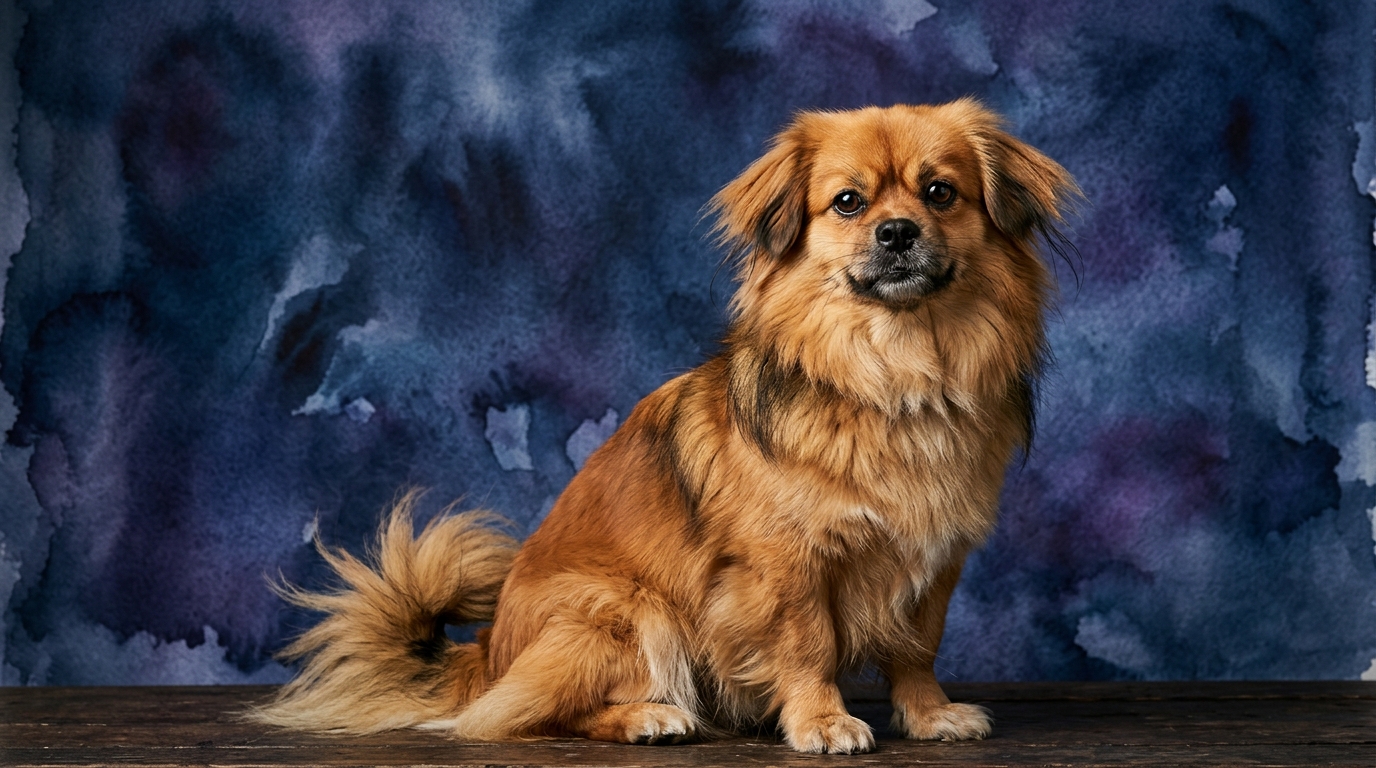
The Tibetan Spaniel, a breed steeped in history as a companion and sentinel within Tibetan monasteries, consistently scores 3/5 across Problem Solving, Training Speed, Social Intelligence, Instinctive Drive, and Memory. For this breed, a 3/5 in Problem Solving often translates to cleverness in navigating domestic environments, such as figuring out how to reach a sunbeam on a high perch or subtly manipulating their human companions for extra attention and treats. Their 3/5 Training Speed indicates they are capable learners, absorbing commands with moderate repetition, though their independent spirit means they may choose to comply based on perceived value or mood rather than unwavering eagerness. Social Intelligence at 3/5 reflects their deep attunement to their immediate family's emotions and routines, often anticipating needs or moods, while remaining somewhat aloof with strangers. Their Instinctive Drive, also 3/5, is largely expressed as a vigilant watchdog tendency—alert barking at perceived intruders—and a profound drive for companionship and comfort. Finally, their 3/5 Memory allows them to recall routines, people, and specific locations of interest within their home territory with reliable consistency.
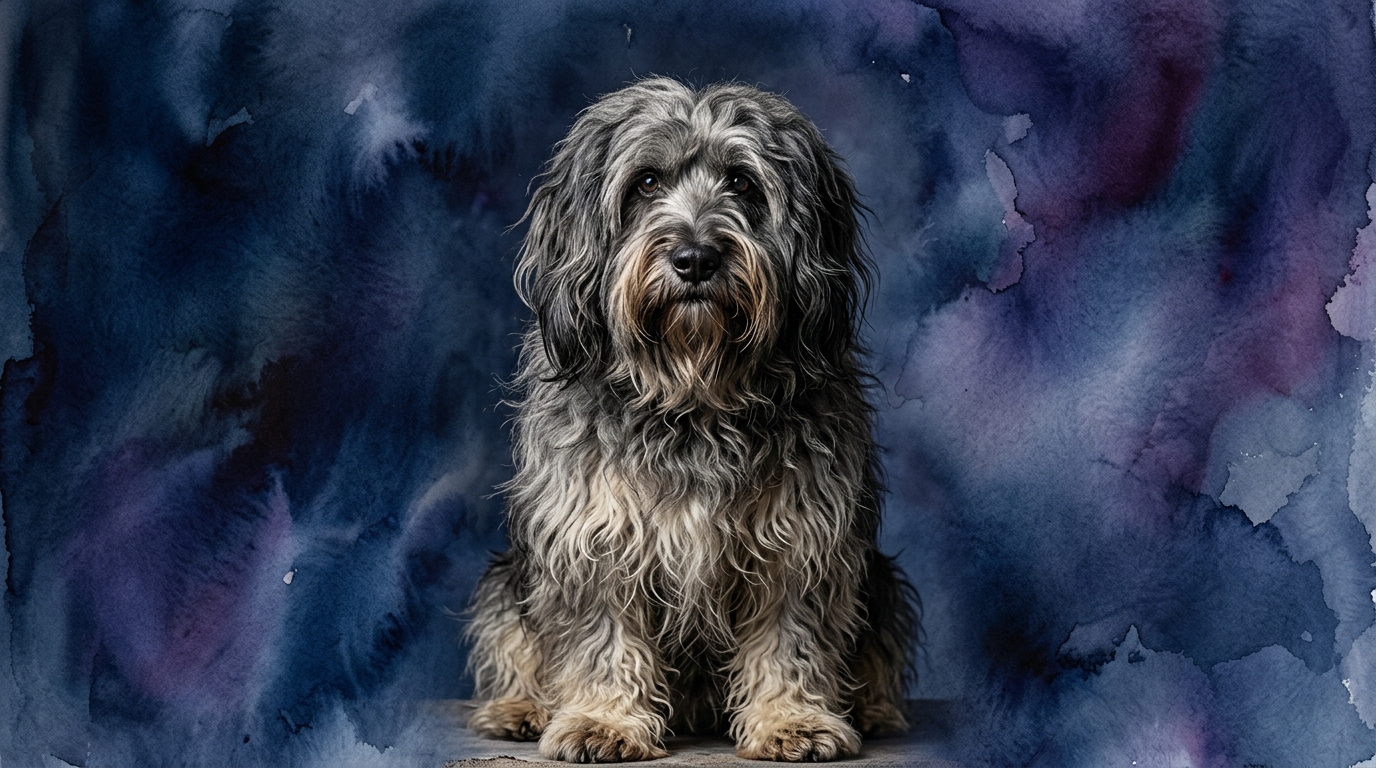
The Polish Lowland Sheepdog, a robust Herding breed originating from the plains of Poland, also exhibits a uniform 3/5 across all five cognitive dimensions: Problem Solving, Training Speed, Social Intelligence, Instinctive Drive, and Memory. For the PON (Polish Lowland Sheepdog), a 3/5 in Problem Solving typically manifests as resourcefulness in practical, often outdoor, situations, such as independently strategizing how to move a reluctant sheep or navigating complex terrain. Their 3/5 Training Speed suggests they are intelligent and capable of learning intricate commands, but their strong will and independent nature, honed by working without constant human direction, mean they benefit most from clear, consistent, and reward-based training that respects their self-assured character. Social Intelligence at 3/5 for a PON means they are adept at reading their environment and the intentions of both animals and humans, forming deep, protective bonds with their family while maintaining a watchful, sometimes reserved, demeanor towards outsiders. Their Instinctive Drive, scoring 3/5, is powerfully expressed through their inherent herding tendencies—gathering, circling, and guarding—which require appropriate outlets to prevent misdirection. Their 3/5 Memory is crucial for recalling complex routes, specific commands, and the identities of their flock or family members over extended periods.
Where the Tibetan Spaniel Excels Cognitively
While both breeds share identical numerical scores, the Tibetan Spaniel's cognitive strengths shine particularly bright in areas related to domestic harmony and nuanced human interaction. Their 3/5 Social Intelligence, for instance, is exceptionally refined for detecting subtle shifts in household dynamics and human moods, making them excellent emotional barometers for their families. A Tibetan Spaniel might not herd sheep, but they are masters at 'herding' their humans towards the sofa for a cuddle or into the kitchen for a snack, using a repertoire of charming behaviors and vocalizations. This isn't just basic begging; it’s a sophisticated understanding of human routines and weaknesses. Their Problem Solving, also 3/5, is often geared towards optimizing their personal comfort and gaining desired resources within a home setting. This could mean cleverly bypassing a baby gate, finding the warmest sunbeam, or figuring out how to open a cupboard door to access a favored toy. These are not grand, complex tasks, but rather persistent, ingenious applications of their intellect to enhance their daily lives and connection with their people, demonstrating a focused, domestic cleverness that is highly effective in its own sphere.
Where the Polish Lowland Sheepdog Excels Cognitively
The Polish Lowland Sheepdog's cognitive advantages become particularly evident when considering their capacity for independent judgment and environmental mastery, skills forged in their herding heritage. Their 3/5 Problem Solving isn't about domestic manipulation, but rather about practical, real-world task resolution, often in dynamic and unpredictable outdoor settings. This could involve independently assessing a situation with livestock, finding the most efficient path through varied terrain, or adapting to sudden changes in weather or flock behavior without constant human instruction. This breed’s intellect is geared towards autonomous decision-making and strategic thinking under pressure. Similarly, their 3/5 Instinctive Drive, while needing careful management, represents a powerful cognitive engine for purposeful work. This strong drive, coupled with their Memory (3/5) for complex patterns and routes, allows them to learn and execute multi-step tasks and adapt to evolving circumstances, making them incredibly capable partners in activities that require focus, stamina, and a degree of self-reliance. Their social intelligence, while also 3/5, manifests as an astute ability to read an entire flock or a group of people, discerning intentions and potential threats, rather than solely focusing on intimate human-dog communication.
Which Is Easier to Train and Why?
Determining which breed is 'easier' to train, despite both having a 3/5 Training Speed, hinges significantly on an owner's approach and understanding of their inherent motivations and temperaments. The Tibetan Spaniel, while capable, often presents a training challenge rooted in their independent, cat-like personality. They can learn quickly, but their compliance is frequently conditional; they weigh the reward against the effort, and if a command doesn't seem worthwhile, they may simply choose not to perform it. Their training benefits from positive reinforcement, short sessions, and making tasks feel like a game or a shared activity rather than a strict command-and-response routine. They respond well to owners who can make training engaging and demonstrate patience with their occasional stubbornness, often thriving on connection and praise.
The Polish Lowland Sheepdog, conversely, brings a distinct set of characteristics to the training arena. Their herding background instills a strong work ethic and an eagerness to have a job, which can make them highly responsive to clear, consistent direction. However, their 3/5 Training Speed also comes with a significant independent streak and a strong will, traits essential for a dog expected to make decisions in the field. This means they can be incredibly intelligent and fast learners, but they require a confident, experienced handler who can provide firm yet fair leadership. Without consistent guidance, their problem-solving ability can be directed towards outsmarting their owners or developing their own 'rules.' Training a PON is often less about coaxing and more about establishing a clear, respected partnership where both parties understand their roles, leveraging their drive for purpose and structure.
Suitability for Active vs. Relaxed Owners
The lifestyle match for these two breeds, even with similar cognitive scores, diverges considerably. A Tibetan Spaniel is generally a better fit for a relaxed owner, or one seeking a companion whose activity needs are moderate and primarily revolve around family interaction. While they enjoy walks and playtime, their instinctive drive (3/5) is not geared towards intense physical output or structured 'jobs.' They are content with being close to their people, observing the world from a comfortable perch, and engaging in bursts of play or short, stimulating outings. Their social intelligence (3/5) thrives on consistent, loving attention from their household, making them ideal for individuals or families who prioritize companionship and indoor activities.
The Polish Lowland Sheepdog, on the other hand, is unequivocally suited for active owners. Their 3/5 Instinctive Drive, rooted in their herding lineage, demands significant mental and physical engagement. This isn't a breed content with a couple of short walks a day and then lounging around; they need outlets for their problem-solving (3/5) and a sense of purpose. Activities like herding trials, agility, advanced obedience, long hikes, or even scent work are excellent ways to channel their energy and intellect. Their memory (3/5) and training speed (3/5) allow them to excel in these demanding pursuits, but without such engagement, their intelligence can lead to boredom and potentially destructive behaviors. An active owner for a PON means someone committed to providing daily challenges that stimulate both their body and their clever mind.
The Verdict
Choose the Tibetan Spaniel if you desire a clever, independent, yet deeply affectionate companion who thrives on nuanced human connection and moderate activity within a relaxed household setting.
Opt for the Polish Lowland Sheepdog if you are an active, experienced owner eager to engage a highly intelligent, independent, and driven dog in structured activities that satisfy its strong working instincts.
🧠 Find Your Pet's IQ Score
Our Pet IQ Lab assessment covers 25+ tests across 5 cognitive dimensions — personalized to your breed.
Take the Full IQ Test →Frequently Asked Questions
Do Tibetan Spaniels bark a lot due to their watchdog instincts?
Yes, their 3/5 Instinctive Drive includes a strong tendency to act as sentinels. They are prone to alert barking at anything they perceive as unusual or approaching their territory, a trait honed during their monastery guardian roles.
Are Polish Lowland Sheepdogs good with children despite their herding drive?
With proper socialization and training, Polish Lowland Sheepdogs can be excellent family dogs. However, their 3/5 Instinctive Drive means they might try to 'herd' children, so supervision and teaching appropriate interactions are crucial to prevent nipping or circling.
Given their similar IQ scores, does one breed require more mental stimulation than the other?
Yes, despite identical scores, the Polish Lowland Sheepdog generally requires significantly more structured mental stimulation due to its strong herding drive and problem-solving orientation for tasks. The Tibetan Spaniel's mental stimulation needs are more focused on companionship and domestic problem-solving, which are often met through daily interaction and comfortable living.