Side-by-Side Cognitive Profiles: Decoding Identical Scores
At first glance, the cognitive data for the Tibetan Terrier and Tibetan Spaniel appears strikingly similar across The Cosmic Pet Pet IQ Lab's five dimensions: Problem Solving (3/5), Training Speed (3/5), Social Intelligence (3/5), Instinctive Drive (3/5), and Memory (3/5). However, these identical scores don't imply identical mental landscapes; rather, they suggest a similar baseline capacity that manifests uniquely through each breed's historical purpose and temperament. The key lies in understanding the context and application of these abilities for each breed.
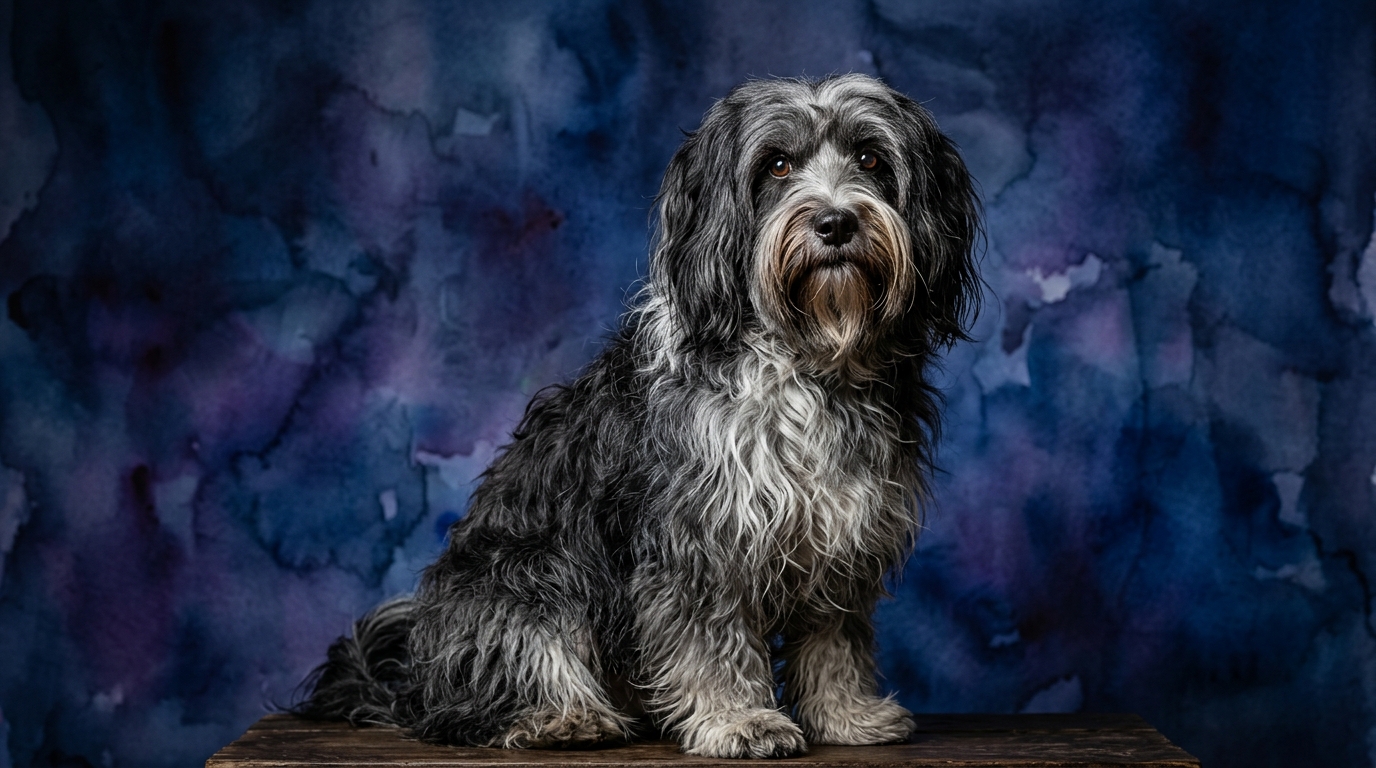
The Tibetan Terrier, notably ranked #63 by Coren for working and obedience intelligence, demonstrates a solid foundational capacity for understanding and executing commands. Its Problem Solving at 3/5 points to an ability to navigate moderate environmental challenges or novel situations with thoughtful persistence, rather than immediate panic or complete reliance on human intervention. A 3/5 in Training Speed indicates a steady learner who requires consistent methods and engagement, while its Social Intelligence at 3/5 suggests a balanced awareness of its human family's cues without being overly dependent. The Instinctive Drive at 3/5 reflects its historical role as a versatile companion, capable of independent thought, and Memory at 3/5 signifies a reliable recall for routines and learned behaviors.
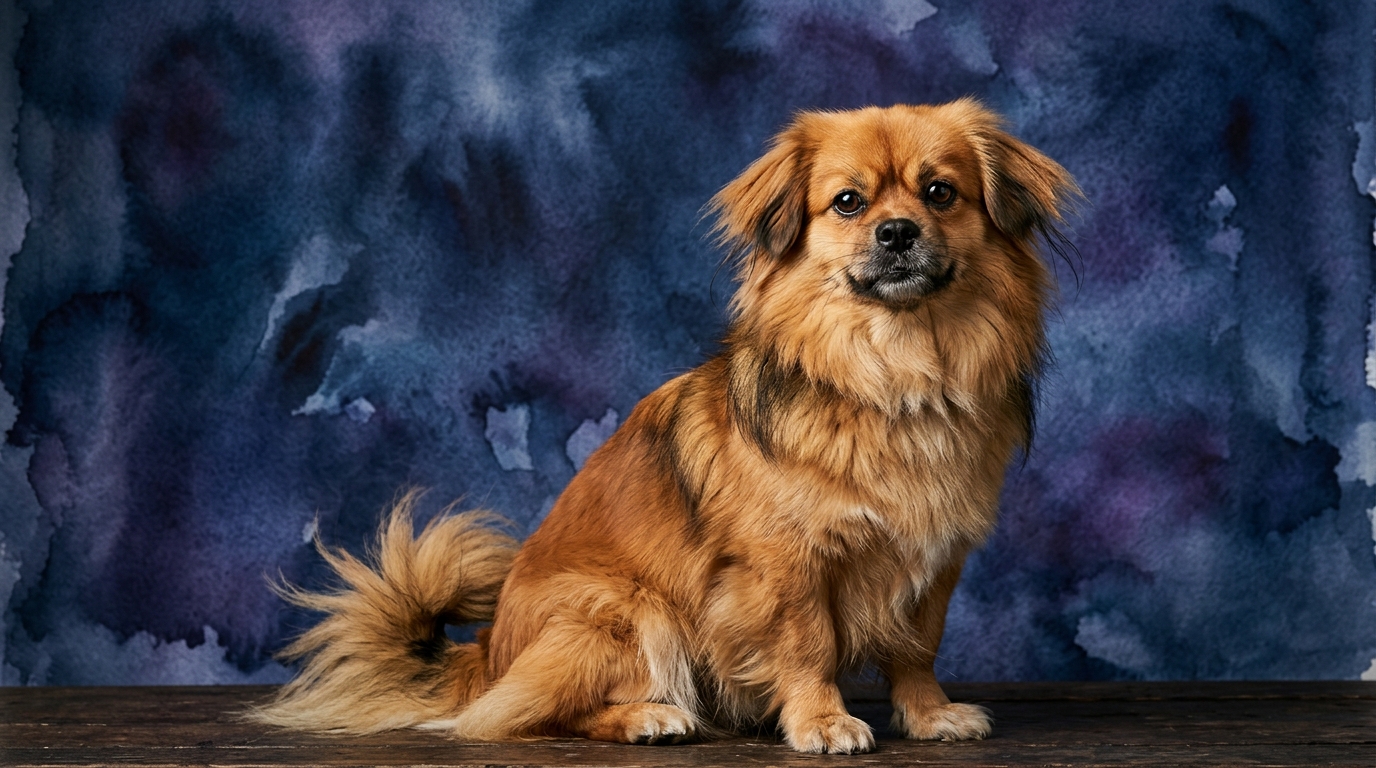
The Tibetan Spaniel, while not Coren-ranked, also exhibits a 3/5 across all five cognitive dimensions, reflecting a robust mental capacity tailored to its role as a cherished companion and monastery lookout. Its Problem Solving at 3/5 often manifests in clever ways to get what it wants within a home environment, rather than complex outdoor tasks. A 3/5 Training Speed means it can learn new commands at a respectable pace, often motivated by positive reinforcement and a desire for connection. The 3/5 Social Intelligence is particularly pronounced in its ability to read human moods and adapt to various family dynamics, making it an empathetic presence. Its Instinctive Drive at 3/5 leans towards watchful alertness and bonding, while a 3/5 Memory ensures it retains knowledge of its people's habits and household rules.
Where the Tibetan Terrier Excels Cognitively
While both breeds share a 3/5 for Problem Solving, the Tibetan Terrier's historical role as a versatile 'holy dog' and herder/watchdog gives its problem-solving and instinctive drive a distinct edge in certain scenarios. This breed's cognitive strengths often shine when confronted with environmental challenges that require independent thought and a degree of self-reliance. For example, navigating a new, complex walking trail or figuring out how to retrieve a toy from an awkward space might engage the Terrier's problem-solving skills with greater tenacity.
Its Coren rank of #63, which measures working and obedience intelligence, further suggests a nuanced difference in how its 3/5 Training Speed manifests. This capacity implies a strong potential for learning intricate command sequences or participating in dog sports that require a blend of physical and mental coordination. The Terrier's inherent adaptability and slightly more independent nature mean it can apply its cognitive abilities to tasks that demand both understanding and a resilient, self-directed approach.
Where the Tibetan Spaniel Shows Unique Cognitive Strengths
The Tibetan Spaniel, with its long history as a 'lion dog' and cherished companion within monasteries, demonstrates a particular cognitive finesse in areas related to social interaction and observational learning. While its Social Intelligence is rated 3/5, this often translates into a keen ability to interpret human body language and vocal tones, allowing it to adapt its behavior to suit the mood of its household. This makes them adept at discerning subtle social cues, often anticipating their owner's next move or emotional state.
Its 3/5 Memory and 3/5 Problem Solving are frequently channeled into understanding household routines and social dynamics, rather than outdoor tasks. A Tibetan Spaniel might excel at remembering which family member is most likely to share a treat, or recall the precise timing of daily events like meal times or walks with remarkable accuracy. This breed's cognitive strengths are deeply intertwined with its desire for companionship, making it exceptionally astute in the nuances of family life.
Training Dynamics: Nuances in Learning Engagement
Despite both breeds having a 3/5 for Training Speed, the practical experience of training them can feel subtly different due to their inherent temperaments and historical roles. The Tibetan Terrier, with its independent streak stemming from its watchdog and herding ancestry, may require more creative motivation and patience. While it possesses the cognitive capacity to learn consistently, its problem-solving might lead it to question the utility of a command or seek alternative, more rewarding actions, sometimes requiring a more engaging training approach to maintain focus.
The Tibetan Spaniel, on the other hand, often exhibits a strong desire to please its human companions, which can make basic obedience training feel smoother, even with the same learning speed. Its robust social intelligence means it is highly attuned to positive reinforcement and praise, often eager to perform for attention. While both breeds benefit from consistency and positive methods, the Spaniel's companion-oriented nature might make it appear more compliant during training sessions, readily engaging with its owner's directives.
Matching Cognitive Profiles to Owner Lifestyles
The cognitive profiles of these two Tibetan breeds also provide insight into which might better suit active versus relaxed owners. The Tibetan Terrier's combination of 3/5 Problem Solving and Instinctive Drive, coupled with its more robust physical build, often means it thrives with owners who enjoy structured activities and mental engagement. An active owner who provides opportunities for exploration, puzzle toys, or even dog sports will find the Terrier's cognitive abilities well-matched to these challenges. Its independence means it appreciates a balance of companionship and solo exploration.
Conversely, the Tibetan Spaniel's strengths in Social Intelligence and its companion-focused Memory make it an excellent fit for more relaxed owners who prioritize close human interaction and a quieter home life. While still enjoying walks and playtime, its cognitive engagement is often satisfied through shared moments on the couch, observing the household, or quiet games that involve interaction with its family. Owners who appreciate a dog that is deeply attuned to their emotional state and happy to be a constant, observant presence will find the Spaniel's cognitive make-up aligns perfectly.
The Verdict: Choosing Your Tibetan Companion
The Verdict
Choose the Tibetan Terrier if you seek a resilient, adaptable companion eager to engage in moderate mental and physical activities, thriving on a blend of independence and interaction.
Opt for the Tibetan Spaniel if you desire a highly social, perceptive companion deeply attuned to family dynamics, content with gentle play and ample lap time.
🧠 Find Your Pet's IQ Score
Our Pet IQ Lab assessment covers 25+ tests across 5 cognitive dimensions — personalized to your breed.
Take the Full IQ Test →Frequently Asked Questions
Do Tibetan Terriers and Tibetan Spaniels learn at the same pace?
Both breeds are rated 3/5 for Training Speed, indicating they learn at a similar, consistent pace. However, the Tibetan Terrier's independence might require more creative motivation, while the Tibetan Spaniel's desire to please can make training feel more straightforward.
Which breed is better at understanding human emotions?
Both possess 3/5 Social Intelligence, but the Tibetan Spaniel's history as a companion often means its social acuity is more finely tuned to interpreting subtle human cues and moods within a home environment. The Terrier's social intelligence is balanced with a stronger independent streak.
Are there specific types of games one breed prefers over the other due to their intelligence?
Tibetan Terriers might enjoy puzzle toys that challenge their problem-solving skills or scent work that engages their instinctive drive for exploration. Tibetan Spaniels often prefer interactive games that involve their human companions, like hide-and-seek or fetch, leveraging their social intelligence and memory for routines.