Side-by-Side Cognitive Profile
The Cosmic Pet Pet IQ Lab rates both the Treeing Walker Coonhound and the Norwegian Lundehund identically across all five cognitive dimensions: Problem Solving (3/5), Training Speed (3/5), Social Intelligence (3/5), Instinctive Drive (3/5), and Memory (3/5). While the numerical scores are the same, the manifestation of these cognitive traits is deeply influenced by each breed's unique evolutionary path and historical purpose.
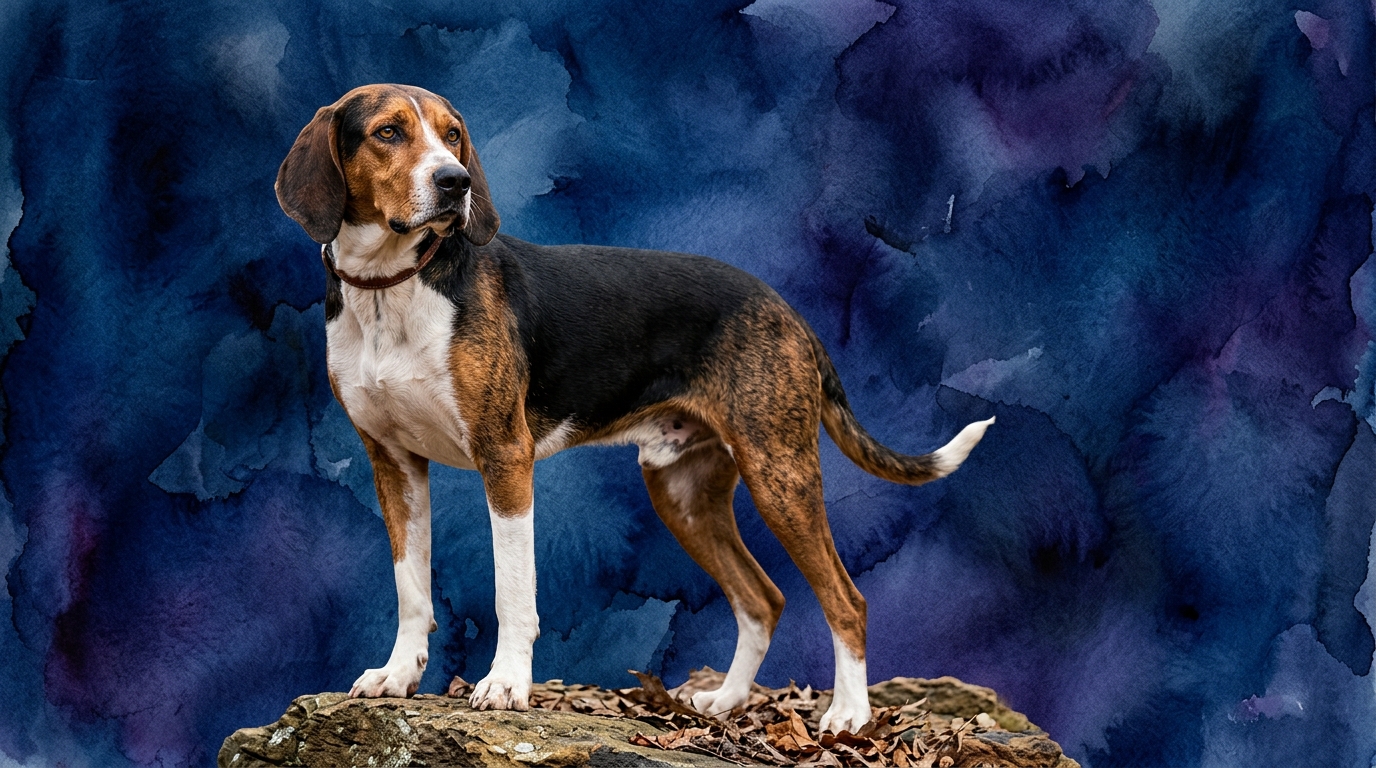
For the **Treeing Walker Coonhound**, a 3/5 in **Problem Solving** reflects their dedicated persistence in unraveling complex scent trails, a form of sequential problem-solving crucial for locating and 'treeing' quarry. Their intellect shines in navigating varied terrain and making strategic decisions based on olfactory cues, demonstrating a practical, persistent form of cognitive engagement. Their **Training Speed (3/5)** indicates they are capable learners, but success often hinges on aligning tasks with their inherent drives, excelling in scent work while potentially showing independence in repetitive obedience. Their **Social Intelligence (3/5)** is often expressed within their family unit and in cooperative hunting scenarios, reading human cues keenly, though their attention can be diverted by compelling environmental scents. An **Instinctive Drive (3/5)** for them signifies a formidable prey drive and unwavering dedication to following a scent trail. Finally, their **Memory (3/5)** is particularly acute for successful hunting routes, the location of specific game, and the nuances of scent differentiation, allowing them to apply learned strategies effectively.
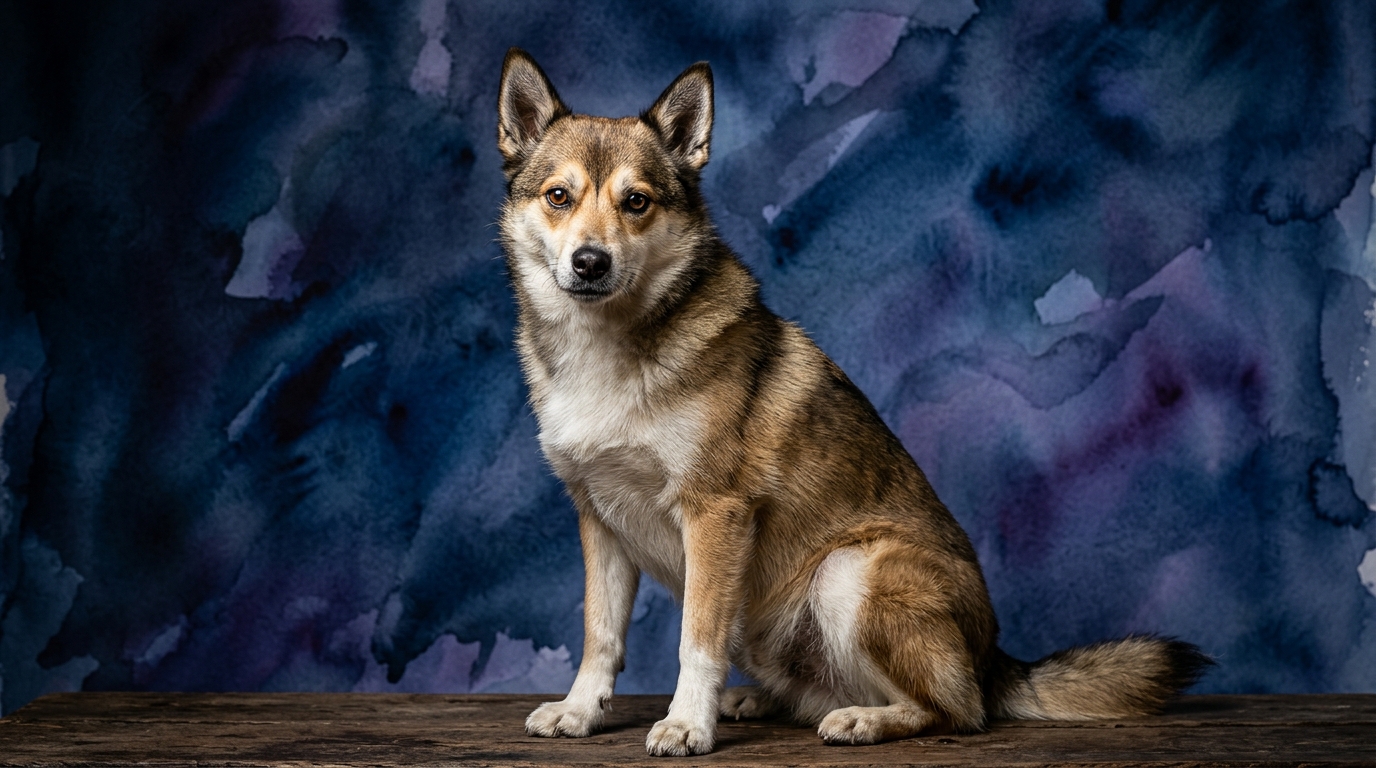
The **Norwegian Lundehund**, conversely, interprets these 3/5 scores through a different lens. Their **Problem Solving (3/5)** manifests in an extraordinary ability to navigate treacherous, confined spaces like cliff crevices and rock piles, involving spatial reasoning, agility, and utilizing unique physical adaptations—such as extra toes and extreme flexibility—to maneuver and extract prey. This is a highly specialized form of environmental problem-solving. Their **Training Speed (3/5)** reflects a capacity for learning coupled with an independent streak developed from working alone in harsh conditions; they respond well to positive reinforcement and engaging, varied training methods, but may find repetitive drills less stimulating. **Social Intelligence (3/5)** for Lundehunds means forming deep, loyal attachments within their immediate family, often reserved with strangers but adept at reading the moods of trusted humans. Their **Instinctive Drive (3/5)** is rooted in their history as puffin hunters, showcasing a strong drive for independent exploration, burrowing, and retrieving in challenging environments. Their **Memory (3/5)** is exceptional for recalling intricate terrain, safe passages through difficult environments, and the locations of burrows or hiding spots, a critical survival skill.
Where the Treeing Walker Coonhound Wins Cognitively
While both breeds score 3/5 across the board, the Treeing Walker Coonhound's cognitive strengths distinctly shine in areas demanding sustained, focused persistence within a scent-driven environment. Their problem-solving (3/5) is uniquely geared towards tracking, where they demonstrate an unparalleled ability to follow a cold trail for hours, making minute discriminations between scents and logically deducing a prey animal’s path even across varied terrains. This isn't just about speed, but about an unwavering mental commitment to a single, complex olfactory puzzle, showcasing a deep cognitive specialization in detection and pursuit.
Furthermore, their instinctive drive (3/5) is a highly refined instrument for cooperative hunting, where their 'treeing' behavior is a culmination of complex sensory processing and communication. The Coonhound's memory (3/5) is particularly potent for recalling the specific nuances of successful hunting grounds and scent patterns, allowing them to apply learned strategies effectively in new, yet similar, situations. This breed excels when their intellect is engaged in the intricate dance of the hunt, requiring both individual initiative and coordinated action in a dynamic, scent-rich environment.
Where the Norwegian Lundehund Wins Cognitively
The Norwegian Lundehund, despite sharing identical scores, demonstrates a distinct cognitive superiority in adaptability to extreme physical challenges and highly specialized environmental navigation. Their problem-solving (3/5) is a marvel of spatial reasoning and physical ingenuity, enabling them to contort their bodies and utilize their unique anatomical features—like hyper-flexible joints and extra toes—to extract prey from incredibly tight, inaccessible crevices. This form of intellect is less about following a trail and more about dynamic, three-dimensional puzzle-solving in real-time, requiring exceptional body awareness and environmental assessment.
Their instinctive drive (3/5) is characterized by a tenacious independence and resourcefulness, vital for surviving and hunting alone in harsh, isolated coastal regions. This isn't merely a prey drive, but a drive for self-sufficiency and adeptness in extreme conditions. The Lundehund's social intelligence (3/5), while perhaps more reserved with strangers, exhibits a profound depth within their family unit, enabling them to form incredibly strong, nuanced bonds and communicate through subtle cues, a testament to their need for a secure, trusted inner circle in a challenging world. Their memory (3/5) is acutely tuned to remembering intricate landscapes, safe havens, and the precise locations of burrows, a critical survival skill for survival in their native, challenging environment.
Which is Easier to Train and Why
Assessing which breed is 'easier' to train requires understanding their individual motivations and historical roles, as both score 3/5 in training speed. The Treeing Walker Coonhound, with its intense focus on scent and pursuit, will generally be more amenable to training that incorporates these natural drives. They can learn commands quickly when the reward is a chance to engage their nose or when the training mimics aspects of a hunt. However, their independent nature and single-minded dedication to a scent can make off-leash reliability challenging in stimulating environments, as their instinct often overrides learned commands if a compelling scent is present. Training them effectively means harnessing, rather than suppressing, their formidable drive, often requiring consistent, high-value rewards and patience.
The Norwegian Lundehund's training experience, while also a 3/5, presents different considerations. Bred to work independently in rugged terrain, they possess a strong will and a cautious nature, which can translate into a perceived stubbornness in traditional obedience. They thrive on variety, positive reinforcement, and problem-solving games rather than repetitive drills. Their inherent skepticism towards novelty and strangers means that early socialization is paramount, and building trust is key to their willingness to engage in training. While they are capable learners, their independent spirit means owners must be patient, creative, and understand that compliance will often be a cooperative effort rather than strict adherence to commands.
Which Suits Active Owners vs. Relaxed Owners
For active owners seeking a canine partner for outdoor adventures, both breeds offer unique benefits, though the nature of their activity differs. The Treeing Walker Coonhound is an ideal companion for owners who enjoy long hikes, trail running, or engaging in scent work and tracking sports. Their endurance and unwavering focus make them excellent partners for covering extensive distances, and they thrive on activities that allow them to utilize their powerful nose and boundless energy. They require consistent physical and mental stimulation to prevent boredom and destructive behaviors, making them unsuitable for truly relaxed, sedentary households.
The Norwegian Lundehund also suits active owners, but their activity needs are often more about exploration and mental engagement in varied environments rather than sheer mileage. They excel in agility, climbing, and activities that challenge their unique physical capabilities and problem-solving skills, such as navigating obstacle courses or exploring novel terrains. While they enjoy walks, their needs often involve more intricate forms of engagement, and their smaller size makes them adaptable to some indoor activities when outdoor conditions are poor. A truly relaxed owner might struggle with their independent spirit and need for mental stimulation, but their activity demands are less about endless running and more about purposeful engagement compared to the Coonhound.
The Verdict
Choose the Treeing Walker Coonhound if you are an active, outdoors-oriented individual or family passionate about scent work, tracking, or long-distance hiking, and are prepared to channel their formidable hunting drive and vocal nature into productive activities. This breed thrives with owners who appreciate their specialized persistence and can provide consistent, engaging mental and physical outlets.
Opt for the Norwegian Lundehund if you seek a loyal, independent companion for unique adventures, valuing their problem-solving ingenuity, physical agility, and deep family bonds, and are prepared for a patient, positive training approach with a dog that values its own autonomy. They are best suited for owners who can provide intricate mental stimulation and appreciate a reserved yet deeply affectionate nature.
🧠 Find Your Pet's IQ Score
Our Pet IQ Lab assessment covers 25+ tests across 5 cognitive dimensions — personalized to your breed.
Take the Full IQ Test →Frequently Asked Questions
Are Treeing Walker Coonhounds good family dogs?
Yes, Treeing Walker Coonhounds are generally affectionate and loyal with their families, often good with children and other pets when properly socialized. Their strong pack drive makes them enjoy being part of family activities, though their energy levels require consistent exercise.
Do Norwegian Lundehunds bark a lot?
Norwegian Lundehunds are not typically excessive barkers, but they can be vocal when excited, bored, or alerting to strangers. Their communication often involves a variety of sounds, and their reserved nature means they may bark at unfamiliar sights or sounds.
How much exercise does a Treeing Walker Coonhound need?
Treeing Walker Coonhounds require significant daily exercise, often an hour or more of vigorous activity like running, hiking, or dedicated scent work. Their high stamina and drive mean they thrive when given ample opportunity to burn energy and engage their nose.