The Cosmic Pet IQ Profile: A Numerical Tie, A Cognitive Divide
The Cosmic Pet Pet IQ Lab evaluates canine cognition across five key dimensions: Problem Solving, Training Speed, Social Intelligence, Instinctive Drive, and Memory. For both the Treeing Walker Coonhound and the Tibetan Spaniel, each of these dimensions registers a score of 3 out of 5, indicating a moderate level of cognitive ability. This numerical equivalence might initially suggest similar mental capabilities, but a deeper look reveals how breed-specific roles and evolutionary paths shape the expression of these cognitive traits.
A score of 3/5 signifies that neither breed is at the extreme ends of the cognitive spectrum; they are not exceptionally quick learners nor are they particularly slow. Their problem-solving abilities are practical and context-dependent, their social interactions are generally appropriate, their instinctive behaviors are present but manageable, and their memory serves their daily needs. The true differentiation lies in the *nature* of these capabilities, not their abstract magnitude.
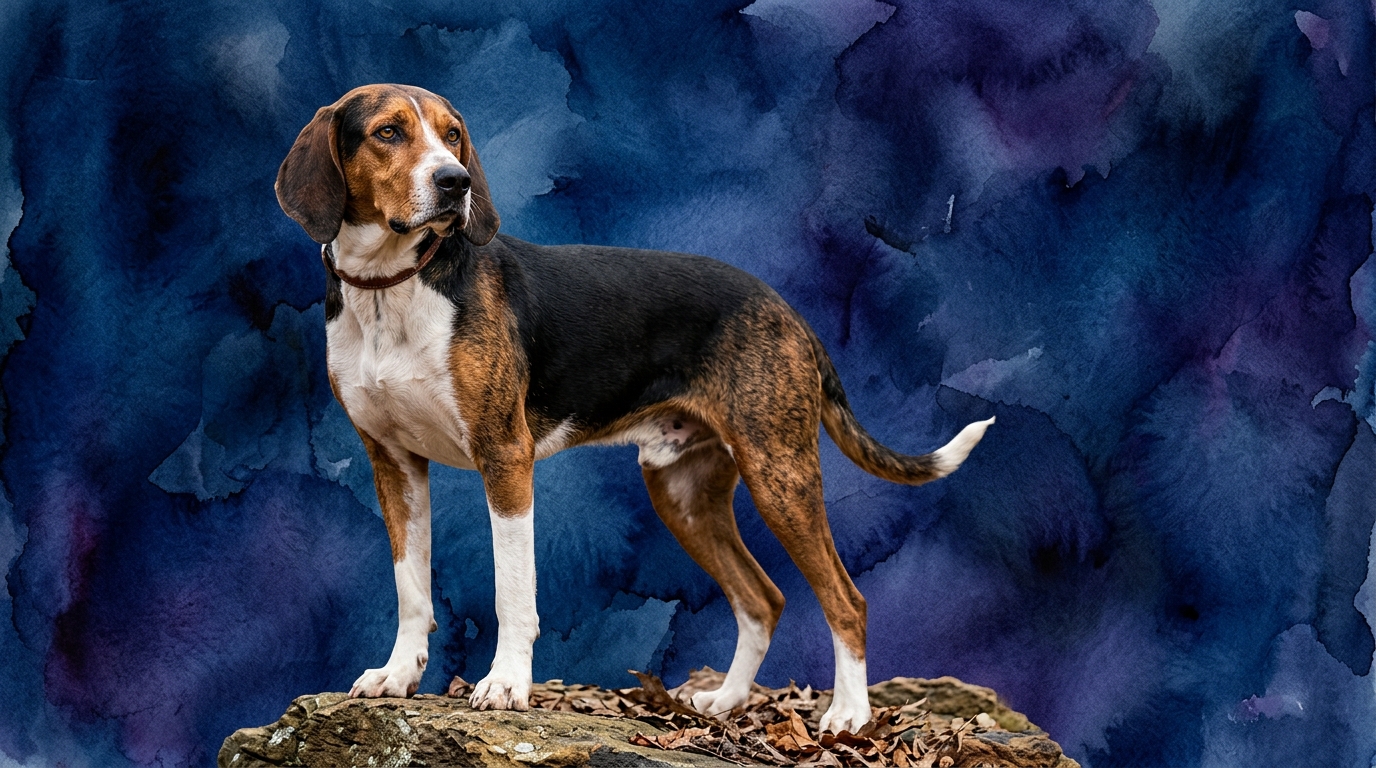
For the Treeing Walker Coonhound, a 3/5 in Problem Solving translates to adeptness at sequential tracking and navigating complex outdoor environments to locate quarry. Their Training Speed of 3/5 reflects a capacity to learn commands, albeit often competing with powerful scent distractions. Social Intelligence at 3/5 means they form strong bonds within their human 'pack' and often cooperate well with other dogs. Their Instinctive Drive, also 3/5, is profoundly rooted in scent detection, vocalization, and the pursuit of game. Finally, a Memory score of 3/5 highlights their recall for scent trails, hunting grounds, and established routines.
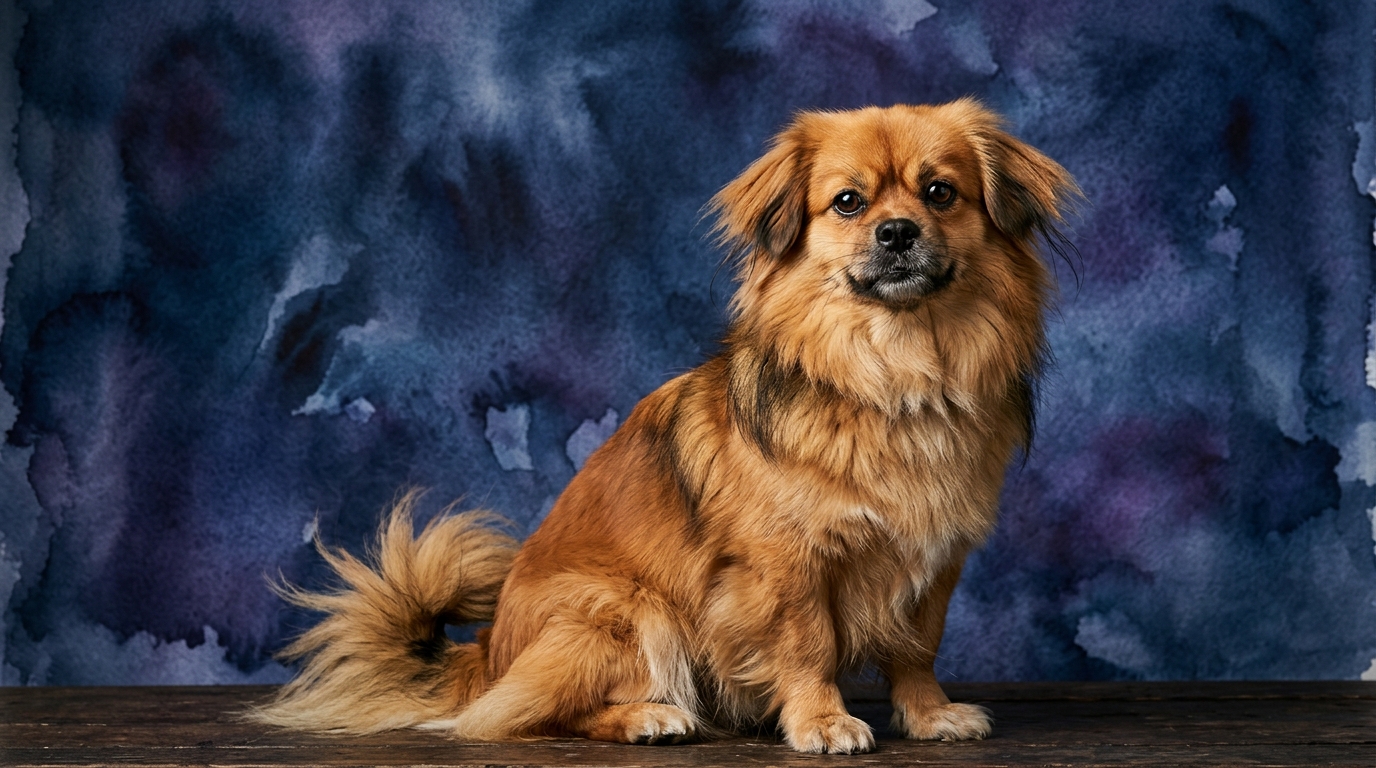
The Tibetan Spaniel, on the other hand, expresses its 3/5 Problem Solving as cleverness in domestic settings, figuring out how to achieve comfort or gain attention. Their 3/5 Training Speed indicates they can learn, but their independent spirit means consistency and positive reinforcement are crucial. Social Intelligence at 3/5 makes them perceptive companions, attuned to human emotions and household dynamics, though they can be reserved with strangers. Their 3/5 Instinctive Drive manifests as a keen watchdog capability, an affinity for high vantage points, and a deep desire for companionship. Their Memory of 3/5 allows them to recall routines, household rules, and social interactions with their chosen family.
Where the Treeing Walker Coonhound Shines Cognitively
The Treeing Walker Coonhound's cognitive strengths are profoundly tied to its heritage as a scent hound. Their 3/5 Problem Solving ability truly shines when presented with a complex scent trail; they demonstrate a remarkable capacity for sequential logic and pattern recognition in olfactory data, piecing together an invisible narrative across varied terrains. This isn't abstract puzzle-solving, but a highly specialized form of practical intelligence crucial for their work.
Their 3/5 Memory, when combined with their instinctive drive, allows them to recall specific scent profiles with accuracy, remembering the 'signature' of a particular animal or the nuances of a familiar hunting path. This memory enables them to learn and refine tracking strategies over time, making them increasingly efficient in their chosen pursuit. Furthermore, their Social Intelligence, though rated 3/5, is particularly effective in a working partnership, understanding the signals and intentions of their human handler during a hunt, demonstrating a collaborative form of canine social cognition.
Where the Tibetan Spaniel Excels in Cognition
The Tibetan Spaniel's cognitive strengths are rooted in its role as a companion and monastery guardian. Their 3/5 Problem Solving manifests as a clever resourcefulness within the home environment; they can deftly navigate furniture to find the best sunbeam, strategically position themselves for maximum affection, or even figure out how to open cabinets if curiosity strikes. This is a domestic, self-serving form of ingenuity.
Their 3/5 Social Intelligence is highly refined in its ability to read human emotions and household dynamics. They are often acutely aware of their owner's mood and can adjust their behavior accordingly, offering comfort or seeking play at opportune moments. This nuanced understanding of human social cues, developed over centuries of close companionship, allows them to integrate seamlessly into family life. Their 3/5 Memory is excellent for recalling daily routines, preferred sleeping spots, and the specific preferences of their family members, contributing to their smooth integration into a domestic setting.
Training Dynamics: Scent vs. Self-Interest
Both breeds score 3/5 in Training Speed, but the underlying reasons for this moderate pace and the challenges presented to trainers are quite different. The Treeing Walker Coonhound's primary training hurdle is its powerful Instinctive Drive for scent. While capable of learning commands, their nose can override their desire to please, making off-leash reliability a significant challenge in stimulating environments. Training requires immense patience, high-value rewards, and a deep understanding of their innate motivations, often incorporating scent work into training to harness their natural abilities.
The Tibetan Spaniel's moderate Training Speed stems from its independent and sometimes 'cat-like' nature. They are not inherently eager to please and may weigh whether a command is worth their effort. Training them demands consistent positive reinforcement, making sessions engaging and rewarding, and understanding that they respond best to fair, gentle, and motivating methods. While not as prone to scent distractions, their self-interest can be a strong competing factor, requiring a trainer to be more engaging than the world around them.
Lifestyle Fit: Active Pursuit vs. Alert Companion
Understanding the distinct expressions of their 3/5 cognitive scores is key to matching these breeds with suitable lifestyles. The Treeing Walker Coonhound, with its specialized problem-solving and strong instinctive drive, thrives with active owners who can provide ample opportunities for physical exertion and mental stimulation, ideally involving scent work or long, exploratory walks. Owners must be prepared for their vocal nature and their need to follow their nose, making secure fencing and leash training paramount.
The Tibetan Spaniel, with its domestic problem-solving and keen social intelligence, is an excellent fit for owners seeking a devoted, perceptive companion. While they enjoy walks and playtime, their exercise needs are moderate, and they are generally content to be involved in household activities. They are well-suited to apartment living if provided with regular outings and mental enrichment. Their alert nature means they will often act as a vigilant, though usually not aggressive, watchdog, making them suitable for owners who appreciate a canine alarm system.
The Verdict: When to Choose Each
Despite their identical numerical IQ scores, these two breeds offer profoundly different cognitive and behavioral experiences, shaped by their distinct histories.
The choice between a Treeing Walker Coonhound and a Tibetan Spaniel hinges entirely on an owner's lifestyle, expectations, and willingness to engage with their specific cognitive strengths and challenges.
The Verdict
Choose a Treeing Walker Coonhound if you are an active, outdoors-oriented individual or family, prepared to channel a powerful scent drive into productive activities like tracking or long hikes, and appreciate a vocal, affectionate partner.
Opt for a Tibetan Spaniel if you desire a perceptive, independent, and devoted companion who excels in domestic settings, thrives on close human interaction, and offers an alert, watchful presence without excessive exercise demands.
🧠 Find Your Pet's IQ Score
Our Pet IQ Lab assessment covers 25+ tests across 5 cognitive dimensions — personalized to your breed.
Take the Full IQ Test →Frequently Asked Questions
Are Treeing Walker Coonhounds good family dogs?
Yes, Treeing Walker Coonhounds are generally affectionate and form strong bonds with their families. They are typically good with children and other dogs when properly socialized, but their high energy and vocal nature require an active household that can meet their needs.
Do Tibetan Spaniels bark a lot?
Tibetan Spaniels have a natural watchdog instinct and will bark to alert their owners to anything unusual, making them effective 'doorbells.' While not typically excessive, their barking can be managed with consistent training, but owners should expect them to be vocal guardians.
How much exercise does a Treeing Walker Coonhound need?
Treeing Walker Coonhounds require a significant amount of exercise, ideally an hour or more of vigorous activity daily, such as long walks, running, or scent work. Their stamina and drive mean they thrive on having a job to do and ample outdoor exploration time in a secure area.