Side-by-Side IQ Profile: Unpacking Canine Cognition
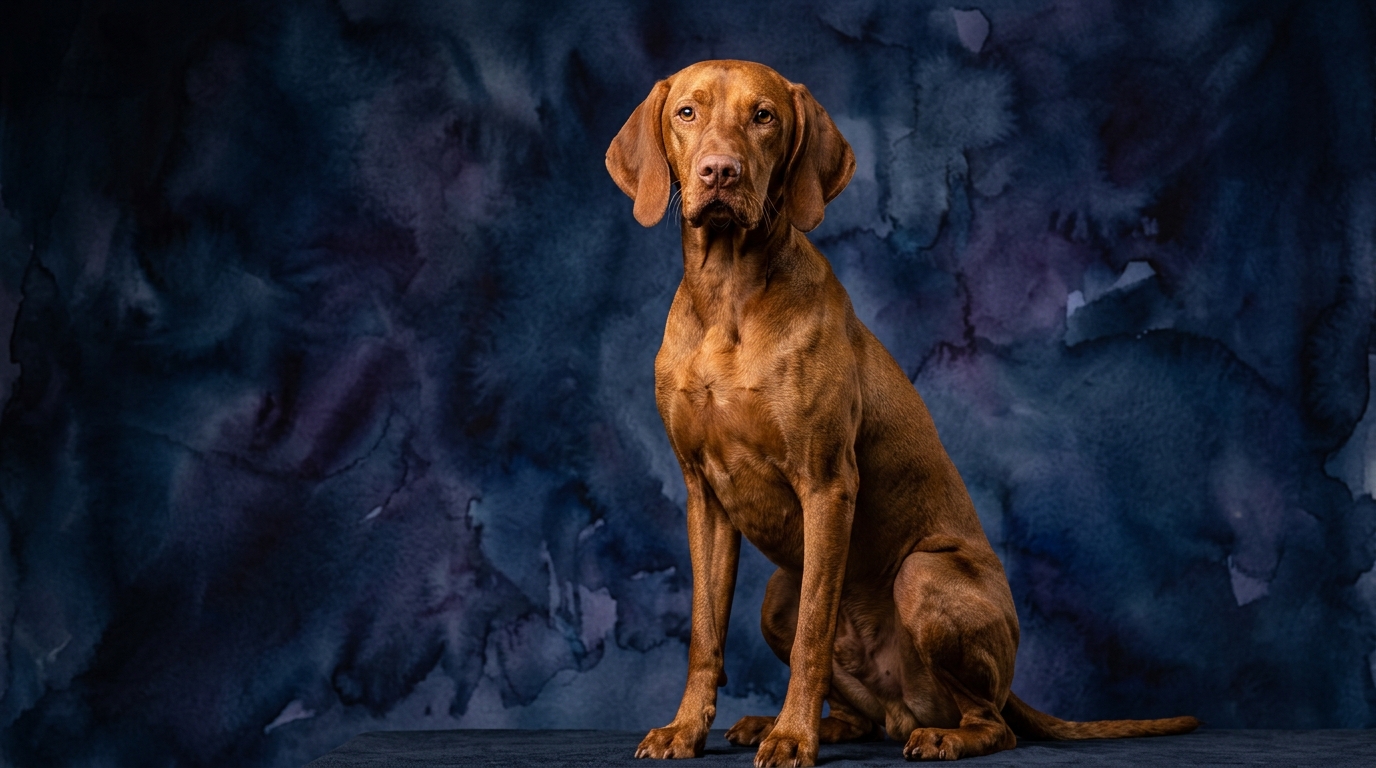
The Cosmic Pet Pet IQ Lab employs a comprehensive framework to assess canine intelligence, moving beyond simple obedience to encompass problem-solving, social acumen, and innate drives. For the Vizsla, a Sporting group member with a Coren rank of #31, its profile highlights a finely tuned mental agility: Problem Solving 4/5, Training Speed 4/5, Social Intelligence 5/5, Instinctive Drive 5/5, and Memory 4/5. This paints a picture of a dog built for partnership and responsive action.
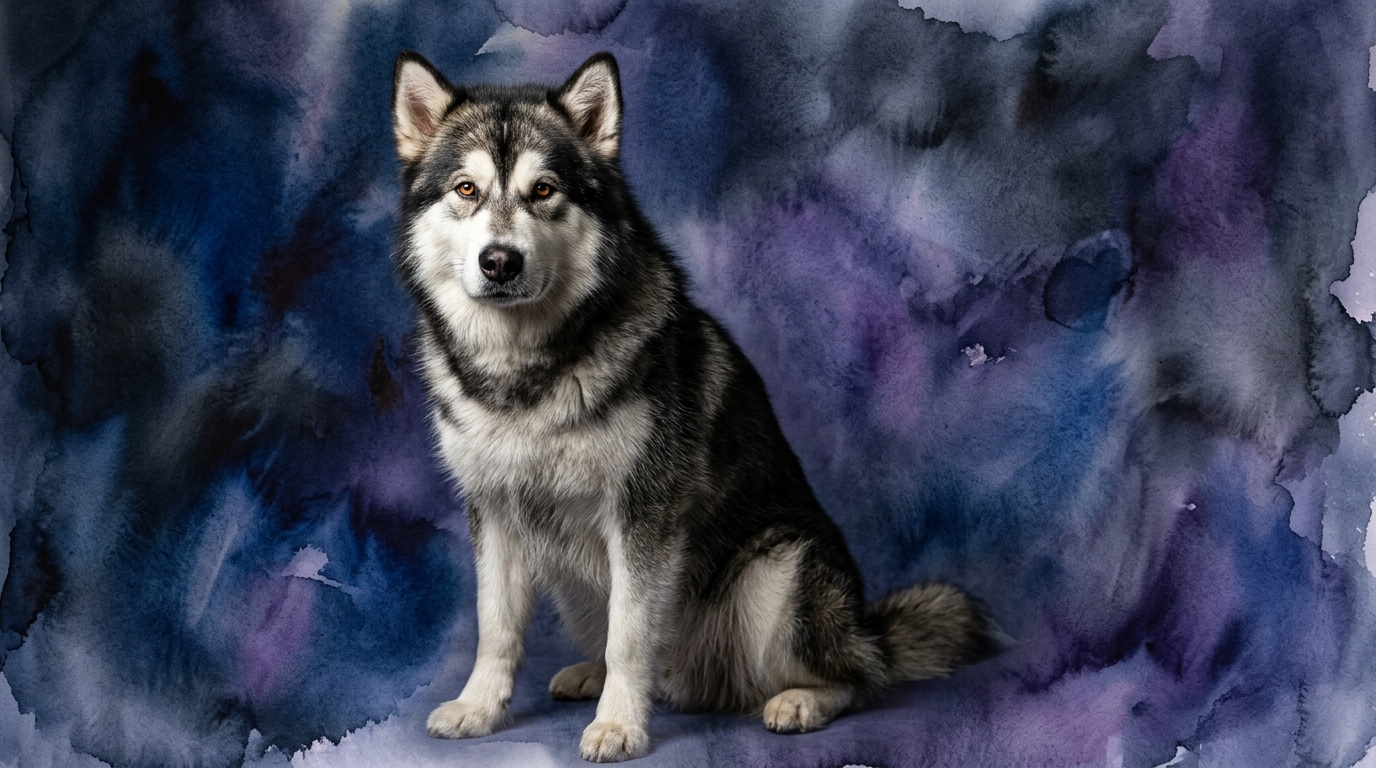
In contrast, the Alaskan Malamute, a Working group breed ranking #50 on the Coren scale, presents a different set of cognitive strengths tailored to its historical role: Problem Solving 4/5, Training Speed 2/5, Social Intelligence 3/5, Instinctive Drive 5/5, and Memory 4/5. While sharing some high scores, particularly in problem-solving and memory, the variations in social intelligence and training speed are particularly noteworthy, indicating distinct cognitive approaches.
Both breeds score a robust 4/5 in Problem Solving, suggesting a strong capacity for independent thought and finding solutions to novel challenges. For the Vizsla, this often manifests in cleverly navigating complex terrain during a hunt or figuring out how to retrieve a toy from an inaccessible spot. The Malamute's problem-solving prowess is typically seen in its ability to navigate treacherous trails, find resources in harsh environments, or strategically work with a team of dogs to overcome obstacles in sledding. Their methods may differ, but their capacity to adapt and strategize is equally present.
Memory, rated at 4/5 for both, indicates an excellent ability to retain information over time. A Vizsla will remember complex scent trails and the locations of various retrieves, as well as an extensive repertoire of commands and routines. The Alaskan Malamute's strong memory is crucial for recalling intricate sledding routes, remembering the layout of familiar territories, and understanding pack dynamics over extended periods. Both can learn and retain a vast amount of information, from specific hand signals to the routines of their human companions.
However, the most significant cognitive distinctions emerge in Training Speed and Social Intelligence. The Vizsla's 4/5 Training Speed and perfect 5/5 Social Intelligence underscore its eagerness to please and strong desire to collaborate with humans. This breed thrives on interaction and finds motivation in shared tasks and positive reinforcement from its handler. Conversely, the Alaskan Malamute's 2/5 Training Speed and 3/5 Social Intelligence reflect a more independent, self-reliant nature. While capable of learning, the Malamute often requires greater patience and compelling motivation, preferring to assess situations and act on its own initiative rather than always seeking human direction.
Where the Vizsla's Mind Excels
The Vizsla's cognitive strengths truly shine in scenarios demanding close partnership and rapid adaptation to human cues. Its 5/5 social intelligence translates into an almost intuitive understanding of human intentions and emotions, making it exceptionally responsive to subtle commands and changes in its owner's demeanor. This breed thrives on working in tandem, eagerly anticipating the next instruction and finding immense satisfaction in shared accomplishments. Their strong desire for interaction means they are constantly 'checking in' with their human, making them highly attuned partners in complex activities.
Coupled with its 4/5 training speed, the Vizsla quickly grasps new concepts and complex sequences, often requiring fewer repetitions than many other breeds. This ability makes them adept at advanced obedience, agility, and intricate field work where precision and immediate response are paramount. They do not just perform tasks; they engage mentally with the process, making them excellent candidates for roles requiring nuanced communication and a proactive approach to learning.
Where the Alaskan Malamute's Mind Dominates
The Alaskan Malamute’s cognitive profile, particularly its high 5/5 instinctive drive and 4/5 problem solving, highlights a mind built for endurance, resilience, and independent decision-making in challenging environments. Their instinctive drive is profoundly geared towards sustained physical effort and resourcefulness, a legacy of their sled-pulling and survival heritage. This manifests as a remarkable capacity for sustained focus on a task, even when external motivators are not immediately present, relying on intrinsic satisfaction from the work itself.
While their social intelligence is lower at 3/5, it doesn't imply a lack of affection, but rather a more selective and independent approach to interaction. This independence fosters a strong sense of self-preservation and the ability to make sound judgments without constant human oversight, crucial for a breed that historically navigated vast, harsh terrains. Their problem-solving often involves assessing environmental cues and strategizing the most efficient path or action, demonstrating a deep understanding of their surroundings and physical capabilities.
Training Dynamics: Vizsla Responsiveness vs. Malamute Resolve
When considering ease of training, the Vizsla clearly holds an advantage due to its higher Training Speed (4/5) and exceptional Social Intelligence (5/5). A Vizsla learns rapidly because it genuinely enjoys the interaction and the process of working with its human. They are highly motivated by praise, play, and positive reinforcement, eager to offer desired behaviors and quickly form associations between commands and actions. Their inherent desire to be a cooperative partner means they are typically very biddable, making them a joy for even novice trainers.
The Alaskan Malamute, with its 2/5 Training Speed and 3/5 Social Intelligence, presents a different training experience. While capable of learning, the Malamute is often described as having a 'what's in it for me?' attitude. They are not inherently driven to please humans in the same way a Vizsla is; instead, they operate more from a place of self-interest and independent thought. This often translates into needing very clear, consistent, and highly motivating rewards to maintain focus and compliance. Their independence can be perceived as stubbornness, requiring a patient, confident trainer who understands how to leverage their natural drives without resorting to force, which can be counterproductive. Behavioral differences such as a strong prey drive and a tendency to 'test' boundaries are more pronounced in Malamutes, demanding consistent leadership and well-structured training sessions.
Matching Breeds to Owner Lifestyles: Active Engagement vs. Robust Independence
For owners seeking an intensely engaged and responsive companion for active pursuits, the Vizsla is an exceptional fit. Their boundless energy and desire for constant interaction mean they thrive with owners who can integrate them into nearly every aspect of their active lives, from trail running and hiking to dog sports and extensive field work. They require not just physical exercise but also significant mental engagement, enjoying complex tasks and training challenges that utilize their sharp minds and keen senses. A Vizsla is at its best when it feels like a true partner, sharing experiences and receiving consistent attention and direction.
The Alaskan Malamute also demands a highly active owner, but one who appreciates a more independent spirit and robust physical capability. They are built for endurance and thrive on long, strenuous activities like skijoring, carting, or extended hikes in varied terrain. While they enjoy human companionship, their social intelligence rating suggests they are content with a slightly more 'hands-off' approach compared to the Vizsla, often preferring to work alongside rather than constantly seeking direct instruction. Owners must be prepared for their strong instinctive drives, including digging and a formidable prey drive, and provide outlets that satisfy these inherent needs, understanding that a Malamute's fulfillment comes from purposeful, often physically demanding, independent activity.
The Verdict
Choose the Vizsla if you desire a highly responsive, socially intelligent, and biddable partner eager for close collaboration in various activities and training disciplines.
Opt for the Alaskan Malamute if you are an experienced, active owner who values an independent, enduring, and resourceful companion capable of strenuous, self-directed endeavors.
🧠 Find Your Pet's IQ Score
Our Pet IQ Lab assessment covers 25+ tests across 5 cognitive dimensions — personalized to your breed.
Take the Full IQ Test →Frequently Asked Questions
Which breed is better for first-time dog owners?
The Vizsla is generally a better choice for first-time dog owners due to its higher training speed and social intelligence, making it more responsive to commands and eager to please. The Malamute's independent nature and specific training needs can be challenging for those new to dog ownership.
Do both breeds require a lot of exercise?
Yes, both the Vizsla and the Alaskan Malamute are high-energy breeds that require substantial daily exercise to maintain physical and mental well-being. Both will become destructive or anxious if their exercise needs are not adequately met, though their preferred types of activity may differ.
How do their problem-solving skills differ in practical application?
While both score 4/5 in problem solving, the Vizsla often applies it to cooperative tasks like figuring out a complex retrieve, whereas the Malamute uses it more for independent navigation, resource acquisition, or strategic movement in challenging environments, reflecting their distinct historical roles.