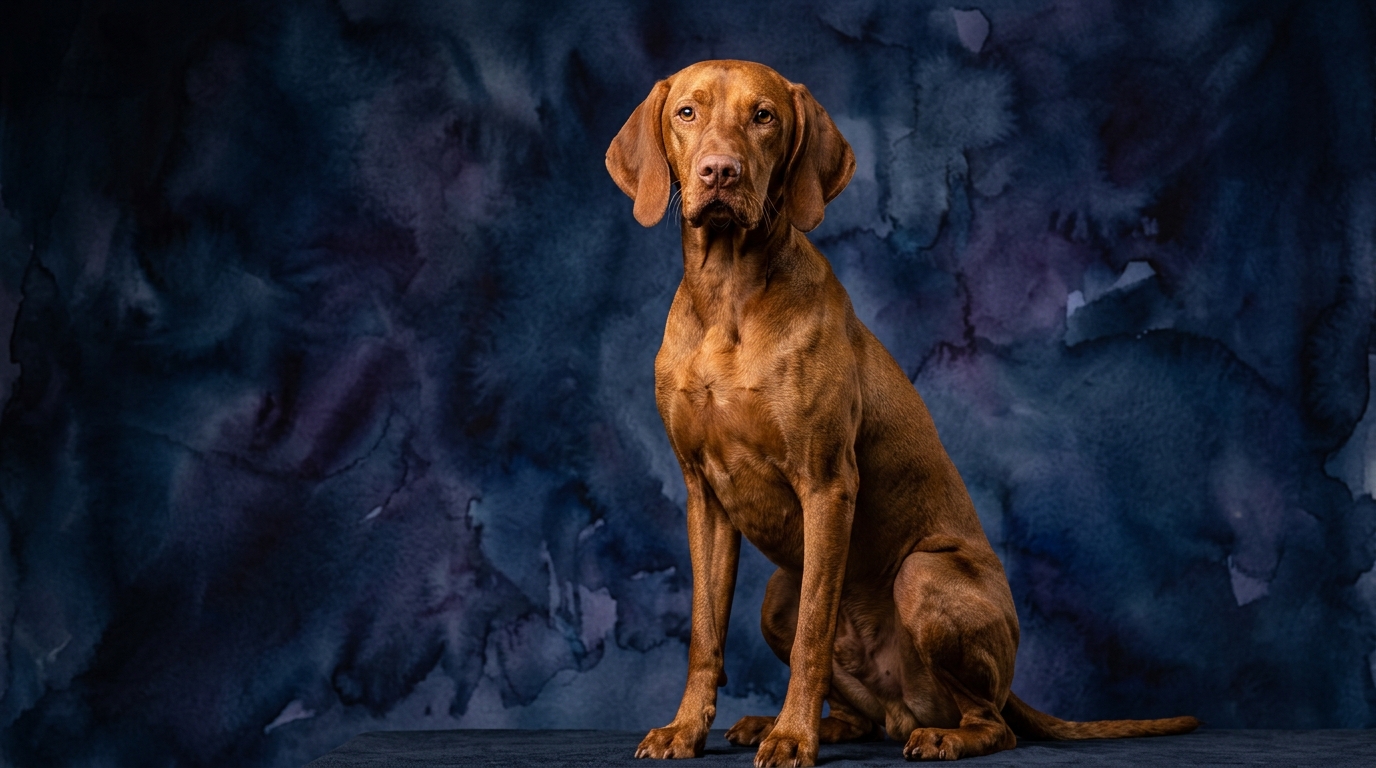
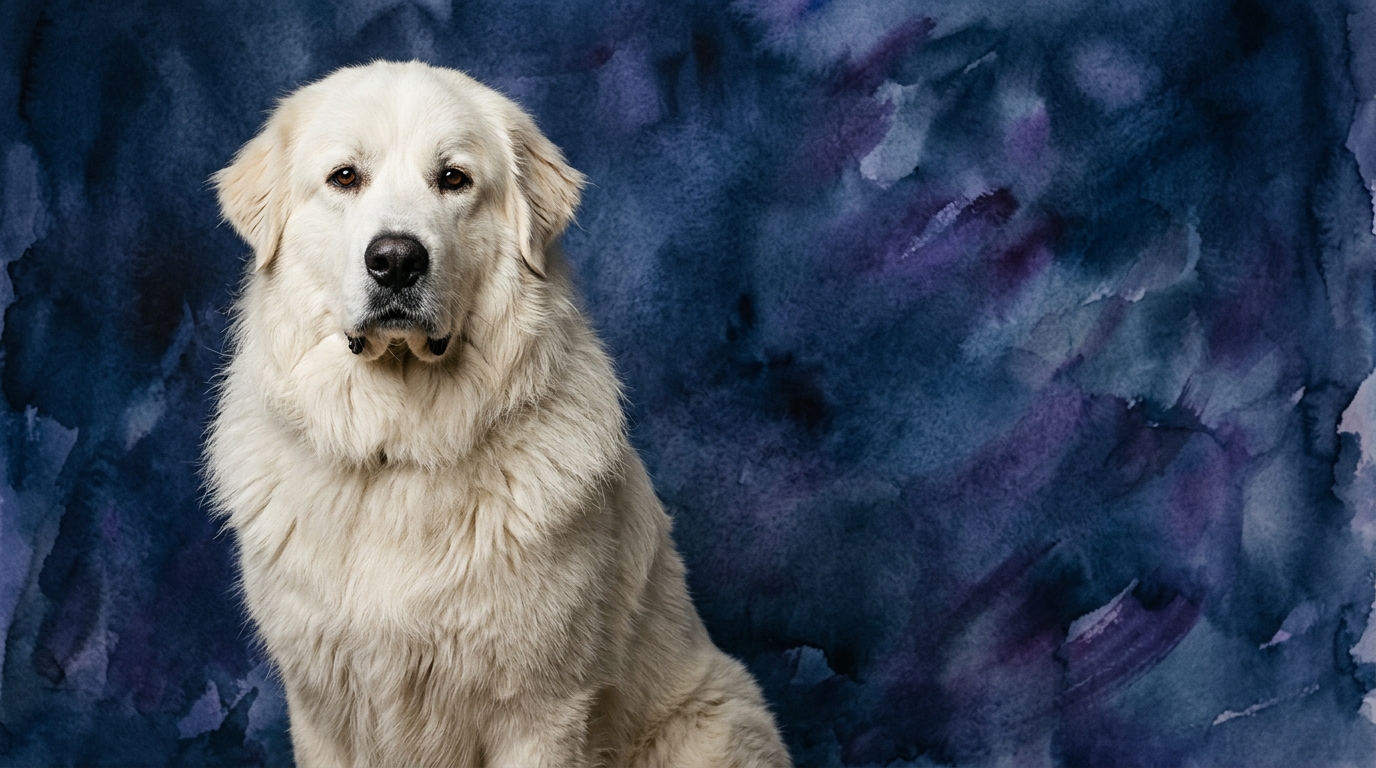
Side-by-Side IQ Profile: Vizsla vs. Great Pyrenees
The Vizsla, a breed refined for hunting, exhibits a compelling cognitive profile. Their Problem Solving is rated 4/5, indicating a strong capacity to navigate complex situations and adapt strategies in pursuit of a goal. Training Speed, also at 4/5, reflects their eagerness to learn and retain commands, often driven by a desire to work alongside their human companions. Their Social Intelligence peaks at 5/5, showcasing an exceptional ability to interpret human cues, form deep bonds, and seamlessly integrate into family dynamics. An Instinctive Drive of 5/5 underscores their powerful prey drive and unwavering focus in the field, while their Memory, at 4/5, allows them to recall intricate tasks and learned behaviors effectively over time.
In contrast, the Great Pyrenees, bred for solitary guardianship, presents a distinctly different intellectual makeup. Their Problem Solving stands at 3/5, demonstrating practical intelligence geared towards assessing threats and protecting their flock or family, though not necessarily in a way that seeks human direction. Training Speed is 3/5, reflecting an independent nature that prioritizes self-reliance over immediate obedience to commands, often weighing the utility of a request. Social Intelligence, at 3/5, points to a discerning approach to relationships; they form strong bonds but maintain a certain aloofness, observing rather than constantly engaging. Their Instinctive Drive, also 3/5, is centered on vigilance and protection rather than active pursuit, while their Memory, rated 3/5, supports their ability to remember territories, routines, and perceived threats within their domain.
Where the Vizsla Excels Cognitively
The Vizsla’s cognitive strengths are profoundly tied to their role as a versatile hunting partner. Their 4/5 in Problem Solving allows them to quickly figure out how to retrieve game from challenging terrain or navigate complex scent trails, demonstrating adaptive thinking crucial for their work. This breed’s 5/5 Social Intelligence makes them exceptionally attuned to human emotions and intentions, enabling them to anticipate commands and respond with enthusiasm, fostering a highly communicative partnership. Furthermore, their 5/5 Instinctive Drive isn't just about prey; it translates into an intense focus and stamina for any task presented, making them relentless in their efforts and quick to master new skills. Their 4/5 Memory ensures that once a task or route is learned, it is not easily forgotten, allowing for consistent performance in various environments and scenarios.
Where the Great Pyrenees Excels Cognitively
The Great Pyrenees’ cognitive prowess is finely tuned for independent decision-making and vigilance. While their scores might appear lower in traditional metrics, their 3/5 Problem Solving reflects an unparalleled ability to independently assess threats and strategize protection without human intervention, a critical trait for a solitary guardian. This isn't about solving puzzles for treats, but about determining the best course of action to protect their charges in a dynamic environment. Their 3/5 Instinctive Drive manifests as unwavering watchfulness and a deep-seated sense of responsibility, allowing them to patrol vast areas and react appropriately to perceived dangers. This independent nature, often misinterpreted as stubbornness, is a cognitive strength, enabling them to make sound judgments in the absence of direct command, a quality essential for a livestock guardian dog operating autonomously for extended periods.
Which is Easier to Train and Why
Between these two breeds, the Vizsla is generally considered significantly easier to train for traditional obedience and complex tasks. Their 4/5 Training Speed and 5/5 Social Intelligence mean they are eager to please and highly responsive to human direction. Vizslas thrive on interaction and mental stimulation, making them quick to pick up new commands and perform them reliably. Their strong desire to work with their owner, coupled with their high energy and focus, translates into a dog that actively seeks out training opportunities and excels in disciplines like agility, obedience, and field trials. They form strong bonds and are motivated by praise and partnership, making training a collaborative and rewarding experience.
The Great Pyrenees, with its 3/5 Training Speed and 3/5 Social Intelligence, presents a different training dynamic. Bred for independent thought and action, they are less inclined to blindly follow commands and more likely to evaluate a request based on their own perceived utility or safety. This doesn't mean they cannot be trained, but rather that training requires patience, consistency, and an understanding of their inherent self-reliance. They respond best to positive reinforcement and clear boundaries, but their guarding instincts often supersede a desire for strict obedience. For example, a Pyrenees might choose to bark at a perceived threat rather than immediately 'come' when called, prioritizing its guardian role over a command. Their independence means they are not always looking to their owner for direction, making traditional obedience a more challenging endeavor.
Which Suits Active Owners vs. Relaxed Owners
The Vizsla is an ideal match for active owners who relish an engaged partnership in physical and mental pursuits. Their high energy, 5/5 Instinctive Drive, and need for constant interaction mean they thrive with daily vigorous exercise, such as running, hiking, or field work. Owners who enjoy dog sports, long outdoor adventures, or simply having a devoted, energetic companion by their side will find the Vizsla a perfect fit. They require consistent mental stimulation and physical activity to prevent boredom and destructive behaviors, making them unsuitable for sedentary lifestyles. Their affectionate nature means they also crave close companionship and are happiest when integrated fully into family activities.
Conversely, the Great Pyrenees is better suited for owners who appreciate a more relaxed, independent companion, particularly those with ample space. While they require regular, moderate exercise to stay healthy, their activity level is generally lower than a Vizsla's, preferring to patrol their territory or lounge watchfully. Their independent nature makes them less demanding of constant human entertainment or structured activities. Owners who understand and respect a dog’s self-sufficient temperament, and who prioritize a watchful, protective presence over an eager-to-please performer, will find the Great Pyrenees a rewarding companion. They are content with a secure yard to survey and a calm home environment, making them a good choice for those seeking a majestic, steadfast guardian without the intense daily engagement demands of a sporting breed.
The Verdict
Choose the Vizsla if you seek an enthusiastic, highly trainable partner for active pursuits, thriving on close companionship and eager participation in family life.
Opt for the Great Pyrenees if you value an independent, watchful guardian who makes their own decisions, requiring less structured interaction but ample space to fulfill their protective instincts.
🧠 Find Your Pet's IQ Score
Our Pet IQ Lab assessment covers 25+ tests across 5 cognitive dimensions — personalized to your breed.
Take the Full IQ Test →Frequently Asked Questions
Do Vizslas and Great Pyrenees require similar amounts of mental stimulation?
No, their needs differ significantly. Vizslas, with their high problem-solving and training speed, require extensive mental stimulation through training, puzzles, and interactive play to prevent boredom. Great Pyrenees, while intelligent in their own right, are more content with independent patrolling and observation, requiring less structured mental engagement from their owners.
How does social intelligence impact their family life?
A Vizsla's 5/5 Social Intelligence means they are exceptionally attuned to family members, often forming deep, demonstrative bonds and seeking constant interaction. A Great Pyrenees' 3/5 Social Intelligence suggests a more reserved and independent bond; they are devoted protectors but may not constantly seek human attention, preferring to observe from a distance while remaining vigilant.
Which breed is better for a first-time dog owner?
For a first-time owner, a Vizsla might be more challenging due to their intense energy and need for consistent, advanced training and exercise. A Great Pyrenees, while independent, can also be challenging for a novice due to their strong guarding instincts and stubbornness in traditional obedience. Both breeds benefit from experienced owners who understand their unique needs.