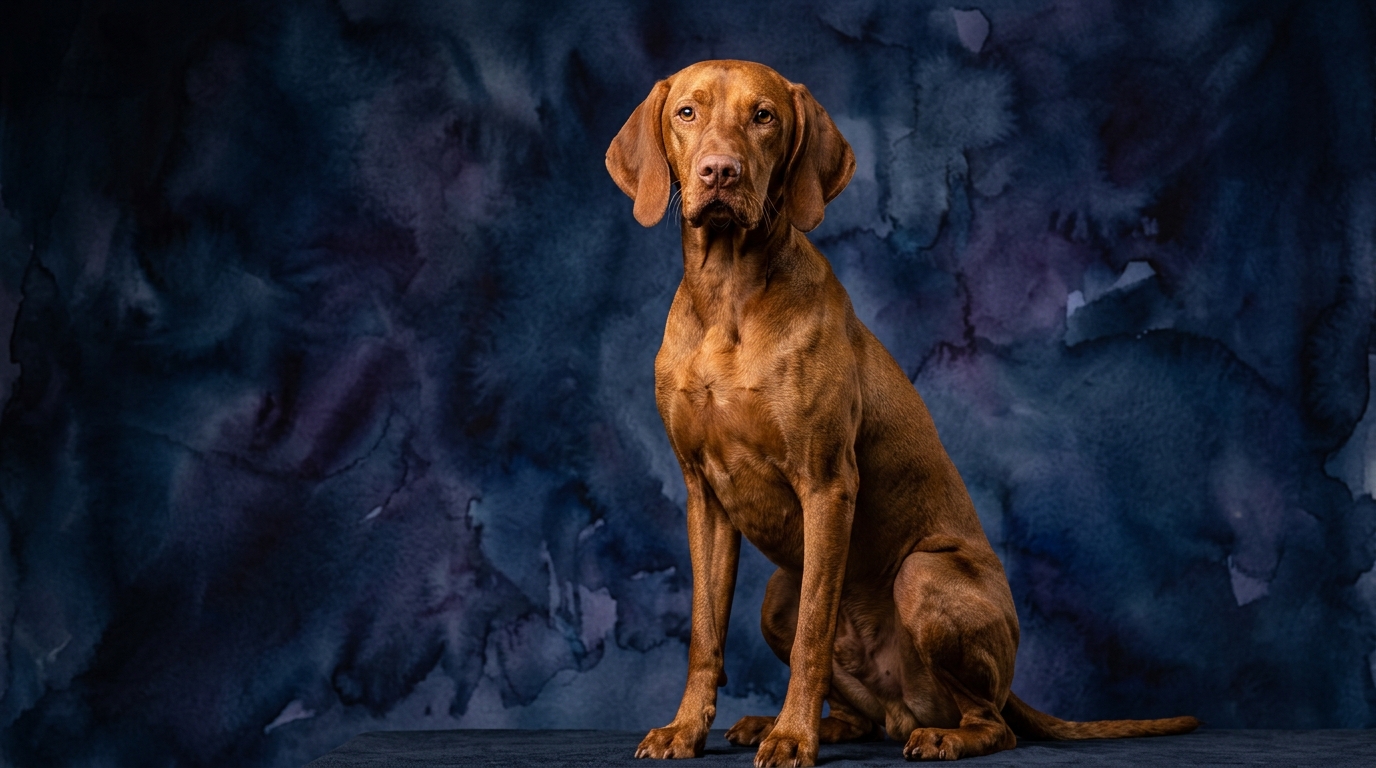
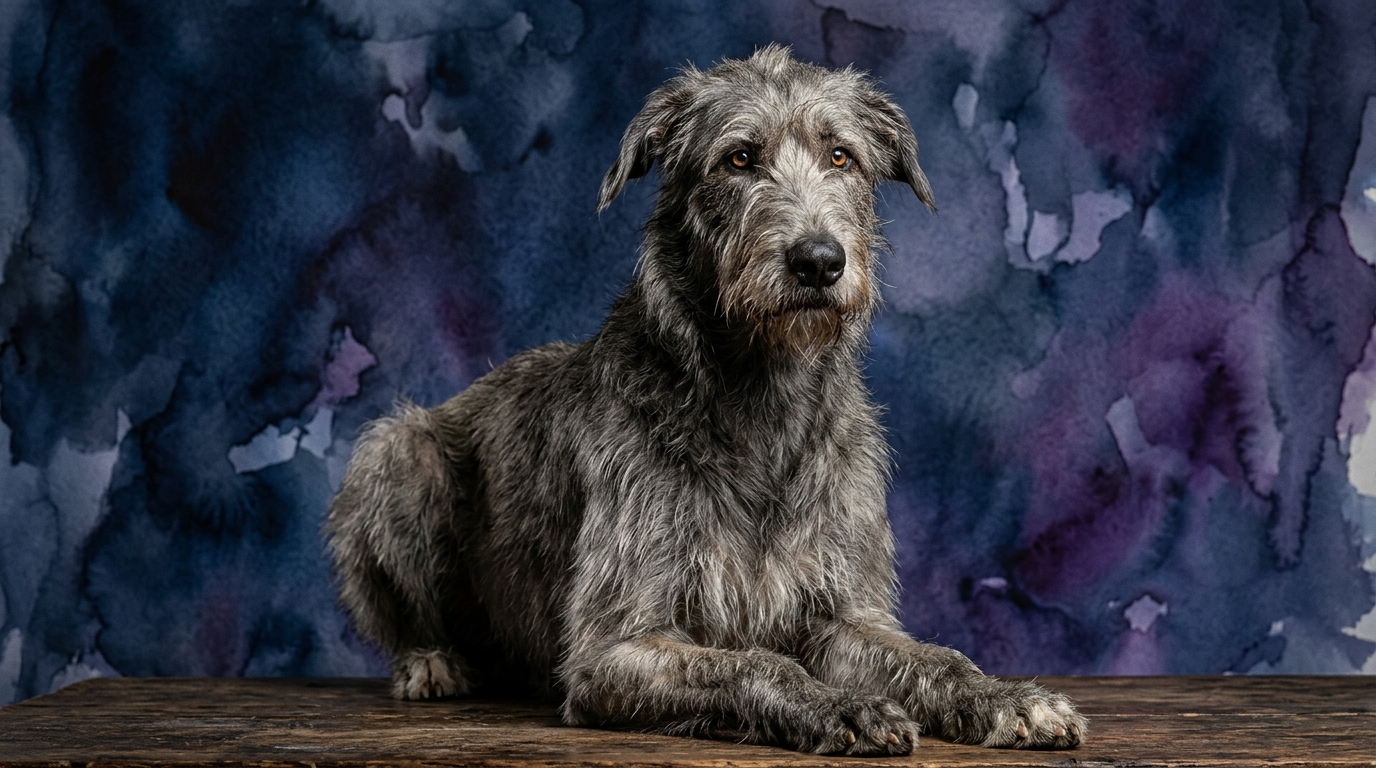
Side-by-Side Cognitive Profiles: Vizsla vs. Irish Wolfhound
At The Cosmic Pet Pet IQ Lab, we assess canine intelligence across five critical dimensions to provide a nuanced understanding beyond simple rankings. The Vizsla, a Sporting Group dog, holds a Coren rank of #31, indicating a strong capacity for obedience and working intelligence. Its profile reveals a highly engaged and adaptable mind.
The Vizsla's Problem Solving ability is rated at 4/5. This breed exhibits a keen aptitude for navigating complex environments and devising strategies, particularly when it involves scent work or retrieving. Their decisions are often quick and efficient, reflecting a practical intelligence honed for collaboration in the field. Training Speed for the Vizsla stands at 4/5, meaning they assimilate new commands and routines with impressive rapidity, often requiring fewer repetitions than many other breeds. This quick uptake is fueled by their desire to engage and please their human partners.
Social Intelligence in the Vizsla is exceptional, scoring 5/5. They form deep, empathetic bonds, are highly attuned to human emotions and body language, and often anticipate their owner's needs or moods. This makes them incredibly responsive companions. Their Instinctive Drive, also 5/5, is a powerful force, encompassing a strong prey drive, an innate desire to hunt, retrieve, and a tireless work ethic. This drive is a core component of their cognitive makeup, directing much of their problem-solving and focus. Memory for the Vizsla is rated 4/5, indicating a strong ability to recall learned behaviors, complex sequences, and specific locations, which is invaluable in their working roles.
In contrast, the Irish Wolfhound, a member of the Hound Group, is not listed in Coren's top rankings, which primarily focuses on obedience and working intelligence. Our IQ Lab assessment paints a picture of a more independent and deliberate cognitive style, reflecting its ancient sighthound heritage.
The Irish Wolfhound's Problem Solving ability is rated at 3/5. While capable, their approach tends to be more thoughtful and less impulsive than the Vizsla's. They might take longer to assess a situation and devise a solution, often relying on observation and a calm, unhurried demeanor. Their Training Speed is also 3/5, suggesting they require more patience and consistency during training sessions. While they do learn, they may not show the same eagerness for rapid repetition or immediate compliance, preferring to process commands at their own pace.
Social Intelligence for the Irish Wolfhound is 3/5. They are gentle and affectionate with their families, forming quiet, devoted bonds, but their social engagement is often more reserved compared to the effusive Vizsla. They can be discerning with strangers and possess a dignified independence. Their Instinctive Drive, rated 3/5, is primarily rooted in their sighthound heritage – a powerful urge to pursue moving objects over long distances, but less of a general 'work' drive or retrieving instinct. Their impressive size and quiet nature contribute to a different kind of presence. Memory for the Irish Wolfhound is 3/5, solid for routines and familiar contexts, but perhaps not as adept at recalling intricate sequences or complex commands over extended periods without reinforcement.
Where the Vizsla's Cognition Shines Brightest
The Vizsla's cognitive strengths are particularly evident in dynamic, interactive tasks. Their 4/5 problem-solving, coupled with a 5/5 instinctive drive, means they excel at tasks requiring quick analysis and decisive action, such as navigating agility courses or engaging in complex scent discrimination. They are adept at 'reading' their environment and their handler, often anticipating the next step in a sequence or game.
Their superior social intelligence (5/5) allows them to form an almost telepathic bond with their owners, making them incredibly responsive to subtle cues. This cognitive empathy translates into a dog that not only understands commands but also seems to grasp the intent behind them, making for a highly collaborative partnership in activities ranging from advanced obedience to search and rescue. The Vizsla's quick training speed ensures that new challenges are met with enthusiasm and rapid mastery.
The Unique Cognitive Strengths of the Irish Wolfhound
While not as overtly demonstrative in their intelligence, the Irish Wolfhound possesses a distinct cognitive elegance. Their 3/5 problem-solving manifests as a deliberate, thoughtful approach. They are less prone to impulsive decisions and often observe situations carefully before acting, which can be a valuable trait in certain domestic contexts, such as calmly assessing unfamiliar visitors or new environments.
The Irish Wolfhound's social intelligence, while rated 3/5, is characterized by a quiet dignity and a profound, albeit reserved, affection for their family. They are not 'needy' in the same way a Vizsla might be, demonstrating a self-possessed calm that is a cognitive strength in itself. Their independence allows them to be comfortable with their own company, a trait that can be beneficial for owners who cannot provide constant stimulation. Their instinctive drive, while specific to sighthound pursuits, means they are incredibly focused and powerful when engaged in what they were bred for, demonstrating a deep, ancient form of cognitive programming.
Training Dynamics: Vizsla's Eagerness vs. Wolfhound's Deliberation
When it comes to training, the Vizsla’s 4/5 training speed and 5/5 instinctive drive make them generally easier to teach. They possess an inherent eagerness to please and a high motivation for engagement, particularly when training incorporates elements of their natural drive like retrieving or scent work. Their rapid assimilation of commands means they can progress quickly through various levels of obedience and specialized tasks, thriving on consistent, positive reinforcement that taps into their desire for partnership. Behavioral differences such as their high energy and focused attention allow them to maintain concentration for longer periods during structured learning sessions.
The Irish Wolfhound, with a 3/5 training speed, requires a different approach. Their deliberate nature means they may take longer to process and internalize commands, often needing more repetitions and patience. They respond best to calm, consistent methods that build trust rather than relying on high-energy engagement. Their training is more about fostering a bond and mutual respect, rather than simply eliciting a rapid response. Owners might find that while the Vizsla is quick to offer behaviors, the Irish Wolfhound is more likely to choose to comply once they understand and trust the request, making their cooperation feel like a thoughtful decision rather than an immediate reaction.
Matching Canine Cognition to Lifestyle: Active vs. Relaxed Owners
The Vizsla’s cognitive profile aligns perfectly with active, engaged owners. Their 5/5 instinctive drive and high energy demand outlets that challenge both body and mind. Owners who enjoy running, hiking, dog sports like agility or flyball, or who are keen on advanced obedience or field work will find a highly capable and enthusiastic partner in a Vizsla. Their social intelligence means they thrive on constant interaction and can become anxious or destructive if left unstimulated, requiring owners who are prepared to integrate their dog into almost all aspects of their active lives.
Conversely, the Irish Wolfhound's more reserved cognitive style and moderate instinctive drive make them better suited for relaxed owners. While they require regular, steady exercise to maintain their large frames, they are not dogs that demand constant high-intensity activity. Owners who appreciate a calm, dignified presence in the home, enjoy long, leisurely walks, and have ample space for a giant breed will find the Irish Wolfhound a wonderful companion. Their lower social intelligence score indicates they are content with a quieter form of companionship, often happy to simply be near their family rather than demanding constant, interactive play.
The Verdict
Choose a Vizsla if you are an active, committed owner seeking a highly interactive, quick-learning partner for sports, outdoor adventures, and advanced training, thriving on deep partnership and constant engagement.
Choose an Irish Wolfhound if you appreciate a calm, dignified, and independent companion, are prepared for their considerable size, and desire a gentle giant for relaxed companionship and steady, moderate exercise.
🧠 Find Your Pet's IQ Score
Our Pet IQ Lab assessment covers 25+ tests across 5 cognitive dimensions — personalized to your breed.
Take the Full IQ Test →Frequently Asked Questions
Is the Vizsla suitable for first-time dog owners?
Vizslas are very responsive and eager to please, making them trainable for first-time owners who are prepared for their high energy, strong instinctive drive, and need for consistent mental and physical stimulation. Their social intelligence helps them bond quickly, but their demands require dedication.
Do Irish Wolfhounds require a lot of exercise despite their calm demeanor?
Yes, despite their calm house presence, Irish Wolfhounds require regular, moderate exercise to maintain their health and powerful physique. This usually includes long, brisk walks or opportunities to gallop in a secure area, but they are not generally suited for high-intensity, prolonged activities like a Vizsla.
Which breed is better with children?
Both breeds can be excellent with children when properly socialized and trained. The Vizsla's high social intelligence and playful nature make them eager companions, though their energy needs careful management around very young children. The Irish Wolfhound's gentle, patient demeanor and imposing size can make them seem like a protective presence, but supervision is always key with any large breed and children.