Side-by-Side Cognitive Profiles
At The Cosmic Pet Pet IQ Lab, we evaluate canine intelligence across five critical dimensions to provide a nuanced understanding of each breed's mental makeup. For the Vizsla, a Sporting breed, and the Miniature Pinscher, a Toy breed, their scores reflect their heritage and inherent capabilities.
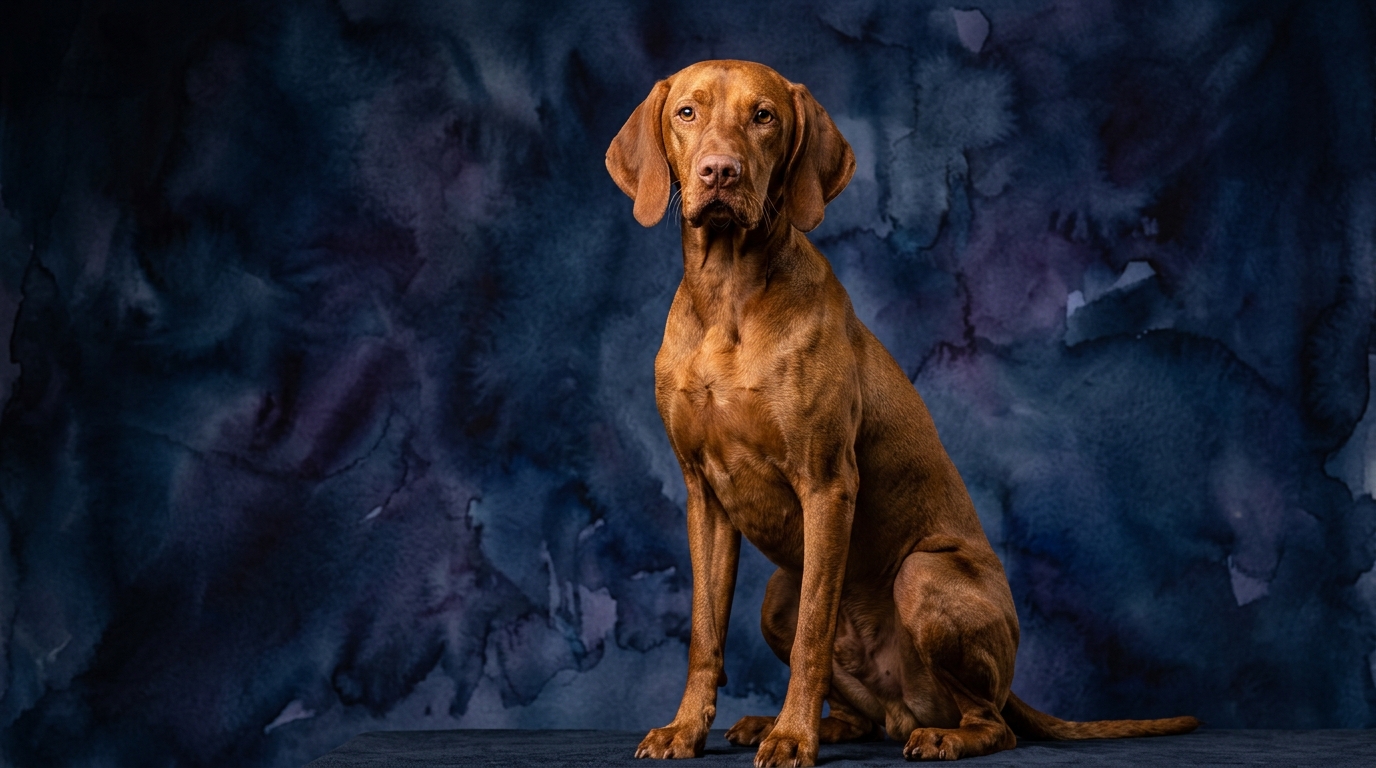
The Vizsla, with a Coren ranking of #31, showcases a robust cognitive profile: Problem Solving (4/5), Training Speed (4/5), Social Intelligence (5/5), Instinctive Drive (5/5), and Memory (4/5). These dogs demonstrate a strong capacity for navigating complex situations, often finding creative solutions to reach a goal, whether it's retrieving an object from a tricky spot or figuring out a puzzle toy. They typically grasp new commands and routines with impressive swiftness, eager to please and quick to form associations between actions and outcomes. Their profound attunement to human emotions and social cues allows them to forge deep bonds, understanding subtle changes in mood and anticipating human intentions. This breed possesses an exceptional inherent motivation for tasks related to their sporting heritage, showcasing intense focus and persistence in activities like tracking, retrieving, or agility. Vizslas retain learned behaviors, routes, and associations over extended periods, making their training durable and their recall reliable even after breaks.
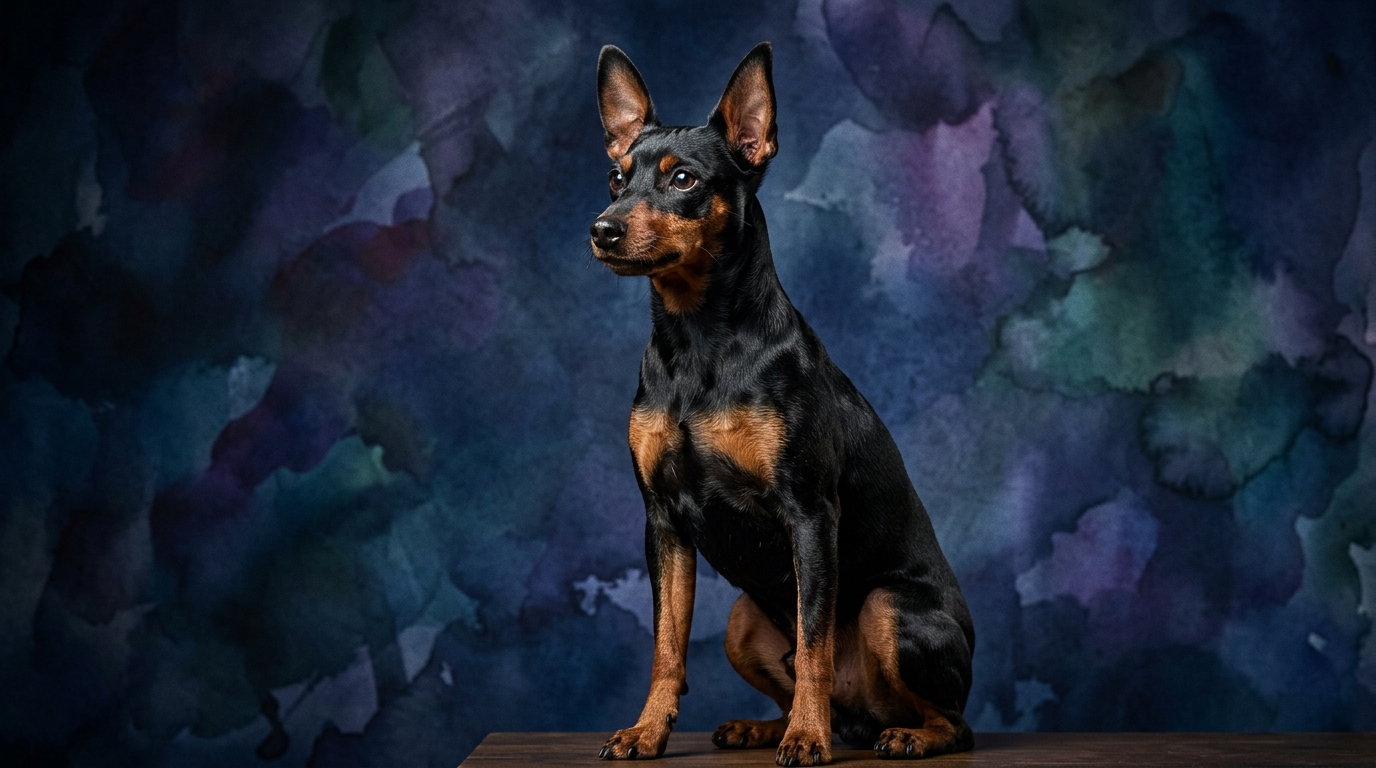
The Miniature Pinscher, while not Coren-ranked, presents a consistent, moderate cognitive profile: Problem Solving (3/5), Training Speed (3/5), Social Intelligence (3/5), Instinctive Drive (3/5), and Memory (3/5). Miniature Pinschers exhibit a moderate ability to tackle novel challenges, often relying on trial and error or their natural assertiveness to overcome obstacles, though perhaps less systematically than some breeds. While capable of learning, their training progression tends to be steady rather than rapid, requiring consistent, patient reinforcement to ingrain new behaviors. They are generally aware of their human companions and can form affectionate bonds, but their social intuition might be less pronounced, leading to a more independent demeanor. Their inherent motivations lean towards alertness and self-preservation, with a moderate drive for specific 'work' tasks, often preferring to engage on their own terms rather than being intensely driven by a handler's directives. Miniature Pinschers typically remember commands and routines adequately, though their retention might benefit from regular refreshers, especially for less frequently practiced behaviors.
Where the Vizsla Cognitively Excels
The Vizsla's cognitive strengths shine brightly, particularly in areas demanding cooperation, drive, and social finesse. Their 5/5 Social Intelligence means they are exceptionally attuned to human communication, not just verbal cues but also body language and emotional states. This allows for a partnership that feels almost telepathic, making them highly responsive companions in both daily life and complex activities. Coupled with a 5/5 Instinctive Drive, they possess an unwavering focus and persistence when engaged in tasks, whether it's navigating an agility course, scent tracking, or retrieving. This isn't merely about physical energy; it's a cognitive tenacity that enables them to overcome distractions and work towards a goal with remarkable determination. Their 4/5 Problem Solving and Training Speed further complement this, allowing them to quickly understand and execute multi-step commands or adapt to new training scenarios with an eagerness that accelerates the learning process. For owners seeking a dog capable of intricate teamwork and sustained mental effort, the Vizsla's profile offers a profound advantage in cognitive engagement.
Where the Miniature Pinscher's Profile Shines
While the Miniature Pinscher's cognitive scores might appear lower on a universal scale, their specific profile offers distinct advantages for certain lifestyles and preferences. Their 3/5 Social Intelligence can translate into a charming independence; they are affectionate but often less prone to intense separation anxiety or constant demand for human interaction, which can be a significant benefit for owners who appreciate a dog with a strong sense of self. Their 3/5 Instinctive Drive, rather than being a deficit, means they are typically not burdened by an overwhelming need for intense 'work' tasks. This allows them to thrive in environments where their primary role is companionship and alert guardianship, rather than demanding complex problem-solving or physical tasks for mental fulfillment. Their moderate Problem Solving (3/5) often manifests as resourceful cleverness in navigating their immediate environment or outsmarting a perceived threat, rather than solving abstract puzzles. This self-reliant cognitive posture, combined with their natural alertness, makes them excellent, albeit sometimes opinionated, watchdogs who can assess situations and react with a confident, independent spirit. For those seeking a spirited, self-possessed companion who doesn't require constant, high-level mental engagement to prevent boredom, the Miniature Pinscher's cognitive makeup presents a unique and desirable set of traits.
Training Dynamics: Which Breed Learns More Readily?
When comparing ease of training, the Vizsla generally holds a distinct advantage, primarily due to its higher scores in Training Speed (4/5) and Social Intelligence (5/5). A Vizsla's deep desire to cooperate and its acute sensitivity to human cues mean it is often intrinsically motivated to learn and please its handler. They quickly grasp what is expected of them, forming strong positive associations with training sessions, which translates into rapid command acquisition and retention. Their strong Instinctive Drive also means they can be highly motivated by specific tasks, making reward-based training exceptionally effective for channeling their energy. In contrast, the Miniature Pinscher's 3/5 Training Speed and 3/5 Social Intelligence suggest a more independent and potentially less overtly cooperative learner. While capable, a Min Pin might require more patience, creativity, and consistency from its trainer. Their lower social intelligence means they might not be as eager to please, and their moderate instinctive drive might not align as readily with human-initiated tasks. Training a Miniature Pinscher often involves navigating their spirited, sometimes stubborn nature, requiring a firm yet fair approach that respects their independent streak, rather than relying on a strong inherent desire for partnership during learning.
Matching Cognitive Needs to Owner Lifestyles
The cognitive profiles of these two breeds clearly delineate their suitability for different owner activity levels. The Vizsla, with its 5/5 Instinctive Drive, 4/5 Problem Solving, and 4/5 Memory, is a natural fit for active owners. These dogs possess an inherent need for purposeful engagement that extends far beyond a simple walk around the block. They thrive when given opportunities to use their bodies and minds in tandem, excelling in activities like hunting, agility, long-distance running, or complex obedience. An owner who can dedicate significant time daily to structured exercise, mental challenges, and consistent training will find the Vizsla a fulfilling and responsive partner. A less active or 'relaxed' owner, unable to meet this breed's substantial cognitive and physical demands, risks encountering behavioral issues stemming from boredom and unchanneled energy.
The Miniature Pinscher, conversely, with its more moderate scores across the board (all 3/5), is generally more adaptable to a range of lifestyles, including those of more relaxed owners. While they still require regular exercise and mental stimulation to prevent destructive behaviors, their needs are typically less intense and less task-oriented than a Vizsla's. Their independence means they might be content with shorter, brisk walks and engaging play sessions, rather than demanding hours of focused 'work.' A relaxed owner who enjoys interactive play and consistent, but not necessarily intense, daily engagement can find the Miniature Pinscher a spirited and manageable companion, providing they can still offer boundaries and consistent training to shape their confident personality.
The Verdict
If you are an active individual or family eager to deeply engage with a cooperative, driven, and highly social dog, capable of advanced training and demanding purposeful activities, the Vizsla will thrive as your dedicated partner.
If you appreciate a spirited, independent companion with a moderate need for structured activity, capable of alertness and self-reliance, and you are prepared to train with patience and consistency, the Miniature Pinscher will be a charming and lively addition to your home.
🧠 Find Your Pet's IQ Score
Our Pet IQ Lab assessment covers 25+ tests across 5 cognitive dimensions — personalized to your breed.
Take the Full IQ Test →Frequently Asked Questions
Is a Vizsla easy to live with for a first-time dog owner?
A Vizsla's high cognitive demands and strong drive can be challenging for a first-time owner if they aren't fully prepared for the commitment to consistent training, extensive exercise, and mental stimulation. They require a dedicated handler who understands their need for purpose.
Do Miniature Pinschers require a lot of mental stimulation?
Miniature Pinschers require moderate mental stimulation through play, puzzle toys, and consistent training to keep their minds engaged, but typically not the intense, task-oriented 'work' that breeds like the Vizsla demand. They benefit from boundaries and clear rules.
Which breed is more prone to separation anxiety?
Given the Vizsla's 5/5 Social Intelligence and deep bond with humans, they are often more prone to separation anxiety if not properly conditioned or left alone for extended periods. Miniature Pinschers, with their more independent social intelligence, might be less prone but still benefit from companionship.