Side-by-Side IQ Profile: Vizsla vs. Norwegian Elkhound
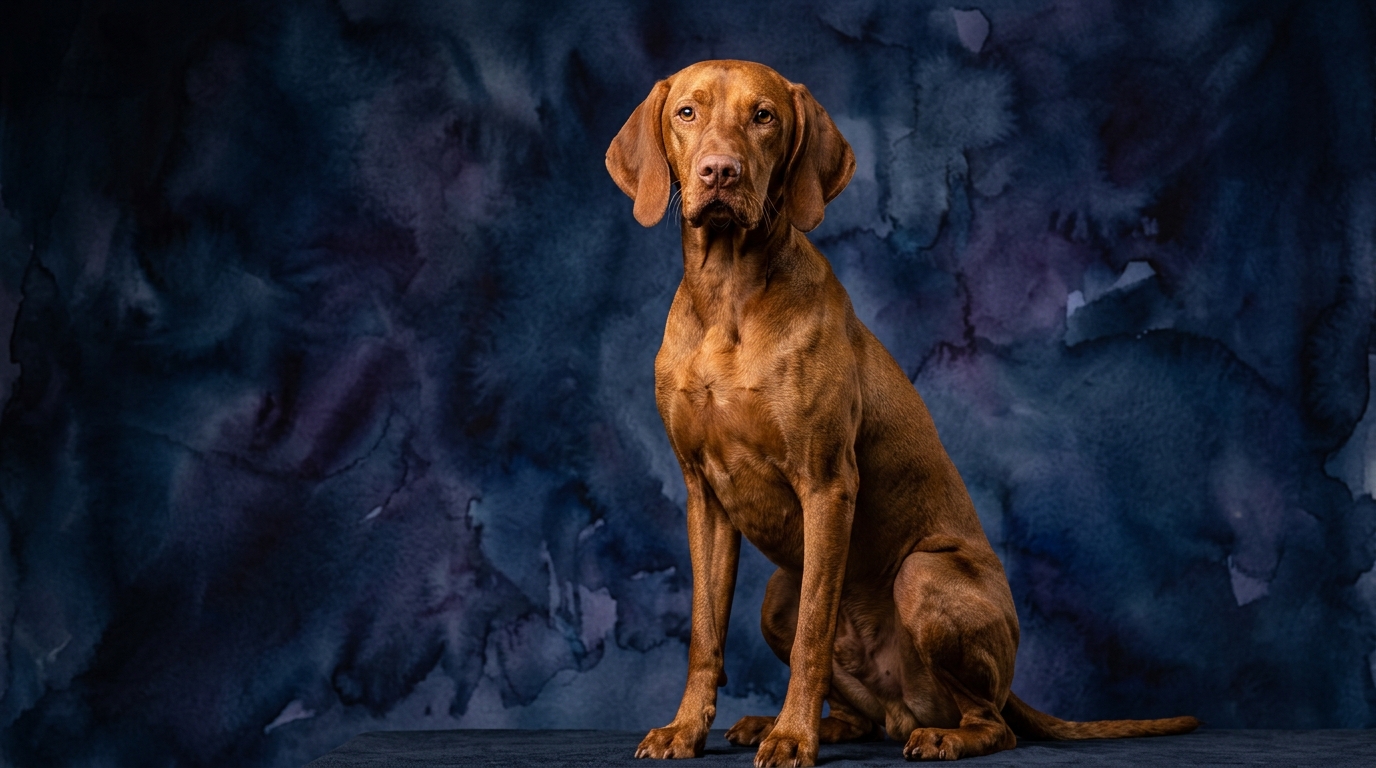
The Cosmic Pet Pet IQ Lab offers a nuanced look into canine cognition, assessing breeds across five crucial dimensions. For the sleek Vizsla, a Sporting Group dog, we observe a Coren rank of #31, marking them as highly receptive to learning and direction. Their Problem Solving is rated 4/5, indicating an aptitude for navigating complex situations, while their Training Speed also hits 4/5, reflecting their quick grasp of new commands and routines. Where the Vizsla truly shines is in Social Intelligence at a perfect 5/5, demonstrating an exceptional capacity for understanding human cues and forming deep bonds. This is complemented by an Instinctive Drive of 5/5, channeling their natural hunting instincts into cooperative tasks, and a Memory score of 4/5, allowing them to retain learned behaviors and experiences effectively.
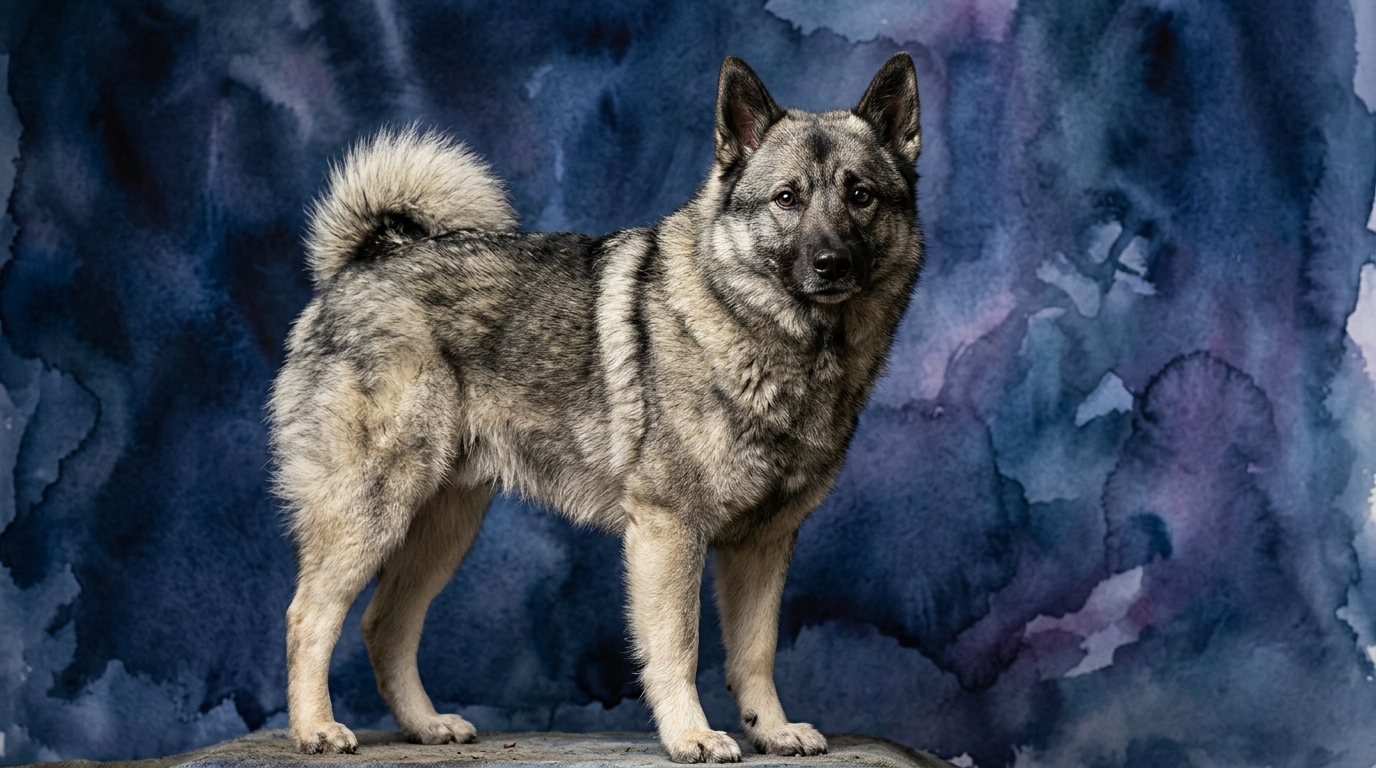
In contrast, the robust Norwegian Elkhound, a Hound Group member with a Coren rank of #36, presents a different cognitive blueprint. They share the Vizsla's strong Problem Solving ability at 4/5, suggesting similar capabilities in navigating challenges, and an identical Training Speed of 4/5, indicating they are equally capable of acquiring new skills. However, their Social Intelligence stands at 3/5, suggesting a more independent and perhaps less overtly people-focused demeanor compared to the Vizsla. Their Instinctive Drive is also rated 3/5, pointing to a drive that is more self-directed, focused on tracking and baying game rather than collaborative retrieval. A solid Memory score of 4/5 ensures they too can recall past lessons and experiences, crucial for their historical role as persistent hunters.
Where the Vizsla Wins Cognitively
The Vizsla's cognitive strengths are deeply rooted in their capacity for partnership and collaborative effort. Their perfect 5/5 Social Intelligence isn't merely about friendliness; it signifies an acute sensitivity to human emotions, intentions, and subtle body language. This cognitive attunement makes them exceptionally responsive to their handlers, transforming training into a highly interactive and rewarding exchange. Coupled with an Instinctive Drive of 5/5, their natural predispositions, such as scent work and retrieving, are powerfully channeled into activities shared with their human companion. This means a Vizsla's problem-solving and memory are often applied in contexts where human guidance is central, whether it's navigating an agility course, performing complex obedience routines, or working as a hunting partner, seeking constant validation and direction from their person. Their intellect is geared towards being an exceptional “team player.”
Where the Norwegian Elkhound Wins Cognitively
While the Elkhound's scores might appear less exuberant in social and instinctive drives, their cognitive strengths lie in a different domain: independent resilience and self-reliant problem-solving. With a Problem Solving score of 4/5, matched with a Social Intelligence of 3/5 and Instinctive Drive of 3/5, the Norwegian Elkhound is cognitively wired for sustained, autonomous work in challenging environments. Their intelligence is less about pleasing a human for every step and more about making sound decisions on their own, often at a distance from their handler, while tracking game through dense terrain. This independence, a hallmark of many hound breeds, means their memory and problem-solving skills are applied to persistent, solitary tasks, requiring them to hold a scent line, navigate obstacles, and make tactical choices without constant human prompting. Their cognitive architecture supports endurance and self-sufficiency in their work.
Which is Easier to Train and Why
When it comes to ease of training, the Vizsla generally presents a more straightforward path for most owners. Their Training Speed of 4/5, combined with an unparalleled Social Intelligence of 5/5 and a potent Instinctive Drive of 5/5, creates a dog that is inherently motivated to engage with and please its human. Vizslas thrive on interaction, praise, and the opportunity to work alongside their person. This strong desire for connection means they often interpret training sessions as opportunities for bonding and cooperative play, making them highly receptive to commands and eager to learn new tasks. They are quick to understand what is expected and readily offer behaviors that earn them positive reinforcement, leading to rapid skill acquisition and a strong foundation in obedience.
The Norwegian Elkhound, despite also having a Training Speed of 4/5, typically requires a more nuanced approach. Their Social Intelligence of 3/5 suggests a dog that values its independence and might not be as overtly driven by the desire to please or by constant human affirmation. Their Instinctive Drive of 3/5, while present, is often directed towards self-initiated tracking and exploration rather than readily channeling into human-directed tasks like retrieving on command. Training an Elkhound often involves patience, consistency, and a deep understanding of their independent nature. They are capable of learning, but they may question the necessity of a command or require more compelling motivation than a Vizsla to perform a task they perceive as less intrinsically rewarding. Owners might find success through game-based training that taps into their problem-solving skills and provides a sense of purpose, rather than relying solely on their desire for human approval.
Which Suits Active Owners vs. Relaxed Owners
Neither the Vizsla nor the Norwegian Elkhound are suited for truly “relaxed” owners in the sense of minimal daily engagement. Both breeds require significant physical and mental stimulation, but their ideal activities diverge based on their cognitive profiles. The Vizsla, with its high Social Intelligence (5/5) and Instinctive Drive (5/5), thrives with active owners who enjoy a deep, interactive partnership in their pursuits. They excel in activities like running, hiking, agility, field trials, or dock diving, where they can work closely with their human and channel their boundless energy and desire to please into structured tasks. A Vizsla will not be content with just a yard; they need a “job” that involves their person, demanding a commitment to shared adventures and consistent mental engagement to prevent boredom and destructive behaviors.
The Norwegian Elkhound, while equally requiring an active lifestyle, suits owners who appreciate a companion with a robust, independent spirit. Their strong Problem Solving (4/5) and moderate Instinctive Drive (3/5) mean they are built for endurance and self-directed exploration. They are exceptional hiking partners, capable of covering vast distances, and enjoy activities like scent work or tracking where they can utilize their keen nose and independent decision-making. While they enjoy their family, their lower Social Intelligence (3/5) suggests they might be less demanding of constant interactive play and more content with patrolling the perimeter or engaging in sustained, self-motivated outdoor activity. Owners who enjoy long, vigorous outdoor excursions but don't necessarily require a dog constantly “checking in” for direction might find the Elkhound a superb fit. They need purposeful activity, but it can often be more autonomous.
The Verdict
Opt for a Vizsla if you seek an intensely bonded, highly cooperative canine partner for interactive sports, hunting, or a family companion who thrives on deep social engagement and shared activities.
Select a Norwegian Elkhound if you appreciate an independent, resilient companion for endurance activities and self-directed outdoor exploration, valuing their steadfast nature over constant effusive interaction.
🧠 Find Your Pet's IQ Score
Our Pet IQ Lab assessment covers 25+ tests across 5 cognitive dimensions — personalized to your breed.
Take the Full IQ Test →Frequently Asked Questions
Are Vizslas better for first-time owners due to their intelligence?
Vizslas are highly trainable and eager to please, making them responsive to direction, which can be beneficial for new owners. However, their intense need for social interaction and high energy levels demand a significant time commitment and consistent engagement, which can be challenging for inexperienced individuals.
Do Norwegian Elkhounds need less mental stimulation?
Norwegian Elkhounds possess strong problem-solving abilities and a persistent nature, meaning they absolutely require mental stimulation. While they might be less reliant on constant human interaction for their “job,” they still need outlets for their intelligence, such as scent games, puzzle toys, or varied outdoor exploration, to prevent boredom.
How does 'Instinctive Drive' differ between these two breeds in practice?
For a Vizsla (5/5), instinctive drive often manifests as an intense desire to retrieve, point, and work collaboratively with a hunter, channeling their prey drive into cooperative tasks. For a Norwegian Elkhound (3/5), their drive is more geared towards independent tracking and baying game over long distances, relying on their own judgment rather than constant human direction.