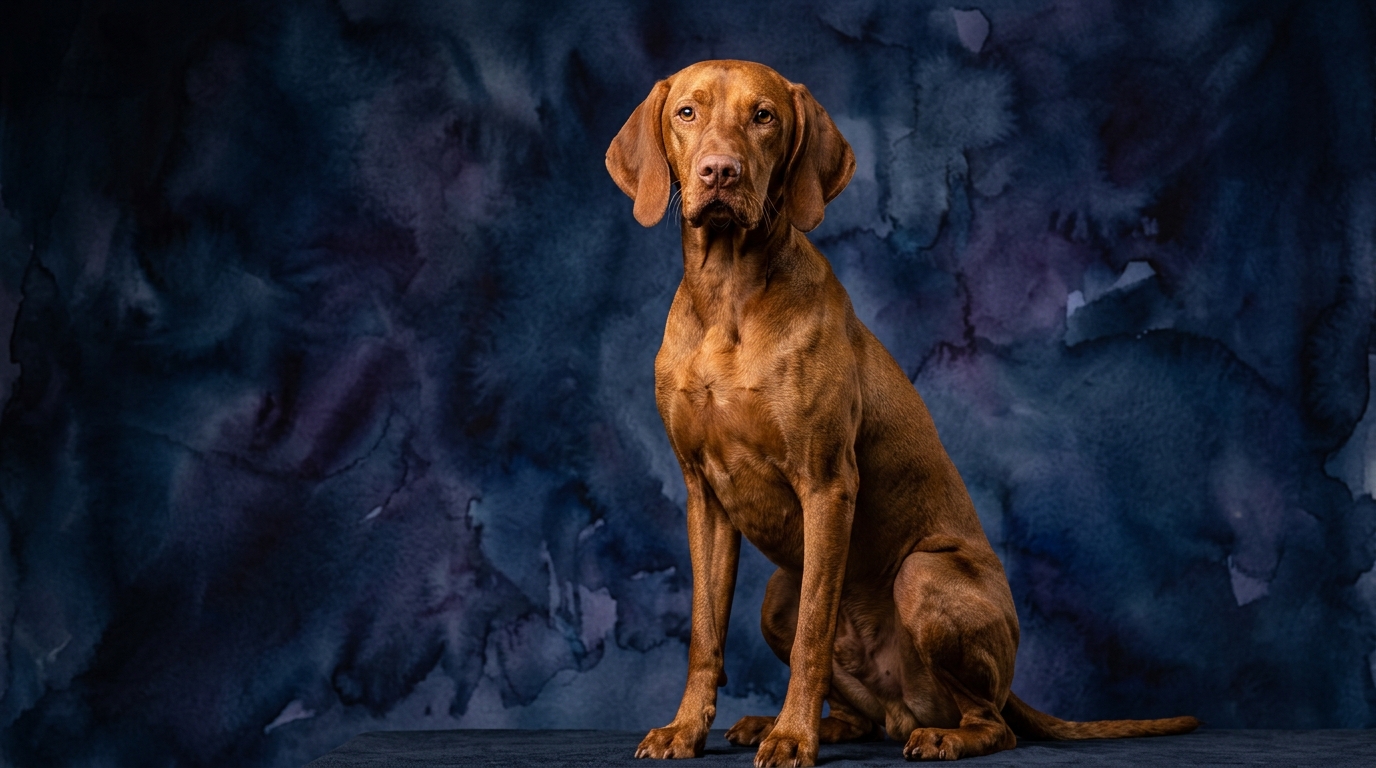
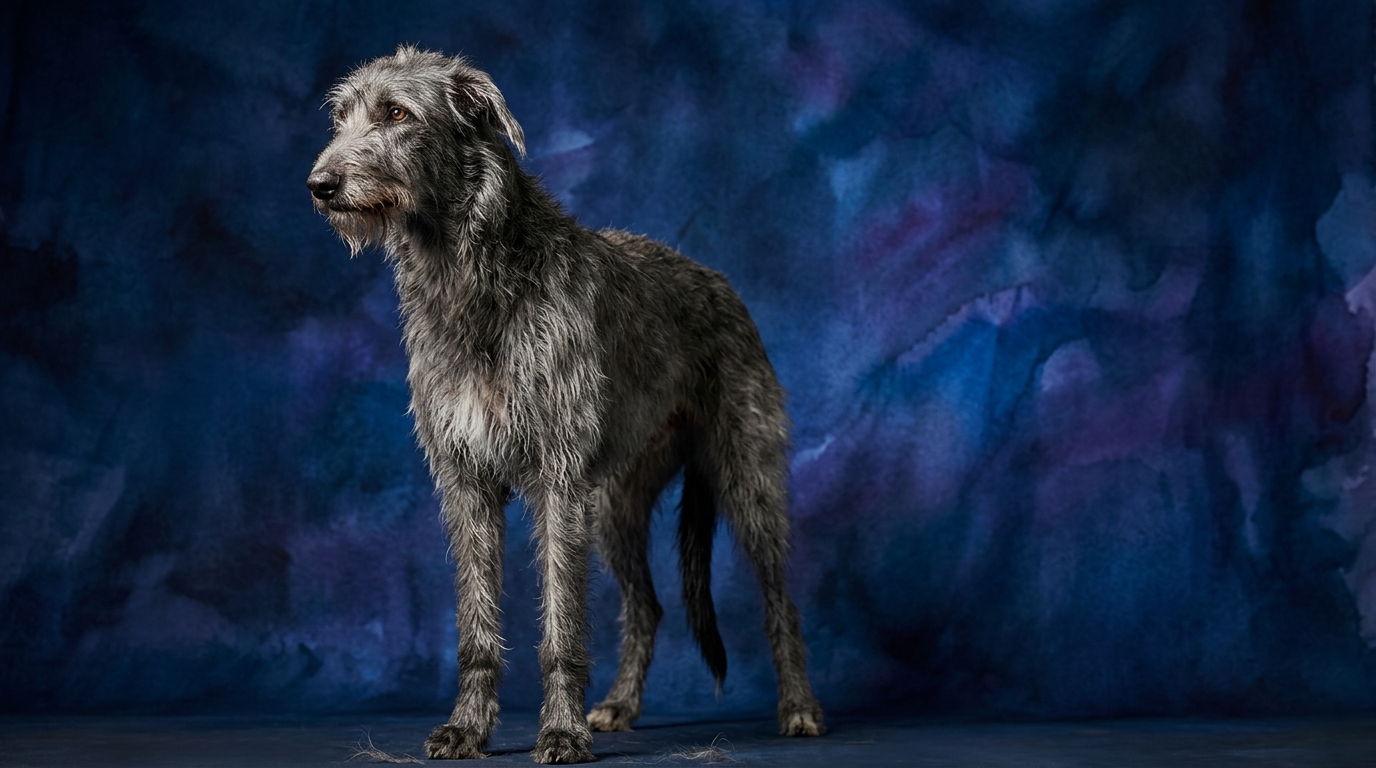
Side-by-Side IQ Profile: Vizsla vs. Scottish Deerhound
Our Cosmic Pet Pet IQ Lab assessment breaks down canine intelligence into five crucial dimensions, offering a granular view of how each breed processes information and interacts with its environment. The Vizsla, a sporting dog, consistently demonstrates a high aptitude across most metrics, while the Scottish Deerhound, a sighthound, presents a more specialized cognitive landscape.
**Problem Solving:** The Vizsla scores a robust 4/5 in problem-solving, indicating a strong capacity for navigating novel situations and figuring out solutions. This breed often applies past experiences to new challenges, showing adaptability and a willingness to engage mentally. In contrast, the Scottish Deerhound earns a 3/5, suggesting a more direct, perhaps less exploratory approach to problems. Their solutions might be more instinct-driven or require clearer guidance, rather than extensive independent experimentation.
**Training Speed:** With a 4/5 in training speed, the Vizsla is a quick study. Their eagerness to please and high social drive translate into rapid acquisition of new commands and behaviors, often picking up new concepts with minimal repetition. The Scottish Deerhound, at 3/5, learns at a more moderate pace. They are capable of learning but may require more consistent, patient reinforcement and might not display the same immediate enthusiasm for repetitive drills.
**Social Intelligence:** Here, the Vizsla truly shines with a top score of 5/5. This reflects their profound ability to understand human cues, emotional states, and social dynamics, making them highly attuned companions who thrive on interaction and partnership. The Scottish Deerhound's 3/5 in social intelligence indicates a more reserved and independent nature. While they form deep bonds, they may not constantly seek human validation or readily interpret subtle social signals, preferring a calmer, less demanding interaction style.
**Instinctive Drive:** The Vizsla's 5/5 in instinctive drive highlights their powerful genetic programming for hunting, retrieving, and working alongside humans. This manifests as intense focus, high energy, and a persistent drive to pursue tasks, often with great vigor and determination. The Scottish Deerhound's 3/5 signifies a different kind of drive, primarily rooted in their sighthound heritage – the instinct to spot and chase. While powerful in bursts, it's generally less about sustained, cooperative task completion and more about independent pursuit, followed by periods of calm.
**Memory:** Both breeds demonstrate competent memory, with the Vizsla scoring 4/5 and the Scottish Deerhound 3/5. The Vizsla's strong memory aids in retaining complex training sequences and remembering specific locations or routines over time, supporting their quick training speed. The Scottish Deerhound's memory is sufficient for recalling established routines and learned commands, though perhaps not with the same immediate recall for intricate sequences as their sporting counterpart.
Where the Vizsla's Cognitive Profile Excels
The Vizsla's cognitive strengths make them exceptional partners for active, engaged owners. Their high problem-solving ability (4/5) means they are adept at navigating complex environments and figuring out solutions to challenges, whether it’s finding a hidden toy or learning a new agility sequence. This isn't just about obedience; it's about applying understanding to novel situations, a hallmark of their adaptability.
Their superior social intelligence (5/5) allows them to form incredibly tight bonds and seamlessly integrate into family life, often anticipating their owner's moods and desires. This deep connection makes them highly responsive to training and eager to collaborate. The Vizsla's rapid training speed (4/5) and strong memory (4/5) mean they acquire new skills quickly and reliably retain them, making them suitable for advanced obedience, dog sports, or specific working roles. Their intense instinctive drive (5/5), when properly channeled, translates into tireless dedication to tasks, ensuring they approach activities with focus and vigor.
Unique Cognitive Strengths of the Scottish Deerhound
While their scores may appear lower in direct comparison, the Scottish Deerhound's cognitive profile is perfectly suited to its historical role and desired companionship style. Their problem-solving (3/5) is often characterized by independent assessment rather than collaborative effort; they are capable of making quick, self-reliant decisions, particularly in open spaces where they rely on sight and speed. This isn't a deficit but a different mode of cognitive operation, emphasizing self-sufficiency.
The Deerhound's more moderate social intelligence (3/5) translates into a dignified, less demanding presence. They are affectionate with their chosen people but don't constantly seek attention, making them ideal for owners who appreciate a quiet, observant companion. Their instinctive drive (3/5), while lower than a Vizsla's, is still powerful in its sighthound manifestation – the thrill of the chase. This means they possess a remarkable ability to focus intently on moving objects, a specialized cognitive skill that highlights their heritage as pursuit hunters. Their memory (3/5) is reliable for routines and learned behaviors, ensuring they understand household expectations without constant re-training, once a behavior is established.
Training Dynamics: Vizsla vs. Scottish Deerhound
When it comes to ease of training, the Vizsla generally presents a more straightforward path. Their high social intelligence and strong desire to please, coupled with a fast training speed, mean they are highly motivated by positive reinforcement and human approval. They thrive on structured training sessions and quickly pick up complex commands, often eager to learn new tricks and tasks. Their instinctive drive can be channeled into focused work, making them highly trainable for specific roles or sports.
The Scottish Deerhound, however, requires a different approach. Their more independent nature and moderate social intelligence mean they are less driven by constant human praise and more by their own internal motivations or the perceived value of a task. Training them demands patience, consistency, and a deep understanding of sighthound temperament. They respond best to positive reinforcement, short, engaging sessions, and a trainer who respects their somewhat aristocratic independence. Expect them to learn, but perhaps not with the same lightning speed or unwavering focus on the handler; they might pause to consider if a command is truly worth their effort, or if something more interesting has caught their eye.
Matching Breeds to Owner Lifestyles
The Vizsla is an ideal companion for active owners who relish having a constant canine shadow and partner in adventure. Their high energy levels, intense social intelligence, and strong instinctive drive mean they thrive with owners who can provide ample physical exercise, mental stimulation, and consistent interaction. They excel in homes where they are integrated into daily activities, whether it's hiking, running, dog sports, or simply being a constant presence by their owner's side. Owners who want a highly biddable, responsive dog eager to learn and participate will find a Vizsla deeply rewarding.
The Scottish Deerhound, conversely, suits owners who appreciate a calm, dignified, and somewhat independent presence. While they require regular exercise, particularly opportunities for a good run in a secure area, they are generally content to relax at home, often preferring quiet observation to constant engagement. They are best suited for patient owners who understand and respect their sighthound nature, including their strong chase instinct and their more reserved social demeanor. Owners seeking a dog that is affectionate but not overly demanding, and who value a majestic, gentle companion over a perpetually 'busy' one, will find deep satisfaction with a Scottish Deerhound.
The Verdict
Choose a Vizsla if you seek an intensely interactive, highly trainable, and active canine partner eager for constant engagement and collaborative tasks.
Opt for a Scottish Deerhound if you desire a calm, dignified, and affectionate companion who values independence, requires less constant attention, and appreciates leisurely activities punctuated by bursts of speed.
🧠 Find Your Pet's IQ Score
Our Pet IQ Lab assessment covers 25+ tests across 5 cognitive dimensions — personalized to your breed.
Take the Full IQ Test →Frequently Asked Questions
Is the Scottish Deerhound difficult to train?
The Scottish Deerhound is not inherently difficult but requires a patient, consistent approach due to their independent sighthound nature. They learn at a moderate pace (3/5 Training Speed) and respond best to positive reinforcement and understanding their motivations, rather than expecting constant handler focus.
Do Vizslas need a lot of mental stimulation?
Yes, Vizslas have a high problem-solving ability (4/5) and intense instinctive drive (5/5), meaning they thrive on significant mental stimulation. Activities like puzzle toys, advanced obedience, scent work, and learning new tricks are crucial to keep their minds engaged and prevent boredom.
Which breed is better for a first-time dog owner?
Neither breed is typically recommended for entirely novice owners, but a Vizsla, with their high social intelligence and eagerness to please, might be slightly more manageable for a committed first-timer willing to dedicate significant time to training and exercise. A Scottish Deerhound's independence and specific sighthound traits can be more challenging without prior experience.