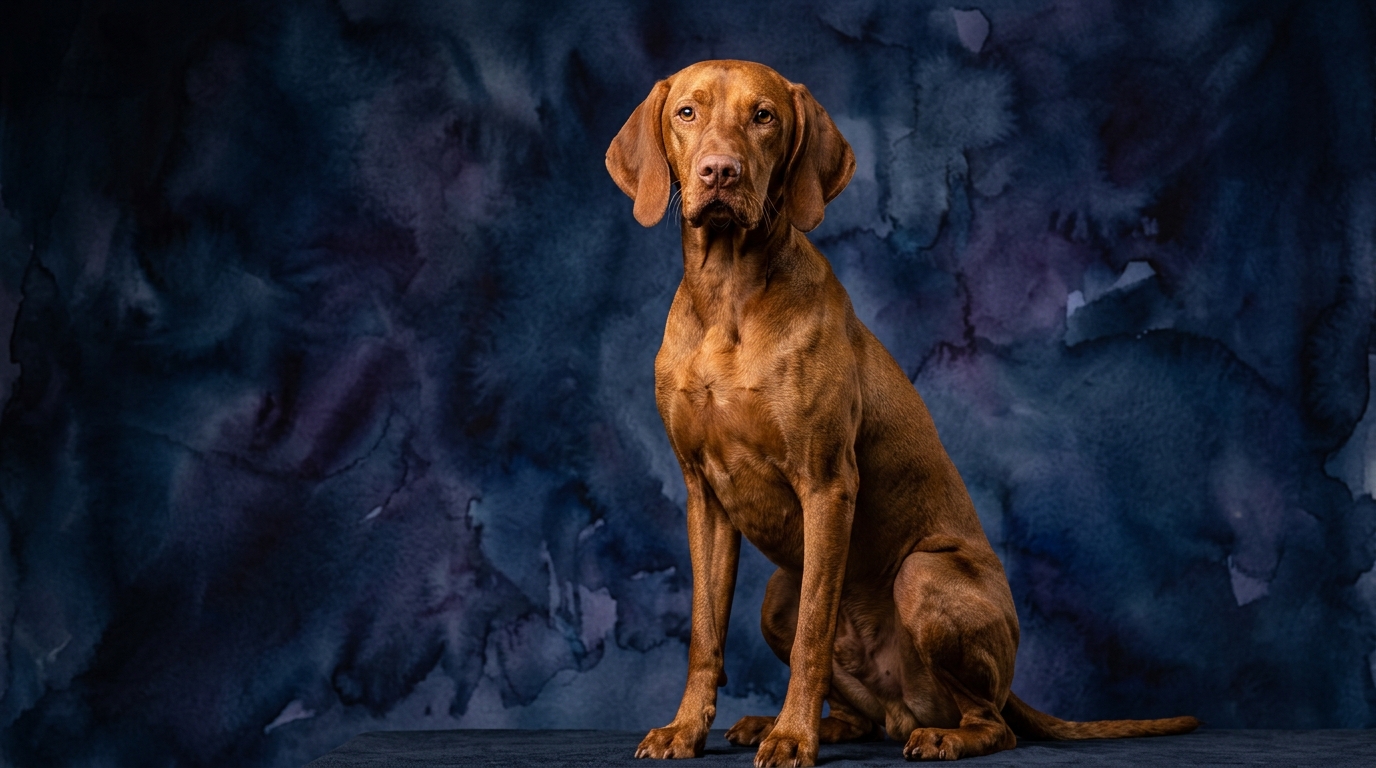
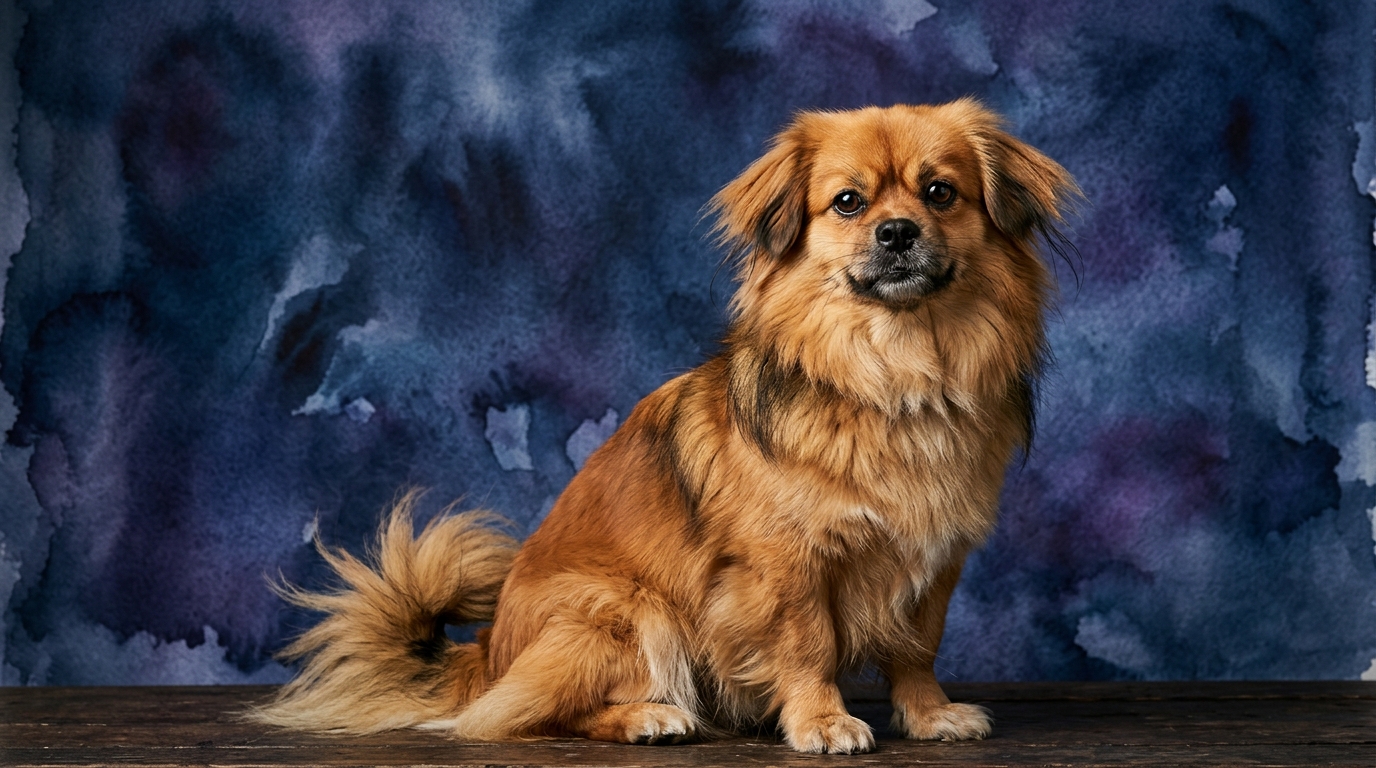
Side-by-Side Cognitive Profiles: Vizsla vs. Tibetan Spaniel
At The Cosmic Pet Pet IQ Lab, we evaluate canine cognition across five crucial dimensions, offering a nuanced look beyond generalized notions of cleverness. Comparing the Vizsla and the Tibetan Spaniel reveals distinct strengths shaped by their heritage, providing clarity for prospective owners.
The Vizsla, a Sporting group member with a Coren rank of #31, exhibits a robust cognitive toolkit. Their Problem Solving is rated 4/5, indicating an adeptness at navigating complex scenarios and learning sequential tasks. Training Speed stands at 4/5, suggesting a quick grasp of new commands. Social Intelligence is exceptionally high at 5/5, reflecting a profound attunement to human cues and a desire for partnership. Their Instinctive Drive is also a peak 5/5, showcasing a powerful inclination for activities like retrieving and tracking. Finally, Memory is strong at 4/5, allowing for excellent retention of learned behaviors and associations.
In contrast, the Tibetan Spaniel, belonging to the Non-Sporting group and not appearing on the Coren ranking, presents a more moderate cognitive profile. Their Problem Solving is rated 3/5, indicating competence in simpler challenges but perhaps less inclination for sustained, intricate strategizing. Training Speed is 3/5, meaning they learn new skills steadily with consistent effort. Social Intelligence is 3/5, signifying an ability to bond and interact but with a more independent streak. Instinctive Drive is also 3/5, pointing to a moderate inclination for companionship and alertness rather than intense working tasks. Their Memory is rated 3/5, sufficient for daily routines and learned tricks, though perhaps not with the precision of higher-scoring breeds.
Where the Vizsla's Cognition Shines Brightest
The Vizsla’s cognitive strengths are particularly pronounced in areas demanding active partnership and focused intent. Their exceptional Social Intelligence (5/5) means they are profoundly attuned to human emotions and subtle cues, making them intuitive collaborators. This isn't just about affection; it's about a deep understanding of their handler's intentions, allowing them to anticipate and respond with remarkable synchronicity. This makes them outstanding partners for activities requiring teamwork, such as advanced obedience or therapy work, where a nuanced connection is paramount.
Furthermore, the Vizsla’s potent combination of Problem Solving (4/5) and Instinctive Drive (5/5) equips them for complex, goal-oriented tasks. They possess a natural inclination to explore, strategize, and persist in the face of challenges, particularly when those challenges tap into their hunting heritage. For instance, a Vizsla is more likely to independently figure out how to navigate an elaborate scent trail or solve a multi-step puzzle to retrieve a hidden object, showing sustained focus where another breed might disengage. Their strong Memory (4/5) ensures these learned solutions and intricate pathways are retained, building a repertoire of effective strategies for future endeavors. This cognitive architecture makes them exceptionally capable in competitive dog sports like agility, field trials, or tracking, where quick learning, precise execution, and a deep understanding of tasks are critical.
The Unique Cognitive Niche of the Tibetan Spaniel
While the Tibetan Spaniel’s scores across all five cognitive dimensions are more moderate (3/5), this doesn't imply a lack of mental capacity but rather a different expression of intelligence, one that thrives in specific environments. Their moderate Instinctive Drive (3/5) is, in many contexts, a significant advantage. Unlike breeds with overpowering working drives, the Tibetan Spaniel doesn't possess an innate urge to constantly 'work' or channel intense energy into specific tasks like herding or retrieving. This makes them less prone to developing frustration-driven behaviors if their mental stimulation isn't constant or highly structured.
Their Social Intelligence (3/5) fosters a strong, yet often more independent, bond with their human companions. They are observant and affectionate but typically without the 'velcro' intensity of a Vizsla, appreciating quiet companionship as much as active engagement. This nuanced social understanding allows them to be excellent watchdogs, alert to their surroundings and quick to signal anomalies without the overwhelming need to participate in every family activity. Their Problem Solving (3/5) is perfectly adequate for navigating the domestic environment, understanding household rules, and engaging with interactive toys, but without the pressure of needing to constantly outwit complex puzzles. This cognitive profile means the Tibetan Spaniel often excels as a calm, adaptable companion, content with a balanced routine of engagement and relaxation, fitting seamlessly into homes where a relentless working drive might be overwhelming.
Training Dynamics: Vizsla's Eagerness vs. Tibetan Spaniel's Independence
When it comes to ease of training, the Vizsla generally holds an advantage due to its higher Training Speed (4/5) and exceptional Social Intelligence (5/5). Vizslas are often described as highly biddable, meaning they possess a strong willingness to please and are quick to understand and execute commands. Their deep attunement to human cues allows them to pick up new tasks with fewer repetitions, often responding to subtle body language or vocal inflections. This eagerness, coupled with their strong memory, makes them excel in advanced obedience, complex trick training, and performance sports, where precision and rapid learning are key. Behavioral differences often include a Vizsla's sustained focus during training sessions and their active solicitation of human guidance and approval, making them highly rewarding to instruct.
The Tibetan Spaniel, with a Training Speed of 3/5 and Social Intelligence of 3/5, requires a different approach. While certainly trainable, they may not exhibit the same fervent desire to please or the lightning-fast acquisition of new skills as a Vizsla. Their more independent nature means they might need more patient, consistent, and reward-based training methods to maintain engagement. They can sometimes appear thoughtful or even a little stubborn, preferring to consider a command before executing it, rather than offering an immediate, enthusiastic response. Real behavioral differences include a Tibetan Spaniel's tendency to learn at their own pace, and their training success often hinges on making the process enjoyable and reinforcing their intrinsic motivation rather than relying solely on their desire for human approval. They respond best to positive reinforcement, often showing a charming willingness to comply once they understand the expectation and perceive a benefit, but without the Vizsla's intense drive for partnership.
Lifestyle Match: Active Engagement vs. Relaxed Companionship
The cognitive profiles of these two breeds offer clear guidance for owners seeking a specific lifestyle match. The Vizsla, with its high scores in Instinctive Drive (5/5), Problem Solving (4/5), and Social Intelligence (5/5), is undeniably suited for active owners. This breed thrives in environments where they receive substantial physical exercise coupled with consistent mental stimulation. Owners who enjoy activities like long-distance running, hiking, hunting, competitive dog sports (agility, flyball, obedience), or even just extended, engaging play sessions in a large yard will find a Vizsla to be an enthusiastic and capable partner. Their cognitive makeup demands a 'job' or purpose, and without adequate outlets for their energy and intellect, they can become frustrated, potentially leading to undesirable behaviors born out of boredom and unspent drive. They excel when their innate desire to work alongside their human is channeled productively.
Conversely, the Tibetan Spaniel, with its moderate scores across all dimensions (3/5), is an excellent choice for relaxed owners or those living in smaller spaces like apartments. While they certainly enjoy walks, playtime, and mental engagement, their needs are not as intense or demanding as the Vizsla's. They are content with regular, moderate exercise, a few engaging toys, and ample opportunities for cuddling and quiet companionship. Their cognitive profile allows them to be adaptable and observant, often enjoying watching the world go by from a comfortable perch. They appreciate routine and a calm environment, offering a gentle, charming presence without requiring constant, high-octane engagement. For owners seeking a loyal, affectionate companion who is less prone to extreme working behaviors and more inclined towards a balanced, peaceful co-existence, the Tibetan Spaniel fits beautifully.
The Verdict
Choose a Vizsla if you are an active individual or family prepared to provide extensive daily exercise and consistent mental challenges, desiring a highly engaged, intuitive, and driven partner for adventures and dog sports.
Opt for a Tibetan Spaniel if you seek a charming, observant, and moderately active companion who thrives on relaxed companionship, enjoys a balanced routine, and brings a delightful, independent spirit to a quieter home.
🧠 Find Your Pet's IQ Score
Our Pet IQ Lab assessment covers 25+ tests across 5 cognitive dimensions — personalized to your breed.
Take the Full IQ Test →Frequently Asked Questions
Is the Vizsla truly more affectionate due to its high social intelligence?
Vizslas, with their 5/5 social intelligence, often form exceptionally deep, responsive bonds, translating into a highly demonstrative and intuitive connection with their families. This intense attunement means they frequently seek close physical and emotional proximity, often described as 'velcro dogs,' and are highly responsive to human emotional states.
How does the Tibetan Spaniel's moderate problem-solving manifest in daily life?
A Tibetan Spaniel's 3/5 problem-solving means they can navigate familiar household challenges and learn routines, but might not independently devise complex solutions to novel situations. They might rely more on observation and learned associations rather than intricate strategizing to achieve a goal, preferring consistency over constant new challenges.
Can a Tibetan Spaniel participate in dog sports despite lower IQ scores?
Absolutely. While a Tibetan Spaniel's scores (3/5 across the board) suggest a slower learning curve and less intense drive compared to a Vizsla, they can still enjoy and succeed in many dog sports, particularly those focusing on precision and companionship like obedience or rally, with consistent, positive training that caters to their independent nature.