Side-by-Side Cognitive Profiles
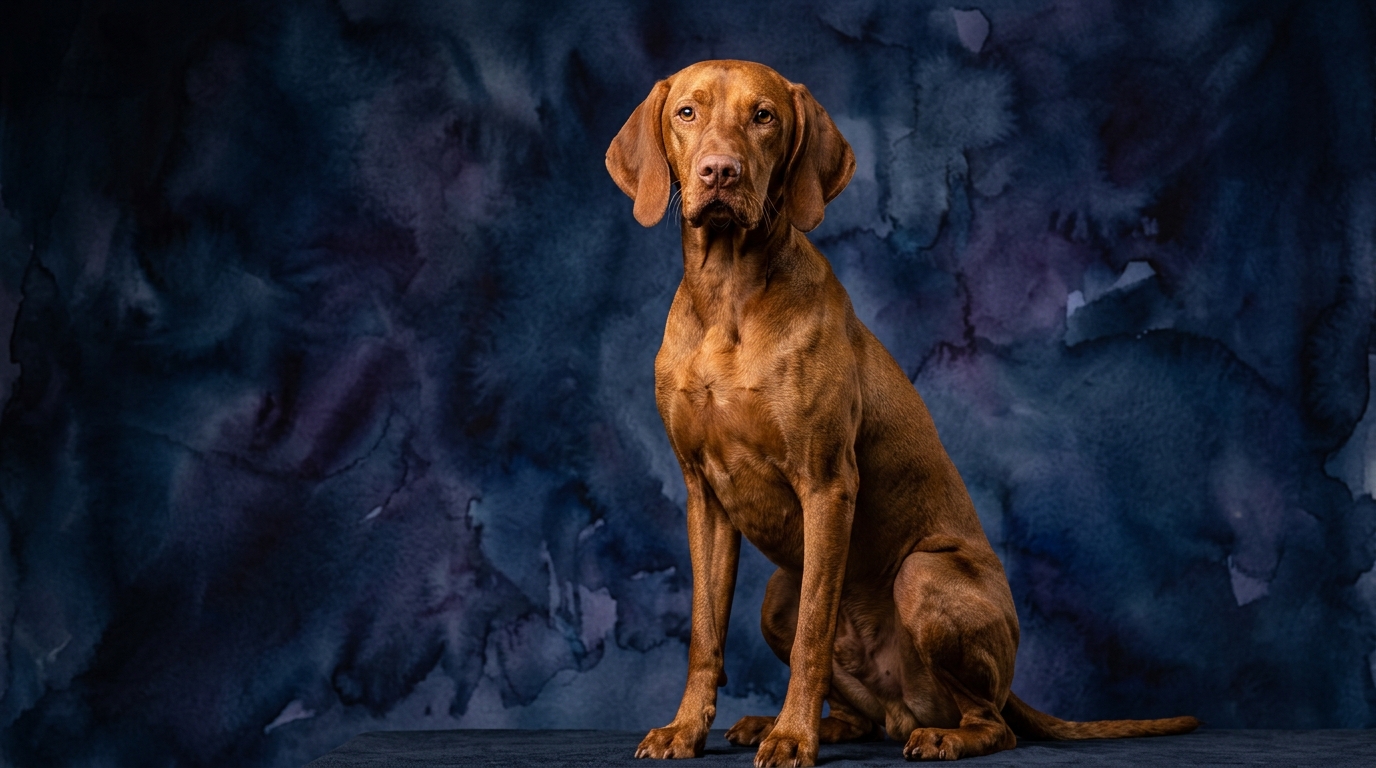
The Vizsla, a Sporting breed ranking 31st on Stanley Coren's list, demonstrates a well-rounded cognitive profile. Their Problem Solving (4/5) aptitude means they aren't just reacting to situations but actively strategizing; for instance, a Vizsla might quickly understand how to manipulate a puzzle feeder or figure out how to open a child-proof gate to reach a desired item. Training Speed (4/5) is a testament to their eagerness and ability to absorb new commands rapidly, often requiring only a handful of repetitions to ingrain a new behavior. Their Social Intelligence (5/5) is truly exceptional, allowing them to read human emotions with remarkable accuracy, often anticipating their owner's moods or intentions before a word is spoken, which fosters a very deep, almost intuitive bond. The Instinctive Drive (5/5) stems from their heritage as versatile hunting dogs, manifesting as a powerful desire to scent, point, and retrieve, making them relentless in pursuing these natural activities. Finally, their Memory (4/5) is robust, enabling them to retain complex sequences of commands, remember specific locations of hidden objects, and recall past interactions, contributing to their consistent performance.
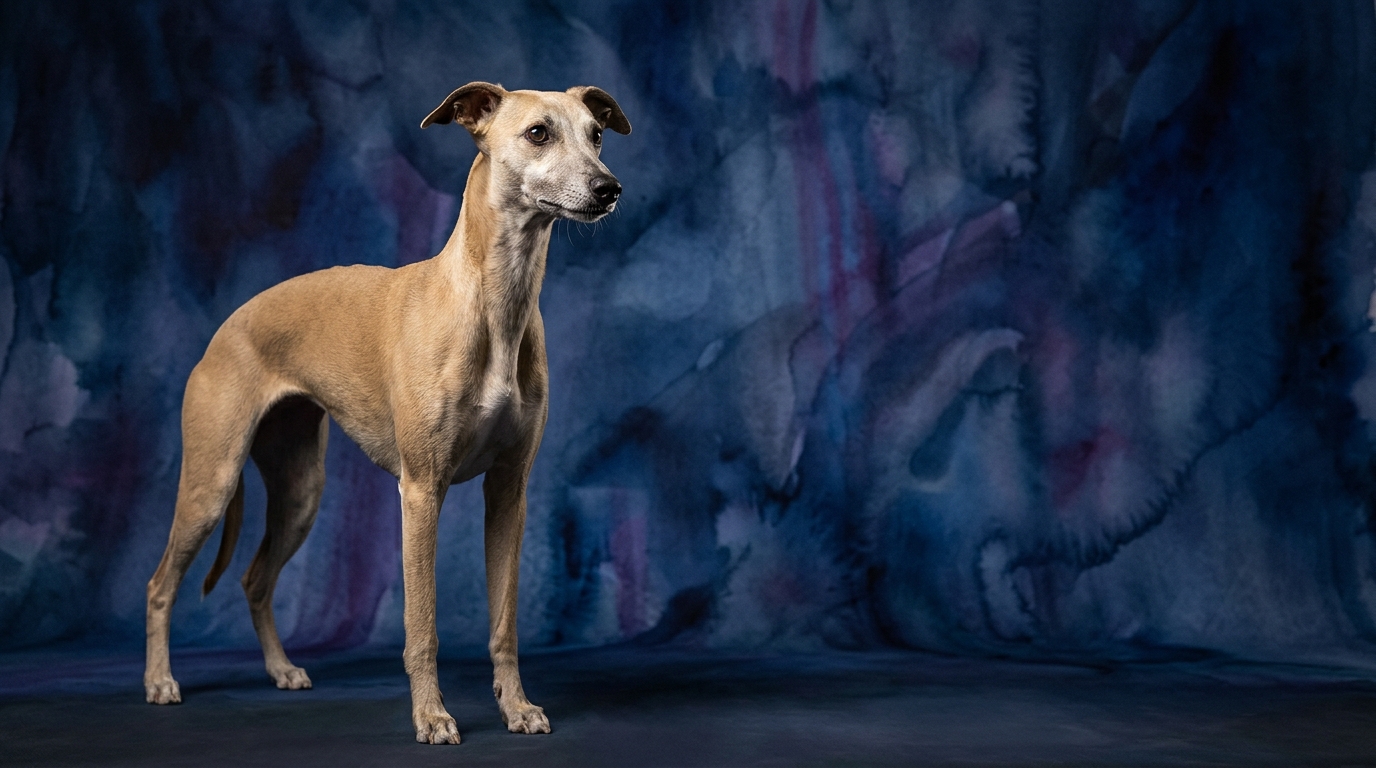
The Whippet, a Hound breed placed 51st by Coren, presents a distinct set of cognitive strengths. Their Problem Solving (3/5) leans towards practical, direct solutions rather than elaborate schemes; they might figure out how to jump on a counter to reach food but may not meticulously plan how to retrieve a toy from under a complex furniture arrangement. Training Speed (2/5) indicates they are capable of learning, but often demand more patient, consistent, and reward-based methods, as their motivation is frequently internal rather than driven by a strong desire to please. Social Intelligence (4/5) is respectable; Whippets are affectionate and perceptive within their family unit, understanding household routines and moods, though they might not display the same intense attunement to subtle human emotions as a Vizsla. Their Instinctive Drive (5/5) is overwhelmingly focused on the chase, a powerful sighthound trait that compels them to pursue anything fast-moving with incredible speed and single-mindedness, making secure off-leash areas crucial. Their Memory (3/5) is functional for daily routines and frequently practiced commands, but less commonly used instructions might require more frequent refreshing to remain reliable.
Where the Vizsla Excels Cognitively
The Vizsla's superior Problem Solving and Training Speed are evident in their approach to novel tasks. For example, when presented with a new agility course, a Vizsla is more likely to quickly grasp the sequence of obstacles and execute them with minimal guidance after just a few walk-throughs, demonstrating a cognitive flexibility and processing speed that allows for rapid adaptation. This quick understanding extends to intricate tasks, like learning to differentiate between multiple toys by name or performing complex chain behaviors, showcasing their capacity for abstract thought and retention.
Their unparalleled Social Intelligence sets them apart in their ability to integrate into human family dynamics. A Vizsla can often sense an owner's stress or happiness, offering comfort or initiating play at just the right moment. This deep emotional connection translates into a dog that often anticipates needs, making them exceptional service or therapy prospects where empathy and responsiveness to human states are paramount. They don't just follow commands; they seem to understand the *why* behind them, leading to a more collaborative partnership.
Where the Whippet Shines Cognitively
While their problem-solving might be different, the Whippet's Instinctive Drive is a specialized cognitive strength in itself. Their brain is exquisitely wired for visual tracking and explosive speed. In activities like lure coursing, a Whippet's cognitive focus on the “prey” is almost absolute, processing visual stimuli at an incredibly high rate to predict and intercept the lure's path. This isn't just physical prowess; it’s a specific form of cognitive processing that allows for split-second decisions and adjustments during high-speed pursuit, a domain where they are truly masters.
The Whippet's cognitive strength also lies in a certain Independent Thought, particularly when their sighthound instincts are engaged. Unlike a Vizsla who might look to their handler for direction, a Whippet, once unleashed in a secure field, will make autonomous decisions based on visual cues to pursue a lure or a perceived “prey.” This self-directed action, while sometimes challenging in obedience contexts, signifies a cognitive ability to operate effectively and make rapid, situation-specific judgments without constant human intervention, reflecting a deep confidence in their own sensory processing.
Training Dynamics: Vizsla vs. Whippet
The Vizsla typically offers a smoother training experience due to their combination of high Training Speed and exceptional Social Intelligence. They possess a strong "work ethic" and an innate desire to collaborate with their human partners, often making eye contact and actively seeking guidance. This eagerness to please, coupled with their rapid comprehension, means they can master new commands and complex routines with fewer repetitions and retain them more reliably over time. For example, teaching a Vizsla a recall command in a distracting environment often progresses faster because their social bond and desire to return to their owner are powerful motivators, outweighing external distractions more readily than for some breeds. Their attentiveness makes them highly receptive to subtle cues, streamlining the communication process during training.
Whippets, while certainly trainable, often require a more nuanced and patient approach. Their lower Training Speed score doesn't imply a lack of intelligence, but rather a different motivational framework. They are less inherently driven to please and can sometimes appear aloof or selectively deaf if they deem a command less interesting than, say, a passing bird. Training a Whippet often involves making the learning process highly rewarding with high-value treats or favored toys, and breaking tasks into smaller, more manageable steps. For instance, teaching a Whippet a consistent "stay" in a stimulating environment might take significantly more repetitions and proofing than with a Vizsla, as their independent streak and strong prey drive can make sustained focus on human commands more challenging. Consistency is paramount, as is understanding their sighthound nature.
Matching Breeds to Lifestyles
For active owners seeking a dynamic partner, the Vizsla is an exemplary choice. Their high Instinctive Drive and considerable physical stamina mean they thrive on extensive daily exercise, encompassing long runs, intense games of fetch, hiking, or participation in dog sports like agility, obedience, or field trials. Their Problem Solving and Memory also mean they require consistent mental stimulation through training, puzzle toys, or learning new tricks. An under-exercised Vizsla can easily become restless, demonstrating their need for both physical exertion and cognitive engagement to maintain their well-being. They are true partners in adventure, always ready for the next challenge.
Conversely, the Whippet is often an ideal fit for relaxed owners who appreciate a calm indoor companion but can still provide crucial outlets for their specific needs. While their Instinctive Drive for chasing is intense, it’s typically expressed in short, explosive bursts of speed rather than sustained endurance. A Whippet is generally content with a vigorous 20-30 minute sprint in a securely fenced yard or a quick run at a dog park, after which they are often eager to curl up on a soft couch for hours. Their independent nature means they are often less demanding of constant interaction than a Vizsla, making them excellent companions for those who enjoy a quieter home life but are committed to providing daily opportunities for their breed-specific exercise needs.
The Verdict
Select a Vizsla if you seek a highly cooperative, empathetic companion eager to engage in complex training, demanding consistent physical activity and mental challenges for a deep, working partnership.
Opt for a Whippet if you desire a gentle, independent housemate who enjoys intense, short bursts of activity followed by long periods of relaxed companionship, valuing a calm home environment.
🧠 Find Your Pet's IQ Score
Our Pet IQ Lab assessment covers 25+ tests across 5 cognitive dimensions — personalized to your breed.
Take the Full IQ Test →Frequently Asked Questions
Are Vizslas good with children?
Vizslas often form strong bonds with children due to their high social intelligence and affectionate nature, but their exuberance and energy require supervision, especially with very young children, to prevent accidental bumps.
Do Whippets need a lot of exercise?
Whippets require daily opportunities for intense sprints in a safely enclosed area to satisfy their strong chase drive, but outside of these bursts, they are generally calm and enjoy relaxing indoors, making their exercise needs different from endurance breeds.
Which breed is more prone to separation anxiety?
Vizslas, with their exceptional social intelligence and strong desire for companionship, can be more prone to separation anxiety if not properly conditioned, forming deep attachments that make solitude challenging for them. Whippets are generally more independent, though any dog can develop anxiety.